


Table of Contents Show
Is being an architect hard? If we’re honest, yes, and also deeply rewarding. We balance art and engineering, navigate regulations and personalities, and carry legal responsibility for buildings people use every day. If you’re weighing this path, let’s break down what the work actually looks like, why it’s demanding, and how we make it sustainable over the long haul.

What Architects Actually Do Day to Day
Design Versus Documentation
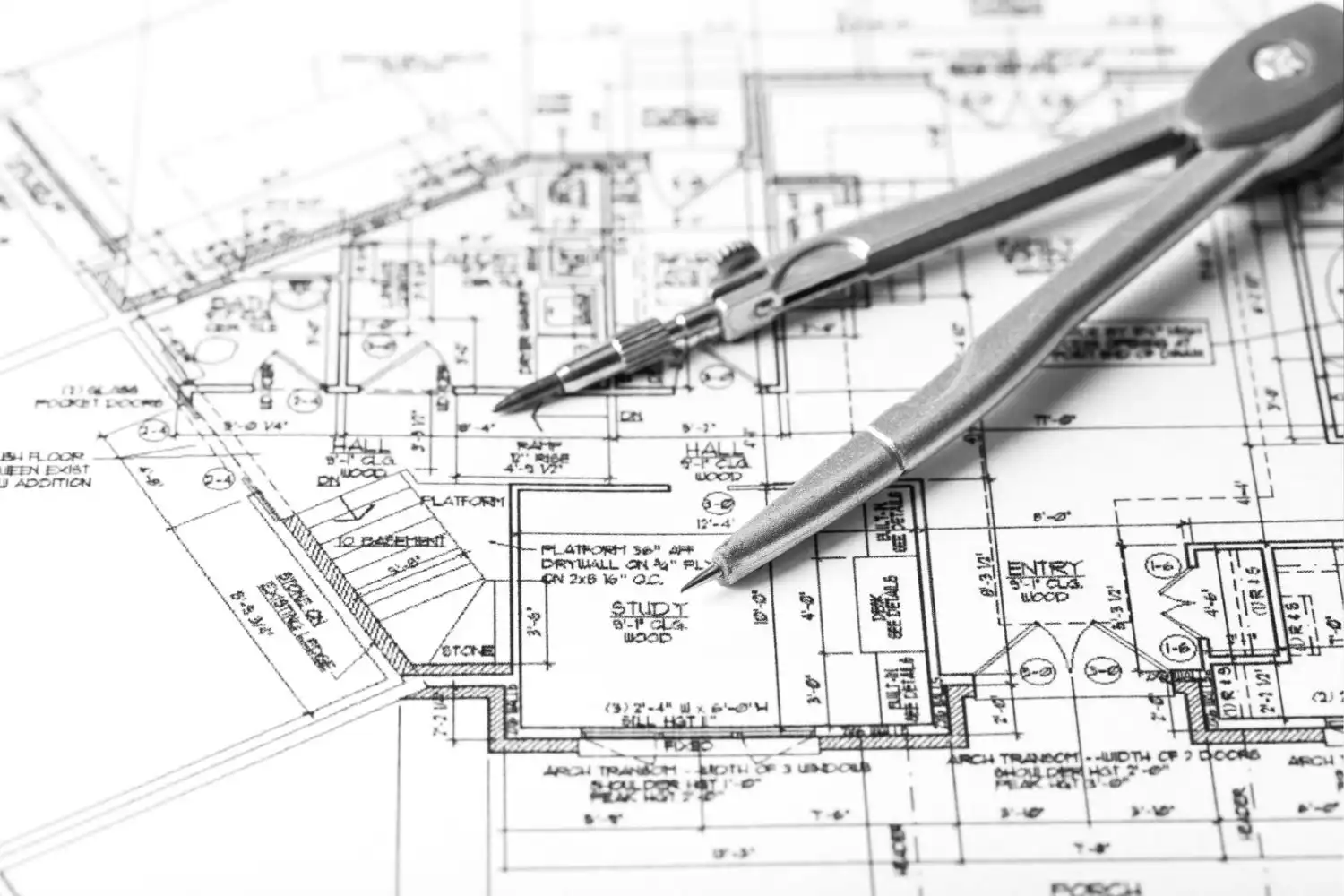
We don’t sketch all day. Some days start with concept diagrams and end with redlines in BIM. Design sets the vision: documentation turns that vision into instructions contractors can build from, plans, sections, details, schedules, specs. The hard part is keeping design intent intact while producing clear, buildable documents under real constraints.,
Coordination, Meetings, And Emails
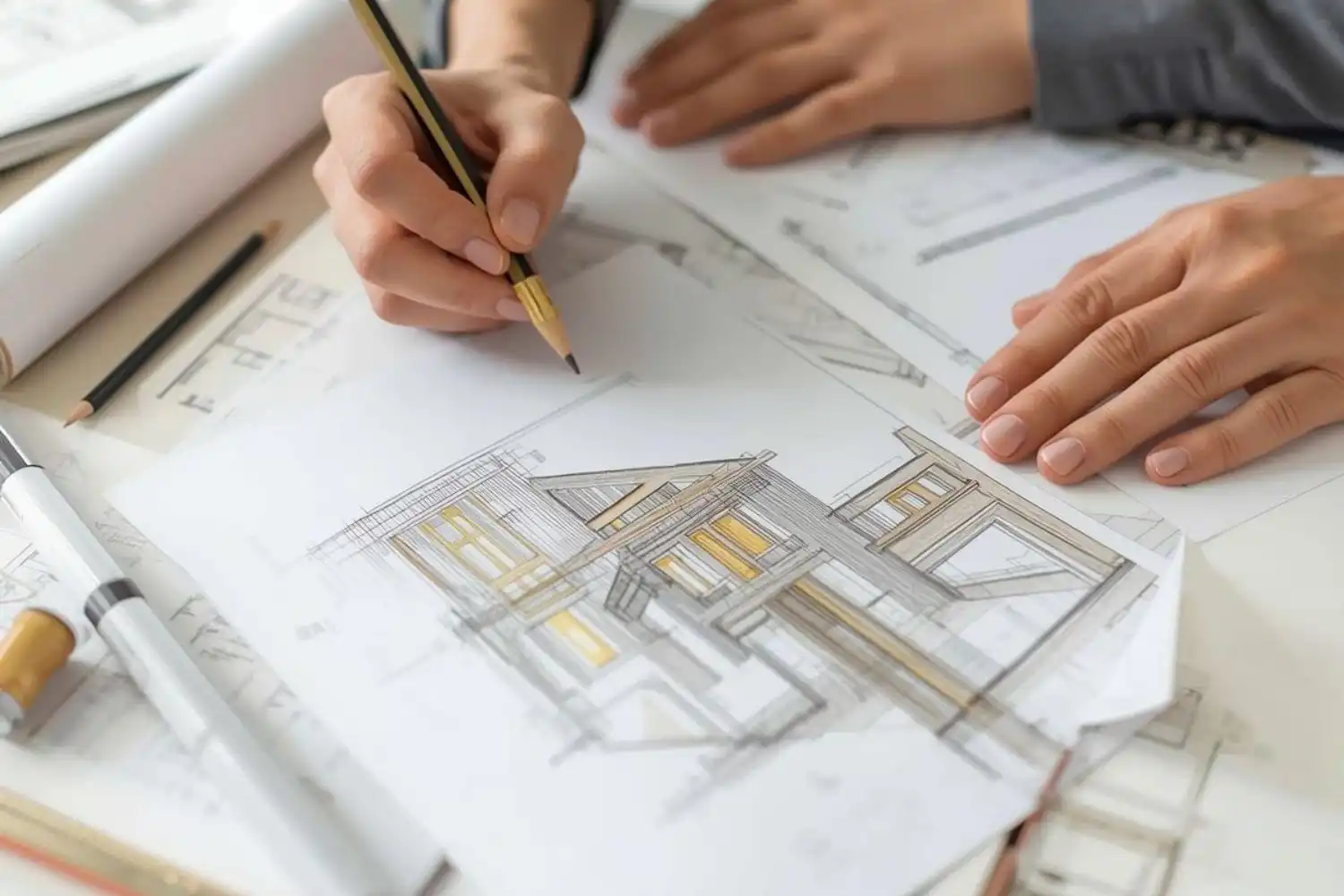
We live in coordination. Structural, MEP, civil, landscape, lighting, every discipline affects our drawings. We’re fielding RFIs, responding to client notes, and aligning dozens of decisions so doors swing the right way and sprinkler heads don’t collide with lights. A great day is when the inbox shrinks and the model gets cleaner.
Site Visits And Problem Solving During Construction
On site, we translate drawings to reality. We review submittals, answer contractor questions, and troubleshoot surprises, steel that arrived with the wrong camber, a hidden pipe in an existing wall, a roof slope that deviates from the model. It’s part detective work, part diplomacy, all accountability.
Education, Licensure, And The Long Path In
Studio Culture, Critiques, And All-Nighters
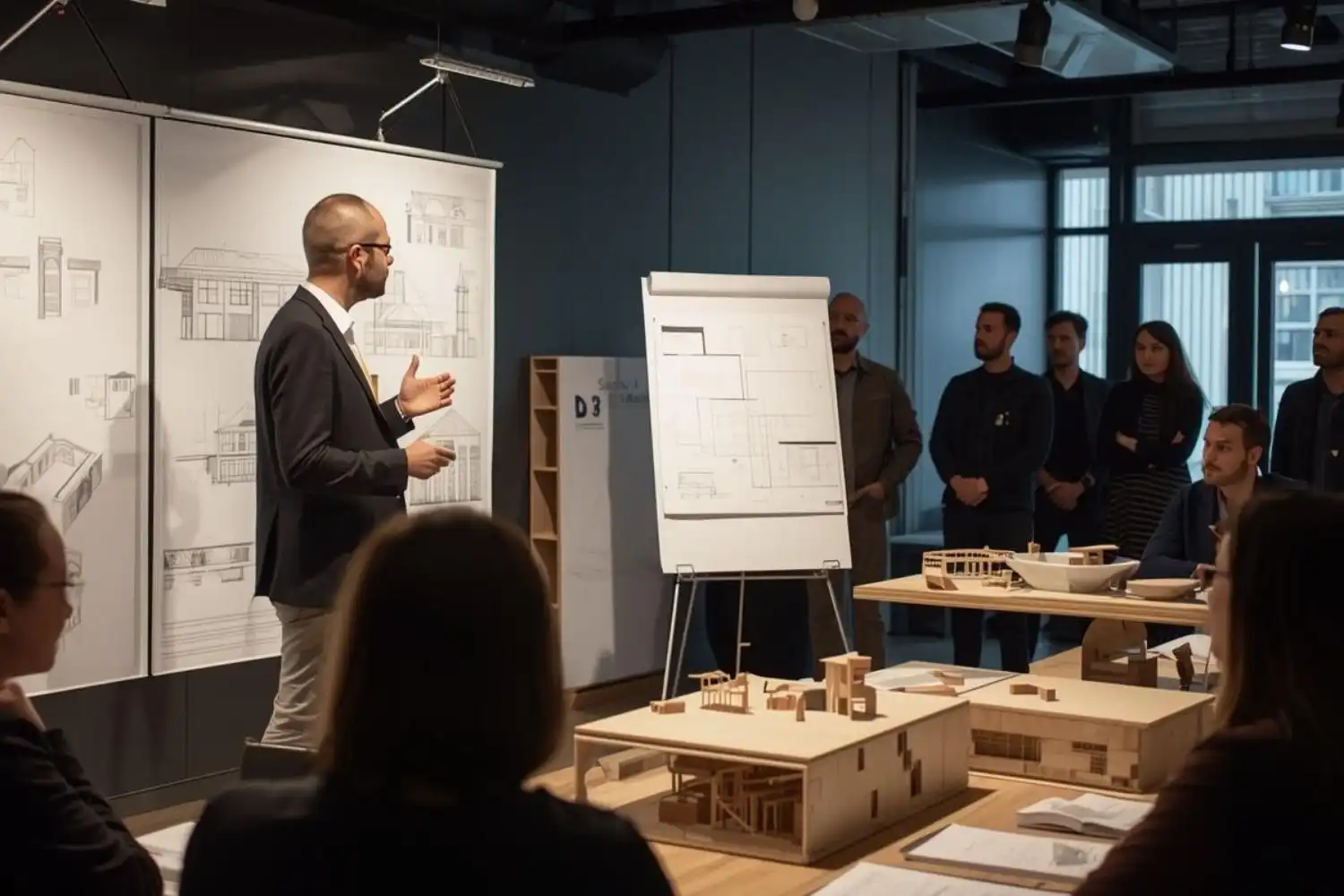
Architecture school is immersive. Studio teaches us to iterate, take critique, and communicate ideas with drawings, models, and words. The pressure is real: deadlines stack, and the work is public. We learn resilience, how to defend a concept, accept feedback, and improve quickly without losing the thread.
Internships And Experience Hours (AXP)
After school, we log experience hours in the Architectural Experience Program across categories, project management, practice management, programming, documentation, and construction administration. We rotate through tasks to see the full arc of a project, from early feasibility to punch lists.
Passing The ARE And Maintaining Licensure
The ARE exams test codes, contracts, building systems, and case studies. Passing isn’t just memorization: it’s pattern recognition and judgment. After licensure, we maintain CEUs, track ethics requirements, and stay current with codes and technology. The learning curve never really ends.
Creativity Meets Constraints: Codes, Budgets, And Constructability
Zoning, Building Codes, And Life Safety
We design for people’s safety first. Zoning controls height, use, and bulk: codes govern egress, fire resistance, accessibility, energy, and more. We’re constantly checking travel distances, stair widths, and fire ratings while still shaping spaces that feel good.

Budgets, Schedules, And Value Engineering
Every choice has a cost and a timeline. When bids come back high, we value-engineer: swap materials, simplify assemblies, consolidate systems, without gutting performance or aesthetics. The craft is protecting what matters most to the client while keeping the project viable.
Client Preferences, Politics, And Community Input
Architects design for stakeholders, not just clients. Neighborhood groups, planning boards, and user committees all weigh in. We manage expectations, present options, and sometimes negotiate compromises to maintain momentum while honoring the project’s purpose.
Workload, Deadlines, And Well-Being
Crunch Times Versus Slow Periods
Workload is lumpy. Submittals, permit deadlines, and bid dates can stack up, then quiet down when a project hits review. We plan around waves, but late information or shifting priorities can trigger crunches. Learning to forecast and buffer time is a survival skill.

Firm Culture And Work-Life Boundaries
Culture matters more than we admit. Some firms prize sustainable pacing and clear scopes: others normalize nights and weekends. We set boundaries, meeting-free focus blocks, realistic staffing, and explicit deliverables, so the team can do its best work without burning out.
Stress, Burnout Risks, And Coping Strategies
The stakes are high and public. To cope, we lean on checklists, QA/QC protocols, and peer reviews. We share the load, rotate responsibilities, and debrief after sprints. Outside work, exercise and creative hobbies help reset. It’s not indulgence: it’s maintenance.
Technical Tools, Details, And Legal Accountability
BIM, CAD, And Constantly Evolving Software
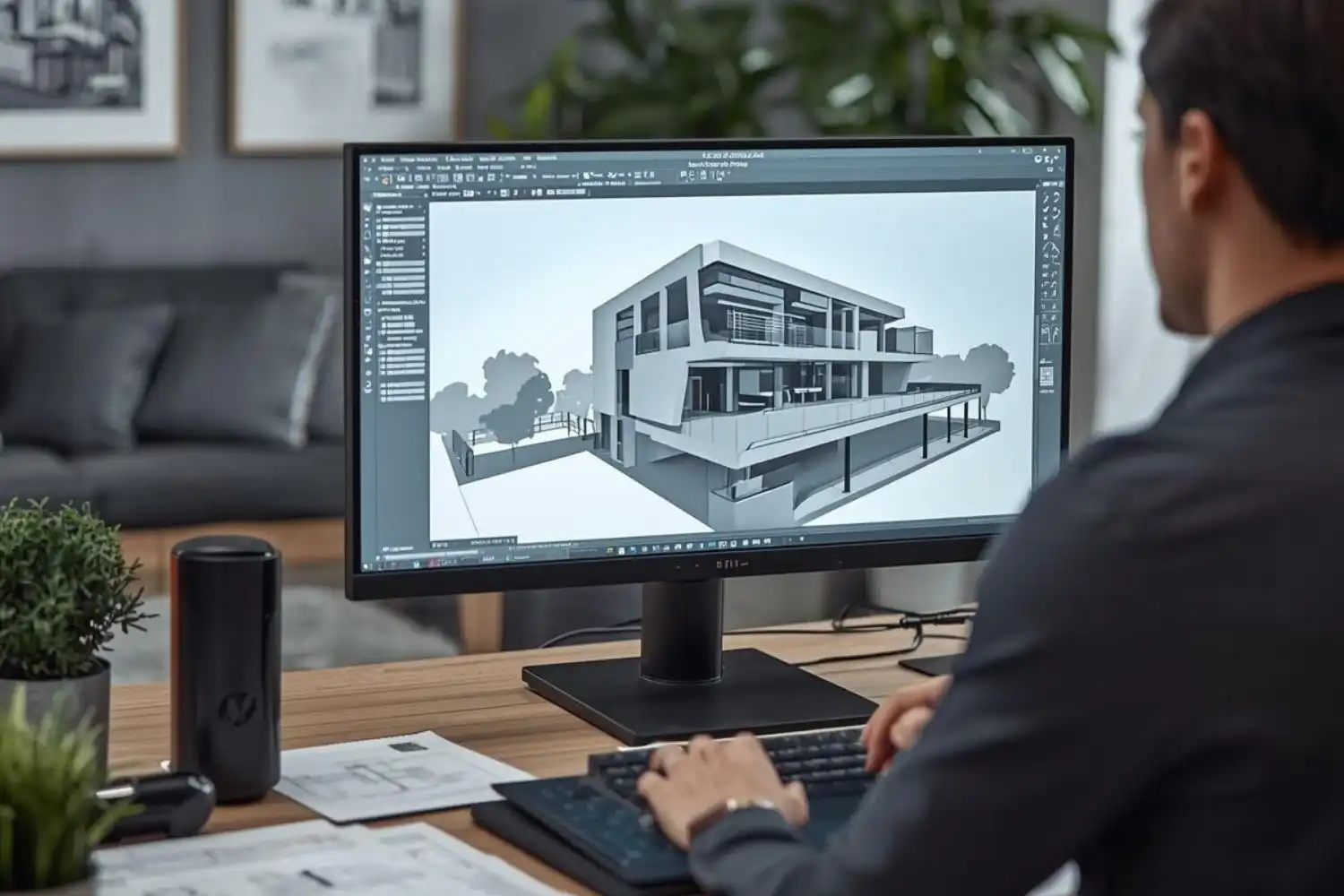
We model in Revit or Archicad, coordinate in Navisworks or Solibri, draft details in CAD, and manage files in cloud platforms. Tools evolve fast, so we keep learning, templates, scripts, and standards turn software into leverage rather than a time sink.
Detailing, Coordination, And Constructability Reviews
Details are where projects live or die. We study manufacturer cutsheets, tolerances, and sequencing. Clash detection helps, but we still walk through assemblies step by step: how water sheds, how air barriers connect, where movement joints go. Good detailing saves owners headaches for decades.
Contracts, Stamps, And Professional Liability
When we stamp drawings, we own them. We work within contract scopes (AIA agreements, for example), document decisions, and keep a clear RFI/submittal trail. Risk management, spec clarity, meeting minutes, and change order documentation, is as important as a beautiful plan.
Business, Clients, And Career Realities
Setting Scope, Fees, And Managing Expectations
We’re consultants and businesspeople. Clear scopes and phased fees prevent scope creep. We set deliverables, define assumptions, and revisit budgets when the program grows. Frequent check-ins beat big surprises.

Working With Consultants And Contractors
Strong relationships make projects smoother. We loop consultants in early, resolve conflicts quickly, and treat contractors as partners, not adversaries. On design-build or CM-at-risk teams, early pricing feedback keeps us realistic.
Compensation, Advancement, And Alternative Paths
Pay varies by market and role. As we advance, management and business development skills matter as much as design. Some of us pivot, to sustainability consulting, computational design, owner’s rep roles, or development, using the same problem-solving backbone.
Conclusion
So, is being an architect hard? We’d say it’s challenging in the best way. We carry responsibility, juggle constraints, and keep learning, because buildings aren’t simple and people deserve spaces that work. If we approach the profession with craft, curiosity, and healthy boundaries, the difficulty isn’t a deterrent: it’s the reason the work stays meaningful.
- architect career difficulties
- architect job challenges
- architect lifestyle challenges
- architect workload
- architectural design challenges
- architectural problem-solving
- architecture career obstacles
- architecture industry difficulties
- architecture job stress
- architecture profession struggles
- challenges architects face
- challenges of being an architect
- demands of being an architect
- how hard is architecture school
- is architecture a difficult career
- is architecture hard
- is becoming an architect worth it
- pros and cons of being an architect
- realities of being an architect
- stress of being an architect














Leave a comment