


Table of Contents Show
We get this question a lot: Is Architecture a Good Career Pros, Cons, and Long-Term? The honest answer is that architecture can be deeply rewarding if we’re drawn to creative problem-solving and built impact, but it also demands patience, resilience, and smart planning. In this guide, we break down what the work really looks like, the tradeoffs, and the long-term outlook so we can decide with eyes wide open.
What Being An Architect Really Involves
Core Responsibilities Across Project Phases
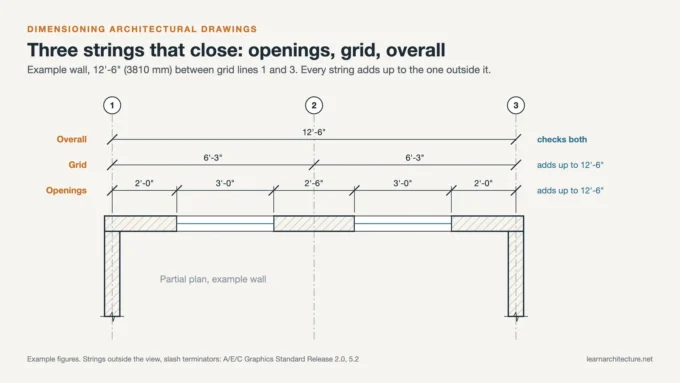
We move projects from vague ideas to buildings people use. Early on, we clarify goals, budgets, and constraints: we sketch, model, and test options. In design development, we coordinate structure, systems, and materials. During construction documents, we produce precise drawings/specs that contractors price and build from. Construction administration means answering RFIs, reviewing submittals, walking the site, and helping resolve issues in real time. The throughline: translating client intent into code-compliant, buildable design.

Work Settings, Specializations, And Team Dynamics
We can work in small design studios, mid-size firms, or global practices. Some of us focus on housing, education, healthcare, or civic work: others specialize in interiors, preservation, or sustainability consulting. On any given project, we collaborate with clients, engineers, contractors, and authorities. The best teams are interdisciplinary and iterative, BIM models flying, cost check-ins happening early, and user feedback incorporated before anything gets poured in concrete.
How Projects Get Approved And Built
Projects navigate zoning, building codes, accessibility, energy standards, and sometimes historic review. We manage permits, coordinate with plan reviewers, and integrate feedback. Then procurement: negotiated contracts or competitive bids. During construction, we verify conformance to documents, track change orders, and keep an eye on schedule and budget. Success hinges on communication as much as design skill.
Pros Of An Architecture Career
Creative Impact And Tangible Results
We leave a physical legacy, schools that uplift communities, clinics that calm patients, homes that actually work for daily life. There’s nothing like seeing a sketch materialize into a place people love.

Intellectual Variety And Lifelong Learning
No two projects are the same. We balance aesthetics with building science, costs with craft, and urban context with user needs. Codes evolve, materials improve, and tools change, so we keep learning. If we enjoy puzzles with real consequences, architecture delivers.
Global Relevance And Cross-Industry Mobility
Design thinking travels well. Skills in spatial problem-solving, stakeholder facilitation, and systems integration translate to roles in real estate development, construction management, product design, UX, and even policy. Our toolkit opens doors beyond traditional practice.
Cons And Real-World Challenges
Education, Licensure, And Debt Load
Becoming an architect is a marathon. Most of us complete a NAAB-accredited B.Arch (5 years) or M.Arch after a 4-year undergrad, accrue paid experience (AXP), and pass the ARE to get licensed. That path can be costly, so we need to weigh tuition, living costs, exam fees, and the time investment.

Compensation, Long Hours, And Burnout Risk
Early-career pay can lag behind other technical fields, especially considering the education required. Deadlines and coordination demands sometimes push long nights. Healthy firms budget time realistically and protect boundaries, but we still need personal strategies for sustainability.
Cyclicality, Client Pressures, And Liability
Architecture tracks the economy. When development slows, hiring and hours can tighten. Client priorities shift, value engineering happens, and we carry professional liability exposure, mitigated by careful documentation, QA/QC, and insurance.
Long-Term Outlook: Trends And Stability
Sustainability, Resilience, And Building Performance
Decarbonization, electrification, and high-performance envelopes are reshaping the brief. Codes are ratcheting up energy requirements, and owners want lower operating costs and healthier interiors. We’re increasingly measured by measurable performance, EUI targets, embodied carbon, and post-occupancy outcomes.

Technology, BIM, And The Role Of AI Automation
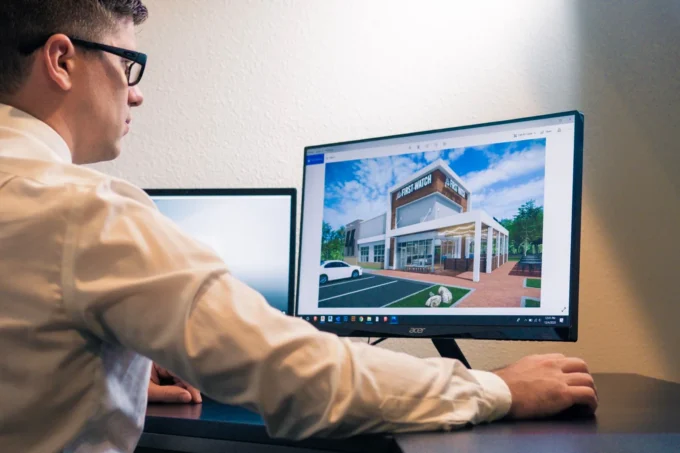
BIM is the project backbone, linking design to quantities, cost, and coordination. Computational design speeds iteration: digital twins support lifecycle operations. AI is accelerating tasks like code queries, clash pre-checks, and early massing studies. It won’t replace architects who lead vision, ethics, and integration, but it will reward those of us who wield it to deliver faster, clearer, and more reliable decisions.
Demographics, Urbanization, And Housing Dynamics
Aging populations, migration, and persistent housing shortages keep demand for adaptive reuse, healthcare, senior living, and attainable housing on the agenda. Urban cores continue to densify, while suburbs retrofit for walkability and mixed use. The work is shifting, not disappearing.
Career Paths And Alternatives
Practice Types, Roles, And Advancement Routes
We can grow as project architects, project managers, or design leaders: move into technical direction, specifications, or sustainability: or step into firm leadership and ownership. Some of us pivot to development, client-side project management, or owner’s rep roles where we shape projects earlier and influence budgets directly.
Adjacent And Alternative Careers For Design Thinkers
Beyond traditional practice, we see peers thriving in construction tech, BIM/VDC coordination, fabrication, exhibit and experience design, proptech, urban policy, code consulting, and academia. If we love the problem-solving but not the typical studio grind, there are many ways to apply the skillset.

How To Decide And Next Steps
Test The Fit: Shadowing, Studios, And Internships
Before committing, we should observe a project meeting, sit in on a design crit, and try an internship or co-op. We’re testing not just talent but appetite for constraints, detail, and teamwork.

Plan Your Education, Portfolio, And Licensure Path
Choose accredited programs if licensure is the goal. Build a portfolio that shows process, not just pretty finals, iterations, diagrams, and how we solved tradeoffs. Map out AXP hours and a plan to tackle the ARE while experience is fresh.
Budget For Costs And Design A Sustainable Lifestyle
Run the numbers on tuition, housing, software, and exam fees. Aim for paid internships, scholarships, and assistantships. Set boundaries early, timeboxing, realistic proposals, and clear change management keep our energy and enthusiasm intact.
Conclusion
So, is architecture a good career? For us, it can be, if we’re energized by complex constraints, long timelines, and the responsibility of shaping real places. The upside grows when we pair design ambition with business sense, technical depth, and humane work habits. Start small, test the fit, and build toward the version of practice that suits you, not the other way around.
- advantages of being an architect
- architect salary expectations
- architect work-life balance
- architecture as a career choice
- architecture career benefits
- architecture career challenges
- architecture career growth
- architecture career opportunities
- architecture career outlook
- architecture career stability
- architecture job market
- architecture job satisfaction
- Career in Architecture
- demand for architects
- disadvantages of architecture career
- future of architecture profession
- is architecture a good career
- is architecture a promising career
- long-term architecture career
- pros and cons of architecture













Leave a comment