


Table of Contents Show
When the ground shakes, the water rises, or the wind tears roofs free, the clock starts ticking. In those moments and the long months after, the role of architecture in disaster recovery isn’t cosmetic, it’s strategic. We bring structure to chaos, prioritize safety, and turn scarce resources into dignified places to live, work, and heal. In this guide, we lay out how architectural thinking helps communities respond, recover, and rebuild stronger, without losing who they are.
Where Architecture Fits in Disaster Recovery
Response, Recovery, and Mitigation Continuum
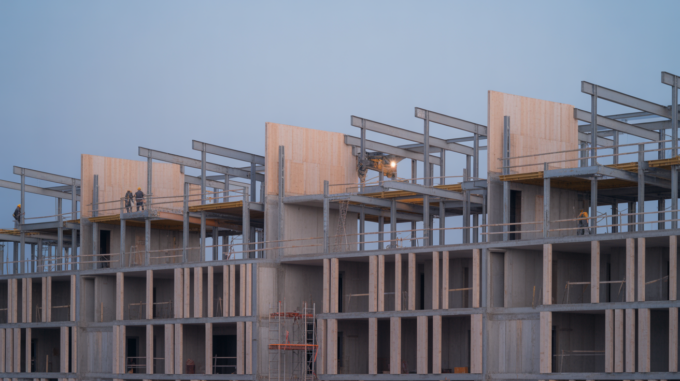
We don’t just sketch buildings: we design decisions across time. In the response phase (hours to weeks), architecture informs site triage, safe circulation, and temporary layouts for shelters and clinics. Recovery (weeks to years) is where we transition from tarps to timber frames, from generators to grid-tied microgrids. Mitigation is the throughline, every choice doubles as risk reduction: elevating floor levels, using flood-durable materials, orienting buildings to shed wind, and planning redundancy into lifelines.

Roles Across Scales: Building, Block, and City
At the building scale, we focus on life-safety, habitability, and fast repairs. At the block scale, we plan shared utilities, shaded public space, and clear evacuation routes. At the city scale, we work with planners and engineers to realign growth away from high-hazard zones, reinforce critical corridors, and stage land for temporary housing that can convert to permanent use. Good disaster recovery architecture threads these scales so each decision adds up instead of working at cross-purposes.
Principles for Post-Disaster Design
Safety and Structural Resilience
We start with what keeps people alive: continuous load paths, ductile detailing, uplift resistance, and connections that don’t fail first. Materials matter, flood-compatible finishes, impact-rated openings, firewise assemblies. We prefer repairable systems: sacrificial claddings, raised MEP, and accessible service runs that simplify future interventions.

Speed, Flexibility, and Scalability
Speed isn’t a luxury: it’s humane. We specify components that can be sourced locally or swapped when supply chains hiccup. Modular kits, standard spans, and repeatable details let crews scale up quickly. Flexibility means shelters that convert to classrooms, or clinics that expand into neighborhood health hubs without redesigning from scratch.
Equity, Culture, and Heritage
Recovery that ignores culture erodes trust. We co-design with residents so layouts reflect how families cook, pray, or gather. We protect heritage elements when safe, stone thresholds, street patterns, sacred trees, because memory is infrastructure too. Equity shows up in shaded queuing areas, accessible facilities, and siting that avoids pushing vulnerable groups to hazard-prone edges.
The First 90 Days: From Assessment to Shelter
Rapid Damage Assessment and Triage
Within days, we help map damage levels: safe to occupy, repairable, or condemned. Simple field guides, door tags, color-coded maps, QR-linked forms, keep teams aligned. We prioritize critical facilities (hospitals, water plants, schools-as-shelters) and identify buildings that can be stabilized with minimal shoring or roof patches to stop further loss.

Transitional Shelters and Essential Services
People need privacy, light, ventilation, and the dignity of a lockable door. We plan sites so shelters sit above flood lines, with drainage, lighting, and clear paths for aid delivery. Essential services, potable water, sanitation blocks, charging points, Wi‑Fi hotspots, are laid out to reduce cross-contamination and bottlenecks. We use modular shelter systems or locally built frames with tarpaulins and insulated panels, designing bay sizes to accept future wall infill for permanent upgrades.
Adaptive Reuse and Minimal-Intervention Repairs
Gyms, community halls, and warehouses can convert rapidly with partitions, ramps, and portable HVAC. For homes, we target low-cost, high-impact fixes: roof sealing, window replacement, raised electrics, cross-ventilation, and mold remediation protocols. We document every quick fix so insurance, permitting, and future contractors can continue without rework.
Rebuilding for the Long Term
Hazard-Adapted Housing and Infrastructure
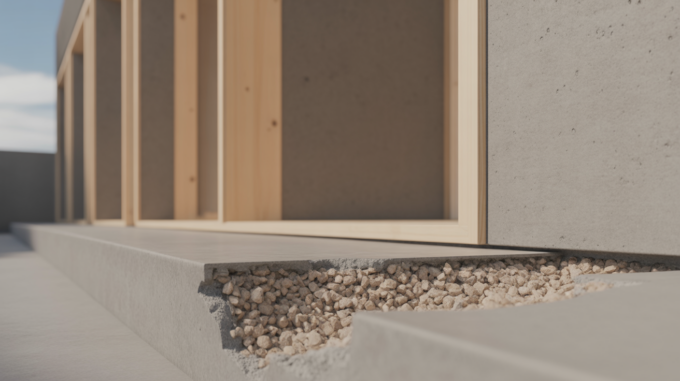
We design to specific hazards, not averages. In flood zones: elevated structures, breakaway walls, amphibious foundations where feasible, and flood-compatible ground floors. In seismic regions: light roofs, regular plans, confined masonry or engineered timber, and restrained nonstructural components. For wind: compact forms, hip roofs, continuous strapping, and protected openings. Infrastructure follows suit, distributed energy, raised substations, looped water networks, and safe-to-fail drainage.

Retrofitting and Incremental Upgrades
Rebuilding isn’t always a teardown. We stage retrofits so households can afford upgrades over time, add ring beams now, roof bracing next season, window protection before storm season. Pattern books, standard details, and community training help local masons deliver consistent quality.
Nature-Based and Passive Strategies
Mangroves, dunes, urban tree canopies, and wetlands buffer hazards and cool heat islands. We pair them with passive design: orientation, shading, night-flush ventilation, and thermal mass. The payoff is lower operating cost, less generator time, and buildings that stay habitable longer during outages.
Navigating Policy, Supply, and Funding
Codes, Standards, and Build-Back-Better Mandates
We align with updated hazard maps and adopt performance-based targets where prescriptive codes lag. “Build back better” isn’t a slogan, it’s a procurement and detailing standard that requires verifiable improvements in risk reduction, not just like-for-like replacement.
Local Materials, Labor, and Supply Chains
Local timber, masonry units, and earth-based systems shorten lead times and inject money into the community. We prequalify alternates early, if plywood runs out, what’s the next option? Training local crews on resilient detailing multiplies speed and keeps knowledge in place.

Funding Models and Procurement Pathways
Blending relief grants, insurance, and resilience bonds can unlock scale. We structure packages so early works (debris removal, stabilization) dovetail into permanent scopes. Transparent bill-of-quantities, unit-rate contracts, and open-book pricing reduce delays and help small contractors compete.
Conclusion
Architecture’s role in disaster recovery is part triage, part systems thinking, and part cultural stewardship. When we design for speed and dignity today, and for risk reduction tomorrow, we shorten the road back. The goal isn’t just to rebuild: it’s to return people to safer, more livable neighborhoods that still feel like home.
- architectural recovery services
- architectural solutions for disasters
- architecture disaster response
- architecture for climate disasters
- architecture for resilience
- architecture in disaster recovery
- building resilience architecture
- disaster impact architecture
- disaster recovery architecture
- disaster recovery infrastructure
- disaster recovery planning architecture
- emergency architecture services
- green architecture in disaster recovery
- mitigation architecture design
- natural disaster architectural solutions
- post-crisis architectural design
- post-disaster architecture
- recovery architecture services
- resilient architecture design
- sustainable disaster recovery design







Leave a comment