


Table of Contents Show
In today’s fast-paced world, architectural animation has emerged as a game-changer in the design and presentation of architectural projects. It breathes life into static designs, allowing us to visualize spaces in a dynamic way that traditional methods simply can’t match. By combining artistry with cutting-edge technology, we can create immersive experiences that engage clients and stakeholders like never before.
As we explore the fascinating realm of architectural animation, we’ll uncover its benefits, techniques, and the latest trends driving this innovative field. From stunning walkthroughs to captivating 3D visualizations, architectural animation not only enhances our understanding of a project but also elevates the overall design process. Join us as we delve into how this powerful tool is transforming the way we conceive and communicate architectural ideas.

Overview of Architectural Animation
Architectural animation transforms architectural designs into engaging visual experiences, showcasing projects with realistic movement and interaction. This medium uses advanced technologies, like computer-generated imagery (CGI), to create dynamic representations of buildings and spaces.

Architectural animation offers multiple benefits. First, it enhances communication among stakeholders, providing clear visual context for architects, clients, and investors. Second, it facilitates better design decision-making, as animations reveal design flaws or potential improvements before construction begins. Third, it serves as a powerful marketing tool, captivating potential buyers and investors by vividly illustrating the project’s features.
The process of creating architectural animation involves several key techniques. 1. 3D Modeling: Designers create detailed three-dimensional models of the project. 2. Texturing and Lighting: Artists apply textures and lighting to simulate real-world conditions, enhancing realism. 3. Animation: Designers animate the models to depict movement, such as people walking or cars driving. 4. Rendering: Finally, rendering combines all elements into a cohesive visual experience.
Current trends reflect on the evolving capabilities of architectural animation. We observe an increasing focus on virtual reality (VR) and augmented reality (AR), enabling immersive experiences that allow clients to explore designs interactively. Additionally, more professionals adopt real-time rendering technologies, which significantly cut down production times and enhance flexibility during design alterations.
Architectural animation merits attention for its critical role in modern architectural practices, influencing how we present and perceive design concepts.
Importance of Architectural Animation
Architectural animation significantly enhances how we present and understand design concepts. This method transforms static blueprints into engaging, lifelike visualizations that benefit a range of stakeholders.

Visual Communication
Visual communication improves by utilizing architectural animation. Animations convey complex ideas more effectively than static images or drawings. They allow us to showcase movement, materials, and spatial relationships. By presenting our designs in a dynamic format, we foster better understanding among clients, investors, and teams. Clear visual storytelling reduces misinterpretations and aligns expectations, enhancing collaborative efforts across different project phases.
Project Visualization
Project visualization benefits immensely from architectural animation. Animations provide detailed insights into a project’s final appearance and functionality. We can highlight specific features like landscaping, lighting, and interior layouts. This clarity aids clients in making informed decisions, ensuring our designs meet their visions. Additionally, immersive experiences offered by VR and AR technologies bring projects to life, allowing users to navigate designs before construction begins. Consequently, we minimize design changes and increase project efficiency.
Techniques Used in Architectural Animation
Architectural animation employs various techniques to create stunning visual narratives. Key methods include 3D modeling, rendering, texturing, and animation, each contributing to a comprehensive presentation of architectural concepts.

3D Modeling
3D modeling forms the foundation of architectural animation. This technique involves creating digital representations of structures, enabling us to visualize complex architectural geometries in three-dimensional space. We utilize software like Autodesk Revit, SketchUp, and Blender to build accurate models that reflect design specifications. Detailed elements, such as walls, roofs, and interiors, get accurately represented, ensuring realism. Incorporating site topology and landscaping in the model enhances the contextual understanding of the project, allowing stakeholders to grasp spatial relationships clearly.
Rendering
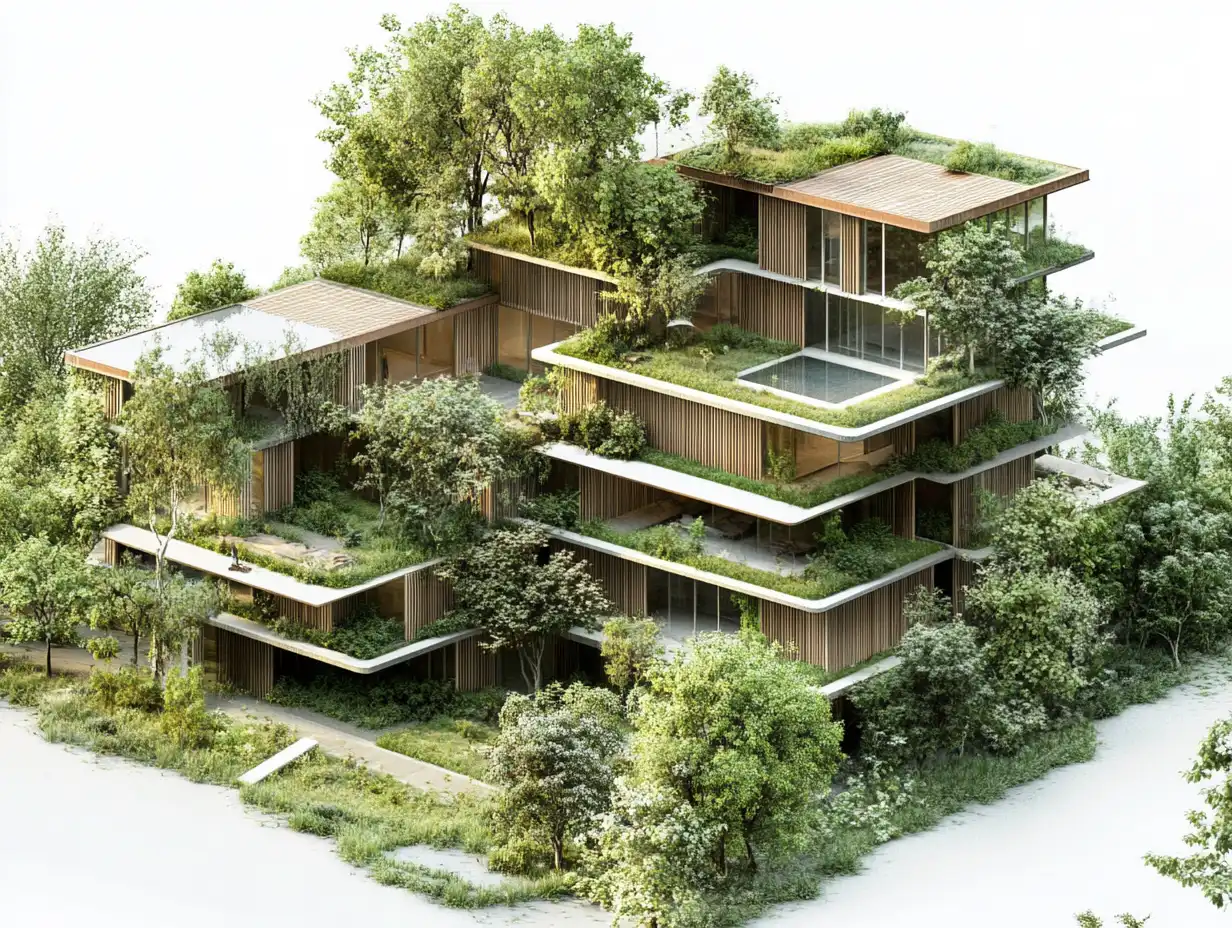
Rendering is the process of generating a 2D image from a 3D model, where we bring our architectural designs to life. High-quality renderings showcase materials, lighting effects, and shadows, making projects visually compelling. We often implement software like V-Ray, Corona Renderer, and Lumion for photorealistic outcomes. Different rendering techniques, such as ray tracing and rasterization, enhance visual fidelity depending on project requirements. By simulating natural light and textures, rendering not only enhances aesthetic appeal but also demonstrates how the structure integrates with its surroundings, crucial for stakeholder presentations and marketing purposes.
Software Tools for Architectural Animation
Architectural animation relies on various software tools that facilitate the creation of stunning visual representations. These tools enhance our ability to present architectural designs dynamically and effectively.

Popular Software Options
- Autodesk Revit
Autodesk Revit enables comprehensive building information modeling (BIM), integrating architectural design with detailed structural and MEP elements.
- SketchUp
SketchUp offers user-friendly 3D modeling with an extensive library of assets, allowing for rapid development of conceptual designs and their animations.
- Blender
Blender stands out for its open-source nature, providing powerful modeling, texturing, and rendering capabilities suited for detailed architectural animations.
- V-Ray
V-Ray functions as a rendering extension compatible with various modeling software, producing photorealistic images with accurate lighting and material representation.
- Lumion
Lumion excels in real-time rendering and visualization, enabling quick production of high-quality animations and immersive environments that enhance client presentations.
- Corona Renderer
Corona Renderer integrates seamlessly with 3D models to elevate the quality of visual outcomes, focusing on ease of use while maintaining high-end rendering performance.
Emerging Technologies
- Virtual Reality (VR)
VR technology immerses clients in 3D environments, allowing real-time exploration of designs. This interactive experience enhances understanding and engagement.
- Augmented Reality (AR)
AR overlays digital models onto the real world, enabling stakeholders to visualize architectural elements in their intended context. This technology aids in immediate feedback.
- Real-Time Rendering Engines
Tools like Unreal Engine offer real-time rendering capabilities, transforming the way we present designs by enabling instant adjustments and updates to animations.
- Artificial Intelligence (AI)
AI-driven algorithms assist in automating tasks such as lighting setups, which speed up the animation process and enhance creative possibilities.
- Cloud-Based Collaboration
Cloud-based platforms facilitate remote collaboration, allowing teams to work together on architectural animations from any location, improving efficiency and productivity.
These software options and emerging technologies revolutionize architectural animation, making it more dynamic and accessible for project stakeholders.
Applications of Architectural Animation
Architectural animation serves various industries, enhancing understanding and engagement. This section outlines key applications, focusing on real estate marketing and urban planning.

Real Estate Marketing
Architectural animation plays a vital role in real estate marketing. We create immersive visual experiences that allow potential buyers to explore properties before construction begins. These animations highlight unique architectural features, interior layouts, and surrounding environments, providing a compelling narrative that static images cannot convey.
Our 3D animated walkthroughs showcase properties effectively, enhancing online listings and promotional materials. With captivating visuals, we can engage clients emotionally and increase their interest, leading to faster sales cycles. We leverage animations as presentation tools in investor meetings and open houses, making it easier to communicate the value of developments clearly. The dynamic nature of architectural animations captivates audiences, enabling real estate professionals to stand out in a competitive market.
Urban Planning
Architectural animation significantly benefits urban planning by visualizing complex projects. We create detailed animations that represent proposed developments, allowing stakeholders to assess designs within their urban context. These visualizations facilitate public engagement, helping community members understand planned changes and express their concerns effectively.
Our animations illustrate the impact of new developments on traffic patterns, green spaces, and infrastructure. By demonstrating how proposed projects integrate with existing environments, we enhance discussions around zoning, land use, and community amenities. This clarity promotes collaboration among planners, developers, and community members, streamlining the approval process and fostering transparency. In urban planning, architectural animations serve as powerful tools for effective communication and informed decision-making.
Conclusion
Architectural animation significantly transforms the design and presentation of architectural projects. It enhances our ability to communicate complex ideas effectively, allowing stakeholders to visualize movement, materials, and spatial relationships. Through immersive storytelling, we reduce misinterpretations and align expectations, improving collaboration throughout project phases.
The tools and technologies we utilize, including software like Autodesk Revit, SketchUp, and Blender, along with rendering engines like V-Ray and Corona Renderer, elevate the quality of our animations. Real-time rendering tools like Lumion provide immediate visual feedback, further enriching client presentations. Emerging technologies such as VR and AR immerse clients in designs, allowing them to experience projects in a way traditional methods cannot.
The applications of architectural animation extend across industries. In real estate marketing, animations enhance listings and captivate potential buyers, accelerating sales cycles. In urban planning, they facilitate public engagement and promote transparency, showcasing the impact of developments on existing environments.
Overall, architectural animation revolutionizes how we communicate architectural ideas, ensuring profound understanding and appreciation among clients, investors, and teams. Our commitment to embracing these advancements positions us at the forefront of modern architectural practice.
- 3D animation for architects
- 3D architectural visualization
- animation in architecture
- architectural animation
- architectural animation applications
- architectural animation benefits
- architectural animation company
- architectural animation projects
- architectural animation services
- architectural animation software
- architectural animation techniques
- architectural design visualization
- architectural rendering techniques
- benefits of architectural animation
- design transformation
- visualization for architecture









Leave a comment