



Table of Contents Show
Architecture schools are unlike any other academic environment. The combination of design studios, technical coursework, late-night model-making sessions, and public critiques creates a pace that catches many new students off guard. Knowing what to expect and building the right foundations before you arrive gives you a genuine advantage from the very first week.
What Makes Architecture School Different From Other Programs?
Most university programs ask you to read, write, and sit exams. Architecture schools ask you to think spatially, defend your ideas in front of a room full of critics, and produce physical and digital work to tight deadlines. Studio culture is central to the experience. You will spend long hours alongside your classmates developing designs from rough sketches to refined presentations, and much of the feedback you receive will be public.
The workload is genuinely heavy. Students typically balance design studio, architectural history, structures, environmental systems, and drawing courses all at once. Those who arrive having already developed some foundational habits, such as daily sketching, basic software familiarity, and solid time management, tend to adapt more quickly and produce stronger early work.
⚠️ Common Mistake to Avoid
Many incoming architecture students assume that natural drawing talent is a prerequisite. It is not. What schools are actually evaluating from the start is your ability to observe carefully, think critically, and communicate ideas visually. A student who sketches deliberately every day for three months before starting will outperform a naturally talented peer who has done nothing to prepare. Consistent practice beats innate ability at this stage.
How to Research and Choose the Right Architecture School
Before you can prepare for architecture school, you need to choose one that fits your goals. All accredited architecture schools are not the same. Programs vary considerably in their design philosophy, faculty expertise, studio culture, and career outcomes.
Start with accreditation. In the United States, look for programs accredited by the National Architectural Accrediting Board (NAAB). In the UK, the Royal Institute of British Architects (RIBA) sets the accreditation standard. Attending a non-accredited school can create complications when you pursue licensure later in your career.
Beyond accreditation, visit the schools you are seriously considering. Sit in on a studio review if possible. Talk to current students, not just admissions staff. Ask where recent graduates are working and whether the program has strong connections to local or international firms. The faculty list matters too: research whether professors are active practitioners or primarily academics, since both bring different strengths to a program.
For a deeper look at what separates strong programs from the rest, the architecture education tips guide on Learn Architecture covers the skills and strategies that help students thrive once they are enrolled.
📌 Did You Know?
According to the National Architectural Accrediting Board, there are currently 136 NAAB-accredited architecture programs across the United States. Of these, roughly half offer a professional Bachelor of Architecture (B.Arch) degree, while the remainder offer Master of Architecture (M.Arch) programs. Understanding which degree path you are entering matters because it affects both the length of your studies and the route to licensure.
Building Your Drawing and Sketching Foundation
Sketching is the primary language of architectural thinking. Before you arrive at school, start drawing every day. You do not need to produce polished work. The goal is to train your eye to observe proportion, shadow, depth, and spatial relationships.
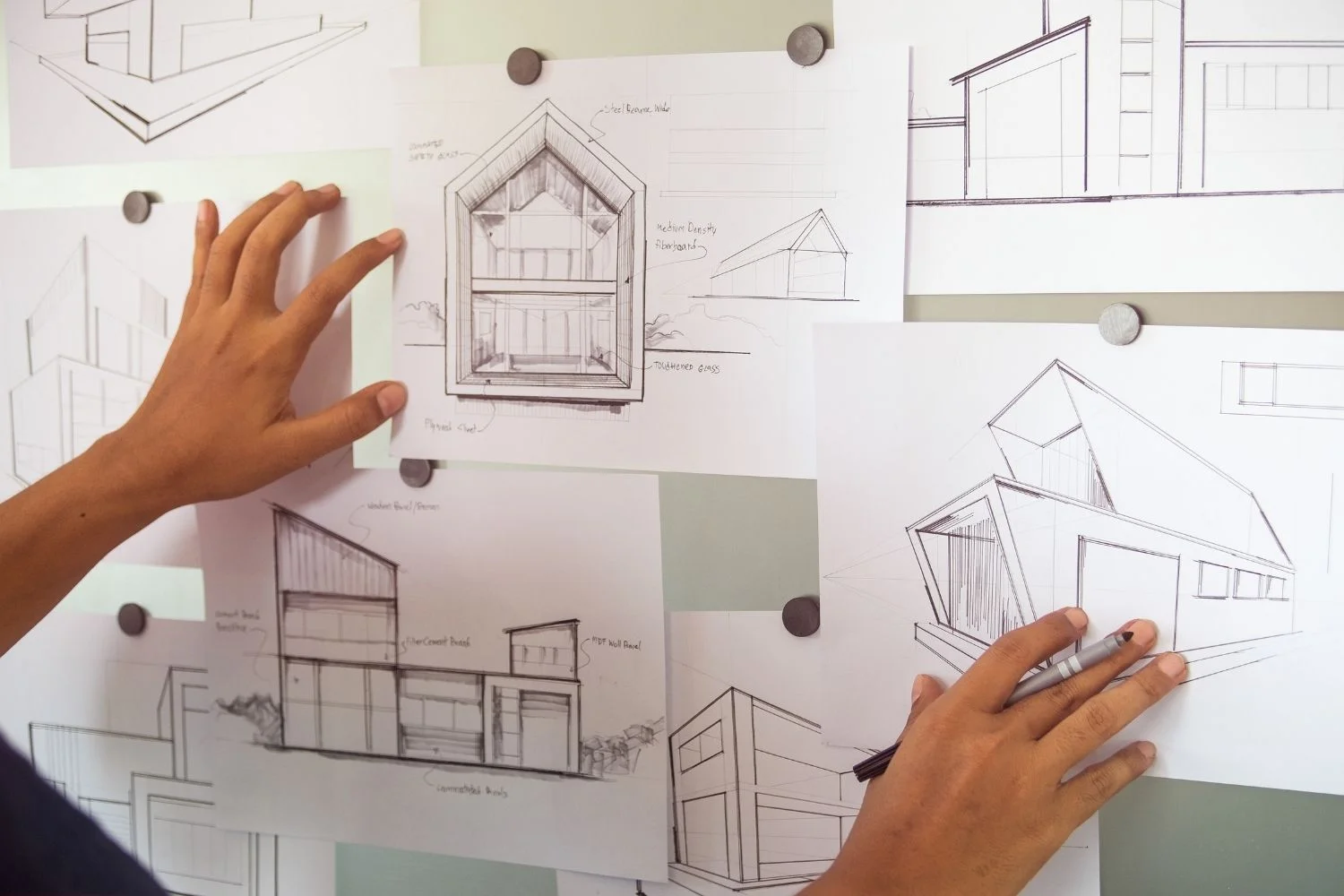
Begin with observational drawing. Sit in front of a building, a room, or a simple object and draw what you see. Focus on getting proportions right before worrying about style or finish. Move into perspective drawing once you are comfortable with basic forms. One-point perspective is the logical starting point for interior spaces, while two-point perspective suits building exteriors more naturally.
From there, practice drawing floor plans and simple sections. Even rough, hand-drawn diagrams help you start thinking architecturally rather than decoratively. The architectural sketching and drawing techniques guide on this site walks through these fundamentals step by step.
💡 Pro Tip
Keep a small sketchbook with you at all times during the months before school starts. Set a personal rule: draw something every day, even if it is just a five-minute study of a doorframe or a chair. Architecture students who arrive with hundreds of pages of sketchbook work already built into their habit pattern find studio life far less intimidating than those starting from scratch.
What Software Should You Learn Before Architecture School?
Most architecture schools introduce software in the curriculum, so you are not expected to arrive as an expert. That said, having some working familiarity with the core tools will free up mental bandwidth during your first semester, when you will already be absorbing a great deal of new information.
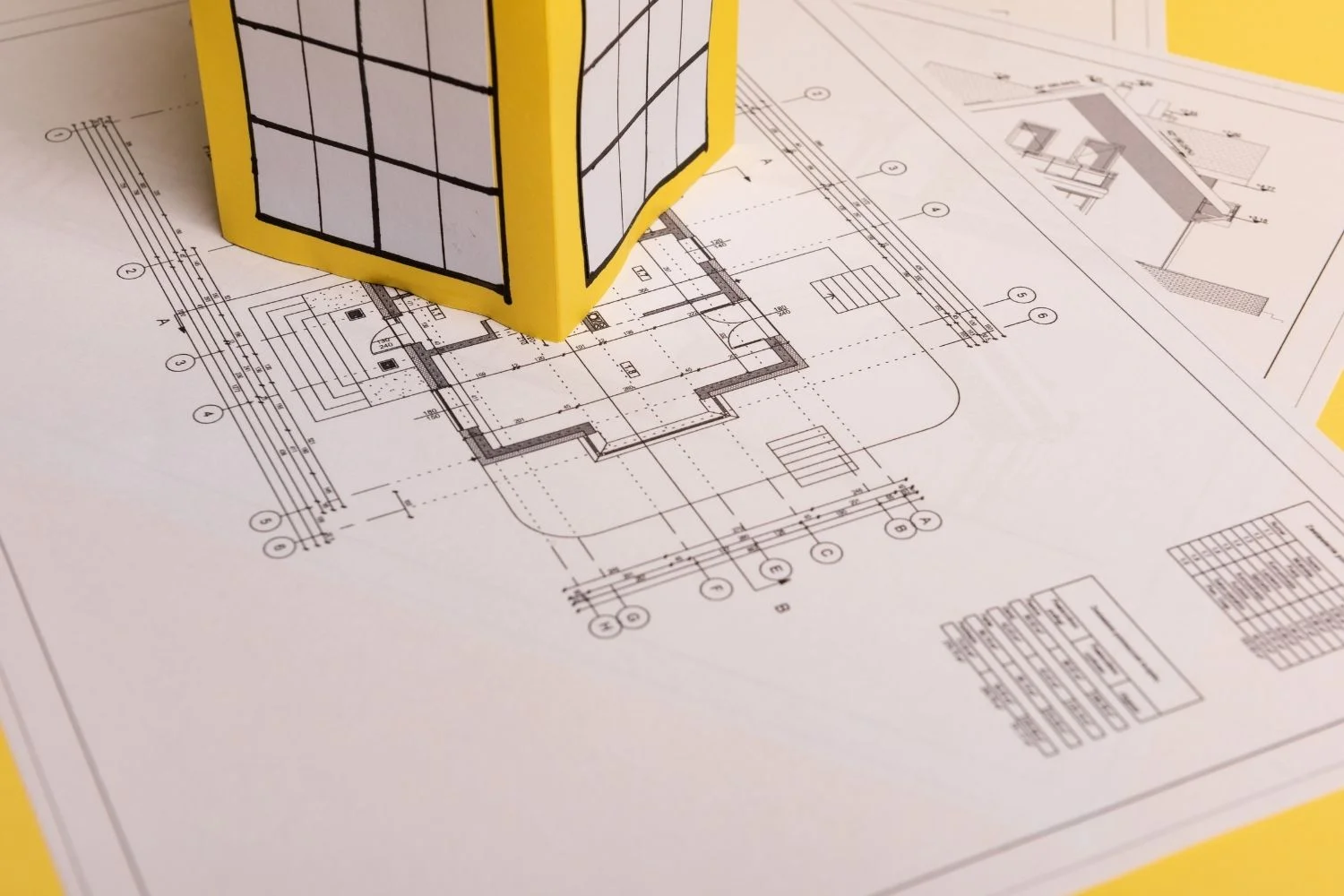
AutoCAD remains a standard in the industry for technical drafting. A basic understanding of how layers, line weights, and drawing commands work will serve you in almost every school. SketchUp is widely used for quick 3D massing studies and is relatively easy to pick up independently. Rhino is more advanced and used heavily in programs with a strong computational design focus. Adobe Photoshop and InDesign are essential for presentation work and portfolio layout.
Start with SketchUp and basic AutoCAD. Both have free learning resources online and will give you the clearest return on your preparation time. Avoid trying to master everything before school starts. Depth in two tools is more useful than shallow exposure to ten.
Building a Pre-Application Portfolio

If you are applying to architecture programs that require a portfolio, your preparation needs to start well before the deadline. Schools of architecture use the portfolio to assess spatial thinking, creative problem-solving, and visual communication, not just artistic skill.
A strong admissions portfolio does not need to consist of architectural drawings. Photography, painting, sculpture, product design, and other creative work all demonstrate the underlying skills schools are looking for. The key is selection and presentation. Choose work that shows a range of thinking, include brief written statements that explain your process, and ensure the overall layout reads clearly.
For students already at the stage of preparing academic or professional portfolios, the architecture portfolio guide and the overview of best projects to include in an architecture student portfolio both offer practical direction on what to include and how to frame it.
🎓 Expert Insight
“The portfolio is not a collection of your best drawings. It’s evidence that you can think through a problem and communicate a response.” — American Institute of Architects (AIA) guidance on student portfolios
This distinction matters for preparation. Incoming students who spend their pre-school time developing one or two genuine design projects, from brief through to resolved outcome, tend to build portfolios that read with more clarity than those who simply compile decorative artwork.
Developing the Habits That Sustain Architecture Students
Architecture school is a long-duration effort. The students who perform well are not always the most talented at the start. They are the ones who manage their time effectively, recover quickly from criticism, and maintain enough physical and mental energy to sustain consistent output over months and years.
Start building time management habits before school begins. Architecture schedules are not structured the way most students expect. You will have fewer formal contact hours than many other programs, but the independent studio work will fill the gaps entirely. Learning to break large projects into daily tasks, and to work on design problems incrementally rather than in last-minute bursts, makes a significant difference to both the quality of the work and the sustainability of the experience.
Sleep and physical routine matter more than most students admit. Late-night studio sessions are part of the culture, but students who treat every night as an all-nighter tend to burn out by the third or fourth year. Building a baseline of physical activity and sleep discipline before school starts gives you something to draw on when the pressure peaks.
💡 Pro Tip
Before school starts, practice working on a single creative project for three to four hours without switching tasks. Architecture studio requires sustained, focused attention on one problem. Students who arrive accustomed to short, fragmented work sessions find the transition to long studio blocks harder than the technical content itself.
Reading Architecture Before You Study It
Arriving with some familiarity with architectural history and theory gives you a frame of reference that makes first-year lectures far more meaningful. You do not need to read extensively, but a few well-chosen books can do a great deal.
101 Things I Learned in Architecture School by Matthew Frederick is genuinely useful as a starting point. It translates complex ideas about space, proportion, and design thinking into short, accessible lessons. Experiencing Architecture by Steen Eiler Rasmussen teaches you to notice how spaces feel and why, which is exactly the kind of sensory intelligence architecture schools try to develop. A Pattern Language by Christopher Alexander is more demanding but rewards careful reading with a genuine understanding of how human needs shape built environments.
Beyond books, start reading publications like ArchDaily and Dezeen regularly. Follow practices whose work interests you. Build up a mental library of references before you need to call on them in a critique.
A broader reading list developed specifically for students at different levels is covered in the architecture books for beginners and experts guide.
Understanding Studio Culture Before You Walk Into It

Studio culture is the social and working environment that defines the daily life of architecture students. It is collaborative, competitive, exhausting, and often deeply rewarding. Understanding what it involves before you arrive helps you enter it with the right expectations.
Critiques, often called crits, are public reviews where you present your work in front of your peers, tutors, and sometimes external guests. You explain your design decisions and receive direct, often blunt feedback. New students frequently find this confronting. The preparation for it is simply practice: get used to explaining your thinking out loud, even to friends or family, so that the format of a crit does not add to the pressure of the content.
Studio space is shared. Your habits around organisation, noise, and collaboration affect the people around you. Arriving with a generous, curious approach to other people’s work, rather than a competitive or isolated one, tends to produce better outcomes for everyone.
Financial Preparation and Scholarship Research
Architecture school involves ongoing costs beyond tuition. Model-making materials, printing, software licences, and site visit travel all add up across a five-year program. Budgeting for these before you start reduces the pressure during the semester when deadlines and costs tend to coincide.
Scholarship research should begin well before application deadlines. Many awards are available specifically for architecture students, including merit-based scholarships from schools themselves, professional organisations like the AIA, and private foundations. Preparation for scholarship applications often overlaps directly with portfolio preparation, since strong creative work supports both.
For a structured overview of funding options, the architectural scholarships guide covers a range of opportunities for students at different stages of their education.
✅ Key Takeaways
- Architecture schools reward preparation. Students who arrive with daily drawing habits, basic software familiarity, and a time management system adapt faster and produce stronger early work.
- Accreditation matters for your career. In the US, choose NAAB-accredited schools; in the UK, look for RIBA-validated programs to ensure your degree supports future licensure.
- Portfolio preparation is not about collecting pretty drawings. It should demonstrate your design thinking process, from initial problem to resolved response.
- Studio culture involves public critique. Practicing how to explain your decisions out loud before you arrive reduces the social pressure of crits significantly.
- Scholarship research should start early. Many funding opportunities require the same portfolio and written work you will prepare for school applications anyway.
Frequently Asked Questions
How early should I start preparing for architecture school?
Ideally, preparation starts at least six months before your program begins. Building drawing habits, exploring software basics, and assembling a portfolio all take time that cannot be compressed into a few weeks. If you have a year or more, use the additional time to read widely and visit buildings with deliberate attention to how they are put together.
Do I need to know how to draw well before starting architecture school?
No. Architecture schools teach drawing as part of the curriculum. What matters far more than finished drawing ability is the habit of observing and sketching consistently. Students who draw regularly, even at a basic level, develop spatial awareness faster than those who wait until school to start.
What software is most important to learn before architecture school?
SketchUp and AutoCAD are the most practical tools to start with. Both are widely used across schools, both have free or low-cost entry-level access, and familiarity with them reduces the learning curve during your first semester. Rhino, Revit, and Adobe Creative Suite are also worth exploring, but they are less urgent before your first year.
How do I choose between different architecture schools?
Start with accreditation, then look at studio culture, faculty backgrounds, software and workshop facilities, and alumni career outcomes. Visit in person if possible. Talk to current students rather than relying solely on official information, since the day-to-day experience of a program often differs from its marketing materials.
What should an architecture school portfolio include at the application stage?
Strong admissions portfolios typically include a mix of creative work that demonstrates spatial thinking and design process. This can include architectural drawings, but also photography, painting, product design, or any work that shows how you approach and resolve a creative problem. Include process work alongside finished pieces, and add brief written notes that explain your thinking for each project.













Leave a comment