


Table of Contents Show
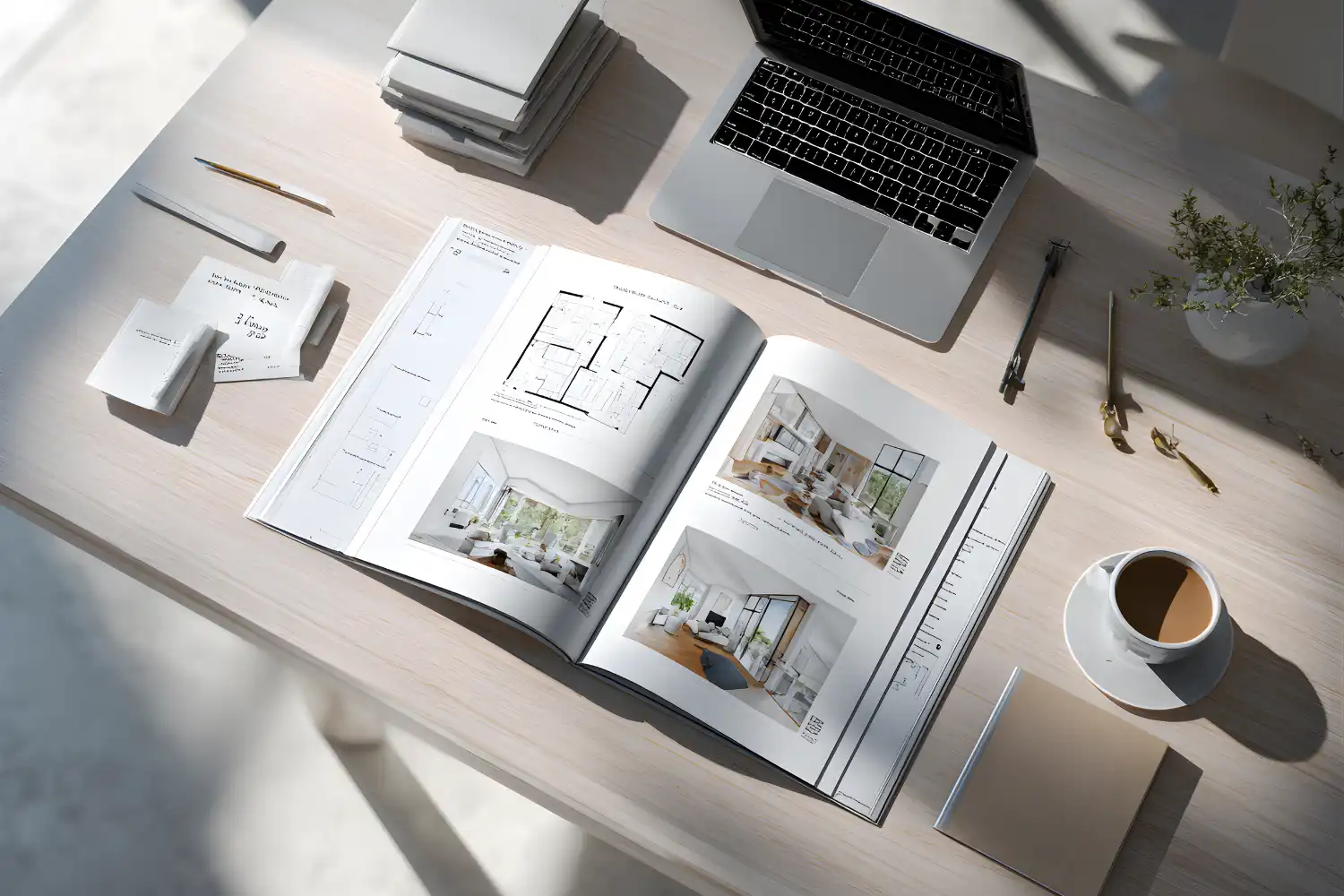
An architecture portfolio is a visual document that presents your design skills, technical abilities, and creative thinking to potential employers, clients, or academic programs. A well-built portfolio tells a clear story about who you are as a designer, while a weak one can bury even the strongest work behind poor layout choices and unfocused project selection.
Your architecture portfolio is one of the few documents where your design ability is being judged before you even walk into a room. Firms typically spend less than 30 seconds on an initial review, which means every page needs to pull its weight. The projects you select, the order you place them in, the typography, the white space, and even the paper stock all communicate something about your attention to detail and design sensibility. This guide covers the practical steps that separate portfolios that open doors from those that get passed over.
What Makes a Strong Architectural Design Portfolio
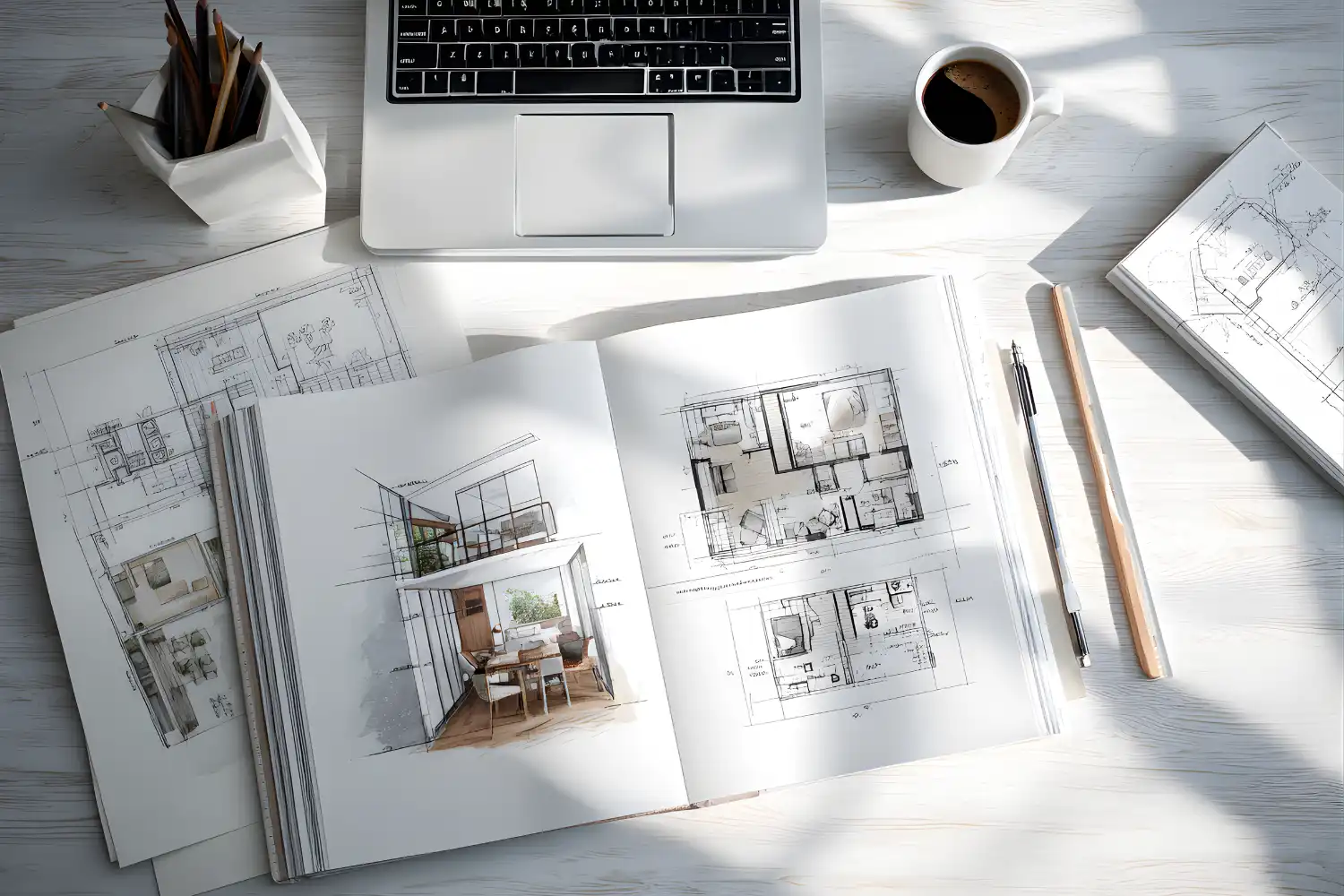
A strong architectural design portfolio does three things at once: it proves you can design, it shows you can communicate, and it hints at the kind of architect you want to become. The best portfolios treat the document itself as a design project, not just a container for images.
Start by defining your audience. If you are applying to a firm that specializes in residential work, your portfolio should lead with residential projects. If you are targeting a large corporate practice, technical drawings and construction details carry more weight than conceptual sketches. According to ArchDaily’s portfolio tips, tailoring your content for each opportunity is one of the most effective strategies you can adopt.
Quality always beats quantity. Four to six well-documented projects will leave a stronger impression than twelve rushed ones. Each project should show enough depth that the viewer understands your process, from initial concept through to resolved design. Include site analysis, early sketches, development drawings, and final renders or photographs to tell the complete story.
💡 Pro Tip
Experienced hiring managers at firms like OMA and BIG have noted that they can spot a strong candidate within the first three spreads. Place your most impressive project first, not buried in the middle. If that opening project does not grab attention, the rest of the portfolio may never get reviewed.

How to Select Projects for Your Architecture Portfolio
Project selection is where most architecture portfolios succeed or fail. The goal is not to show everything you have ever done. Instead, pick projects that highlight different strengths and scales.
For students, a good mix typically includes two to three studio projects at different scales (residential, cultural, mixed-use), one thesis or capstone project, and at least one set of technical drawings that demonstrate construction knowledge. Firms pay close attention to your ability to produce wall sections, construction details, and assembly drawings because these prove you understand how buildings actually get built.
For professionals, the balance shifts toward completed or under-construction projects. Include projects where your contribution was significant and clearly defined. If you worked on a large team project, specify your exact role. Reviewers want to know what you did, not just what the firm produced.
Each project should represent a different aspect of your capability. If all six projects are residential apartments rendered in the same software, the portfolio feels one-dimensional. Vary the project type, the representation style, and the level of technical detail across your selections.
⚠️ Common Mistake to Avoid
Many candidates include every project they have ever completed, assuming more is better. This approach backfires. Reviewers interpret an overstuffed portfolio as a sign that you cannot edit or prioritize, which are critical skills in practice. Be ruthless with your selection and only keep what genuinely represents your best thinking.
Architecture Portfolio Layout and Design Principles
Your architecture portfolio layout is itself a test of your design skills. A cluttered, inconsistent layout can overshadow even excellent project work.
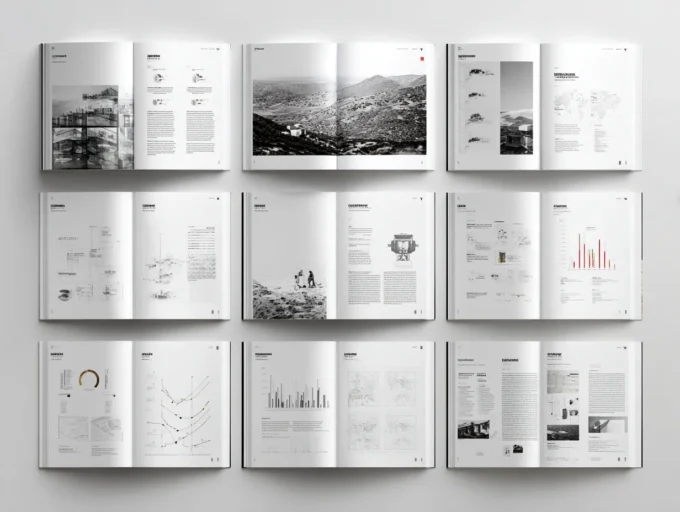
Start with a grid system. Whether you use Adobe InDesign, Figma, or another tool, establish a consistent grid that governs image placement, text alignment, and margins across every page. Choose one or two fonts and stick with them throughout the document. A defined font pairing, a limited color palette, and a repeating page structure create the visual cohesion that makes a portfolio feel professional.
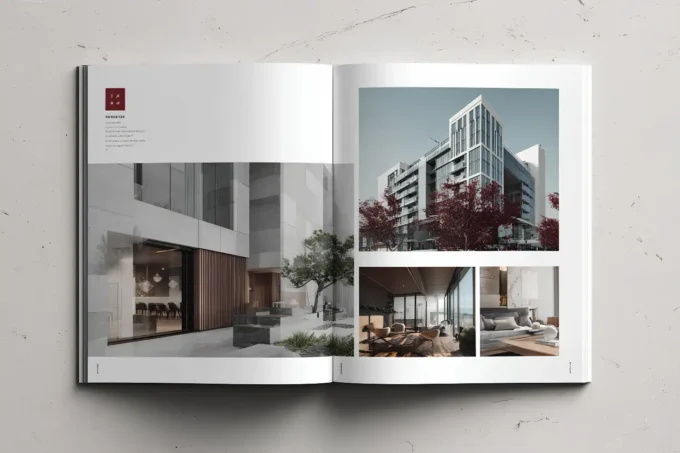
White space is your ally. Resist the urge to fill every centimeter of the page. Images need room to breathe, and generous margins between project sections signal confidence in your work. A page with three well-placed images will always read better than a page crammed with eight.
Keep text short. Brief project descriptions (two to four sentences) that explain the design problem, your approach, and the outcome are more effective than long paragraphs. Nobody reads dense text blocks in a portfolio review. Pair your written descriptions with the correct diagrams so the visual and verbal narratives reinforce each other. For guidance on structuring your content, the architecture portfolio table of contents guide covers how to organize sections for maximum clarity.
Choosing the Right Architecture Portfolio Format
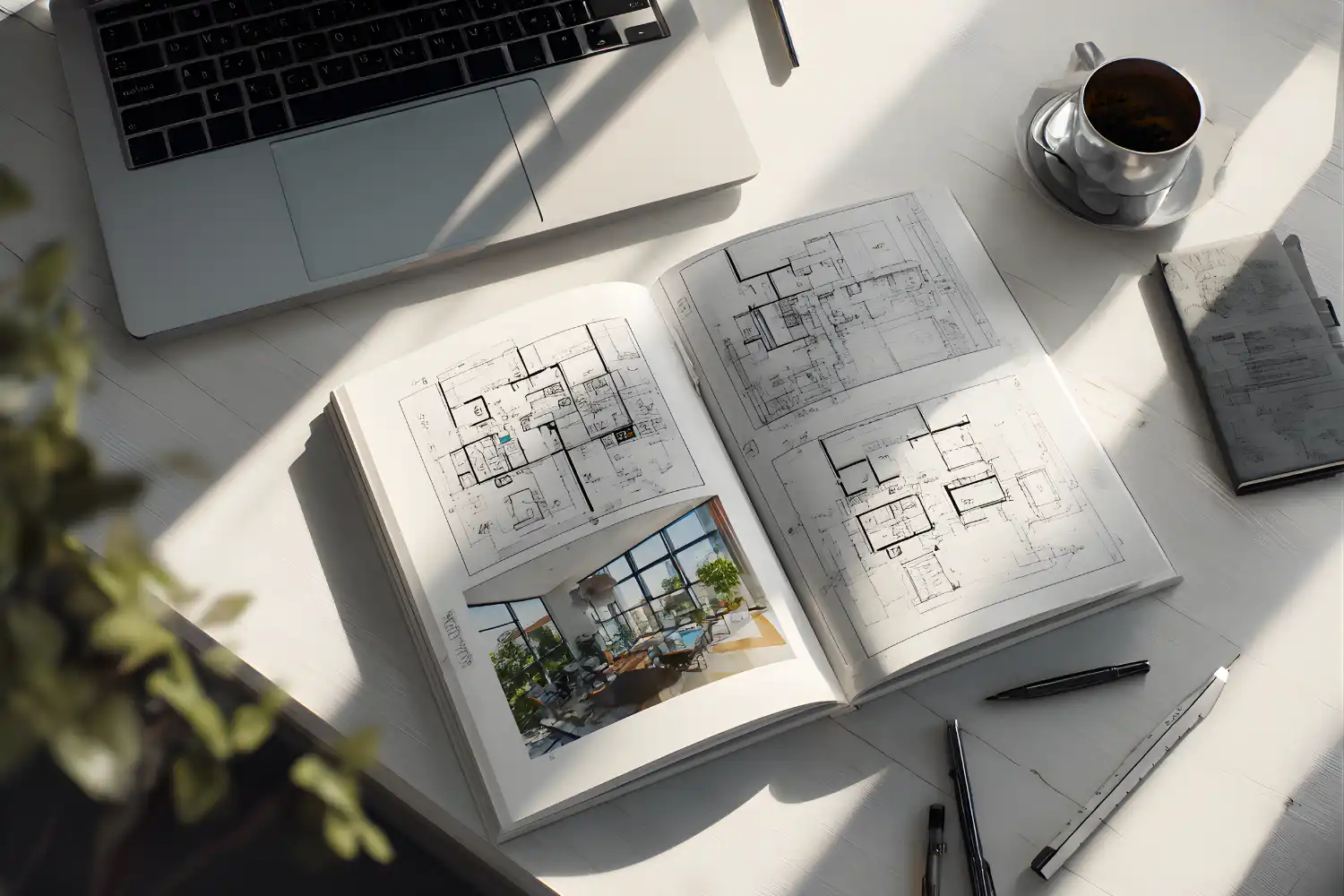
The format question comes down to audience and context. Digital portfolios (PDF or web-based) are the standard for initial submissions. They are easy to email, quick to update, and can include links or embedded media. Print portfolios still hold value for in-person interviews, where the physical quality of the document creates a tangible impression of craftsmanship.
If you go digital, keep the file size reasonable. A 200 MB PDF will frustrate anyone trying to open it. Compress images to a web-friendly resolution while keeping them sharp enough for full-screen viewing. Export at 150 DPI as a baseline for digital-only portfolios; use 300 DPI if you plan to print as well.
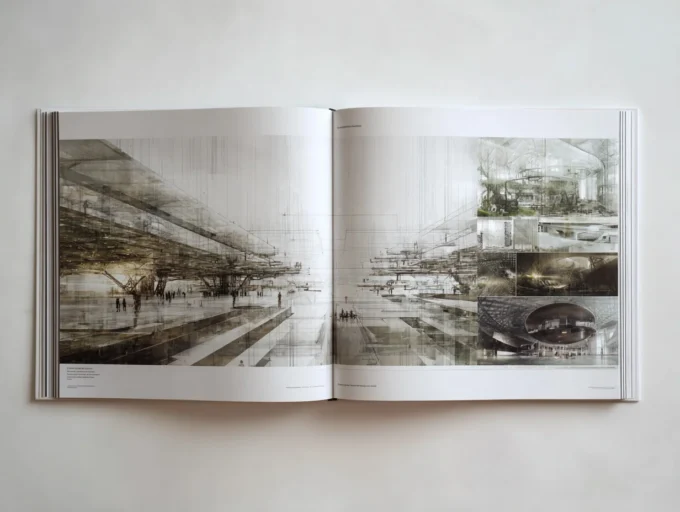
For printed portfolios, paper weight and finish matter more than most candidates realize. A coated matte paper between 150 and 200 gsm reduces glare under office lighting while still delivering strong color reproduction. Landscape orientation tends to suit architectural work well because floor plans and panoramic renders display naturally across wider spreads. If you are exploring print options in detail, the architecture portfolio printing guide breaks down binding, paper, and finishing choices by career stage.
🎓 Expert Insight
“The layout of your projects should guide the viewer through your portfolio in a logical and engaging manner. Use white space wisely to prevent clutter, allowing your work to stand out.” — Gabriel Kogan, Architect
Kogan’s advice, shared via ArchDaily’s widely referenced portfolio tips article, reinforces that portfolio design is not decoration. It is spatial organization applied to paper, and firms judge it as such.
How to Design an Effective Architectural Portfolio Cover
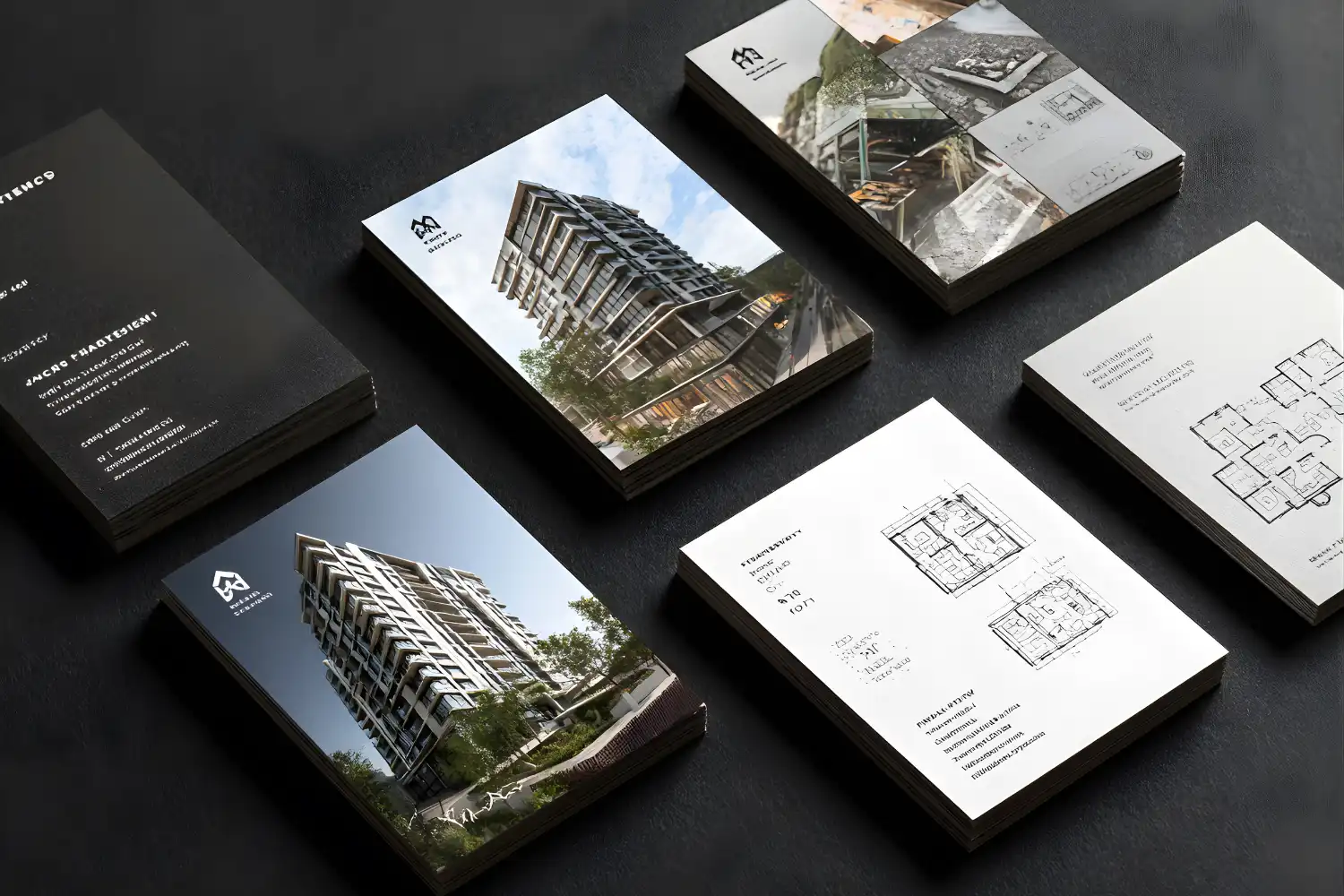
Your architectural portfolio cover sets expectations before a single project page is turned. A strong cover includes your name, a subtle project image or graphic element, and possibly your contact information. It should hint at your design sensibility without overpowering the work inside.
Avoid overly decorative covers. A cover that looks like a movie poster or uses heavy graphic effects can feel disconnected from the actual project work. The most effective covers tend to be clean, confident, and aligned with the visual language used throughout the rest of the document.
If you are not sure where to start, studying examples of top architecture portfolios can help you identify cover approaches that work. Notice how the best ones keep it simple: a strong typographic treatment, a single high-quality image, and minimal distraction.
Architecture Portfolio Design for Digital Platforms
A growing number of architects maintain online architecture portfolios alongside their PDF or print versions. Platforms like Behance and Issuu offer built-in hosting and sharing tools, while personal websites built on Squarespace, WordPress, or Cargo give you full control over the experience.
For online portfolios, loading speed and mobile responsiveness are critical. A beautifully designed portfolio that takes ten seconds to load on a phone is functionally useless. Optimize your images, limit animations, and test across devices before sharing.
Consider maintaining both a full-length PDF portfolio and a shorter online version. The online portfolio works as a first impression tool, while the PDF provides the depth needed for serious review. The architecture portfolio guide covers how to balance digital and physical formats effectively.
Video: Architecture Portfolio Mistakes to Avoid
Bennett Oh, founder of Archi Hacks and a former employee at OMA and BIG, walks through the most common portfolio errors that cost candidates interviews and offers practical fixes based on his experience reviewing portfolios at top firms.
Using an Architecture Portfolio Template
An architectural portfolio template can save significant time, especially under tight deadlines. Templates in InDesign, Figma, or PowerPoint provide pre-built grids, font pairings, and page structures that you can customize with your own content.
The risk with templates is that your portfolio ends up looking generic. To avoid this, treat the template as a starting framework rather than a finished product. Adjust the grid proportions, swap the fonts, and modify the color scheme so the final document feels like yours. A template that five hundred other applicants are also using will not help you stand out.
Free and paid templates are widely available on platforms like Behance, Etsy, and dedicated architecture resource sites. If you are a student working with limited software experience, a well-chosen template can bridge the gap between your design ideas and your layout skills.
💡 Pro Tip
If you use a template, change at least three core design elements (typeface, color palette, grid ratio) before submitting. Hiring managers at mid-to-large firms often review dozens of portfolios per week and can recognize popular templates instantly. A recognizable template signals convenience over care.
What Should an Architecture Student Portfolio Include?
An architecture student portfolio differs from a professional one in emphasis. Students are expected to show creative thinking, conceptual development, and growth over time. Firms hiring graduates are not looking for polished professional work; they are looking for potential.
A solid student portfolio typically includes studio projects (two to three at different scales), a thesis or capstone project if available, technical drawings (wall sections, construction details), hand sketches and diagrams, and one or two personal or competition entries. According to the architectural portfolio tips guide, balancing technical ability with creative thinking is what consistently impresses reviewers.
Do not underestimate the value of process work. Showing early concept sketches alongside final renders demonstrates how you move from idea to execution. This progression often matters more to reviewers than the polish of the final output alone.
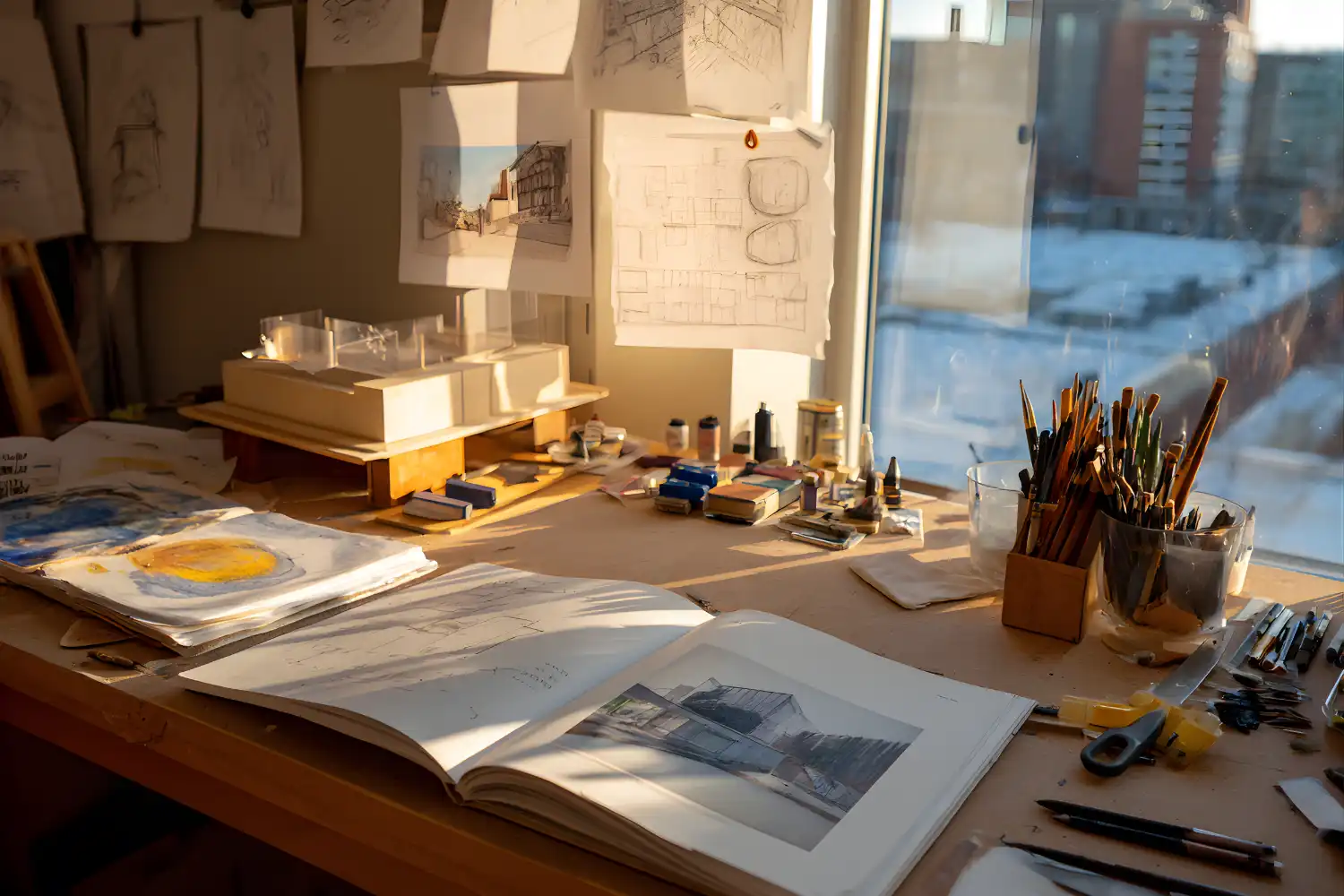
Physical model photography also deserves attention. A well-lit, cleanly composed photograph of a sectional model communicates spatial awareness in a way that digital renders sometimes cannot. Shoot against a neutral background with even lighting, and limit yourself to three or four strong images per model.
📌 Did You Know?
A 2019 survey by the American Institute of Architects (AIA) found that 87% of hiring managers at architecture firms consider the portfolio more important than the resume when evaluating entry-level candidates. The portfolio is often the deciding factor in whether a candidate receives an interview invitation.
How to Keep Your Architecture Portfolio Updated
A portfolio is not a static document. It should evolve as your skills and experience grow. Set a schedule to review and update your portfolio at least twice a year, adding new projects and removing older work that no longer represents your current abilities.
Maintain a master file (in InDesign or your layout tool of choice) that contains all your projects. When you need to submit a portfolio for a specific opportunity, duplicate the master and customize the selection for that particular audience. This approach saves time and ensures you always have a current version ready.
Document your work as you go. Photograph models before they deteriorate, export high-resolution renders before projects are archived, and keep organized folders of process work. The biggest regret for many architects is not having documented a strong project from three years ago because they assumed they would remember the details later.
For additional strategies on portfolio maintenance and presentation, the step-by-step architectural portfolio creation guide provides a structured approach to keeping your document fresh and relevant across career stages.
Final Thoughts
Building a strong architecture portfolio is a design project in itself. It requires the same attention to concept, composition, and detail that you bring to your architectural work. Focus on quality over quantity, keep your layout clean and consistent, tailor your content for each opportunity, and update regularly. The architects who treat their portfolio as a living, evolving document are the ones who consistently open doors.
FAQ
How many projects should an architecture portfolio include?
Most successful architecture portfolios contain between four and six well-documented projects. This range gives you enough variety to show different skills and scales without overwhelming the reviewer. Each project should include enough depth (process work, drawings, renders) to tell a complete story.
Should I use a digital or printed architecture portfolio?
Use both when possible. A PDF portfolio is the standard for initial applications and email submissions. A printed portfolio adds value during in-person interviews, where the physical quality creates a strong impression. Keep the digital version lightweight (under 20 MB) and the print version on quality paper with a professional binding.
What software is best for designing an architecture portfolio?
Adobe InDesign is the industry standard for portfolio layout because of its precise control over typography, grids, and image placement. Figma is a strong alternative for those who prefer browser-based tools. For simpler needs, Canva and PowerPoint can produce acceptable results, though they offer less flexibility for advanced layouts.
How long should an architecture portfolio be?
For students and early-career architects, 20 to 30 pages is a good target. Senior professionals with extensive built work might extend to 40 pages. Beyond that length, you risk losing the reviewer’s attention. Every page should earn its place; if a spread does not add value, cut it.
What is the best page size for a printed architecture portfolio?
A3 (297 x 420 mm) is the most popular choice among architecture professionals because it provides generous space for drawings and images. A4 (210 x 297 mm) is a more portable and cost-effective option. Landscape orientation works well for most architectural content because plans and panoramic renders display naturally across wider spreads.
- Architectural design portfolio
- Architectural Portfolio
- architectural portfolio cover
- architectural portfolio template
- architectural professional portfolio
- architecture design portfolio
- Architecture portfolio
- architecture portfolio design
- architecture portfolio layout
- architecture portfolios
- architecture student portfolio










Leave a comment