


Table of Contents Show
We all want quieter, lower-bill summers without living under the hum of oversized AC. Natural Cooling in Modern Homes isn’t nostalgia, it’s strategy. By shaping how our homes absorb, store, move, and release heat, we can stay comfortable through heat waves, cut peak loads, and boost resilience when the grid struggles. Below, we map out proven passive cooling tactics you can apply, from siting and shading to ventilation paths and budget-friendly retrofits.
Core Principles Of Passive Cooling
Avoiding Heat Gain
We start by blocking heat before it enters. That means exterior shading on east and west glass, low-SHGC glazing (≤0.25 to 0.30 in hot zones), and reflective roofs. Indoors, light-colored finishes, induction cooking, and LED lighting keep internal loads down.

Promoting Heat Rejection
Once heat sneaks in, we give it a fast exit. Night cooling (opening windows when outdoor temps drop) plus whole-house fans can purge built-up heat. On still nights, chimney vents or ridge vents help buoyant warm air rise out, pulling in cooler air down low.
Using Thermal Mass And Time Lag
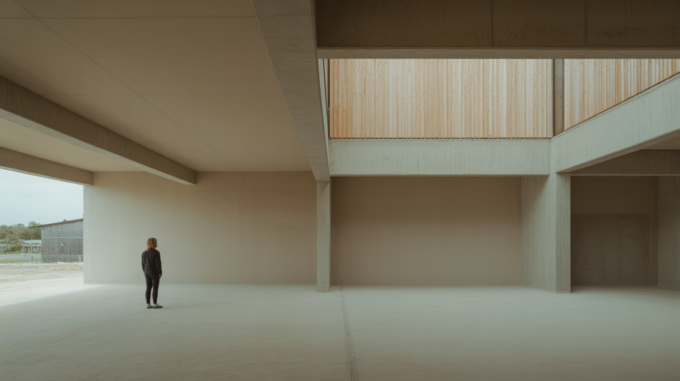
Concrete floors, masonry walls, or phase-change drywall soak up heat by day and release it at night. With proper night flushing, mass smooths daily swings, especially effective in hot-dry climates where nights reliably cool off.
Maximizing Air Movement
Air movement increases apparent comfort by boosting sweat evaporation. Cross-ventilation, ceiling fans set to counterclockwise in summer, and well-placed operable windows can add 2 to 4°F of perceived cooling.
Managing Moisture And Humidity
High humidity makes warm rooms feel stifling. We manage moisture with spot exhaust (kitchens, baths, laundry), short ventilation paths in humid climates, and dedicated dehumidification when needed. Dry air feels cooler at the same temperature, so we can set thermostats higher without discomfort.
Site And Orientation Strategies
Reading Sun Paths And Prevailing Winds
We orient main glazing south in most latitudes for easy shading, limit west glass, and align operable windows to capture prevailing breezes. In a contemporary infill lot, even a 10 to 15° tweak can improve both shading potential and wind alignment.

Right-Sizing Overhangs, Awnings, And Louvers
Fixed south overhangs can block high summer sun while admitting winter sun. Example: a 2 to 3 ft overhang above a 7-ft-tall south window at 35° latitude often works well. For low-angle east/west sun, we prefer vertical fins, exterior roller shades, or operable louvers.
Landscaping For Shade And Microclimates
Deciduous trees on the west, vine-covered trellises, and dense hedges can drop wall temps by double digits. A shaded patio with a water feature cools incoming air before it reaches interior windows.
Outdoor Surfaces And Colors That Stay Cool
High-albedo pavements, light roofs, and shaded decks reflect more solar energy. Permeable pavers plus groundcover also reduce heat re-radiation that would otherwise wash back onto walls and windows.
Building Envelope And Materials
High-Performance Windows And Shading Devices
We pair low-SHGC double or triple-pane windows with exterior shades. Exterior systems (awnings, screens) outperform interior blinds because they stop solar heat before it enters. Example: exterior fabric screens can cut solar gain by 60 to 80%.

Insulation And Air Sealing For Summer Comfort
Air leaks move heat and humidity. We target tight envelopes (≤3 ACH50 when feasible) with continuous insulation. Attics get special attention: sealed ducts, R-38 to R-60 insulation, and radiant barriers in hot-sunny climates.
Thermal Mass With Night Flushing
Exposed concrete or tile floors on the main level plus operable high vents create a day-to-night rhythm: absorb heat by day, purge at night. We automate with window actuators tied to outdoor temperature sensors for reliability.
Cool Roofs And Reflective Exteriors
A cool roof with high solar reflectance (≥0.65 initial) and high thermal emittance drops roof deck temps dramatically. Light-colored cladding and ventilated rain screens further reduce heat flow into living spaces.
Ventilation And Air Movement
Designing Effective Cross-Ventilation Paths
We place inlets low on the windward side and outlets high on the leeward side, keeping a clear interior path. A rule of thumb: provide operable area of 5 to 8% of floor area for meaningful airflow, balanced across two sides.
Leveraging Stack Effect With Clerestories And Vents
Clerestory windows, vented skylights, or a central stairwell act like a thermal chimney. On hot afternoons, we crack the highest vents first, then open shaded lower windows to draw in cooler air.

Ceiling Fans, Whole-House Fans, And Controls
Ceiling fans at low-to-moderate speed improve comfort with minimal watts. Whole-house fans (1.5 to 3.0 cfm per sq ft) can purge heat quickly after sunset. Smart controls tied to outdoor dew point prevent pulling in muggy air.
Filtering Outdoor Air And Managing Allergens
We add fine screens, MERV-rated filters on supply fans, and consider pollen seasons. In smoky regions, we switch to recirculation with HEPA filtration until outdoor air improves.
Climate-Specific Tactics
Hot-Dry: Shade, Mass, And Night Purge
Deep shade, heavy thermal mass, and aggressive night flushing are the trifecta. Courtyards, exterior screens, and evaporative pre-cooling of incoming air can be game-changers.

Hot-Humid: Shading, Dehumidification, And Short Vent Paths
We minimize infiltration, prioritize exterior shading, and use short, direct ventilation bursts when outdoor dew point is low. Dedicated dehumidifiers or variable-speed heat pumps running in dry mode keep RH near 50%.
Mixed/Temperate: Seasonal Adjustability
Operable exterior shades, tilt-and-turn windows, reversible fan directions, and shoulder-season night cooling let us adapt day by day. Think flexible, not fixed, controls.
Marine/Coastal: Corrosion-Resistant Details And Wind Management
Salt air demands stainless fasteners, powder-coated hardware, and marine-grade screens. Wind baffles and vent hoods prevent unwanted gusts while preserving cross-ventilation on milder days.
Retrofit And Budget-Friendly Upgrades
Quick Wins: Sealing, Shades, Films, And Fans
We start with door sweeps, weatherstripping, and attic air sealing. Add exterior solar screens or interior cellular shades, low-e window films where appropriate, and ceiling fans in key rooms. Real-world example: a 1950s ranch dropped afternoon temps by 3 to 5°F after adding exterior screens and sealing the attic hatch.

Mid-Scale: Exterior Shading, Attic Upgrades, And Cool Roofing
Retrofit awnings over west windows, radiant barrier plus added insulation in the attic, and a cool roof during the next reroof cycle. For a contemporary ADU, we used a light metal roof and vented rainscreen siding, noticeably cooler under peak sun.
Planning With Energy Modeling And Rebates
Simple models (e.g., EnergyPlus-based tools) help prioritize. We stack utility rebates for insulation, cool roofs, and fans to shorten payback, often to 3 to 6 years when combined.
Costs, Trade-Offs, And ROI
Upfront Vs. Operating Costs
Exterior shading, insulation, and air sealing aren’t free, but they lower AC tonnage, bills, and maintenance. A $3k to $5k shading package can cut peak cooling load enough to right-size equipment and save every summer.

Comfort, Resilience, And Health Benefits
Beyond bills, we get steadier temps, quieter rooms, and better indoor air in heat waves and outages. Lower humidity reduces mold risk and dust mites.
Common Mistakes To Avoid
Skipping exterior shading on west glass, relying on interior blinds alone, venting humid air at night, and forgetting filtration during smoke events are frequent missteps. We also avoid oversized fans that pull attic or garage air into living spaces.
Conclusion
Natural Cooling in Modern Homes works best as a layered system: block heat, store it smartly, move air, and dry the air when needed. Start with shading and sealing, then add fans, night flushing, and, where climate allows, thermal mass. The payoff is comfort that feels effortless, and a home ready for the next long, hot summer.
- cooling design strategies
- cooling without air conditioning
- eco friendly cooling systems
- energy efficient cooling
- environmentally friendly cooling
- green home cooling
- heat reduction in homes
- home airflow optimization
- home cooling design
- innovative cooling solutions
- modern home cooling design
- natural cooling solutions
- Natural ventilation design
- passive cooling techniques
- reduce home cooling costs
- summer comfort in homes
- summer home cooling tips
- sustainable home cooling
- thermal comfort design
- ventilation design for homes









Leave a comment