



Table of Contents Show
Architecture schools look for students who arrive with more than academic scores. Admissions committees across the best architecture schools want to see evidence of design thinking, spatial curiosity, and a portfolio that reflects genuine creative effort. Preparing early, in the months or even years before you apply, gives you a real advantage in one of the most competitive application processes in higher education.
What Do Architecture Schools Actually Look For?
Before building your preparation plan, it helps to understand how architecture school admissions actually work. Unlike most undergraduate programs, schools of architecture evaluate candidates on multiple dimensions beyond GPA and test scores.
Most programs accredited by the National Architectural Accrediting Board (NAAB) expect applicants to submit a portfolio of creative work, a personal statement, and letters of recommendation. Some top programs also require a design exercise or conduct interviews. The academic baseline matters, particularly in math and physics, but it rarely determines your acceptance on its own.
The portfolio carries the most weight in most architectural schools. It tells admissions reviewers how you observe the world, how you solve visual problems, and whether you have the patience to refine work through multiple drafts. Even if your portfolio consists entirely of sketchbook drawings, still-life studies, and photography, that is preferable to a folder of generic computer-generated images with no original thinking behind them.
💡 Pro Tip
Start a physical sketchbook at least six months before you apply. Carry it with you and draw from observation daily, buildings, street corners, interiors, objects. Admissions reviewers at top schools of architecture can immediately distinguish someone who draws habitually from someone who assembled a portfolio the week before the deadline. Process sketches and rough iterations often impress more than polished finals.
How to Build Your Portfolio for Architecture School
Your portfolio for architectural schools should show range, process, and originality. It does not need to be full of architecture-specific projects. In fact, many admissions guides from programs like Cornell and Rice explicitly discourage high school students from submitting architectural drafting work, since it rarely reflects independent thinking and can suggest a misunderstanding of what architectural portfolio-building actually requires.
What works well in a pre-architecture portfolio includes freehand drawings from observation, model-making photographs that show spatial thinking, graphic design and layout work, photography with a clear compositional point of view, and any personal projects that involve problem-solving through visual form. Each piece should represent your best thinking, not just your most recent effort.
For guidance on what types of projects carry the most impact, the resource on best projects to include in an architecture student portfolio covers exactly what reviewers focus on during evaluations. The key principle is variety balanced with quality: two or three strong pieces in different media will outperform a thick stack of repetitive work.
⚠️ Common Mistake to Avoid
Many applicants assume that including architectural drawings or CAD work will strengthen their portfolio. For most undergraduate programs, this has the opposite effect. Admissions committees at architecture schools want to see your creative mind, not your familiarity with software you probably learned in a class. Save technical drafting for your first semester. Use your pre-application portfolio to show that you see the world like a designer.
Skills to Develop Before Starting Architecture School

Schools for architecture reward students who arrive with a foundation of transferable skills. The good news is that most of these can be developed independently, without any formal coursework. The following areas are consistently cited by admissions departments and current students as the most valuable to build before day one.
Drawing and Spatial Observation
Freehand drawing is the single most important skill you can develop before entering an architecture program. You do not need to draw like a professional illustrator; you need to draw with accuracy and intention. Practice drawing from life rather than copying photographs. Sketch buildings, rooms, furniture arrangements, and outdoor spaces. The goal is to train your eye to read three-dimensional space and translate it onto a flat page. Architecture studios depend on this fluency from the first week of coursework.
Mathematical Foundation
Geometry, trigonometry, and at least an introductory understanding of physics all appear regularly in architecture coursework. Structural systems, environmental controls, and building technology courses all assume comfort with numerical reasoning. If you are still in high school, take the most rigorous math sequence available to you. If you are a career-changer preparing for a graduate program, brush up on applied mathematics before your first semester.
Architectural History and Theory
Reading widely about architectural history gives you a shared vocabulary with your professors and classmates from day one. You do not need to memorize dates and building names; you need to understand how ideas about space, form, and society have shaped the buildings around us. Start with accessible texts like Francis Ching’s Architecture: Form, Space, and Order or Matthew Frederick’s 101 Things I Learned in Architecture School. Both are short, visual, and genuinely useful as ongoing references throughout your degree.
🎓 Expert Insight
“Architecture should speak of its time and place, but yearn for timelessness.”
Frank Gehry
This idea captures what the best architecture school programs try to teach: how to respond to immediate context while developing a design sensibility that outlasts any trend. Students who arrive already thinking about architecture this way tend to find the first-year studio experience far more productive.
How to Research and Choose the Right Architecture Schools
Not all architecture schools are the same, and the differences matter more than rankings suggest. Some programs are strongly technical, others center on social practice or urban design, and others run as studio-culture environments with an emphasis on experimental form-making. Applying to the right program for your interests dramatically improves both your admission chances and your experience once you are there.
Start by confirming whether a program is accredited by the National Architectural Accrediting Board (NAAB). In the United States, a NAAB-accredited degree is required to sit for the Architect Registration Examination (ARE) and eventually obtain a license. Programs in the UK fall under RIBA validation, which carries equivalent professional weight in Commonwealth countries.
Beyond accreditation, research each school’s faculty, thesis topics from recent graduates, studio culture, and career placement rates. If visits are possible, go to at least two or three campuses and ask to see the student studio space and recent graduate portfolios. The physical environment of an architecture school, how students work, what gets pinned to the walls, whether critique culture feels collaborative or cutthroat, tells you more than any brochure will.
📌 Did You Know?
According to data compiled by the Successful Architecture Student platform, of roughly 25,000 students who applied to enter architecture programs, only 15.3% were accepted, and just 2% ultimately received a post-graduate architecture degree. This is not meant to discourage you; it is meant to clarify how much preparation before applying genuinely moves the needle.
The Personal Statement: What Architecture Schools Want to Hear
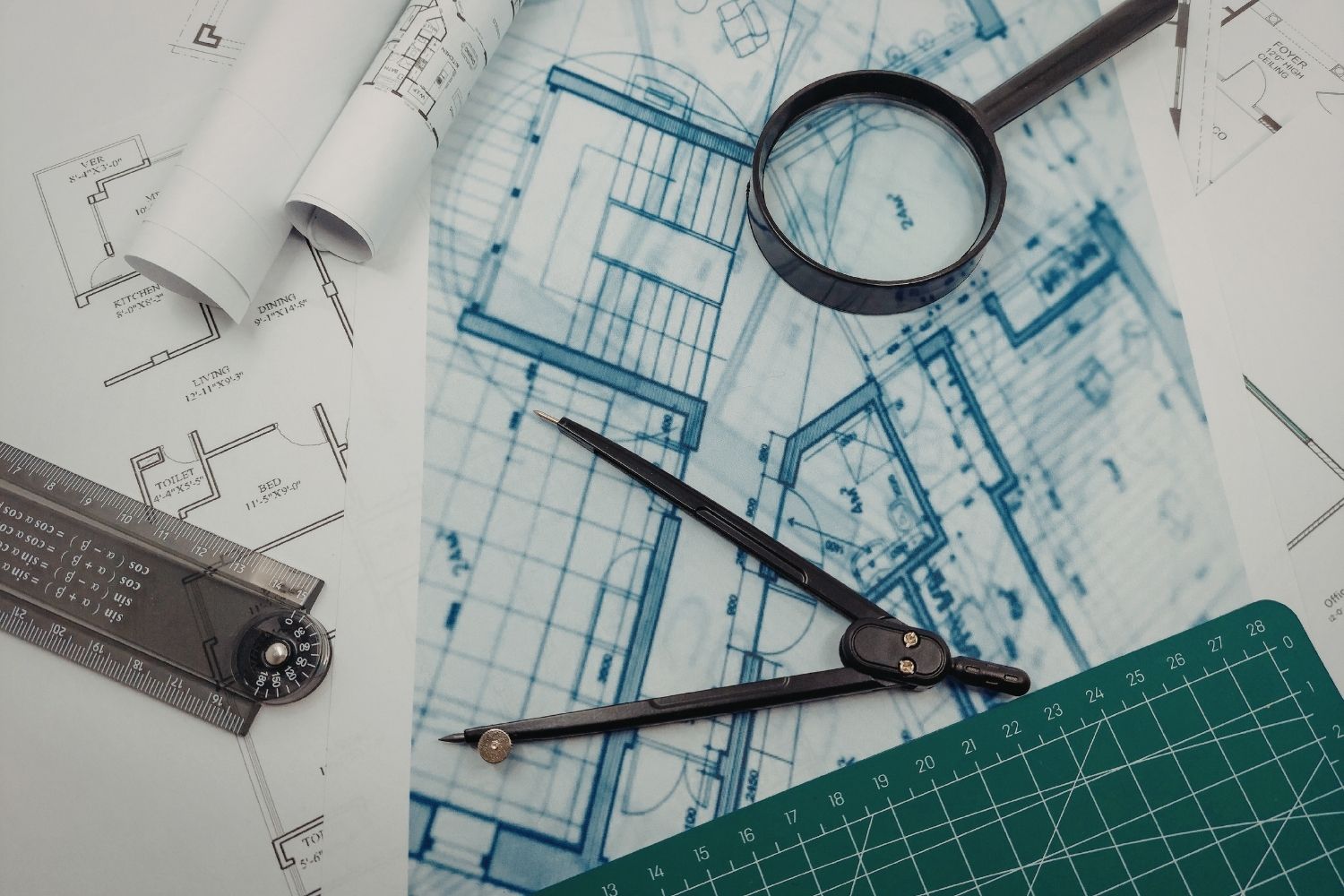
Your personal statement for architecture school applications is not a resume in paragraph form. It is your opportunity to show that you think architecturally already and that you have a specific reason for applying to this particular program. Generic statements about “always loving buildings” rarely move reviewers. Specific ones, tied to concrete experiences, do.
Write about a building or space that changed how you understood architecture. Describe a project you made, even informally, and what you learned from making it. Explain why this program, not just any architecture program, matches what you want to develop. Admissions readers review hundreds of applications; the statements that stand out are those that feel like they could only have been written by one person.
If you are applying for scholarships alongside your program application, the guidance on architectural scholarships for creative minds covers how to position your portfolio and personal narrative for financial aid evaluations specifically.
What to Expect in Your First Year at Architecture School
First-year students at most best architecture schools spend the majority of their time in studio, a dedicated workspace where individual and group design projects run in parallel with lecture courses. Studio culture is unlike any other academic environment. Work is presented publicly in critiques, called “crits” or “juries,” where faculty and sometimes outside reviewers evaluate your designs aloud. This can feel intense at first, but it is the primary way architects learn to defend their ideas and absorb feedback productively.
Time management becomes critical immediately. Unlike lecture-heavy programs, architecture school rewards sustained effort over concentrated cramming. Projects often run four to six weeks, with intermediate reviews along the way. Students who build consistent daily work habits before arriving tend to manage the workload far better than those who rely on last-minute productivity. Going into first year having already read about architecture, practiced drawing regularly, and thought about why certain spaces feel the way they do puts you well ahead of your cohort.
💡 Pro Tip
If you have the opportunity to work for a contractor or construction site before starting school, take it. Architecture students who have actually seen how buildings go together, measured rooms, observed how trades coordinate on site, arrive with a level of practical instinct that purely academic preparation simply cannot replicate. Even a few weeks of site exposure changes how you design.
Digital Skills Worth Learning Before You Start
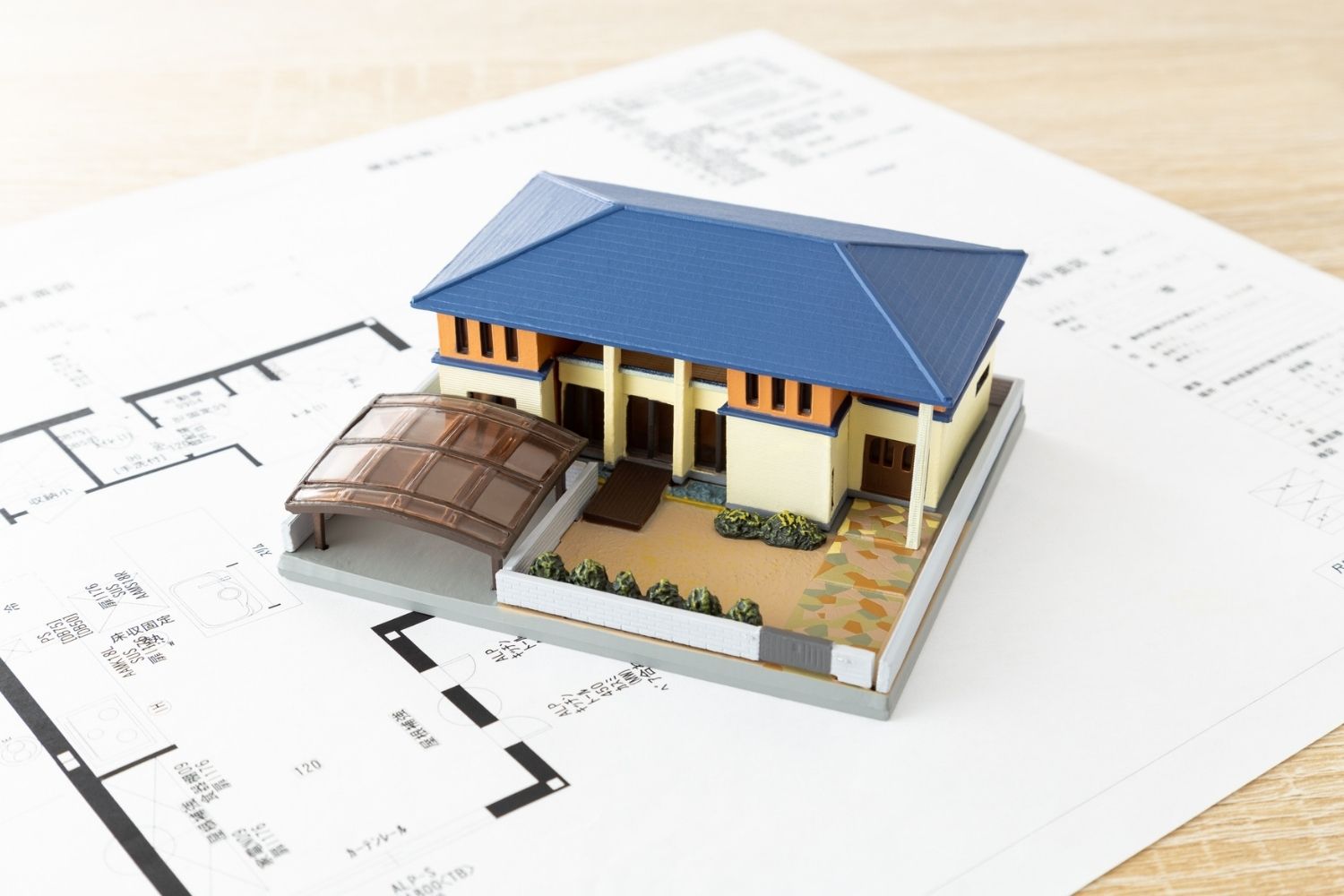
While most architecture programs teach their required software from scratch, arriving with familiarity in one or two tools saves significant time in your first semester. The programs most commonly used across schools of architecture are AutoCAD for technical drawing, Rhino for three-dimensional modeling, and Adobe Creative Suite (particularly InDesign and Photoshop) for portfolio and presentation layout.
SketchUp is also widely used at the early design stage because of how quickly it allows spatial ideas to be tested. The SketchUp free web version is accessible without any cost, making it a practical starting point before school. Revit, which handles building information modeling (BIM), appears more often in upper-year studios and is less urgent to learn before admission.
For those considering whether architecture is the right long-term path, the article on whether to become an architect gives an honest look at the profession’s demands, rewards, and educational requirements. And once you are in school, understanding how architectural internships work early will help you use summer breaks strategically to build experience.
How to Visit Architecture Schools and Ask the Right Questions
Campus visits, when feasible, remain one of the most effective parts of the research process. What you see in person, the studio environment, the quality of critique culture, the engagement of current students, carries more information than any ranking or brochure. When visiting, ask specifically about faculty accessibility outside of studio hours, recent graduate outcomes, and how the program handles the transition from academic to professional work.
Contact current students directly through social media or the program’s student association chapter if a formal visit is not possible. Students who are already inside an architecture program will give you the most honest account of what daily life actually looks like there. The American Institute of Architecture Students (AIAS) maintains chapters at most accredited programs and is a practical point of contact for this kind of outreach.
✅ Key Takeaways
- Architecture schools evaluate applicants on portfolio quality, personal statement, and academic foundation, not grades alone. Start your portfolio preparation at least six months before applying.
- Freehand drawing from observation is the most important skill to develop. Daily sketchbook practice, not software fluency, is what admissions reviewers look for in pre-application portfolios.
- Research accreditation (NAAB in the US, RIBA in the UK) and program culture before committing to any application. Rankings matter less than fit.
- First-year studio culture is built around public critique and sustained daily work. Students who arrive with drawing habits, architectural reading, and time-management discipline have a measurable advantage.
- Learning one or two software tools (SketchUp, AutoCAD) before school saves time in year one, but is secondary to developing genuine design curiosity and observational skills.
Frequently Asked Questions
How early should I start preparing for architecture school?
Ideally, begin at least one to two years before you plan to apply. Building a strong portfolio takes time, as does developing consistent drawing skills and researching individual programs thoroughly. High school students interested in attending architecture school after graduation should start drawing regularly by sophomore or junior year and begin visiting campuses as early as junior year.
Do I need architecture experience before applying to architecture school?
No prior architecture experience is required for most undergraduate programs. What matters is demonstrating creative thinking, observational ability, and genuine curiosity about the built environment. Site visits, reading about architectural history, and independent drawing practice all count. For graduate programs, a portfolio from a previous degree in art, design, or a related field is typically expected.
What math do I need for architecture school?
Geometry, trigonometry, and basic physics provide the most useful foundation. Calculus appears in some engineering-adjacent coursework but is rarely central to design studios. Strong spatial reasoning, developed through drawing and model-making, matters more in day-to-day architecture school than advanced mathematics. Focus on understanding how numbers describe physical relationships rather than on abstract algebra.
How do I choose between a B.Arch and an M.Arch program?
A Bachelor of Architecture (B.Arch) is a five-year professional degree taken directly after high school. A Master of Architecture (M.Arch) is a graduate-level route typically taken after a four-year undergraduate degree in any field, though architecture-adjacent backgrounds are common. The B.Arch gets you to licensure faster. The M.Arch allows more time for academic and intellectual development before professional training. Both are NAAB-accredited paths to the same professional destination.
What is studio culture in architecture school like?
Studio is a dedicated workspace where architecture students develop projects over weeks or months, typically working alongside classmates in an open-plan room. Projects are reviewed publicly in crits, where faculty and external reviewers discuss your work directly with you. Studio culture can be demanding and sleep-depriving in peak deadline periods, but it also builds the ability to defend ideas clearly and absorb criticism productively, skills that carry directly into professional practice.
Before Day One: Settling In
Once you have a place confirmed, a little preparation before the first day pays off. Get comfortable with the basic tools and software your programme expects, set up a simple system for managing deadlines, and reach out to current students where you can. The students who settle in fastest are usually the ones who arrive curious and organised rather than fully prepared, since most core skills are taught from the ground up.
- architectural design skills
- architectural designer skills
- architecture design skills
- architecture design skills on resume
- define architectural design skills
- how to improve architectural design skills
- how to improve architecture design skills
- how to improve design skills architecture
- how to improve software architectural design skills
- how to improve your architectural design skills
- improve architectural design skills
















Leave a comment