


Table of Contents Show
If we’re serious about cutting energy use while making buildings healthier, passive ventilation is one of our most reliable tools. In this guide, we walk through passive ventilation strategies for sustainable architecture, how they work, when they shine, and how to design them so they perform in the real world. We keep it practical: climate-led thinking, elegant airflow paths, and details that let buildings breathe without compromising comfort, safety, or security.
Why Passive Ventilation Matters
Energy And Carbon Benefits
Mechanical ventilation and cooling are among the biggest energy loads in many buildings. By designing for buoyancy, wind pressure, and thermal mass, we can slash run-times on fans and compressors. That means fewer kilowatt-hours, lower peak demand, and smaller HVAC equipment, often a capital cost saving. In mild and shoulder seasons, passive systems can handle most, if not all, of the ventilation and cooling needs. Over a year, that translates into meaningful operational carbon cuts and real resilience during outages.

Health, Comfort, And Resilience
Fresh air is foundational. Good passive ventilation helps dilute indoor pollutants, reduce CO₂, and manage humidity without the “sealed box” feeling. Done right, it delivers gentle air movement (typically 20 to 100 fpm), which broadens the comfort envelope so we feel cooler at higher temperatures. And when the grid goes down or filters are in short supply, daylit, naturally ventilated spaces can remain habitable, an underrated benefit in a warming world.
Climate-Responsive Design Fundamentals
Reading Wind, Temperature, And Humidity
We start with climate files, not gadgets. Seasonal wind roses, diurnal temperature swings, and humidity profiles tell us when passive strategies will carry the load and where they’ll need help. Cross ventilation thrives with reliable prevailing winds: night purge cooling sings when nights are at least 10 to 15°F (6 to 8°C) cooler than days: buoyancy-driven systems need stable temperature gradients and adequate stack height. In humid climates, we prioritize shading and moisture control to avoid clammy interiors.
Site, Orientation, And Urban Context
Site planning sets the stage: orient long facades to capture or temper breezes, protect inlets from contaminants, and use landscaping to steer wind without amplifying noise. Urban canyons, podiums, and neighboring towers can distort pressure zones, sometimes helpful, sometimes not. We model these effects or use wind tunnel/CFD studies on sensitive sites. At the building scale, organize floor plates to create clean intake-to-exhaust paths and avoid dead zones.

Core Airflow Strategies
Cross Ventilation
This is the workhorse: air enters on the windward side and exits leeward, driven by pressure differentials. It works best with shallow floor plates (roughly 30 to 45 ft/9 to 14 m deep), clear line-of-sight paths, and operable openings on opposing facades. Interior transoms and ventilating clerestories keep air moving even with closed doors.

Stack Effect And Solar Chimneys
Warm air rises: we put that to work. A vertical shaft or atrium draws air upward as it warms, pulling cooler air from low inlets. Solar chimneys boost the effect with dark, sunlit surfaces that heat the flue. Performance hinges on height (more is better), temperature delta, and low-friction flow paths. Even 10 to 20 ft (3 to 6 m) of stack can provide a steady draw on still days.
Night Purge Cooling
In climates with big day to night swings, we flush heat from the building’s thermal mass after sunset. Expose concrete or masonry, open secure night vents, and let cool air sweep through. By morning, the mass is recharged and can absorb daytime gains, delaying or avoiding mechanical cooling. It pairs beautifully with shading and low internal loads.
Architectural Elements And Detailing
Openings: Size, Placement, And Operability
We size for both ventilation rate and user control. As a rule of thumb, provide effective openable area of 5% to 10% of floor area for comfort-focused natural ventilation, with inlets and outlets balanced. Place inlets low and outlets high for buoyancy, and distribute openings to avoid short-circuiting. Hardware matters: limiters, bug screens, and rainsafe settings keep operation practical in real weather.

Courtyards, Atria, And Ventilation Shafts
Courtyards cool air via shading and evapotranspiration, then feed adjoining rooms. Atria can act as thermal lungs, just manage smoke control and stratification. Slender ventilation shafts, especially when roughness is low and bends are minimized, deliver reliable draw to interior zones.
Wind Towers, Venturi Forms, And Roof Forms
Wind catchers (traditional and modern) scoop prevailing breezes and drive them down into occupied spaces. Venturi-shaped roof elements accelerate flow over exhausts, increasing suction. Sawtooth and ridge vents can serve as passive outlets while shaping daylight.
Shading, Louvers, And Screens
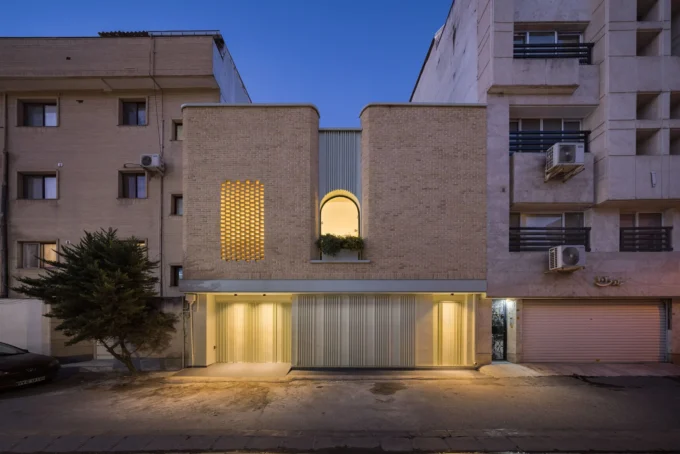
Heat gain kills passive performance. Deep overhangs, external louvers, and perforated screens cut solar load and glare while preserving airflow. Use adjustable shading where orientation varies, and specify materials that won’t rattle or corrode in coastal winds.
Mixed-Mode Design, Modeling, And Practical Limits
Controls, Sensors, And User Interaction
Mixed-mode is where we get the best of both worlds. CO₂, temperature, and humidity sensors inform when to open or close. Simple traffic-light cues (“open window now”) or automated actuators keep operation consistent. We set logic to avoid fighting systems, if the chiller’s on, windows shouldn’t be.

Noise, Security, And Indoor Air Quality
We design inlets away from roads and loading docks, use acoustic baffles where needed, and incorporate security grilles for safe night purge. Filtration isn’t inherent to passive airflow, so in poor outdoor air episodes (wildfire smoke, dust), we switch to mechanical with filtration and seal openings appropriately.
Rule-Of-Thumb Sizing And Simulation
Quick checks help: target 4 to 8 air changes per hour for purge, 2 to 4 for comfort in many occupancies: aim for ≥1:1 balance between inlet and outlet effective area: provide ≥10 to 20 ft (3 to 6 m) of stack height for reliable buoyancy. Then verify with simulation, CFD for flow paths, thermal models for seasonal performance, and parametrics to tune opening sizes and controls.
Codes, Fire Safety, And Seasonal Constraints
Operable openings must coexist with egress, fall protection, and smoke control requirements. Use failsafe actuators tied to fire panels where shafts or atria are part of the strategy. In hot-humid seasons or extreme cold, we bias toward mechanical conditioning: passive modes shoulder the work during mild hours and nights. Designing the handoff is half the craft.
Conclusion
Passive ventilation strategies for sustainable architecture aren’t nostalgic, they’re modern, data-driven, and deeply humane. When we tune buildings to climate, carve clean airflow paths, and sweat the details, we cut energy and carbon while delivering spaces people love to occupy. Start with climate, design the path, and let the building breathe.
- airflow management in buildings
- architectural ventilation solutions
- bioclimatic architecture
- climate-responsive architecture
- eco-friendly building design
- energy-efficient architecture
- environmentally conscious architecture
- green architecture solutions
- integrated passive design
- low energy building ventilation
- natural airflow in buildings
- natural ventilation systems
- passive design techniques
- Passive ventilation strategies
- solar passive design
- sustainable architecture ventilation
- sustainable building ventilation
- sustainable design strategies
- thermal comfort in architecture
- ventilation for green buildings









Leave a comment