


Table of Contents Show
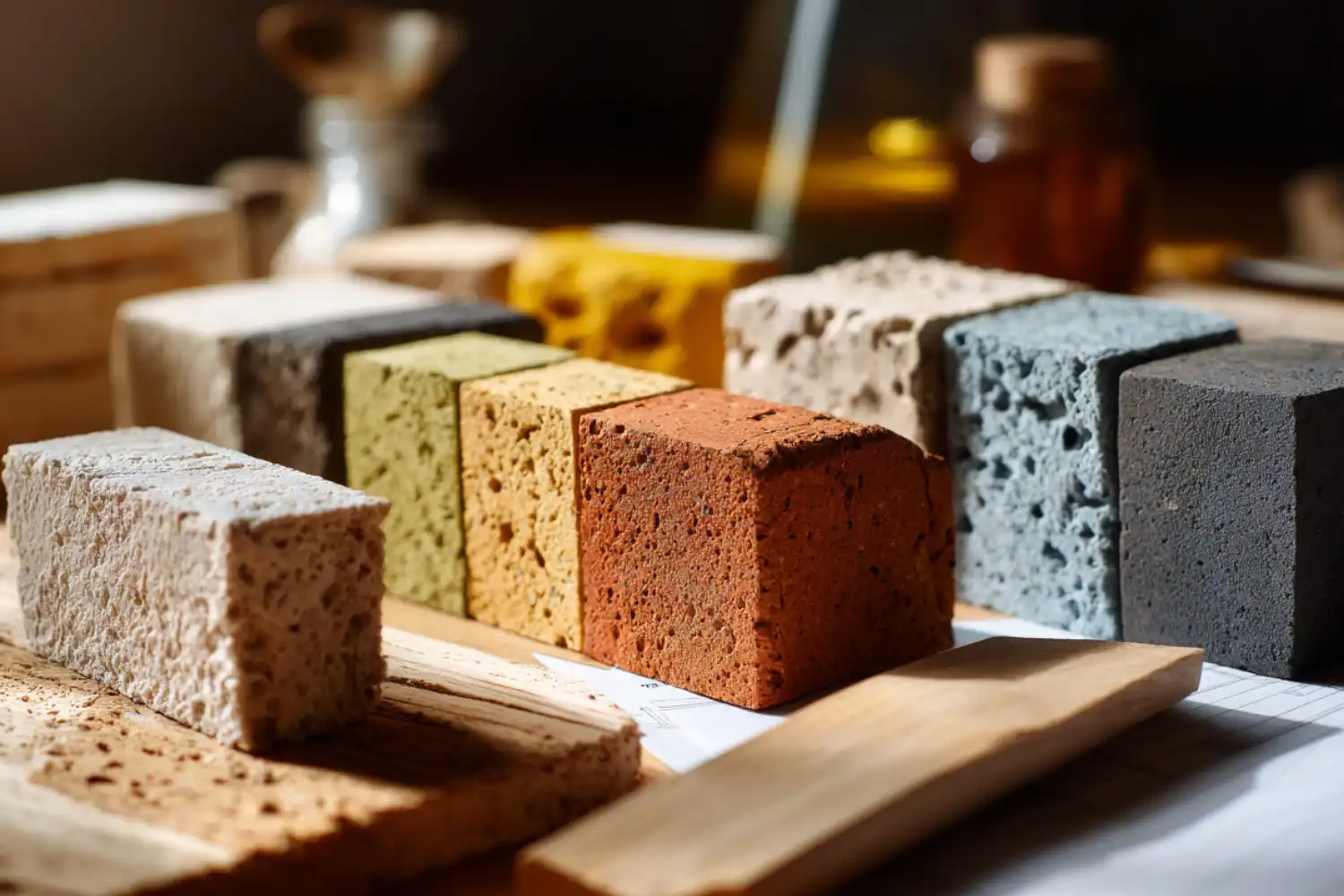
Biocompatibility in architecture is a design approach that prioritizes human health by selecting building materials and construction methods that do not release harmful chemicals into indoor environments. It connects material science, indoor air quality research, and occupant well-being into a single design framework that architects can apply from schematic design through construction.
Most people spend roughly 90% of their time indoors, according to the U.S. Environmental Protection Agency. That statistic alone makes biocompatible architecture design more than a niche interest. The materials lining your walls, the adhesives binding your flooring, and the finishes on your cabinetry all interact with the air you breathe. When those materials release volatile organic compounds (VOCs), formaldehyde, or other irritants, indoor air quality suffers, and so does the health of everyone inside. As the broader green architecture movement expands, biocompatibility in architecture addresses this problem at its root: the specification stage.
What Is Biocompatibility in Building Design?
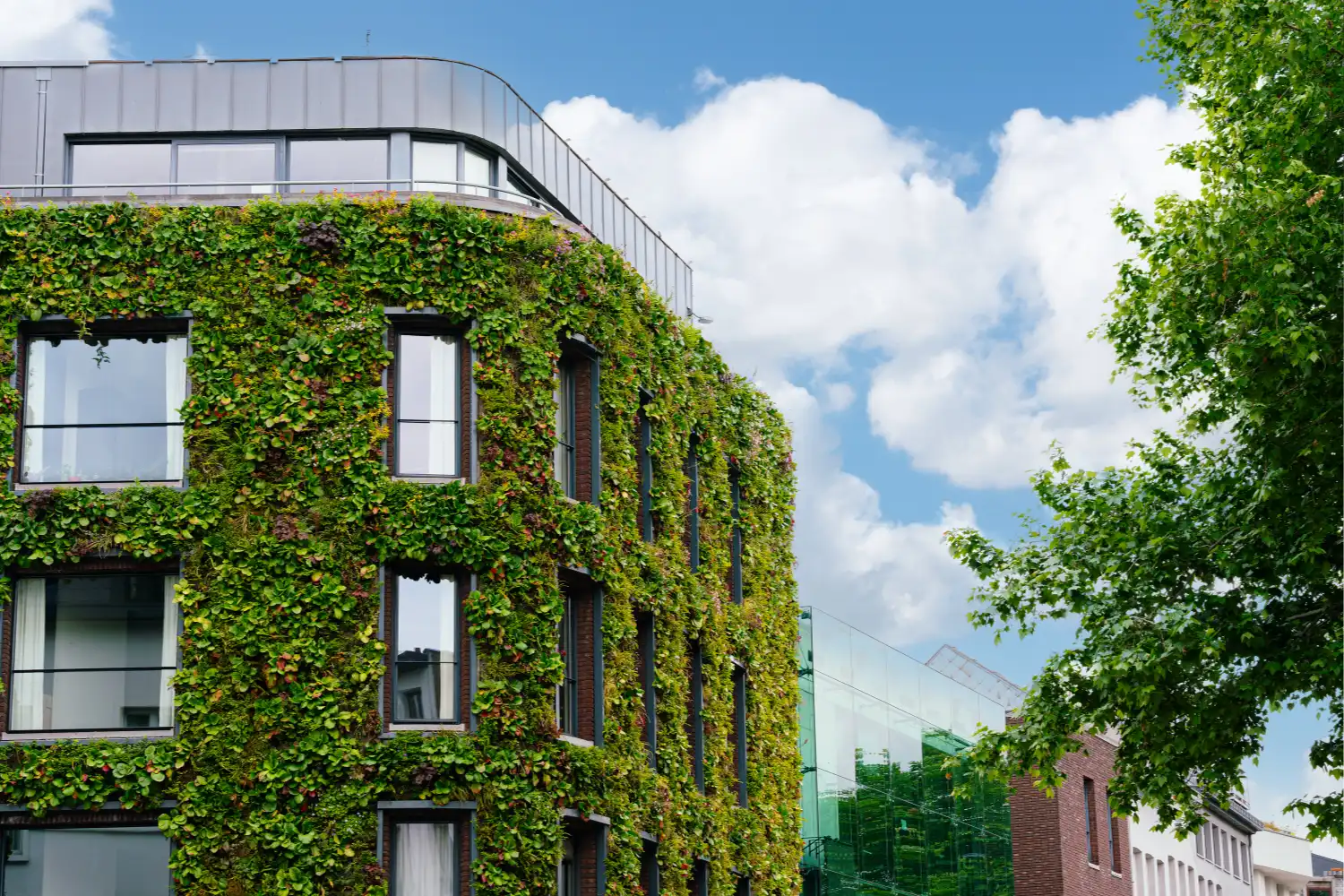
Biocompatibility in building design means choosing materials and systems that are physiologically compatible with human occupants. The concept originates from medical science, where biocompatible materials are those that do not trigger adverse reactions in the human body. Applied to architecture, the principle works in a similar way. A biocompatible building avoids materials that off-gas toxic substances, harbor mold, or introduce allergens into the indoor environment.
This goes beyond standard “green building” practice. A building can earn a LEED certification for energy performance while still containing materials that degrade indoor air quality. Certification systems like the WELL Building Standard have begun addressing this gap by measuring material health alongside energy performance. Biocompatible architecture design specifically targets the health interface between building materials and human biology, addressing chemical exposure, electromagnetic considerations, moisture behavior, and thermal comfort at the material level.
💡 Pro Tip
When evaluating materials for biocompatibility, request the product’s Safety Data Sheet (SDS) and check for third-party certifications like GREENGUARD Gold or Declare Labels from the International Living Future Institute. A “low-VOC” marketing claim alone is not enough, since some low-VOC paints still contain semi-volatile organic compounds (SVOCs) that off-gas for years.
Core Principles of Biocompatible Architecture Design
Biocompatible architecture design rests on a few measurable principles rather than vague aspirations. Each principle connects directly to occupant health outcomes.
Material Transparency and Chemical Avoidance
The first principle is knowing what goes into every product specified for a project. Sustainable material selection is part of the equation, but biocompatibility adds a layer of scrutiny. Architects working within this framework avoid materials containing formaldehyde-based binders, halogenated flame retardants, PVC, phthalates, and heavy metals. The Living Building Challenge Red List maintained by the International Living Future Institute is a practical reference for identifying substances to exclude.
Moisture Management and Mold Prevention
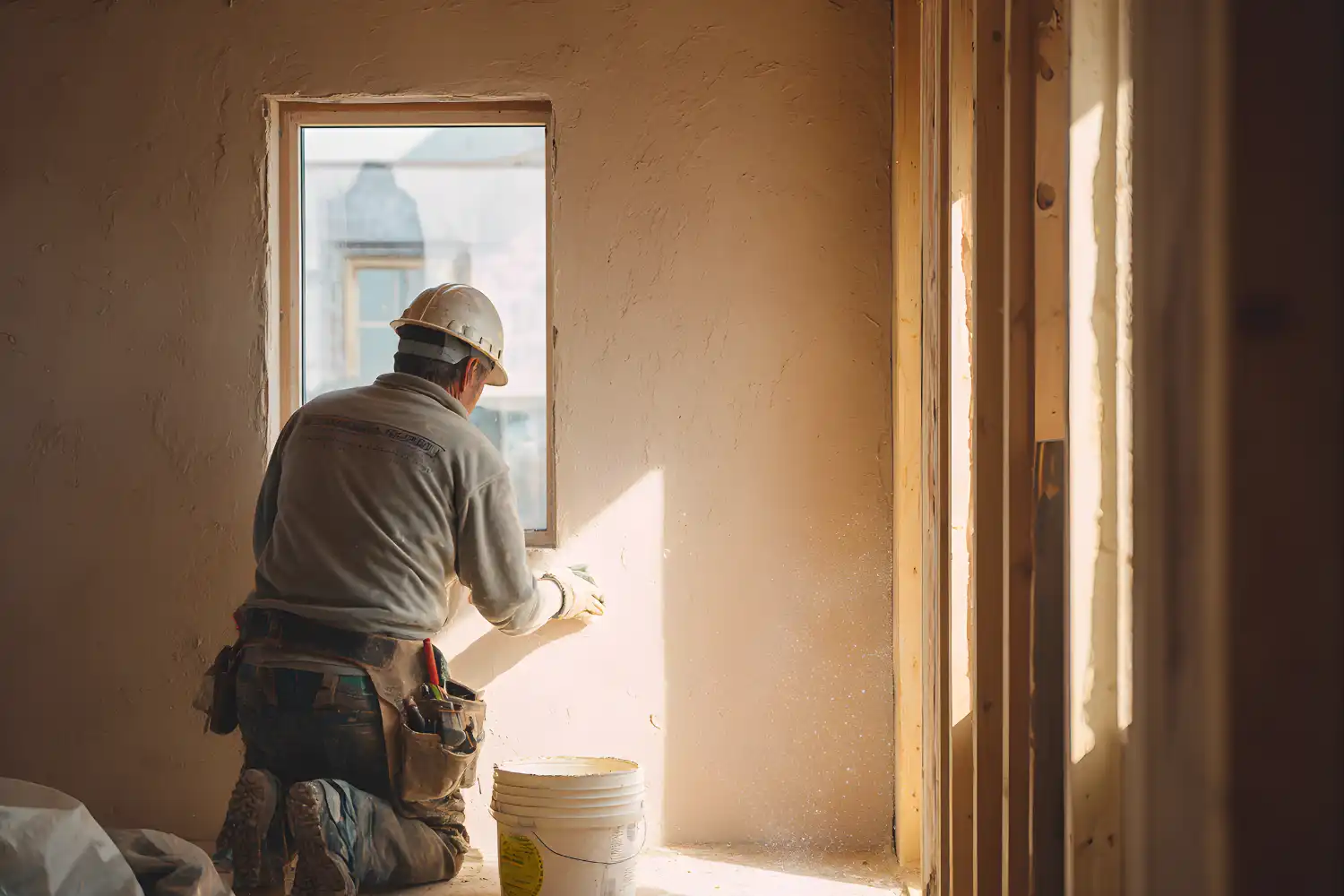
Biocompatible construction materials must interact well with moisture. Vapor-permeable wall assemblies that allow walls to “breathe” reduce the risk of trapped moisture, which leads to mold growth. Materials like lime plaster, clay plaster, and wood-fiber insulation manage humidity passively, buffering indoor moisture levels without mechanical intervention. This is one of the reasons why rammed earth construction has regained attention: its high thermal mass and vapor-active properties create naturally stable indoor climates.
Indoor Air Quality by Design
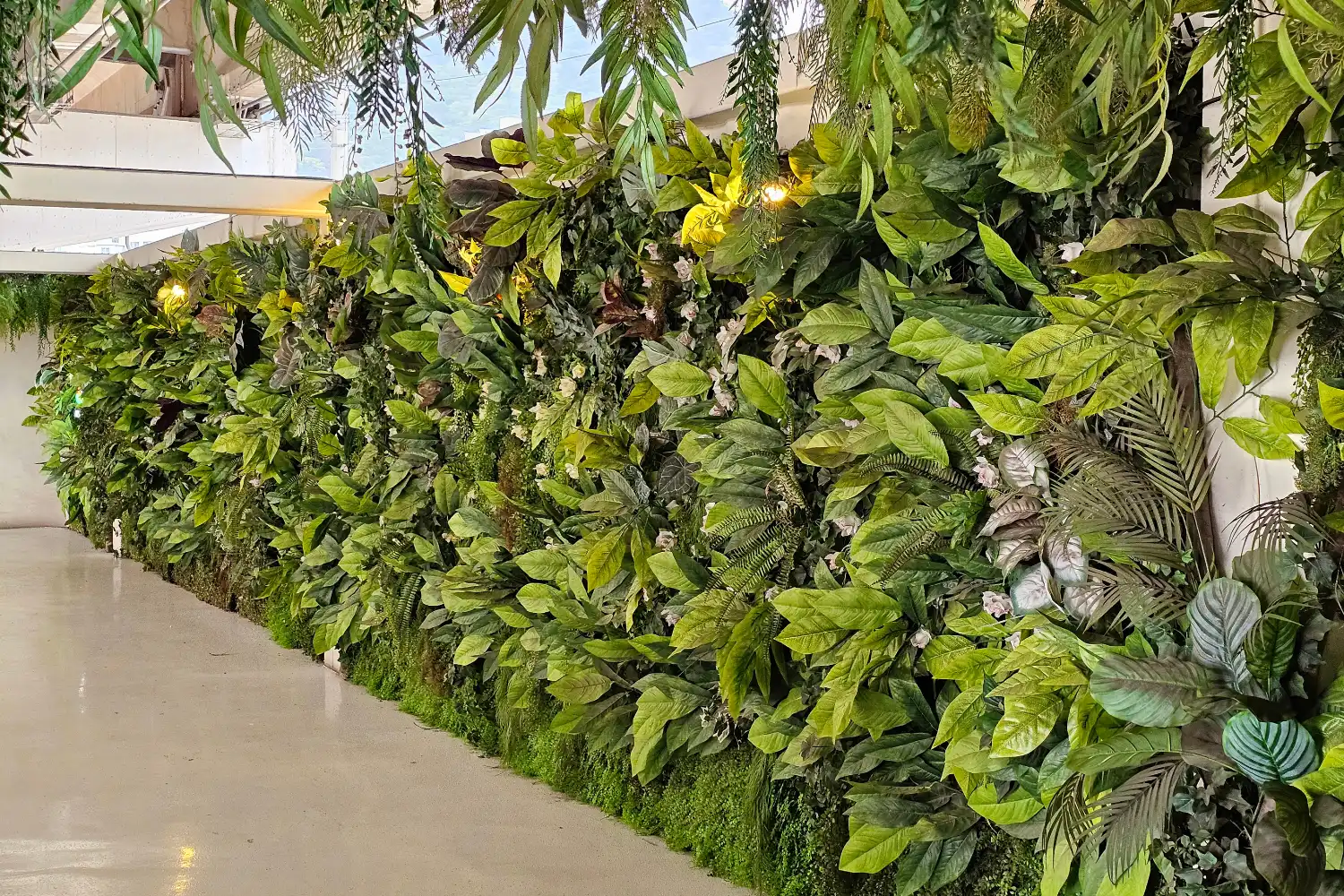
Rather than relying solely on mechanical ventilation to dilute pollutants after they are released, bio architecture tackles the source. By specifying zero-VOC finishes, formaldehyde-free engineered wood, natural fiber insulation (wool, hemp, cellulose), and mineral-based plasters, architects reduce the pollutant load that ventilation systems need to handle. This source-reduction approach aligns with broader eco-friendly architecture trends that prioritize prevention over remediation. The result is cleaner indoor air with lower energy costs for air exchange.
⚠️ Common Mistake to Avoid
Many designers assume that “natural” automatically means biocompatible. Untreated natural stone can contain radon, and some natural wood species release terpenes at levels that irritate sensitive occupants. Always verify the specific product’s emissions data rather than relying on the material category alone.
Biocompatible Building Materials: What to Specify
Selecting biocompatible building materials requires moving past generic labels and into specific product performance data. The following categories cover the major building envelope and interior finish decisions where biocompatibility matters most.
Wall Systems and Insulation
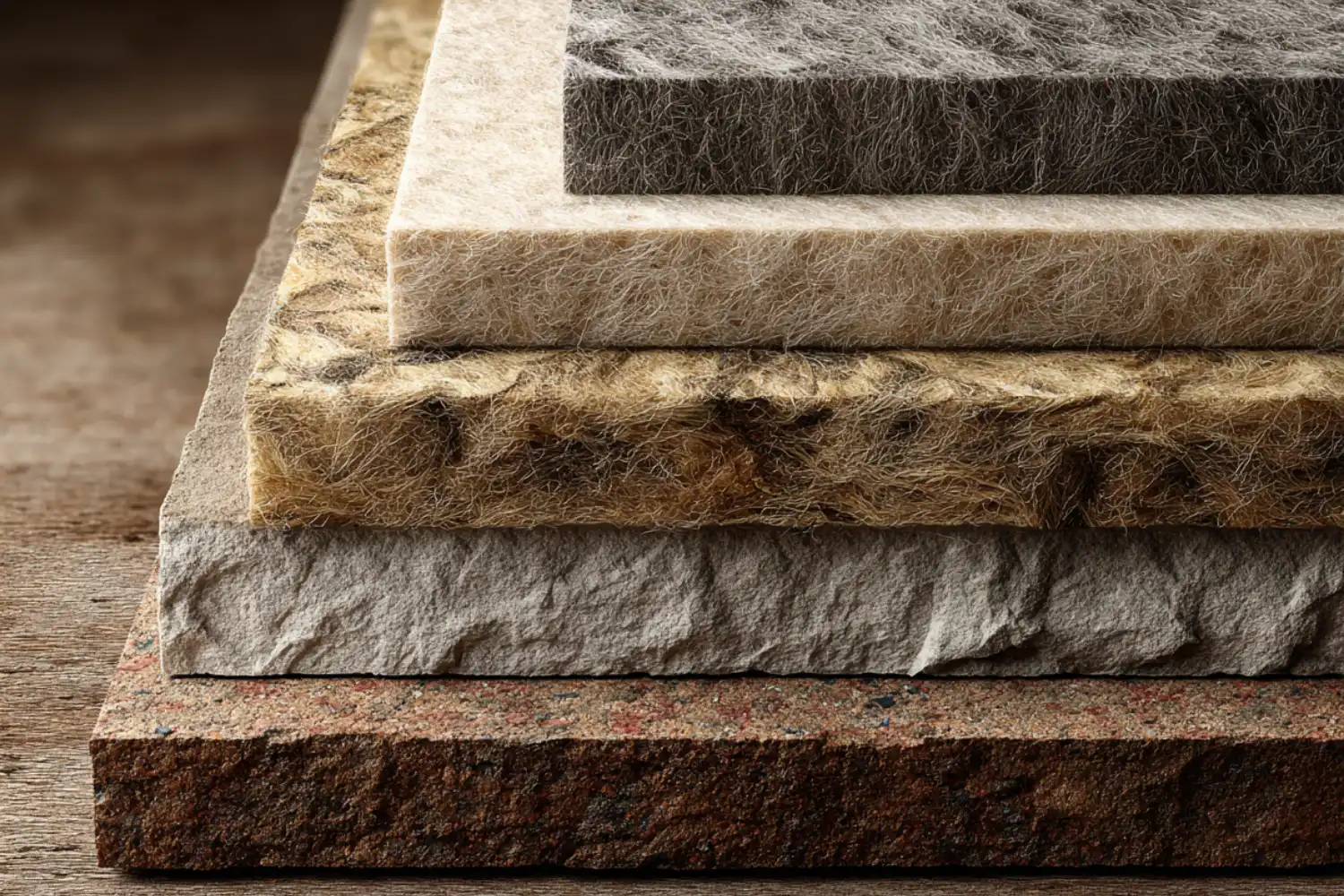
Conventional fiberglass batt insulation has improved over the decades, but wool insulation, hemp-lime composites (hempcrete), cellulose, and wood-fiber boards offer strong biocompatible alternatives. Wool insulation naturally resists mold, regulates humidity, and can even absorb formaldehyde from surrounding materials. Hempcrete, a mix of hemp shiv and lime binder, is vapor-permeable, carbon-sequestering, and entirely free of synthetic chemicals. These options fit within the growing catalog of sustainable building materials that serve both environmental and health goals. For wall finishes, clay plasters and lime plasters replace conventional gypsum-and-paint systems while providing passive humidity regulation and zero VOC emissions.
Flooring
Cork, linoleum (true linseed-oil-based linoleum, not vinyl), solid hardwood with water-based finishes, natural stone, and ceramic tile are strong biocompatible options. Vinyl and laminate flooring often contain phthalates and formaldehyde-based adhesives, making them poor choices for health-conscious building projects. When specifying wood flooring, FSC-certified products without added urea-formaldehyde adhesives are the standard to target.
Paints, Finishes, and Adhesives
Zero-VOC and zero-SVOC paints are now available from several manufacturers. Look beyond the “low-VOC” label, which in many jurisdictions only requires concentrations below 50 g/L for interior coatings. True biocompatible finishes avoid biocides, coalescents, and other semi-volatile additives that continue to off-gas long after application. Natural oil finishes (linseed, tung) and mineral silicate paints are alternatives with excellent track records in projects that also incorporate biophilic facade design.
🎓 Expert Insight
“The human condition is universal. What is optimal for the human condition is the same, our biology is the same.” — Paul Scialla, Founder of Delos and the WELL Building Standard
This perspective underpins why biocompatibility standards apply across climates and cultures. Whether a project is in Scandinavia or Southeast Asia, the biological response to formaldehyde exposure or poor air quality remains consistent.

How Does Biocompatibility Connect to Sustainable Architecture?
Biocompatibility and sustainability overlap but are not identical. Sustainable architecture focuses on reducing environmental impact through energy efficiency, resource conservation, and lower carbon emissions. Biocompatibility sustainable architecture adds the occupant health dimension. A recycled steel beam is sustainable but neither helps nor harms indoor air quality. A formaldehyde-free plywood panel, on the other hand, is both sustainable (if sourced responsibly) and biocompatible. Understanding the cost dynamics of green architecture helps clarify why combining both approaches from the start is more economical than retrofitting later.
The future of sustainable architecture increasingly bridges these two concerns. WELL v2 includes ten concepts (Air, Water, Nourishment, Light, Movement, Thermal Comfort, Sound, Materials, Mind, and Community), with the Materials concept specifically addressing VOC restrictions, material transparency, and ingredient optimization. Projects pursuing both LEED and WELL certifications effectively cover both sustainability and biocompatibility in a single framework.
Bio Based Building Materials in Architecture
Bio based building materials architecture refers to products derived from renewable biological sources: timber, bamboo, straw, hemp, mycelium, cork, and sheep’s wool. These materials often score well on both sustainability and biocompatibility metrics because they are renewable, low in embodied energy, and typically free of synthetic chemical additives. Mycelium-based insulation panels, for instance, are grown from fungal networks on agricultural waste. They contain no synthetic binders, are naturally fire-resistant, and decompose harmlessly at end of life.
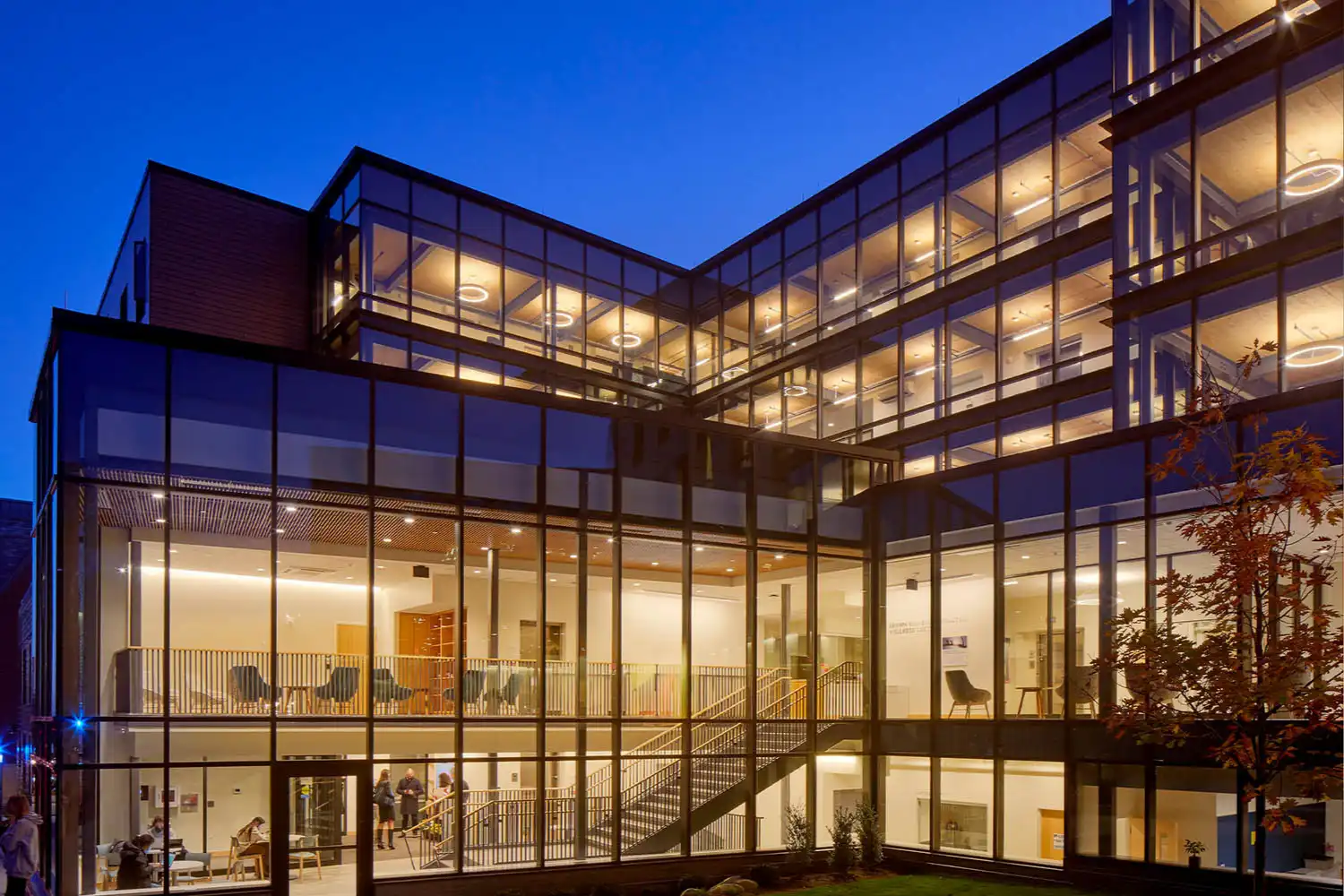
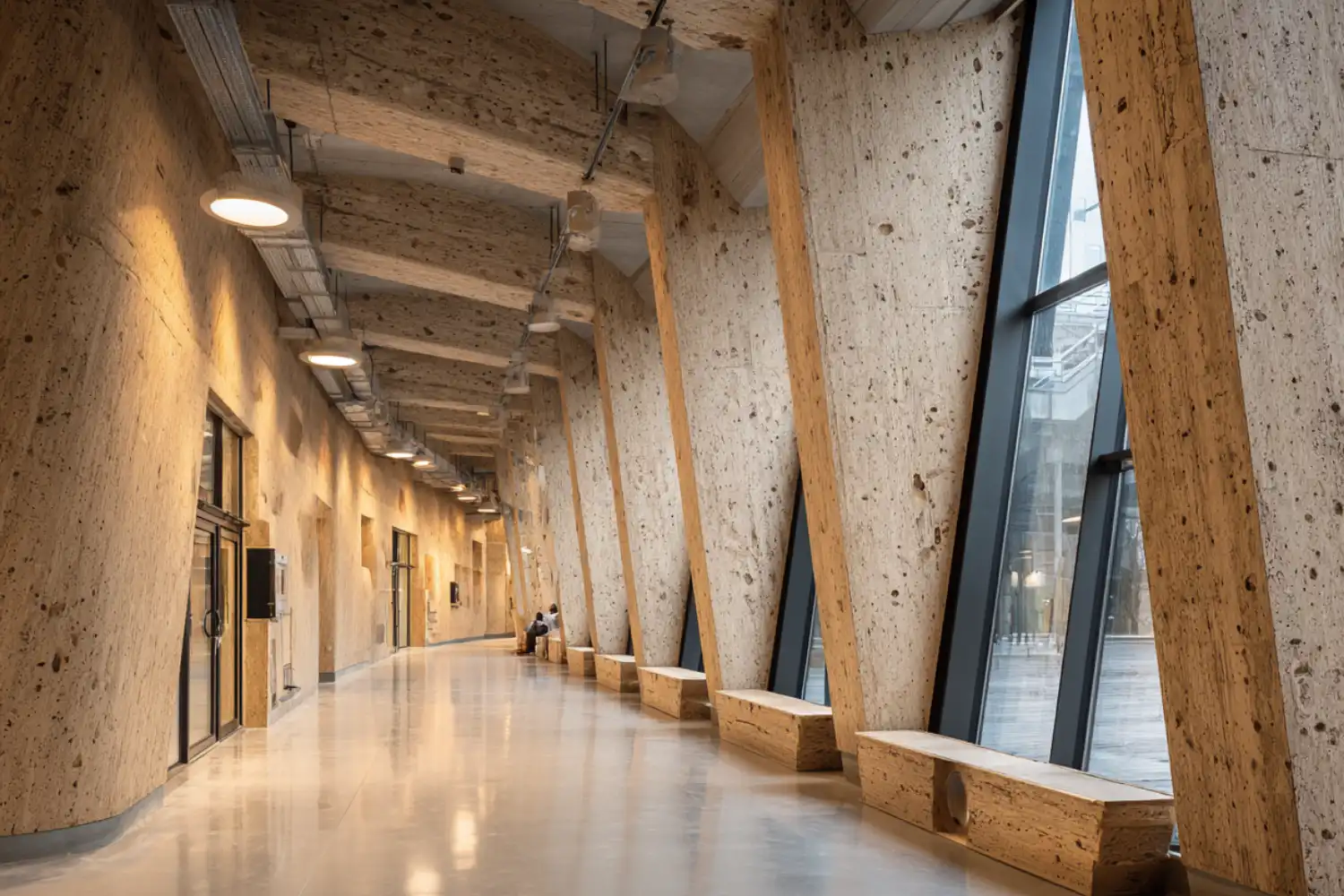
Cross-laminated timber (CLT) is another bio-based material gaining ground in sustainable architecture projects worldwide. When CLT panels use formaldehyde-free adhesives (polyurethane-based systems, for example), they satisfy both structural performance and biocompatibility requirements. Brown University’s Wellness Center and Residence Hall, designed by William Rawn Associates, used a hybrid CLT-and-steel structure specifically to reduce synthetic interior finishes and improve indoor air quality.
🏗️ Real-World Example
Bullitt Center (Seattle, 2013): Often called the greenest commercial building in the world, the Bullitt Center met the Living Building Challenge by using only materials free from a defined list of toxic chemicals (the Red List). Every product, from structural steel coatings to bathroom fixtures, was vetted for chemical content. The building is designed for a 250-year lifespan, compared to the 40-50 year norm for commercial buildings, dramatically lowering embodied carbon per year of use.
Biocompatible Architecture Examples Around the World
Biocompatible architecture examples are growing as certification systems and consumer awareness push the market toward healthier products. A few projects stand out for their commitment to occupant health at the material level.
The Kendeda Building for Innovative Sustainable Design at Georgia Tech in Atlanta achieved Living Building Challenge certification. Every material used in the project passed through a rigorous vetting process against the Red List, with over 800 individual products screened. The team documented substitutions for conventional products, creating a searchable material database that other projects now reference.
In Europe, the Baubiologie (Building Biology) movement in Germany has promoted biocompatible design since the 1960s. The Institut für Baubiologie + Nachhaltigkeit (IBN) trains professionals to evaluate buildings for 25 factors affecting occupant health, including electromagnetic fields, indoor air pollutants, moisture behavior, and thermal comfort. This framework is one of the most thorough applications of biocompatibility in architecture available.
Australia’s local materials movement has also produced biocompatible outcomes, particularly in projects using rammed earth and straw bale construction. These wall systems avoid synthetic materials entirely, relying on locally sourced mineral and plant-based components that interact safely with the indoor environment.
📐 Technical Note
According to the EPA, indoor VOC concentrations are consistently 2 to 5 times higher than outdoor levels, and can reach up to 10 times higher after activities like painting or installing new flooring. The WELL Building Standard v2 (Feature X06) requires wet-applied products to meet VOC limits of 50 g/L for flat paints and 150 g/L for adhesives, while furniture must meet ANSI/BIFMA e3 or equivalent emissions standards.
How to Apply Biocompatibility in Your Next Project
Putting biocompatibility into practice does not require a complete overhaul of your design process. It does require changes at the specification stage and a willingness to question default product selections.
Start by auditing your standard specification library. Identify products that rely on formaldehyde binders, PVC, or synthetic flame retardants, and research alternatives. Resources like the Health Product Declaration (HPD) Collaborative and the Declare Label program provide ingredient-level transparency for thousands of building products.
Next, consider the wall assembly as a system rather than a collection of individual layers. A vapor-permeable assembly using wood-fiber insulation, a breathable membrane, and lime plaster will manage moisture better than a conventional assembly sealed with polyethylene vapor barriers. This systems-level thinking is where biocompatible construction materials deliver the most value, because each layer supports the others rather than creating competing moisture or chemical dynamics.
Finally, specify commissioning for indoor air quality. Post-construction air testing can verify that the finished building meets the targets you set during design. Both LEED and WELL require this verification step for certification, and it is becoming standard practice across the industry.
💡 Pro Tip
During construction, request a two-week building flush-out period before occupancy. Run the HVAC system at full capacity with windows open (where possible) to purge residual VOCs from newly installed materials. LEED and WELL both recognize this procedure, and it can reduce initial pollutant concentrations by 50-70% compared to immediate occupancy.
Final Thoughts
Biocompatibility in architecture is not a separate discipline from sustainable design. It is a necessary extension of it. A building that saves energy but exposes its occupants to harmful chemicals has only solved half the problem. The best outcomes happen when environmental performance and occupant health are treated as equal priorities from day one.
The tools are already available: Red List screening, Declare Labels, GREENGUARD Gold certification, WELL Building Standard materials credits, and a growing catalog of bio-based and biocompatible products. The shift is not about finding new technology. It is about applying existing knowledge with greater discipline at the specification stage, and holding every material in a project to the same standard of care that medicine applies to materials placed inside the human body.
Environmental impact data and indoor air quality figures referenced in this article are based on the U.S. Environmental Protection Agency’s indoor air quality research and the International WELL Building Institute’s published standards. Specific health outcomes may vary by individual sensitivity and building conditions.
Frequently Asked Questions
What is biocompatibility in architecture?
Biocompatibility in architecture refers to designing buildings with materials and systems that are physiologically safe for human occupants. This includes avoiding substances that off-gas VOCs, formaldehyde, or other irritants, and selecting products that support healthy indoor air quality, moisture management, and thermal comfort.
What are the most common biocompatible building materials?
Common biocompatible materials for buildings include wool insulation, hempcrete, clay and lime plasters, cork flooring, solid hardwood with water-based finishes, natural stone, ceramic tile, and zero-VOC paints. Each of these materials avoids the synthetic chemical additives found in many conventional building products.
How is biocompatible architecture different from green building?
Green building focuses primarily on environmental impact: energy efficiency, carbon reduction, and resource conservation. Biocompatible architecture specifically targets the health interface between building materials and human biology. A building can be energy-efficient without being biocompatible, and vice versa. The strongest projects address both.
Which certifications address biocompatibility in buildings?
The WELL Building Standard directly addresses material health through its Materials concept. The Living Building Challenge requires Red List-free products. The Baubiologie (Building Biology) framework from Germany evaluates 25 health-related factors. GREENGUARD Gold certification verifies low chemical emissions for individual products.
Does biocompatible construction cost more?
Some biocompatible materials carry a premium, particularly specialty insulation and zero-SVOC finishes. However, reduced long-term healthcare costs, lower HVAC energy consumption (due to fewer pollutants requiring dilution), and higher property values often offset the upfront difference. Projects that plan for biocompatibility from the start, rather than as a retrofit, typically see smaller cost impacts.
- bio based building materials architecture
- bio-architecture
- biocompatibility in architecture
- biocompatibility sustainable architecture
- biocompatible architecture design
- biocompatible architecture examples
- biocompatible building materials
- biocompatible construction materials
- biocompatible materials for buildings
- what is biocompatibility in building design

















Leave a comment