



Table of Contents Show
Biocompatibility in architecture refers to the practice of designing and constructing buildings with materials and systems that are physically and chemically compatible with human health and the surrounding ecosystem. By prioritizing non-toxic, bio-based, and low-emission materials, biocompatible building design reduces occupant exposure to harmful substances while supporting energy efficiency and ecological balance.
Buildings account for a significant share of global resource consumption and chemical exposure. The materials lining our walls, floors, and ceilings directly affect the air we breathe and the long-term health of everyone inside. Biocompatible architecture design addresses this by filtering out harmful compounds at the source and replacing conventional products with alternatives that work with the human body rather than against it. Below are eight specific benefits that make biocompatible building materials a practical priority for architects, builders, and building owners.
1. Improved Indoor Air Quality Through Low-Emission Materials
Conventional building products such as particleboard, vinyl flooring, and solvent-based paints release volatile organic compounds (VOCs) into indoor air for months or even years after installation. These emissions contribute to headaches, respiratory irritation, and long-term health conditions. Biocompatible construction materials eliminate or drastically reduce this off-gassing by replacing petroleum-based adhesives, formaldehyde binders, and synthetic coatings with plant-based, mineral, or naturally derived alternatives.
Low-VOC and zero-VOC paints, natural lime plasters, solid hardwood flooring, and wool insulation are examples of materials that keep indoor air clean without sacrificing performance. The WELL Building Standard specifically measures air quality and material emissions to certify buildings that protect occupant health, making it a useful benchmark for biocompatible architecture design projects.
💡 Pro Tip
When specifying interior finishes, request Material Safety Data Sheets (MSDS) from every supplier and cross-check VOC content against GREENGUARD Gold or CDPH Section 01350 limits. Many products marketed as “green” still contain measurable formaldehyde or isocyanate compounds that only appear in the fine print.
2. Reduced Chemical Exposure for Occupants
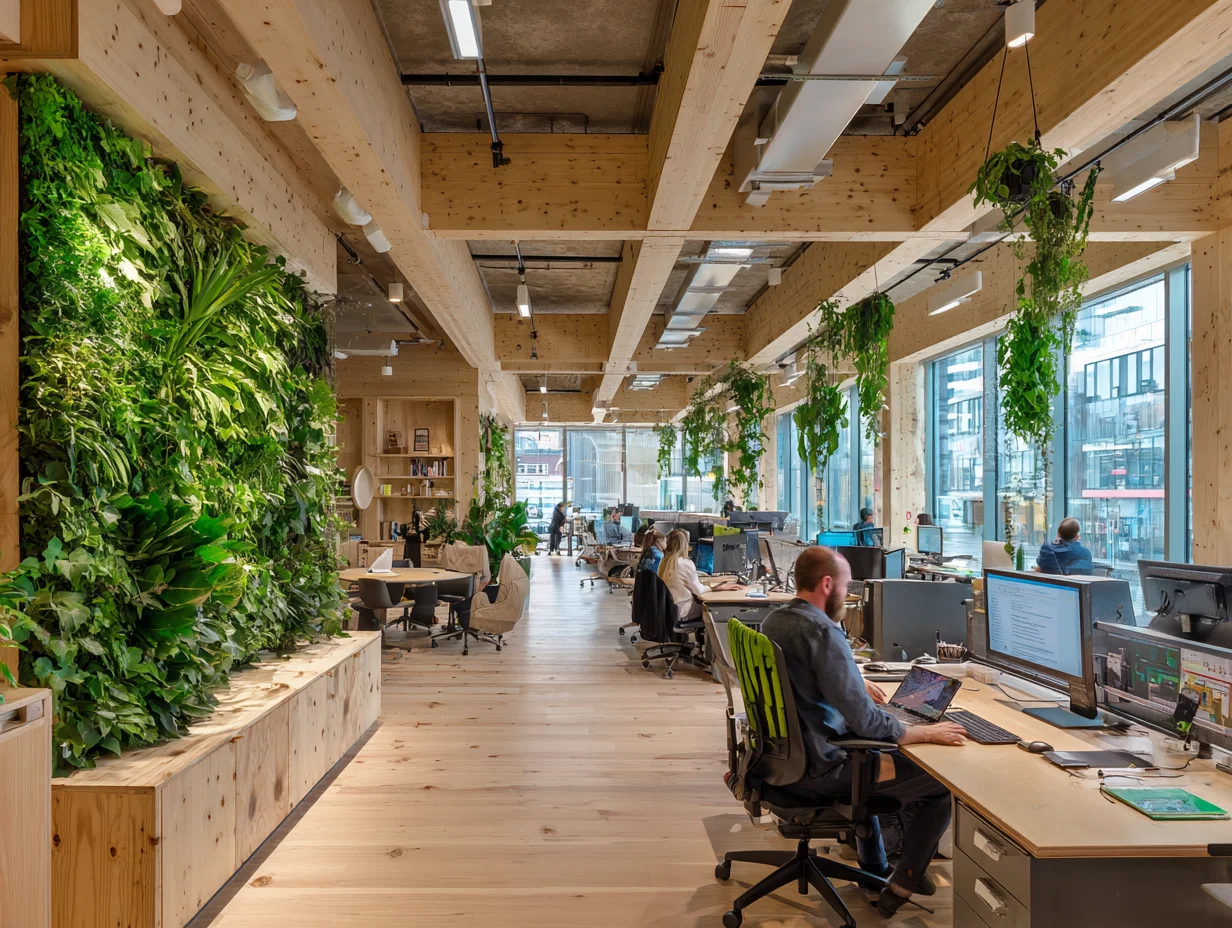
Beyond VOCs, conventional construction introduces a range of chemicals into occupied spaces. Flame retardants in foam insulation, phthalate plasticizers in PVC piping, and heavy metals in certain pigments all carry documented health risks. Biocompatible materials for buildings avoid these substances entirely. Natural fiber insulation (hemp, sheep’s wool, cellulose), clay-based plasters, and mineral paints replace their synthetic counterparts without compromising fire resistance or durability.
This benefit is especially relevant for sensitive populations. Schools, hospitals, and residential projects serving young children, elderly residents, or individuals with chemical sensitivities gain measurable health improvements when biocompatible materials replace conventional products. A 2020 study published in the International Journal of Environmental Research and Public Health found that switching from petroleum-based composites to fully bio-based biocomposites reduced human health impacts by more than 50% in terms of both indoor and outdoor emissions.
3. Better Thermal Comfort and Energy Performance
Many biocompatible building materials carry inherent thermal advantages. Rammed earth walls, for instance, function as thermal batteries that absorb heat during the day and release it at night, reducing the need for mechanical heating and cooling. Hempcrete (a mixture of hemp shiv and lime binder) provides both insulation and moisture regulation in a single wall layer. Cork, straw bales, and wood fiber boards all deliver competitive R-values while remaining fully biodegradable at end of life.
These materials reduce operational energy consumption over the building’s lifespan. A well-insulated hempcrete wall, for example, can achieve U-values between 0.15 and 0.20 W/m²K depending on thickness, placing it within passive house territory. The result is lower utility bills, smaller HVAC equipment, and a more stable indoor temperature year-round.
📐 Technical Note
Hempcrete walls are typically cast at 300 mm to 400 mm thickness for temperate climates, yielding thermal conductivity values of approximately 0.06 to 0.09 W/mK. Unlike conventional insulation, hempcrete actively buffers humidity (absorbing and releasing moisture without degradation), which stabilizes perceived comfort and reduces condensation risk within the wall assembly.
4. Moisture Regulation and Mold Prevention
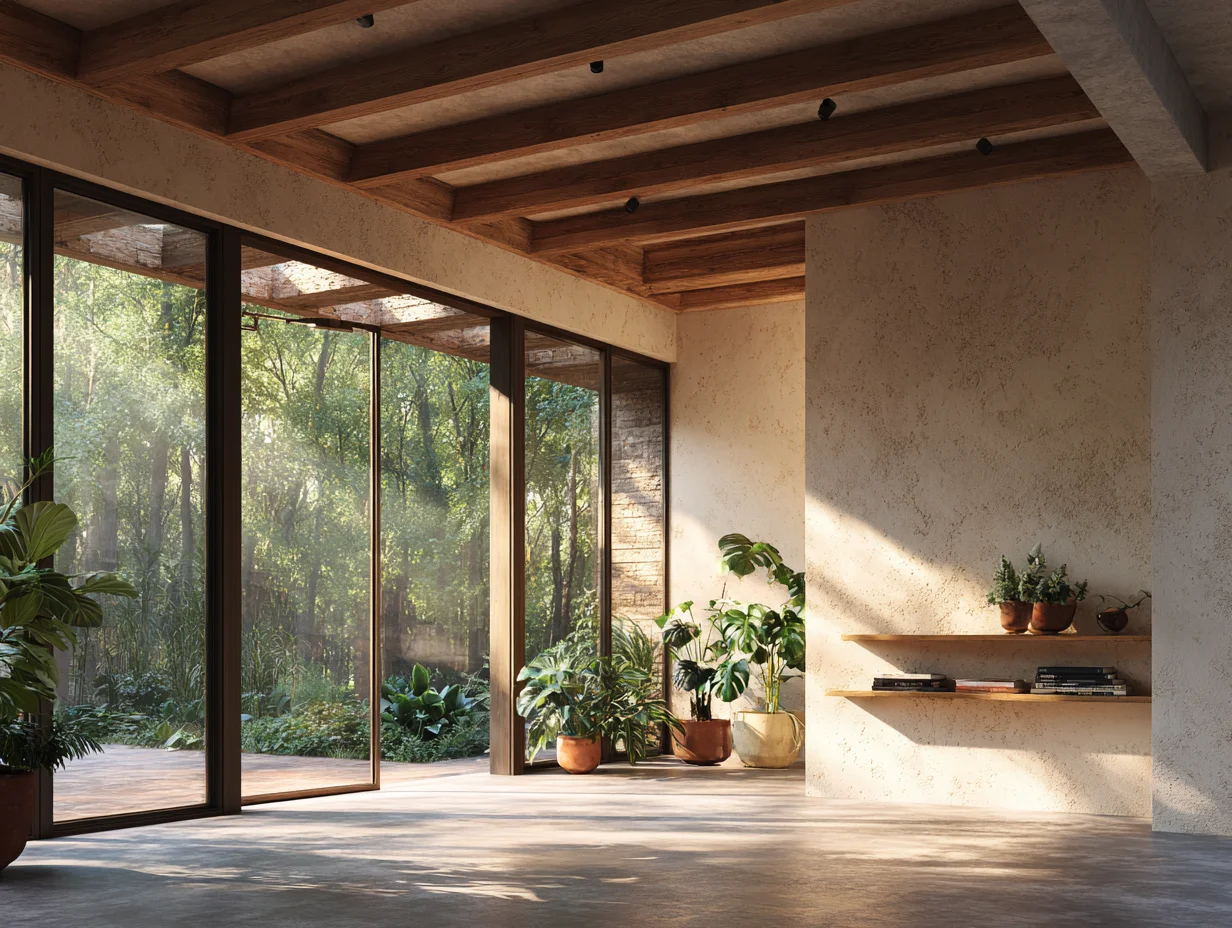
Mold growth inside wall cavities and on interior surfaces is one of the most common building failures, and it directly harms occupant health. Conventional vapor barriers and synthetic insulation can trap moisture, creating ideal conditions for mold colonies. Bio architecture takes a different approach by specifying vapor-permeable materials that allow walls to “breathe.”
Clay plasters, lime renders, and wood-fiber insulation boards move moisture through the wall assembly without trapping it. This hygroscopic behavior keeps relative humidity within a healthy range (40% to 60%) and prevents the damp conditions that support mold, dust mites, and bacterial growth. For climates with high humidity or significant temperature swings between seasons, this moisture-buffering capacity is a practical advantage that synthetic materials cannot replicate.
⚠️ Common Mistake to Avoid
A frequent error is wrapping a breathable wall system (such as hempcrete or straw bale) in a conventional polyethylene vapor barrier. This traps moisture inside the assembly and defeats the hygroscopic performance the material was selected for. Instead, use vapor-variable membranes or rely on the plaster layers themselves to manage vapor diffusion.
5. Lower Embodied Carbon and Reduced Environmental Footprint
The carbon cost of manufacturing, transporting, and installing building materials (known as embodied carbon) accounts for a growing share of a building’s total lifecycle emissions. Biocompatible construction materials such as timber, bamboo, straw, and mycelium-based panels carry significantly lower embodied carbon than concrete, steel, or aluminum. Many of these materials are also carbon-sequestering: the plant absorbed CO₂ during growth, and that carbon remains stored in the finished building element.
According to a study cited by the World Green Building Council, using mass timber instead of conventional materials like steel and concrete can reduce global warming potential by 26.5%. When bio-based building materials architecture is combined with local sourcing, the transportation emissions drop further, making the total carbon balance of the project far more favorable.
How Does Bio Architecture Reduce Carbon Emissions?
Bio architecture reduces carbon emissions through three overlapping mechanisms. First, the materials themselves require less energy to process. Kiln-dried timber, for example, demands far less energy than smelting steel or calcining cement. Second, plant-based materials actively sequester atmospheric carbon during their growth phase. Third, many biocompatible materials are locally available, cutting freight distances and the diesel consumption associated with long-haul transport. Together, these factors can reduce the embodied carbon of a building’s material palette by 40% to 70% compared to a conventional steel-and-concrete baseline.
🏗️ Real-World Example
Flat House (Margent Farm, Cambridgeshire, UK, 2019): Designed by Practice Architecture and Material Cultures, this residential building uses hemp grown on the surrounding farm as the primary wall material. The hempcrete walls, combined with a timber frame, sequester more carbon than the construction process emitted, making the house effectively carbon-negative. The project demonstrated that biocompatible materials for buildings can achieve net-negative embodied carbon when sourced within walking distance of the site.
6. Support for Occupant Well-Being and Biophilic Connection
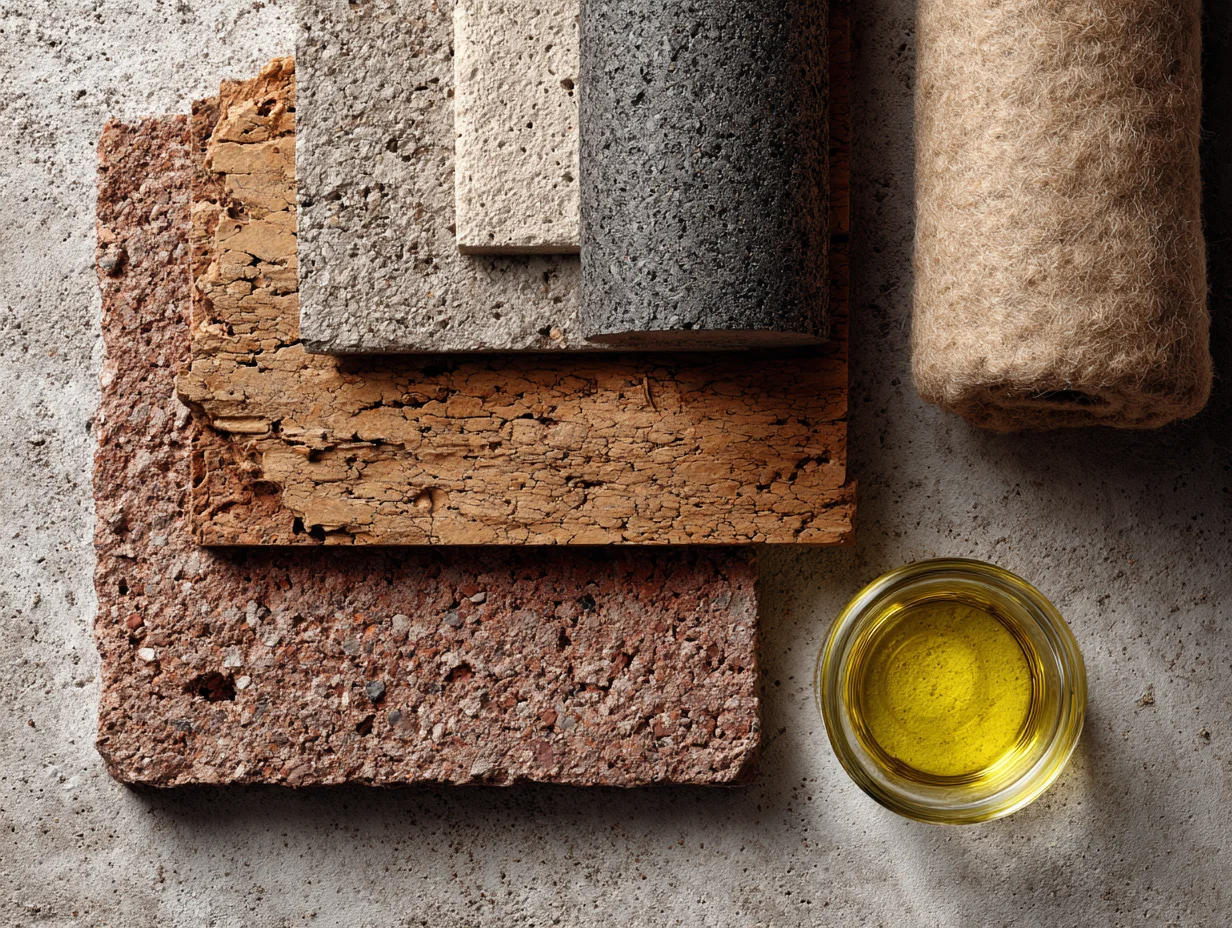
Biocompatible architecture design extends beyond chemistry and into psychology. Natural materials such as exposed timber, stone, and clay create visual and tactile connections to the natural world. Research in environmental psychology consistently shows that occupants in spaces with visible wood surfaces report lower stress, improved mood, and higher satisfaction compared to identical rooms finished in synthetic materials.
This effect ties into the broader concept of biophilic design, which seeks to integrate nature into built environments. Biocompatible materials serve double duty here: they remove chemical stressors from the air while simultaneously providing the sensory qualities (grain patterns, warmth, texture, and natural scent) that trigger positive physiological responses in occupants. The result is a space that is both measurably healthier and subjectively more comfortable.
🎓 Expert Insight
“When building occupants are exposed to natural elements like wood, it creates a direct connection with nature that has been shown to help improve mood, health, productivity, and comfort.” — Naturally:Wood (Canadian Wood Council)
This aligns with a growing body of research confirming that visible wood surfaces in interior environments reduce sympathetic nervous system activity and cortisol levels, creating calmer and more restorative spaces for work and living.
7. Durability and Long-Term Performance
A common misconception about biocompatible building materials is that they sacrifice durability. In practice, many bio-based materials match or exceed the lifespan of their conventional counterparts when detailed correctly. Lime mortar, used for centuries in masonry, is self-healing: it slowly reabsorbs CO₂ from the atmosphere and re-carbonates, closing hairline cracks without intervention. Timber structures, properly protected from moisture, routinely last hundreds of years, as visible in medieval churches and barns across Europe and Japan.
The key is appropriate detailing. Biocompatible materials perform best when their natural properties are respected in the design. Timber needs adequate overhangs and ventilation gaps. Rammed earth requires protective base courses and proper drainage. Clay plasters need breathable wall assemblies. When these conditions are met, the materials age gracefully, often improving in character over time rather than degrading.
💡 Pro Tip
When specifying biocompatible timber cladding, detail the base of the cladding at least 150 mm above finished ground level and ensure a ventilated cavity behind the boards. These two measures alone prevent 90% of premature timber decay in external wall applications, regardless of species.
8. Alignment with Green Building Certifications and Regulations
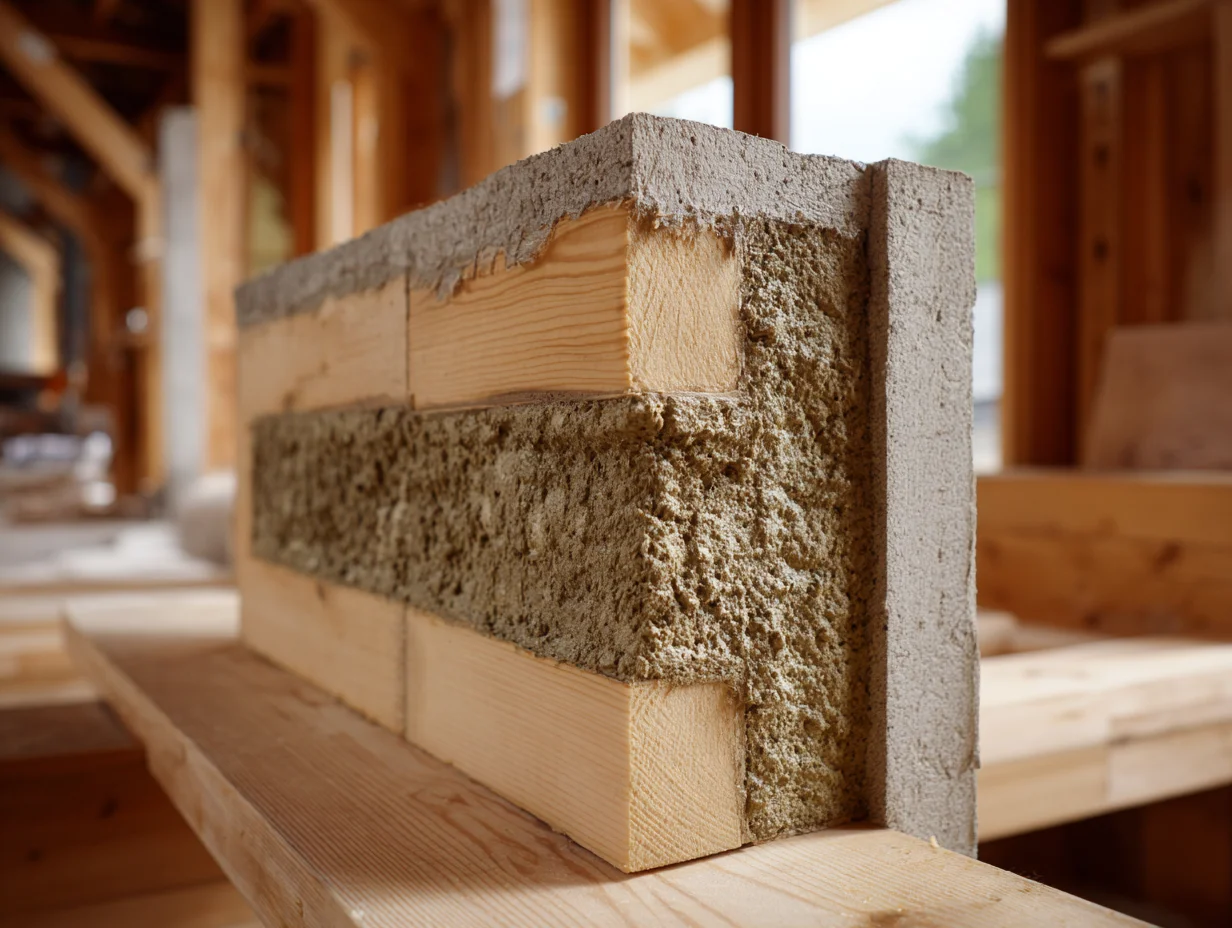
Biocompatibility in architecture aligns directly with the material health requirements of major green building certification systems. LEED v4 awards credits for low-emitting materials, building product disclosure, and environmental product declarations. The WELL Building Standard evaluates material toxicity, air quality, and occupant comfort across its ten concepts. The Living Building Challenge goes further, maintaining a “Red List” of chemicals and compounds that are banned entirely from certified projects.
Choosing biocompatible construction materials simplifies compliance with these frameworks. A project built with solid timber structure, natural insulation, mineral paints, and clay plasters will meet most material-related credits without needing complex documentation or product substitutions. As regulations tighten around indoor air quality and embodied carbon (the EU’s revised Energy Performance of Buildings Directive, for example, now requires lifecycle carbon assessments), architects who already specify biocompatible materials will be ahead of the compliance curve.
Biocompatible vs. Conventional Building Materials
The following table summarizes the key differences between biocompatible and conventional building materials across several performance categories:
| Category | Biocompatible Materials | Conventional Materials |
|---|---|---|
| VOC Emissions | Low to zero off-gassing | Moderate to high off-gassing for years |
| Embodied Carbon | Low; many sequester carbon | High (cement, steel, aluminum) |
| Moisture Management | Vapor-permeable, hygroscopic | Relies on vapor barriers |
| End-of-Life Disposal | Biodegradable or recyclable | Landfill or energy-intensive recycling |
| Occupant Health Impact | Positive (cleaner air, biophilic effect) | Potential irritants and allergens |
| Certification Compliance | Meets WELL, LEED, LBC material credits | May require substitutions for credits |
Video: The Future of Bio-Based Building Materials
This panel discussion from Bio Innovations Midwest features architects and material scientists examining how bio-based materials are scaling up to replace high-carbon conventional products in the construction industry.
What Is Biocompatibility in Building Design?
Biocompatibility in building design is the practice of selecting materials, systems, and construction methods that are chemically and physically compatible with human biology and the natural environment. This means avoiding substances that irritate skin, lungs, or mucous membranes; choosing materials that do not release harmful compounds during their installed life; and favoring products derived from renewable, minimally processed sources. The concept draws from medical science (where biocompatibility describes materials safe for contact with human tissue) and applies it at building scale.
A biocompatible approach considers the full lifecycle of each material. Raw material extraction, manufacturing processes, in-use emissions, and end-of-life disposal all factor into the assessment. A floor tile made from natural linoleum (linseed oil, cork dust, wood flour, and jute backing) scores well across every stage. A vinyl tile, by contrast, involves petrochemical feedstocks, plasticizer additives, and generates persistent waste at demolition. The gap between these two options illustrates why biocompatibility sustainable architecture is gaining traction with both specifiers and regulators.
📌 Did You Know?
People spend roughly 90% of their time indoors, according to the U.S. Environmental Protection Agency (EPA). Indoor air can be two to five times more polluted than outdoor air, largely due to emissions from building materials, furnishings, and cleaning products. This statistic alone explains why biocompatible material selection has a direct, measurable impact on occupant health.
Biocompatible Architecture Examples in Practice
Several completed projects demonstrate how biocompatibility in architecture works at full building scale. The Bullitt Center in Seattle (2013), designed by Miller Hull Partnership, excluded over 360 toxic chemicals listed on the Living Building Challenge Red List. Every adhesive, sealant, paint, and structural product was screened for health and environmental impact before approval. The building’s indoor air quality consistently tests cleaner than the surrounding outdoor air.
In Europe, the Healthy Materials Lab at Parsons School of Design (The New School, New York) maintains an open-access database of healthier building materials sorted by category, from paints and insulation to structural systems and textiles. Architects can cross-reference products by health attribute, helping specification become faster and more transparent. Meanwhile, projects like natural construction resource buildings across rural Europe and Asia show that biocompatible architecture design is not limited to high-budget urban projects. Adobe, rammed earth, bamboo, and straw bale structures deliver healthy indoor environments using materials that cost a fraction of imported industrial products.
✅ Key Takeaways
- Biocompatibility in architecture prioritizes materials that are safe for human health and the surrounding ecosystem across their full lifecycle.
- Low-VOC and non-toxic materials directly improve indoor air quality, reducing headaches, respiratory irritation, and long-term chemical exposure.
- Bio-based materials like hempcrete, timber, and clay plaster deliver strong thermal and moisture regulation performance while sequestering carbon.
- Proper detailing is essential: biocompatible materials perform best when their natural hygroscopic and breathable properties are supported by appropriate construction methods.
- Specifying biocompatible materials simplifies compliance with LEED, WELL, and Living Building Challenge certification requirements.
Final Thoughts
Biocompatibility in architecture is not a niche interest or a luxury add-on. It is a practical design strategy that improves air quality, protects occupant health, reduces carbon emissions, and aligns with the direction of global building regulations. The materials exist, the supply chains are maturing, and the performance data supports the transition. For architects and builders looking to deliver buildings that are genuinely good for the people inside them, biocompatible building materials offer a clear and actionable path forward.
Environmental impact data and material performance figures referenced in this article are based on published research and manufacturer specifications. Actual performance may vary depending on climate, installation quality, and project-specific conditions. Always consult a qualified professional for project-specific material selection and detailing.
- bio based building materials architecture
- bio-architecture
- biocompatibility in architecture
- biocompatibility sustainable architecture
- biocompatible architecture design
- biocompatible architecture examples
- biocompatible building materials
- biocompatible construction materials
- biocompatible materials for buildings
- what is biocompatibility in building design
















Leave a comment