



Table of Contents Show
Architecture & mental health are tightly connected through a studio culture that normalizes sleepless nights, perfectionism, and constant public critique. Research shows that architecture students report depression, anxiety, and stress at rates well above the general student population, and the patterns repeat across countries, schools, and decades of surveys.
What the Data Says About Architecture and Mental Health

The connection between architecture and mental health is no longer anecdotal. A 2024 study published in the Building Healthy Academic Communities Journal found that 33% of architecture students screened positive for moderate to extremely severe depression, 46% for anxiety, and 33% for stress. These figures are not isolated to one program or country. They are consistent with surveys conducted in the UK, Canada, and the United States over the past two decades, and they point to a structural condition rather than an individual failure.
The Royal Institute of British Architects (RIBA) ran student wellbeing surveys in 2017 and 2018, and the trend line was not encouraging. Student-reported mental health difficulties rose from 26.5% in 2016 to 33% in 2018. During the pandemic, a 2020 RIBA COVID-19 survey found that 58% of students said their mental health deteriorated that year, and a 2021 Architects’ Journal survey reported that 45% of students had received treatment for mental health issues at some point during their studies.
🔢 Quick Numbers
- 33% of architecture students screen positive for moderate to extremely severe depression (Building Healthy Academic Communities Journal, 2024)
- 86% of architecture students reported going without sleep to complete a project (SONA, 2018)
- 58% of students said their mental health deteriorated during the pandemic (RIBA COVID-19 Survey, 2020)
- 45% of students had received mental health treatment during their studies (Architects’ Journal Survey, 2021)
How Studio Culture Shapes Architecture School Mental Health
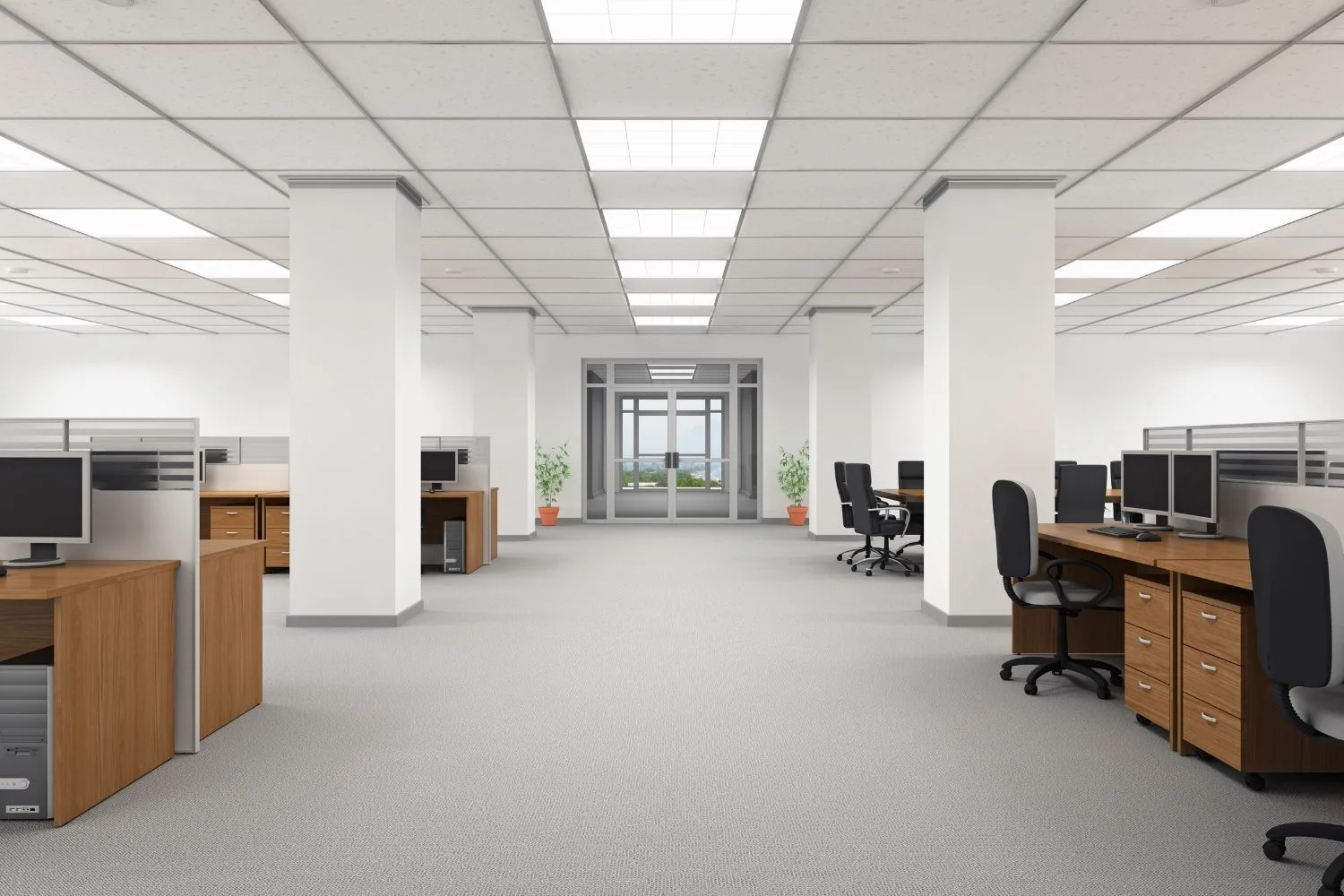
The design studio is the defining environment of architectural education, and it is also where much of the mental health damage takes root. Studio culture has been criticized for normalizing long hours, erasing the boundary between academic and personal life, and treating exhaustion as evidence of commitment. A 2025 systematic review in TPM described how these conditions cluster around a predictable set of structural stressors: simultaneous deadlines, unchallenged perfectionism, and critique environments that can feel public and personal at the same time.
Sleep deprivation is the most documented symptom of this culture. A 2018 SONA survey found that 86% of architecture students reported sometimes or always going without sleep to finish a project, and a separate UK study reported that 91% of students had worked through the night at least once for their studies, with 29% doing so regularly. Chronic sleep loss reduces creative capacity, working memory, and decision-making, which are exactly the cognitive functions architecture depends on. Students who skip sleep to work harder are usually working with significantly impaired tools.
💡 Pro Tip
Protecting two nights of full sleep per week, even during project sprints, produces measurably better cognitive output than going without. Build recovery into your calendar the same way you schedule studio hours, not as something that happens after the deadline passes.
Why Is the Crit Especially Hard on Students?
The crit, or design review, is where students present work to a jury of tutors and guest critics. In healthy programs it is a learning tool. In unhealthy ones, it becomes a performance anxiety trigger that students spend weeks dreading. A 2019 RIBA-funded study by Robert Gordon University found that students frequently cited the behaviors and attitudes of tutors as contributing factors to their distress, and that “normative cultures” around personal sacrifice and long working hours were widely seen as harmful. The public nature of critique, the subjectivity of grading, and the absence of clear rubrics can leave students feeling that their identity is being judged alongside their work.
The Architecture Student Experience: Beyond the Studio

Mental health in architecture education is not only about hours spent at the desk. Financial pressure, debt, and the length of the qualification path all layer on top of studio stress. In a 2018 UK survey, 38% of architecture students reported they would accumulate £30,000–£50,000 of debt by the end of their course. Combined with part-time work, software costs, printing, models, and long commutes, the financial picture adds a quiet but persistent source of anxiety that does not appear in crit feedback but shows up in every decision a student makes about their life.
Perfectionism is another layer. Architectural education tends to attract students who are already high performers, and the culture often rewards those who push hardest visible. Without explicit norms around rest and limits, students can internalize the belief that any downtime is a moral failure. That belief is measurable in the data on reported anxiety and is what researchers mean when they describe architectural pedagogy as “constructing adverse learning environments.”
🎓 Expert Insight
“It should not be an accepted truth that studying and practicing architecture can damage your mental health.”, Virginia Newman, RIBA Mental Health Champion
Newman’s statement, made as part of RIBA’s student wellbeing initiative, reframes the question. The issue is not whether students can cope with architectural education as it exists. It is whether the education as it exists should be allowed to damage them in the first place.
How Architecture and Mental Health Books Frame the Conversation
A growing body of architecture and mental health books and peer-reviewed studies has started to document the problem systematically. The American Institute of Architecture Students (AIAS) first raised structural concerns in its 2002 Redesign of Studio Culture report, which traced unhealthy expectations back to a 1991 article by Thomas Fisher titled “Patterns of Exploitation.” The 2004 Studio Culture Summit echoed the same findings, and the 2020 Learning and Teaching Culture Policy Project confirmed that little had changed in nearly two decades. More recent contributions from Ben Channon and the Architects’ Mental Wellbeing Forum have translated research into practical workplace guidance for firms hiring architecture graduates.
The research consensus is that the problem is chronic, structural, and identifiable. Solutions exist in the literature. What is missing in many schools is the institutional will to apply them.
⚠️ Common Mistake to Avoid
Framing architecture student mental health as a resilience problem is one of the most persistent errors in the conversation. When schools respond to rising distress with wellness events, yoga sessions, or time-management workshops alone, they treat symptoms while leaving the structural causes untouched. Research consistently shows that the workload, critique culture, and deadline stacking are the drivers, not a lack of student coping skills.
What Architecture Schools Can Change
The 2025 TPM systematic review laid out several evidence-based interventions, and most of them are practical rather than expensive. Balanced workload policies that prevent multiple courses from stacking deadlines in the same week are among the most effective. Explicit faculty discouragement of all-nighter culture matters more than post-hoc wellness events. Constructive critique practices that acknowledge the emotional dimension of design feedback can lower the anxiety that builds around reviews.
Some schools have begun capping studio access hours to break the 24-hour studio norm, and others are integrating mental health awareness, open communication, and resilience-building into the first-year curriculum rather than waiting until a student is in crisis. The Graduate Architecture, Landscape, and Design Student Union (GALDSU) at the University of Toronto published a mental health survey whose student-authored recommendations have been cited widely as a model for how change can start from within a program, and ArchDaily’s coverage of that report helped bring the issue to a broader international audience.
What Architecture Students Can Do Right Now

Structural change is slow. While it happens, individual students can protect themselves without opting out of their education. The most common practical advice in the research and from organizations like MIND is straightforward: track your sleep and treat it as non-negotiable, build one fixed social commitment per week that exists outside of studio, set a hard stop time at least three nights a week, and tell at least one person when you are struggling. The 2019 RIBA-funded study found that architecture students were 13% more likely than the general student population to tell friends about mental distress, and that peer disclosure is one of the protective features of the subculture. Practical habits such as time management and boundary setting, covered in our guide to top architecture education tips, are protective not just academically but also mentally. The 2019 RIBA-funded study found that architecture students were 13% more likely than the general student population to tell friends about mental distress, and that peer disclosure is one of the protective features of the subculture.
Before committing to architecture at all, prospective students can also gather information. Looking at honest pros and cons of an architecture career and realistic pathways to becoming an architect helps set expectations about the intensity and length of the training before starting.
💡 Pro Tip
Keep a private weekly log of your sleep hours, studio hours, and mood on a simple 1–10 scale. After four weeks the pattern becomes visible. Students who can see the correlation between sleep and mood on paper are more likely to protect sleep during the next crit cycle, because the case is no longer abstract.
Financial Stress and Its Role in Architecture Students Mental Health
Financial pressure is one of the most underdiscussed drivers of architecture students’ mental health difficulties. The UK’s five-to-seven year path to qualification concentrates debt in a way most undergraduate degrees do not, and software licenses, printing, and model-making costs are often invisible to administrators who set tuition but do not see the weekly studio budget a student actually spends. For students considering architecture, identifying funding early can relieve some of this pressure. The learnarchitecture.net architecture scholarships guide for 2026 lists merit-based, need-based, and diversity-focused programs that many students do not discover until late in their applications, and the wider scholarships overview covers less publicized niche awards that receive fewer applications.
✅ Key Takeaways
- Architecture students report depression, anxiety, and stress at rates well above the general college population, confirmed by studies across multiple countries.
- Studio culture is a structural driver of these outcomes, not a student resilience problem.
- Sleep deprivation, crit anxiety, financial pressure, and perfectionism are the most documented stressors.
- Evidence-based interventions already exist: balanced workloads, constructive critique, and explicit discouragement of all-nighter culture.
- Individual protective strategies, especially protected sleep and peer disclosure, measurably improve student outcomes while structural change is underway.
Final Thoughts
The link between architecture and mental health is well established in the research, and the structural causes sit inside studio culture rather than inside individual students. Schools that treat wellbeing as seriously as they treat design quality will produce stronger architects and healthier ones. The numbers have been telling the same story for more than twenty years. The opportunity now is to act on what the data already shows.
Mental health information shared in this article is drawn from peer-reviewed research and published surveys. It is intended for general educational purposes and is not a substitute for professional medical or psychological advice. Students experiencing distress are encouraged to contact their university’s support services or national mental health organizations such as MIND in the UK.
- architecture & mental health
- architecture and mental health
- architecture and mental health books
- architecture and mental health thesis
- architecture effect on mental health
- architecture impact on mental health
- architecture school mental health
- architecture student mental health
- architecture students and mental health
- architecture students mental health










Leave a comment