


Table of Contents Show
Tight lots, shared walls, and sky-high land costs are the new normal in cities. So how do architects design for small urban spaces without sacrificing comfort or character? We start by treating every square inch like a resource. That means decoding constraints, prioritizing what matters, and layering clever planning with light, verticality, and performance. Here’s how we approach compact city homes and mixed-use infill so they feel bigger, work harder, and last longer.
Understanding The Constraints Of Compact City Sites

Site Geometry, Setbacks, And Shared Walls
City parcels rarely behave. Odd triangles, flag lots, and zero-lot-line conditions are common, so we model the exact geometry and test layouts against required front, rear, and side setbacks. With party walls, we push windows to street and rear elevations, add light wells where permitted, and leverage clerestories over shared walls. Corner lots change the game, more exposure, but stricter glare and privacy rules.
Program Priorities And Lifestyle Mapping
Before drawing rooms, we map lifestyles. Do our clients host dinners, work from home, or need bike storage? We translate that into a program hierarchy. Maybe a single great room beats separate living and dining: maybe two micro-bedrooms with a shared flex den trump one giant suite. This “must-have vs. nice-to-have” rigor keeps the plan lean and purposeful.
Budget, Codes, And Approvals
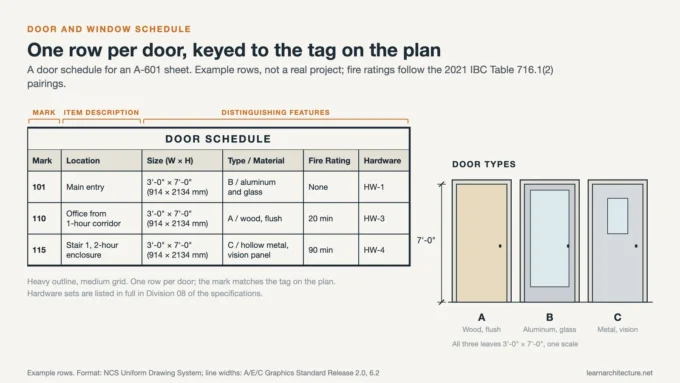
Small projects still navigate big bureaucracy. We confirm egress, sprinklers, energy codes, FAR, height limits, and lot coverage early to avoid redesign. Budgets shape structure and finishes, compact spans and repetitive framing save dollars. On tight schedules, we phase approvals and use prefabricated components to cut site time and neighborhood disruption.
Space Planning Strategies That Maximize Every Square Foot

Right-Sizing Rooms And Eliminating Redundancy
We right-size spaces to their real use. Kitchens run efficiently at 8 to 10 feet when storage climbs the wall. Bedrooms function well at 9′ x 10′ with built-ins. We trim circulation, skip double hallways, and combine functions, an entry bench becomes shoe storage: a window nook doubles as a desk.
Flexible, Multi-Use Layouts And Sliding Boundaries
Walls don’t have to be permanent. Pocket doors, full-height curtains, and operable partitions let a studio morph into living + guest zone. A fold-down table transforms from island to dining for six. We love “soft rooms”, spaces defined by millwork and lighting, not just drywall, so the home adapts as life changes.
Efficient Circulation And Service Cores
We consolidate plumbing, laundry, and mechanicals in a compact service spine to reduce chases and free perimeter walls for windows. Circulation runs along one edge, often just 36 inches clear, minimizing wasted square footage. When stairs are required, we push them to act as both a path and a storage-giving anchor, not a space hog.
Designing In The Third Dimension: Verticality And Storage

Lofts, Mezzanines, And Split Levels
Ceiling height is leverage. With 11 to 12 feet, we can add loft sleeping, a reading perch, or a mezzanine office that doesn’t consume the main floor. In rowhouse retrofits, half-level shifts create visual separation without full partitions, keeping light and air flowing while carving out privacy.
Built-Ins, Millwork, And Hidden Storage
Clutter shrinks space, storage returns it. We detail floor-to-ceiling wardrobes, toe-kick drawers, and wall niches between studs. Deep window sills double as seating with lift-up lids. In kitchens, vertical trays, pull-out pantries, and appliance garages keep counters clear. The trick is making storage feel like architecture, not afterthought cabinetry.
Stairs As Furniture And Spatial Dividers
Stairs can work triple duty: movement, storage, and zoning. Enclosed treads hide drawers: open risers share daylight. A guardrail becomes a bookshelf. With switchbacks, the landing becomes a mini-library: with straight runs, the underside houses a desk. We tune proportions for comfort, about 7-inch risers, 11-inch treads for urban everyday living.
Light, Air, And Perception In Small Spaces

Daylighting, Glazing, And Borrowed Light
Natural light is the ultimate enlarger. We stack windows vertically to pull brightness deep into the plan and use high transoms over doors to borrow light between rooms. Where side windows aren’t allowed, we add skylights, sun tunnels, or rear-facing glazing. Glass interior partitions keep privacy while sharing daylight.
Sightlines, Reflectance, And Material Palettes
Long, uninterrupted sightlines trick the eye. We align openings and keep tall doors at 8 feet where possible. Light, matte finishes bounce daylight: a single, calm material palette reduces visual noise. But we still add warmth, wood accents, textured plaster, or a saturated color in one niche, so the home feels personal, not sterile.
Ventilation, Acoustics, And Comfort
Small doesn’t mean stuffy. We pair operable windows with quiet, balanced ventilation (ERV/HRV) to keep air fresh. Acoustic control matters in compact layouts, resilient underlayments, dense insulation at party walls, and soft finishes tame echo. Thermal comfort is layered: high R-values, tight airsealing, and right-sized HVAC keep temperatures even without bulky equipment.
Sustainability And Performance On Tiny Footprints

High-Performance Envelopes And Thermal Control
A small envelope is an opportunity. We invest in continuous exterior insulation, careful flashing, and airtight detailing around windows and penetrations. Shading, awnings, fins, or exterior blinds, controls solar gain so compact spaces don’t overheat.
Low-Carbon Materials And Circular Design
We specify FSC-certified wood, low-carbon concrete mixes where possible, and mineral wool or cellulose insulation. Modular millwork and demountable partitions let spaces evolve over time, extending the building’s life and cutting waste. Durable finishes, real wood, powder-coated metal, age well in high-use areas.
Water, Green Roofs, And Urban Biodiversity
On-site water strategies pull double duty. Green roofs manage stormwater, add insulation, and create pocket habitats for pollinators. Rain barrels or cisterns feed planters. Even a slim balcony can host native species, improving biodiversity and softening hardscapes.
Conclusion
Designing for tiny urban footprints is a creative sport we love. When we prioritize program, compress service zones, design in section, and choreograph light and air, small spaces live generously. That’s the heart of how architects design for small urban spaces: disciplined planning paired with human-centered details that make city living feel effortless.
- architectural design for small areas
- architecture for small spaces
- compact city living design
- compact urban living design
- creative micro-living spaces
- design strategies for tight spaces
- designing tight sites
- efficient small space architecture
- innovative urban space solutions
- intelligent design for urban living
- maximizing small urban spaces
- small home architecture
- small site design strategies
- small urban space design
- smart architecture ideas
- space-efficient architecture
- space-saving architecture ideas
- tiny space architecture
- urban architecture solutions
- urban micro-living design
- urban space optimization











Leave a comment