


Table of Contents Show
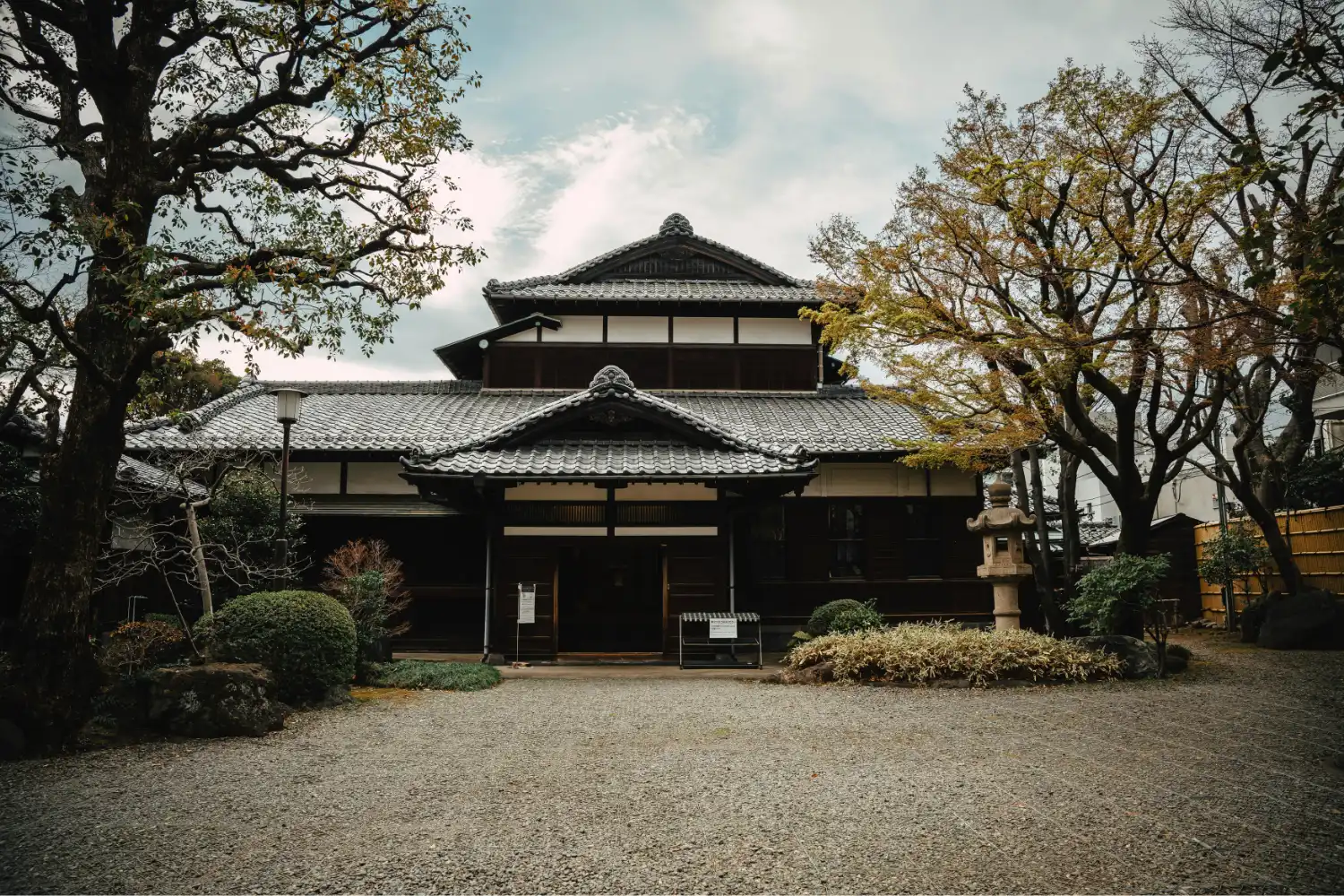
Japanese Kominka houses under $30K are traditional rural farmhouses, typically over 50 years old, sold through municipal akiya bank programs and specialist agencies in regions like Shikoku, Tottori, and Yamagata. Acquisition prices often start at zero, but full renovation usually adds two to three times the purchase cost.
What Is a Kominka and Why Are Some Selling for Almost Nothing?
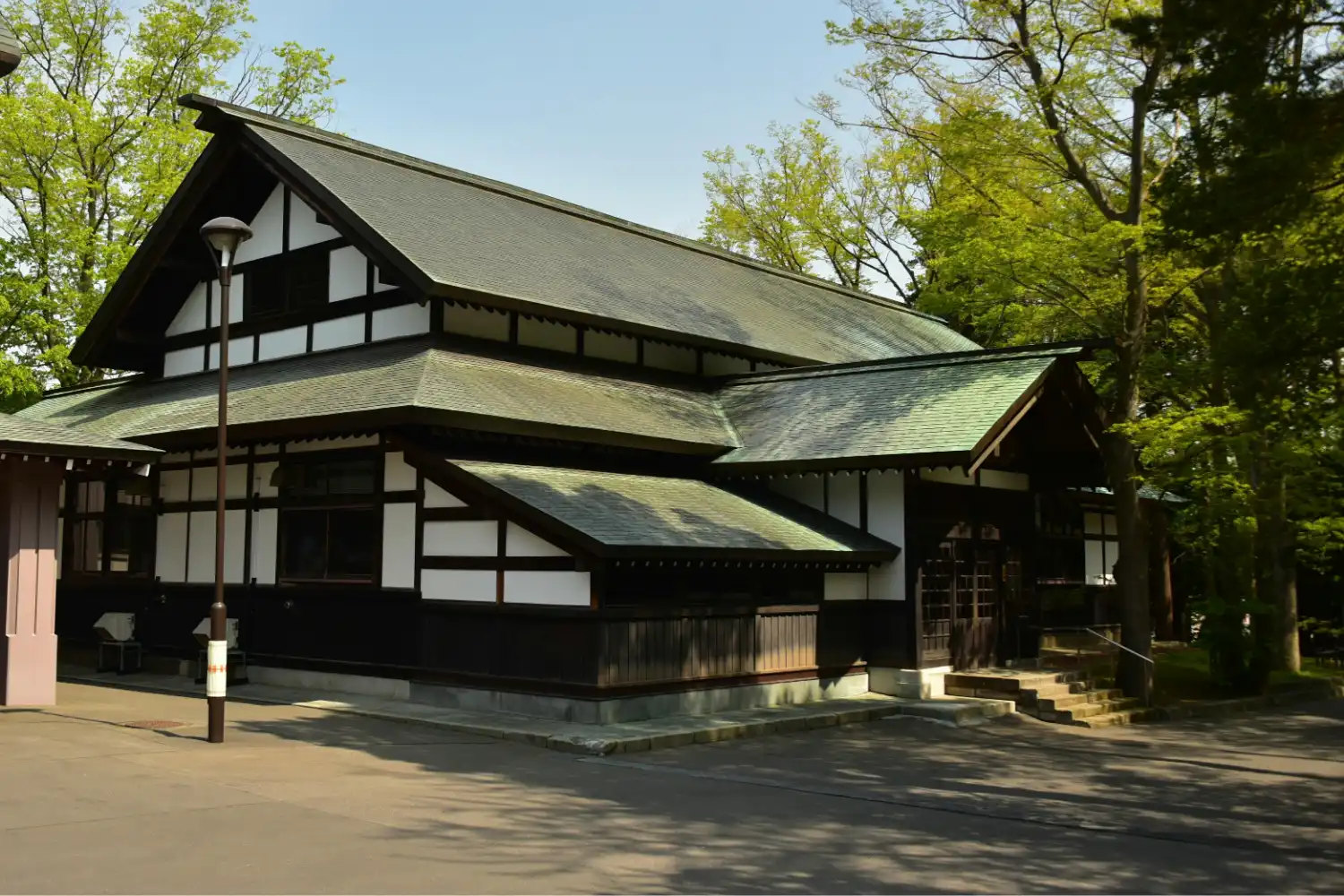
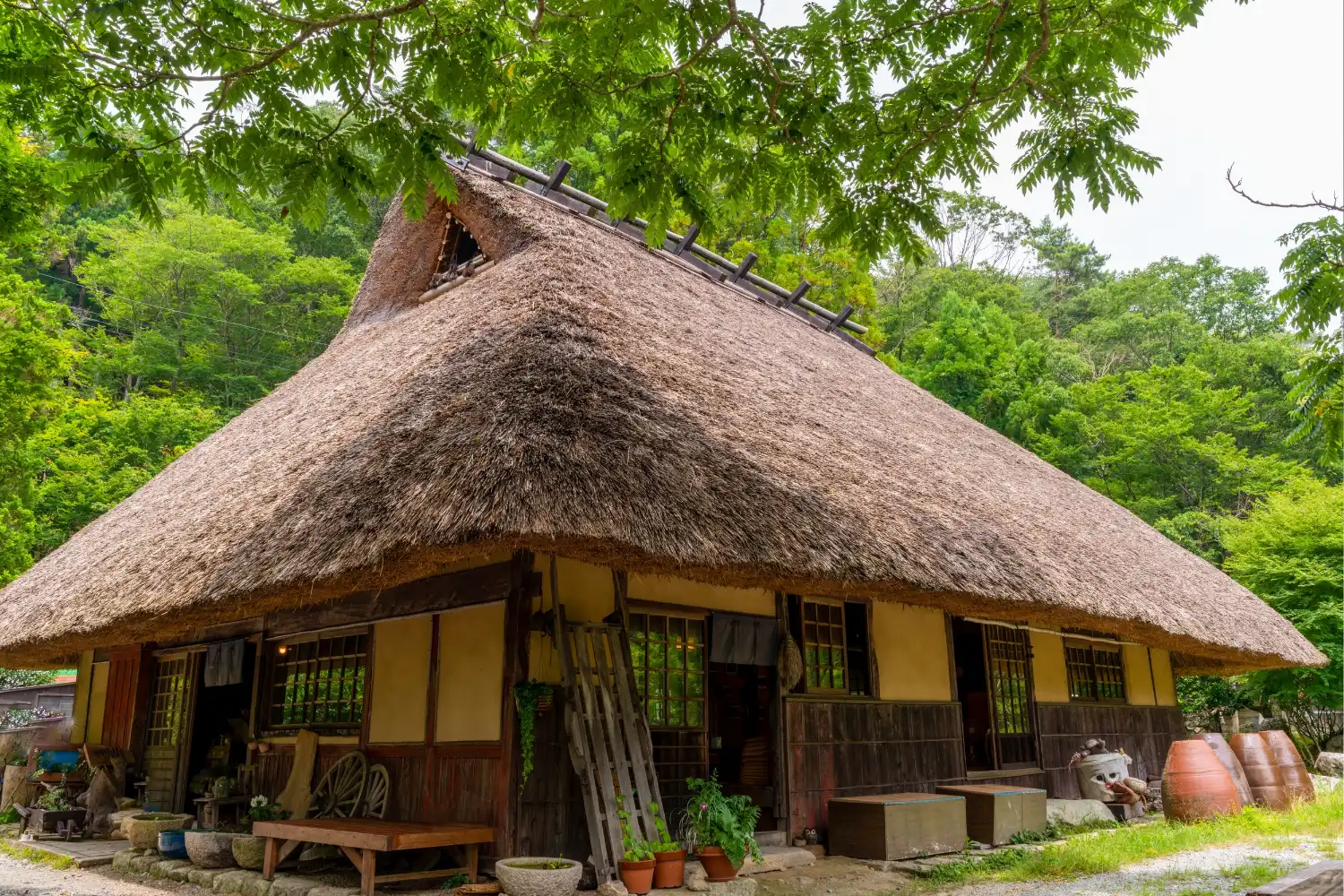
A kominka (古民家) is an old folk house built using traditional Japanese carpentry methods: post-and-beam timber framing, earthen walls, sliding shoji or fusuma partitions, and tatami-floored rooms organized around a central hearth. Most kominka were built before 1950, often in mountain villages or coastal hamlets, and they represent centuries of refined response to humid summers, snowy winters, and frequent earthquakes.
The reason so many are now available for the price of a used car has nothing to do with their architectural quality. Japan is going through one of the most dramatic demographic shifts of any developed country: rural depopulation, aging owners, and a younger generation that has moved permanently to cities. When the original family dies or relocates, the house often sits empty for years. According to Akiya Japan, there are approximately 9 million vacant houses across the country, about 13.8% of all housing stock, based on Japan’s 2023 Housing and Land Statistical Survey.
To get these houses back into use, over 1,000 municipalities now run akiya banks: free public databases that list vacant properties, including many traditional kominka. Some are sold, some are essentially given away to attract new residents. This is the supply side of the story, and it is what makes a sub-$30K kominka realistic rather than fantasy.
💡 Pro Tip
Before falling in love with any photos online, look up the property’s prefecture vacancy rate. Higher vacancy regions (Wakayama, Tokushima, Kochi) have more inventory and more flexible municipal programs, but they are also the most remote, with fewer contractors familiar with traditional joinery work and longer supply lines for materials.
Akiya, Minka, Kominka, Machiya: Sorting Out the Terms
These words get used interchangeably online, which causes confusion when you start searching listings. Each describes something specific.
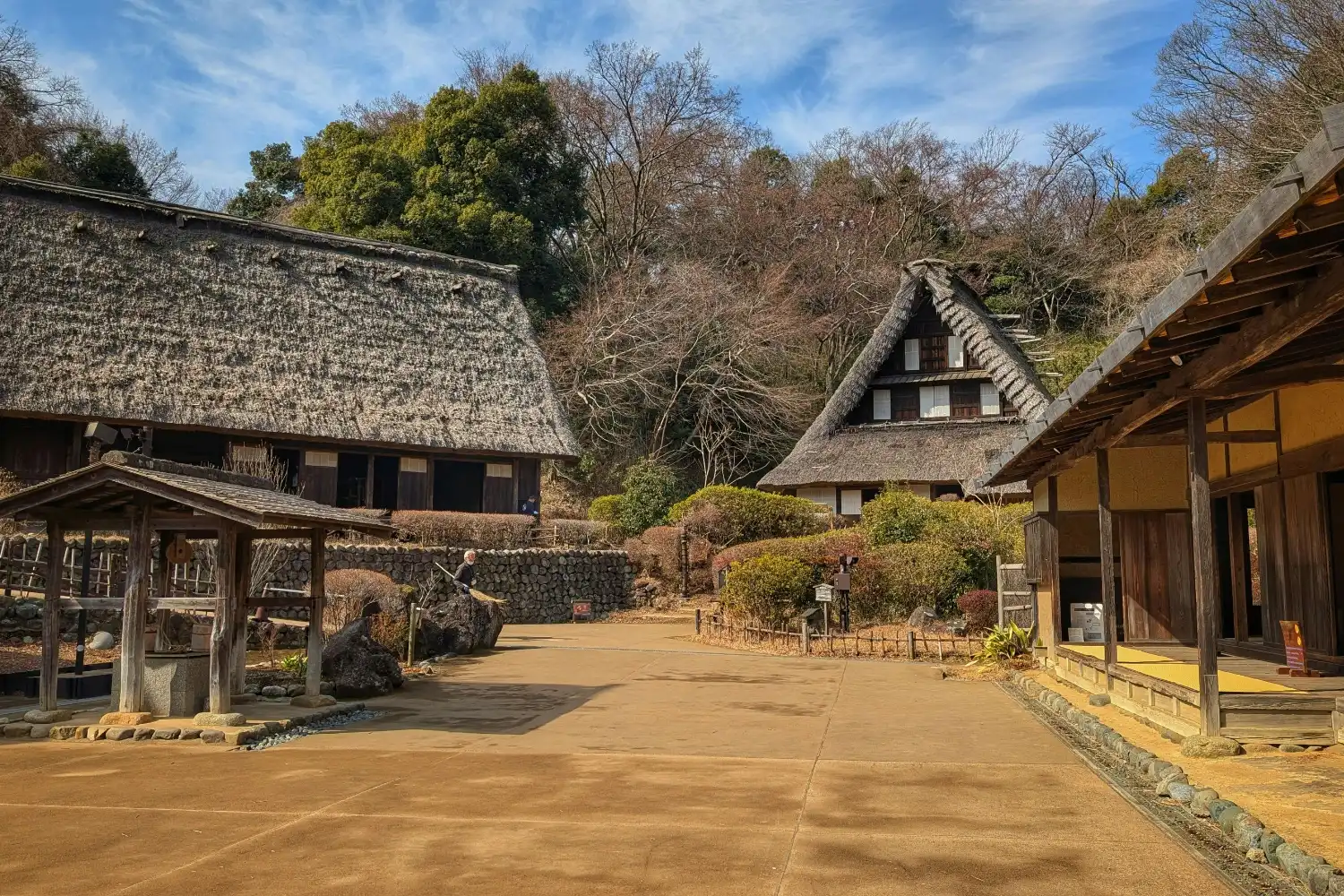
Akiya (空き家) means “vacant house” and refers to any empty residential property regardless of age, style, or material. A 1980s prefab apartment is also an akiya if no one lives in it. Minka (民家) means “folk house” and refers to a traditional Japanese house, but the term covers both rural and urban variants. Kominka (古民家) is the more specific term: an old folk house, traditionally built, typically more than 50 years old. Machiya (町家) is the urban cousin, a narrow merchant townhouse most associated with Kyoto.
For sub-$30K opportunities, you are almost always looking at rural kominka that happen to also be akiya: old traditional houses sitting vacant in the countryside.
Quick Comparison of the Main Property Types
| Type | Meaning | Typical Location | Price Range |
|---|---|---|---|
| Akiya | Any vacant house | Nationwide | Free to several million yen |
| Minka | Traditional folk house | Rural and urban | Highly variable |
| Kominka | Old folk house, 50+ years | Mostly rural villages | $10K–$100K typical |
| Machiya | Traditional urban townhouse | Kyoto, historic districts | Increasingly expensive |
Where to Find Kominka Listings Under $30K
There is no single nationwide search engine for cheap kominka, which is one of the practical hurdles for foreign buyers. Inventory is split across municipal akiya banks, commercial real estate portals, and a handful of English-language aggregators.
The most direct route is municipal akiya banks. Each city, town, or village runs its own database, and conditions vary widely. Some require buyers to commit to living locally, others allow vacation use or short-term rental. Akiya Japan’s complete guide to akiya banks notes that listings skew heavily toward older rural residential properties, and that the total across all prefectures exceeds 14,400 active translated listings, drawn from over 1,000 municipal programs.
For traditional houses specifically, two specialist channels exist. KORYOYA lists kominka and machiya houses directly through local agents, with most properties between $10,000 and $100,000 USD. Old Houses Japan focuses on traditional buildings around Kyoto and surrounding regions. Commercial portals like At Home and HOME’S also carry akiya, but in Japanese only.
⚠️ Common Mistake to Avoid
Many first-time buyers focus only on the listed sale price and assume “free akiya” means free ownership. In reality, a ¥0 transfer still triggers closing costs of roughly ¥200,000 to ¥500,000, registration fees, ongoing property tax, and renovation expenses that almost always run into the millions of yen. The acquisition price is usually the smallest line in the budget.
How Much Does a Kominka Really Cost After Renovation?
This is where the under-$30K headline gets complicated. The purchase price tells you almost nothing about the total cost of ownership. Most kominka have been empty for years, sometimes decades, and traditional Japanese houses do not age gracefully without active maintenance.
The typical cost stack for a sub-$30K kominka looks something like this. The acquisition itself sits between $0 and $30,000. Closing costs, which include transfer tax, judicial scrivener fees, and registration, usually fall in the $1,500 to $3,500 range. Cleanout of the previous owner’s belongings, which is the buyer’s responsibility once the deed transfers, can run from a few hundred to several thousand dollars depending on volume. Then comes renovation, which is the dominant cost.
For a livable but modest restoration, expect $20,000 to $50,000. For a full renovation including new roof, structural reinforcement, plumbing, electrical, insulation, and modernized kitchen and bathroom, the realistic range climbs to $80,000 to $150,000. The traditional Japanese houses listed on KORYOYA, for example, are noted to typically require renovation costing two to three times the purchasing price.
🔢 Quick Numbers
- Approximately 9 million vacant houses in Japan, 13.8% of all housing stock (Japan Ministry of Internal Affairs, 2023 Housing and Land Statistical Survey)
- Highest vacancy rates: Wakayama 21.2%, Tokushima 21.2%, Kagoshima 20.4% (2023 data via Akiya Japan)
- Median akiya sale price across Japan: approximately $30,000 USD (akiya.properties, 2024)
What You Are Actually Getting Architecturally
A kominka is not just a cheap house. It is a piece of building heritage shaped by a refined building tradition, and understanding what makes it valuable will also help you make better renovation decisions. Our guide to Japanese architecture covers the underlying principles in depth, but a few features show up in nearly every traditional rural house.
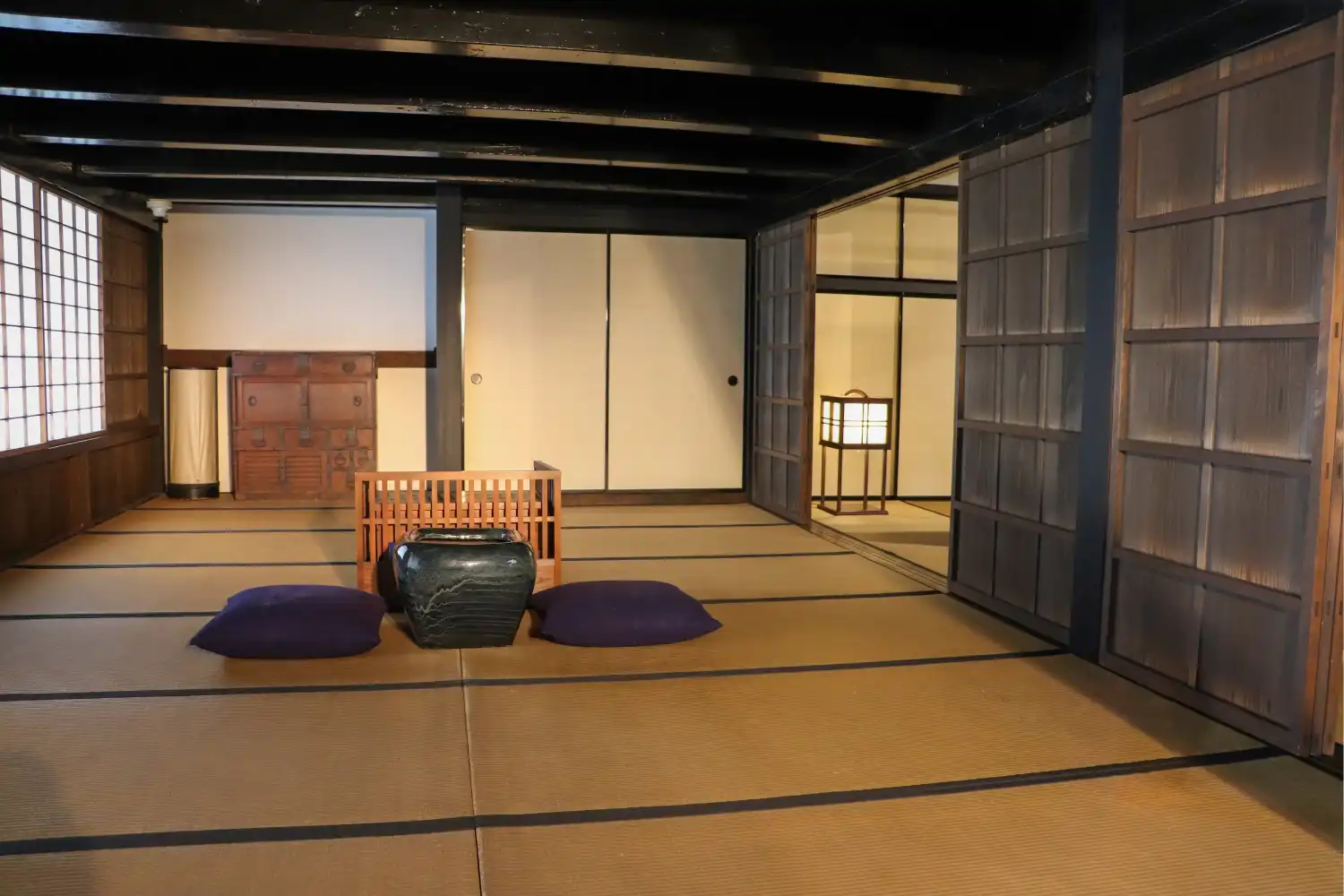
The structural skeleton is post-and-beam timber, joined with hand-cut interlocking joinery rather than nails. This system flexes during earthquakes instead of resisting them rigidly, which is why so many century-old kominka are still standing. Roofs are deep and wide-eaved to throw rain clear of the earthen walls below. Floors are raised on timber posts with a ventilated crawl space, originally to manage humidity and protect against rot.
Inside, the genkan (entry vestibule) marks the boundary between street and home. Tatami-floored rooms are sized in multiples of the standard tatami module, roughly 910 mm by 1,820 mm, which gives the entire house a consistent proportional rhythm. Sliding shoji and fusuma partitions allow rooms to be reconfigured for sleeping, eating, or entertaining. An engawa veranda runs along one or more sides, working as a transitional zone between the interior and the garden.
📐 Technical Note
Japan’s seismic building code was substantially revised in 1981 (Shin-Taishin standard). Most kominka pre-date this revision and were not built to current earthquake-resistance requirements. Akiya Japan notes that traditional wooden houses on akiya bank listings are often built before 1981, meaning they may not meet current seismic standards. Structural evaluation by a qualified Japanese engineer is essential before purchase, especially in zones with higher seismic risk.
What Goes Wrong: The Hidden Realities of Buying a Cheap Kominka
The romantic version of the kominka story is the one that travels well on social media. The version that decides whether you actually live in the house involves termites, rotted timber sills, copper wiring that hasn’t been touched since the Showa era, and well water with iron content that stains every fixture brown. None of this means a sub-$30K kominka is a bad idea. It just means the diligence work matters more than the listing photos.
Termite damage is the most common issue, especially around engawa verandas, ground-contact timber posts, and any area that has held moisture. Maigomika’s akiya guide highlights that purchases often go wrong because buyers skip registry checks, underestimate structural and utility problems, do not confirm land type or zoning, and mentally budget for “repairs” rather than full “replacement.”
Title problems are the second category. If the original owner died without a will, ownership passes to descendants, sometimes scattered across multiple generations. Tracking down every legal heir to sign off on the sale can take months and occasionally derails the transaction entirely. Belongings left in the house also become your responsibility on transfer, which adds disposal costs many buyers do not budget for.
🏗️ Real-World Example
Edo-period Kominka, Hiroshima Prefecture (purchased 2021): A vacant Edo-era kominka was acquired through an akiya bank in rural Hiroshima for a low five-figure sum. During the engawa restoration, the owner discovered substantial termite damage and rot in century-old timber, requiring full structural replacement of the verandah corner before the cosmetic restoration could begin. The case is documented in detail across the publicly available Akiya Kominka Life YouTube channel and illustrates how DIY budgets typically expand once the structure is opened up.
Can Foreigners Actually Buy a Kominka?
Legally, yes, and easily. Japan places no restrictions on foreign property ownership, and there is no residency requirement to buy real estate. Real Estate Japan confirms that you can buy property in Japan regardless of your nationality or country of origin, and there are no residency requirements for buying real estate.
The practical hurdles are language and financing, not law. Almost every municipal akiya bank operates in Japanese only, with Japanese-only application forms and correspondence. Most Japanese banks require permanent residency or several years of in-country employment history before they will issue a mortgage. For non-resident buyers, the realistic answer is cash purchase, often combined with a bilingual local agent who can handle municipal paperwork and on-site inspections.
Some buyers also commit to a residency timeline as part of the deal. Many free or near-free akiya bank listings come with conditions: you must move in within a year, you must register the property as your primary residence, or you must commit to long-term occupancy. Read the municipal terms carefully before assuming a free listing is genuinely free.
💡 Pro Tip
Visit the property in person at least once before signing. Photos hide moisture damage, smell, ground slope, and the actual character of the surrounding hamlet. Plan two trips if possible: one to shortlist, one to make the offer. The cost of two flights is trivial compared to discovering a cracked foundation or an unfriendly neighbor association after the deed transfers.
Renovation Approaches: Restore, Modernize, or Hybrid
Once you own the house, the renovation philosophy decides almost everything that follows. Three broad approaches dominate.
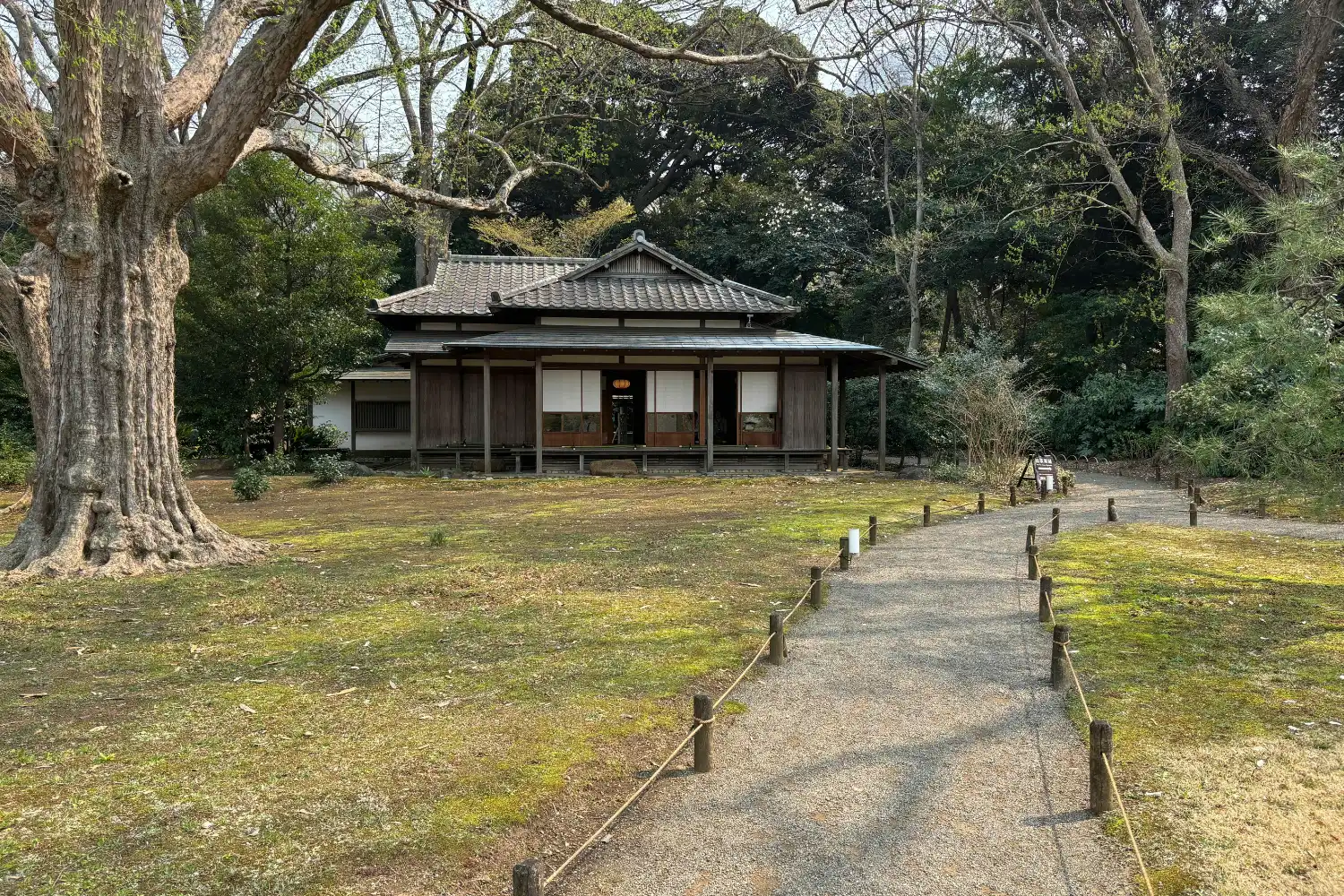
A traditional restoration aims to keep the original character intact. This means preserving the timber frame, restoring earthen walls with lime plaster, repairing the genuine joinery rather than replacing it, and using traditional roofing methods. It is the most expensive route per square meter and requires craftsmen who still practice traditional Japanese carpentry, a shrinking talent pool concentrated in rural areas. The result is a house with serious cultural and architectural value.
A full modernization treats the kominka as a structural shell and installs modern interiors: insulated walls, double-glazed windows, contemporary kitchen and bathroom, central heating. It is faster and easier to live in year-round, especially in mountain climates, but it sacrifices most of what makes the house architecturally distinctive.
The hybrid approach is the most common path for foreign buyers. Keep the timber structure visible, restore the engawa and tatami rooms to traditional standards, but discreetly modernize the kitchen, bathroom, insulation, and electrical systems. This relates to a broader design conversation in our piece on adaptive architecture: old buildings work best when their structure is honored and their systems are quietly updated.
Video: What Akiya, Minka, and Kominka Really Mean
The terminology and the lived reality of buying a traditional Japanese house are best understood visually. The short walkthrough below explains the differences between akiya, kominka, and minka and shows what these properties actually look like on the ground in rural Japan.
Subsidies, Grants, and the Hidden Upside
Japan’s government and many municipalities now actively subsidize kominka renovation as a rural revitalization strategy. Many local programs offer renovation grants worth several million yen, especially when buyers commit to long-term residence or open the property for guesthouse use. Some prefectures cover up to half of qualifying renovation expenses for new residents. These programs change frequently and vary by municipality, so the only reliable way to find out what is available is to ask the local government office for the area you are considering.
Tax conditions also shifted recently. Under 2023 revisions, even properties classified as “inadequately managed” can lose tax benefits. Akiya Japan notes that municipalities can designate deteriorating properties as “specified vacant houses” and remove tax benefits, order repairs, or in extreme cases demolish and bill the owner. Owning a kominka means committing to its upkeep, not letting it slide.
Cost figures, tax conditions, subsidy availability, and building code requirements vary by municipality and change over time. Always verify current conditions directly with the local municipal office and consult a licensed Japanese real estate professional before purchasing.
✅ Key Takeaways
- A kominka is a traditional rural Japanese house, typically over 50 years old, built with post-and-beam timber framing and natural materials.
- Sub-$30K kominka are real, supplied by municipal akiya banks in over 1,000 Japanese municipalities, but acquisition price is the smallest part of true cost.
- Realistic total budgets for a livable kominka after renovation usually fall between $50,000 and $150,000, depending on condition and approach.
- Foreigners can legally buy kominka with no residency requirement, but financing usually means cash, and language remains the practical barrier.
- Diligence on title, structural condition, termites, and seismic compliance matters far more than how charming the listing photos look.
Final Thoughts
A Japanese kominka under $30,000 is not a bargain in the conventional sense. It is access. Access to an architectural tradition that no contemporary build can replicate, access to a depopulating countryside that needs new residents, and access to a building philosophy that prioritized harmony with climate and material long before sustainability became a marketing term. The houses are cheap because the demographic math made them cheap, not because they are bad houses. Most are extraordinarily well-built. They simply need someone willing to learn what they are, budget honestly for what they need, and commit to their long second life.











Leave a comment