


Table of Contents Show
We live in an urban century. Every week, millions of us move to cities in search of opportunity, and nowhere is that shift more vivid than in megacities, urban agglomerations of 10 million or more people. In this guide, we unpack global megacities’ population dynamics, growth patterns, and what future urban living could look like. From housing and transport to climate resilience and governance, we explore how our choices now will shape daily life in 2050.
What Is a Megacity and Where Are They Today?
Defining Thresholds and Terms
We use the United Nations definition of a megacity: a continuous urban agglomeration with 10+ million residents. That’s not just city limits, it’s the broader built-up region tied together by commuting and services. Above that, we see distinctions like “metacities” (20+ million) and emerging “megalopolises,” where multiple metros fuse into a single functional region.
Why it matters: once a city crosses 10 million, its infrastructure, housing markets, and environmental footprints scale in non-linear ways. Planning fails fast, or it delivers outsized gains.

The Largest Megacities in 2025
As of 2025, UN and national statistical sources place Tokyo (about 37 million) as the largest urban agglomeration, followed by Delhi (~33 million) and Shanghai (~29 million). Others in the top tier include Dhaka, São Paulo, Mexico City, Cairo, Beijing, and Mumbai, most in the 20 to 24 million range. Rapid climbers include Lagos, Kinshasa, Karachi, and Manila. Meanwhile, Osaka and some mature East Asian metros have plateaued or even edged down slightly. The map is unmistakably tilted toward Asia today and Africa tomorrow.
Growth Drivers and Demographic Trends
Migration, Fertility, and Aging
Megacity growth is powered by rural-to-urban migration, natural increase (births minus deaths), and boundary reclassification. In many Asian and African cities, migration and higher fertility both contribute. In Latin America, migration dominates as fertility has fallen. Aging adds complexity: service needs (health, accessibility) rise even as labor markets tighten.

Asia and Africa as Growth Epicenters
By 2050, most new megacities will be in Africa and South Asia. Lagos, Kinshasa, Dar es Salaam, Nairobi, Dhaka, and Karachi are adding millions this decade. Middle-income Asian giants, Jakarta, Manila, Ho Chi Minh City, and Bangalore, continue to densify. This is where we either lock in car-dependent sprawl or build connected, transit-rich neighborhoods.
Slowing and Shrinking in Mature Economies
Japan and parts of China, Korea, and Europe are stabilizing or shrinking. Low fertility, high costs, and shifting preferences push polycentric growth to secondary cities. For these metros, policy pivots from expansion to renewal: retrofitting housing, right-sizing infrastructure, and upgrading care ecosystems for an older population.
Infrastructure, Housing, and Mobility Challenges
Housing Affordability and Land Use Reform
When population outruns supply, rents crush households and informal settlements expand. We can bend the curve with:
- Zoning reform to allow mid-rise, mixed-use housing near jobs and transit
- Public land release and land value capture to fund infrastructure
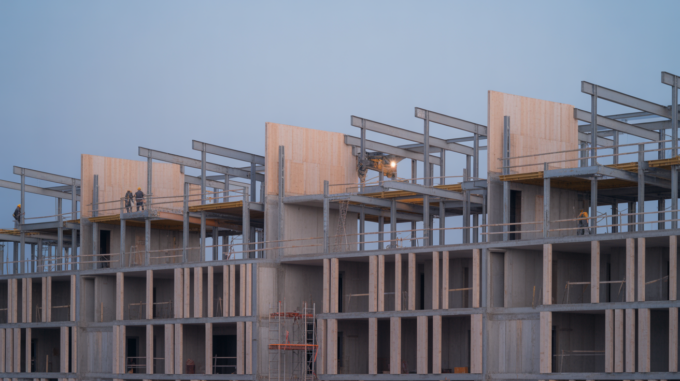
- Industrialized construction (prefab, modular) to cut costs and delays
- Upgrades to informal areas, secure tenure, basic services, incremental finance, so residents aren’t priced out of opportunity

Transport Networks and Demand Management
Megacities need layers: heavy rail for trunks, bus rapid transit for reach, and safe walking and cycling for first/last mile. Pricing tools, congestion charging, smart parking, integrated fares, keep networks moving. Crucially, we should plan land use and transit together so homes, schools, and clinics are within a short ride, not a two-hour slog.
Water, Energy, Waste, and Digital Infrastructure
Reliable water and sanitation remain the baseline. Add resilient power (distributed solar + storage), modern waste systems (segregation, anaerobic digestion, materials recovery), and ubiquitous broadband. These systems underpin both quality of life and competitiveness, and they’re the scaffolding for future services we can’t yet see.
Climate Resilience and Sustainability
Heat, Flooding, and Sea-Level Risk
Many megacities sit in deltas or along coasts, think Shanghai, Mumbai, Lagos, Jakarta. Urban heat islands intensify extreme heat, while subsidence and sea-level rise magnify flood risk. We need layered defenses: cooling trees and reflective roofs, upgraded drainage, restored wetlands, surge barriers where justified, and strict no-build zones in the highest-risk areas.

Decarbonizing Buildings and Transport
To meet mid-century goals, we must electrify fast: heat pumps, high-performance envelopes, district energy, and clean grids. On mobility, shift trips to transit and active modes, then electrify what remains, buses, two- and three-wheelers, freight. Clean construction (low-carbon cement and steel) cuts embedded emissions from the next wave of growth.
Nature-Based and Circular Solutions
Parks, mangroves, and green corridors absorb water, cool streets, and raise property values. Circular systems, reusing water, recovering organics, designing for repair and remanufacture, reduce costs and create jobs. It’s climate policy that also makes daily life visibly better.
Technology, Governance, and Urban Design for Better Living
Human-Centered Streets and the 15-Minute City
Design beats slogans. Wider sidewalks, shade, benches, and protected bike lanes make short trips pleasant. The 15-minute city idea, daily needs within a short walk or ride, works when we allow mixed uses and mid-rise density. It’s less about banning cars and more about offering better alternatives.

Data, AI, and Urban Platforms
Open data and interoperable platforms let transit agencies, utilities, and startups plug in. AI helps optimize bus routes, predict flood hotspots, and target inspections. Guardrails matter: anonymization, bias checks, and clear public value. When we own the standards, we avoid vendor lock-in and keep trust.
Participatory Governance and Finance
People know their neighborhoods. Participatory budgeting, community land trusts, and inclusionary housing bring residents into the decisions that shape them. On finance, we can blend municipal bonds, green bonds, development bank guarantees, PPPs, and land value capture to fund big-ticket projects without mortgaging the future.
Scenarios for 2050 and Actions to Take
Compact, Polycentric, and Regional Megalopolis Paths
Three plausible paths are on the table:
- Compact: dense, transit-led cores with strict growth boundaries
- Polycentric: several strong sub-centers linked by fast transit
- Megalopolis: multiple metros knit into a single economic region
Each can work if we align land use, transport, and climate goals, and avoid the trap of far-flung sprawl.

Equity and Inclusion as Nonnegotiables
Global megacities only succeed if they work for all of us. That means secure tenure, fair access to transit, universal basic services, and targeted support for low-income renters and informal workers. Equity is not a side program: it’s the load-bearing wall of social stability.
What Cities, Businesses, and Residents Can Do Now
- Cities: reform zoning, publish open data, adopt climate budgets, and deliver a pipeline of transit and affordable housing
- Businesses: electrify fleets, decarbonize buildings, and partner on workforce housing near jobs
- Residents: support mixed-use density, use public transit, and participate in local planning
Small steps compound, especially in places adding hundreds of thousands of people each year.
Conclusion
Global megacities’ population and growth will define the next quarter-century of urban life. If we plan for proximity, invest in resilient infrastructure, and center equity, future urban living can be cleaner, cooler, and more affordable. We get to choose, block by block, what kind of city we hand to the next generation. Let’s build the version we’ll be proud to call home.
- challenges in megacities
- environmental impact of megacities
- future city development
- future of urban living
- global city populations
- global urbanization
- growth of megacities
- impacts of urban growth
- living in megacities
- megacities development
- megacity infrastructure
- megacity population
- population growth in cities
- smart cities and urban living
- sustainable urban living
- urban growth challenges
- urban planning for megacities
- urban population trends
- urban sustainability
- urbanization trends










Leave a comment