


Table of Contents Show
We’ve all felt it: the exhale that happens when we step into a room that’s calm, clear, and uncluttered, or when we open an app that just makes sense. Minimalism isn’t about having less for its own sake: it’s about creating space for what matters. In this text, we unpack why minimalist design feels so peaceful, drawing on psychology, perception, and the physical qualities of materials, light, and sound. If you’ve ever wondered why “less” makes us feel more at ease, you’re in the right place.
The Psychology Of Calm: How Our Brains Process Simplicity
Cognitive Load And Decision Fatigue
Our brains are pattern-hungry but energy-efficient. When a space or interface is crammed with competing signals, colors, buttons, knickknacks, we burn mental calories just parsing it. Fewer elements reduce cognitive load, leaving more bandwidth for attention and memory. That’s why principles like Hick’s Law (more choices, slower decisions) matter in both UI and interiors. We don’t have to evaluate as much, so we feel less taxed. Minimalist design, done thoughtfully, lets us glide instead of grind.

Predictability, Control, And Safety Cues
Calm often comes from feeling oriented. Clear hierarchy, consistent spacing, and restrained palettes create predictability, subtle safety cues that say, “You’re okay here.” When we know where to look and what to do next, we regain a sense of control. That gentle certainty lowers arousal levels, which our nervous system reads as calm.
Visual Clutter Versus Negative Space
Gestalt Principles At Work
Gestalt psychology explains why we naturally group similar items and seek visual order. Simplicity highlights proximity, similarity, and continuity, so our eyes can form coherent wholes quickly. Negative space isn’t wasted: it’s active grammar. It frames, separates, and prioritizes elements, making content feel digestible at a glance.

Rhythm, Proportion, And Visual Breathing Room
Think of spacing as tempo. Consistent margins, a clear typographic scale, and balanced proportions create rhythm, the visual equivalent of a steady heartbeat. When elements aren’t elbowing each other, we get “breathing room.” It’s the difference between a crowded subway and an early-morning walk: same destination, vastly different feel.
Materiality, Color, And Texture That Soothe
Neutral Palettes And Low-Saturation Tones
High-chroma colors energize: low-saturation tones soothe. Soft neutrals and muted hues, think warm grays, sand, sage, lower visual intensity and reduce stimulus competition. Contrast still matters, but crisp black-on-white isn’t the only route. Gentle contrast with off-whites and charcoal can be easier on the eyes, especially for prolonged viewing.

Natural Materials And Biophilic Echoes
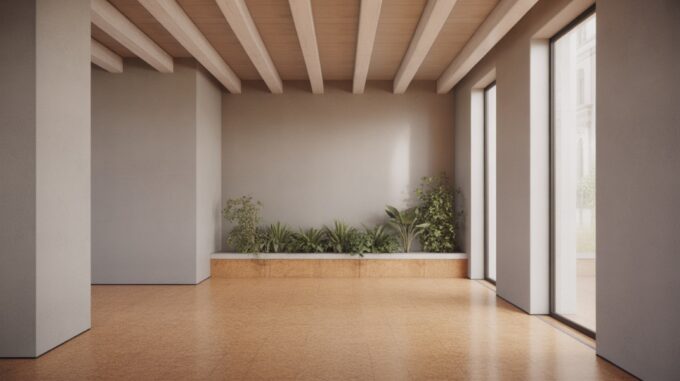
Wood grain, stone, linen, clay, materials with subtle irregularity bring micro-textures our senses intuitively understand. These biophilic echoes hint at nature, which research repeatedly ties to stress reduction and restorative attention. In practice, a pale oak tabletop or a woven rug can do more for calm than a dozen decorative objects ever could.
Space, Light, And Acoustics In Minimalist Environments
Daylight, Shadows, And Circadian Support
We’re diurnal creatures: light sets our rhythms. Minimalist spaces often maximize daylight, using sheer treatments, reflective surfaces, and simplified layouts to pull light deep into rooms. Warm-white lighting in the evening (around 2700 to 3000K) supports winding down, while cooler daylight in work zones helps alertness. Letting shadows exist, rather than blasting uniform light, adds gentle depth without visual noise.

Silence And Soft Soundscapes
Calm isn’t purely visual. Hard surfaces bounce sound, so sparse rooms can get echoey fast. We like to pair minimalism with acoustic softness: rugs, upholstered pieces, curtains, books, even textured wall panels. In digital products, “acoustics” translates to notification hygiene, fewer, softer pings, and haptic feedback that’s subtle rather than startling.
Minimalism In Everyday Interfaces And Objects
Focused Function Over Feature Bloat
Feature lists grow: attention doesn’t. We advocate ruthless prioritization: identify the critical path and elevate it, then relegate the rest. One or two clear actions per screen beat a dozen tiny distractions. The result isn’t bare, it’s decisive. Users finish tasks faster and feel more competent along the way.

Micro-Interactions And Frictionless Paths
Small touches make minimalism feel alive. Thoughtful micro-interactions, gentle button states, snappy yet smooth transitions, clear empty states, offer guidance without shouting. Progressive disclosure hides complexity until needed. When the path is obvious and friction is low, we don’t miss the extra chrome: we forget it ever existed.
Avoiding Sterility: Warmth, Personality, And Ethics
Editing Versus Erasing
Peaceful doesn’t mean personality-free. We edit, we don’t erase. A single artwork with breathing room around it can carry more meaning than a gallery wall. One heirloom chair, repaired and well-placed, can anchor a living space. The point is intention: everything earns its presence.

Sustainable Consumption And Mindful Ownership
Minimalism gets ethical when it curbs impulse buying and favors durability. Fewer, better things, repaired, repurposed, or responsibly sourced, lighten environmental load and mental clutter. In apps and devices, this looks like longer support cycles, repairable hardware, and privacy-respecting defaults. Calm is also knowing our choices align with our values.
Conclusion
Minimalist design feels peaceful because it cooperates with how we think, see, and live. It trims cognitive noise, clarifies hierarchy, and lets materials, light, and sound do quiet, supportive work. When we pair restraint with warmth and ethics, minimalism stops being an aesthetic and becomes a way of caring, about attention, about time, and about the world we share. That’s the real why behind minimalist calm: it gives us space to focus, to feel, and to breathe.
- benefits of minimalist design
- calm design principles
- calming color palettes
- creating a peaceful home
- harmony in design
- how to create a calming space
- mindful living spaces
- minimalism and mental health
- minimalism and peace of mind
- minimalist aesthetic
- minimalist decor
- minimalist design
- minimalist home ideas
- peaceful home decorating
- peaceful interior design
- reduce clutter for peace
- serene living spaces
- simplicity in interior design
- tranquil interior design
- zen design concepts









Leave a comment