


Table of Contents Show
Much of the built environment now operates past the design life its engineers planned for. Bridges, tunnels, dams, and retaining walls that went up decades ago still carry daily loads, and the materials inside them keep changing. Sensors that monitor aging infrastructure let owners see that change as it happens, instead of finding it during a scheduled inspection or after a failure. This guide covers the main sensor types, how they work together, and how to match them to a structure.
Why Does Aging Infrastructure Need Continuous Sensor Monitoring?
Aging structures rarely fail without warning. They move, crack, and settle in small increments long before anything becomes visible to the eye. Continuous sensor monitoring captures those increments and turns them into a record engineers can act on.
Manual inspection alone can’t catch slow movement between visits. A bridge inspected once or twice a year can shift measurably in the months in between, especially under seasonal temperature swings and heavy traffic. Sensors close that gap by reading the structure around the clock.
Pulling those continuous readings into one clear picture is where a dedicated monitoring program matters. Providers like Sixense North America run infrastructure health monitoring that combines the sensor types below on a single platform, so movement, stress, and ground shifts show up together instead of in separate reports. For an owner, that means one place to see whether an aging asset is holding steady or trending toward a problem.
What Risks Come With Aging Bridges, Tunnels, and Dams?
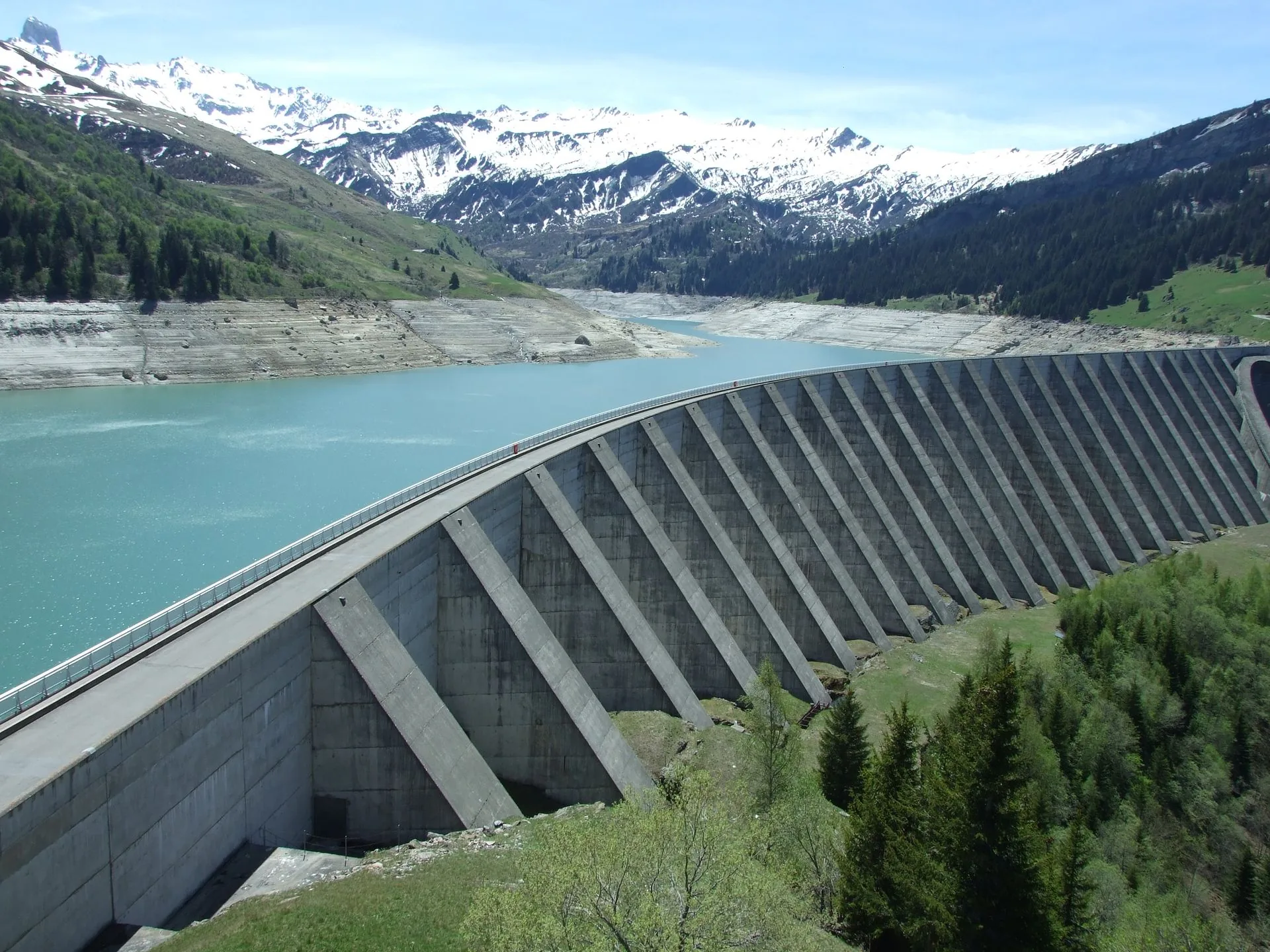
Each structure type ages in its own way. Bridges face fatigue in steel connections and corrosion in reinforcement, which slowly reduces load capacity. Tunnels deal with ground pressure and convergence, where the surrounding soil squeezes the lining inward over time. Dams and embankments settle and can develop internal seepage that shifts the soil mass.
What these risks share is that they build quietly. A crack that widens by a fraction of a millimeter per month looks harmless on any single day, yet it signals a trend that matters over a year. Sensors exist to measure that trend before it reaches a level that threatens the structure.
How Does Early Detection Lower Repair and Failure Costs?
Early detection changes the type of repair a structure needs. Catching movement early usually means a targeted fix, such as reinforcing one pier or grouting one zone of soil. Waiting until the damage is obvious often means a major rehabilitation, a load restriction, or a full closure.
Continuous data also lets owners plan work on their own schedule rather than reacting to an emergency. That shift, from reactive to planned maintenance, is where sensor monitoring pays for itself.
What Types of Sensors Monitor Aging Infrastructure?
No single sensor covers every failure mode, so monitoring programs combine several. Each instrument answers a specific question about how the structure or the ground around it is behaving.
How Do Inclinometers Track Ground and Slope Movement?
Inclinometers measure tilt and lateral movement below the surface. Installed in a borehole or fixed to a structure, they track how much a slope, retaining wall, or excavation wall leans over time. Chaining several sensors together as a shape array produces a full profile of movement along the depth of the hole, which is useful for slope stability and the settlement of embankments and dams.
Because they read continuously, inclinometers show whether movement is stable, slowing, or accelerating. That distinction often decides whether a site needs intervention.
What Do Strain Gauges and Displacement Sensors Measure?
Strain gauges measure how much a material stretches or compresses under load. On a bridge girder or a tunnel lining, they reveal stress concentrations that inspectors can’t see. Displacement sensors, including crackmeters and jointmeters, track the width of a crack or the gap at an expansion joint.

Together these instruments turn a vague concern like “is this crack growing” into a precise, dated measurement. They’re small, they mount directly on the structure, and they read to a fraction of a millimeter.
How Do Automated Total Stations Monitor Structural Movement?
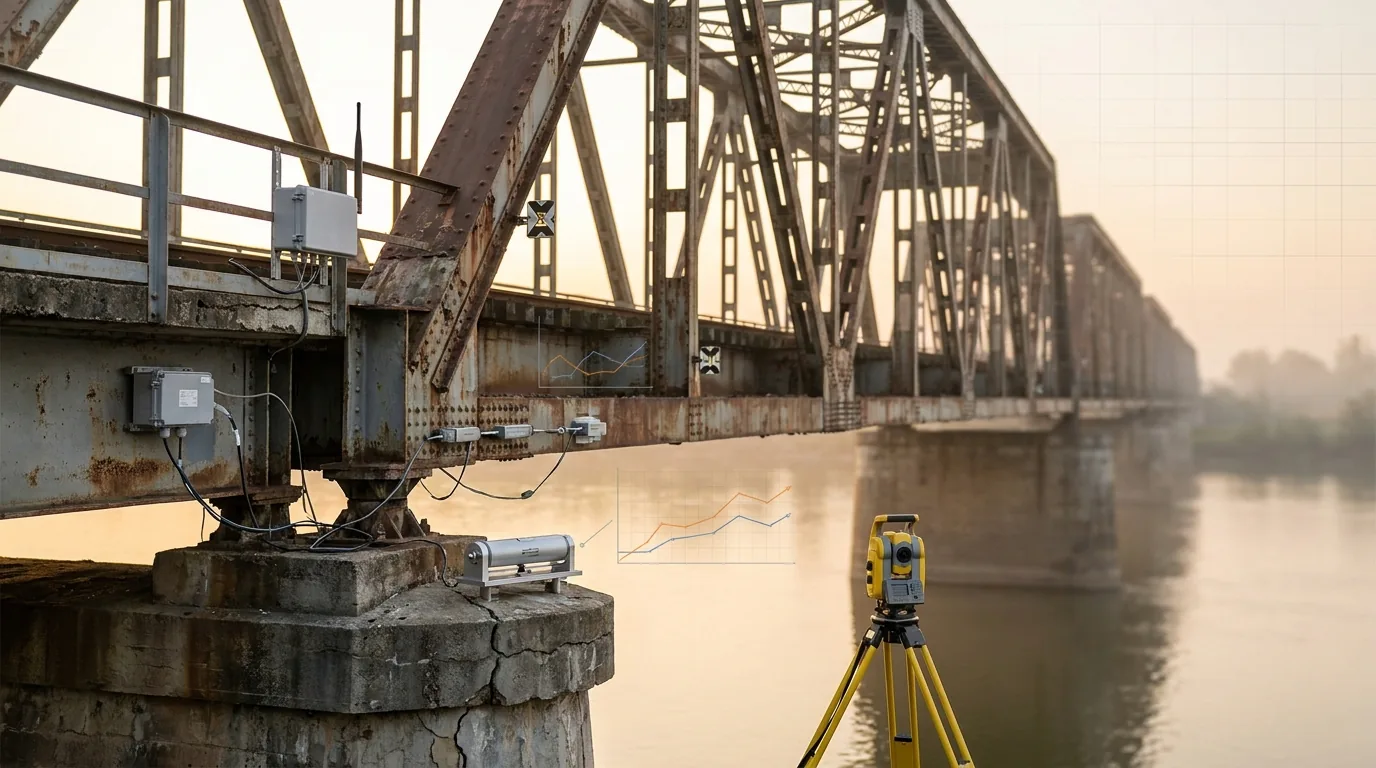
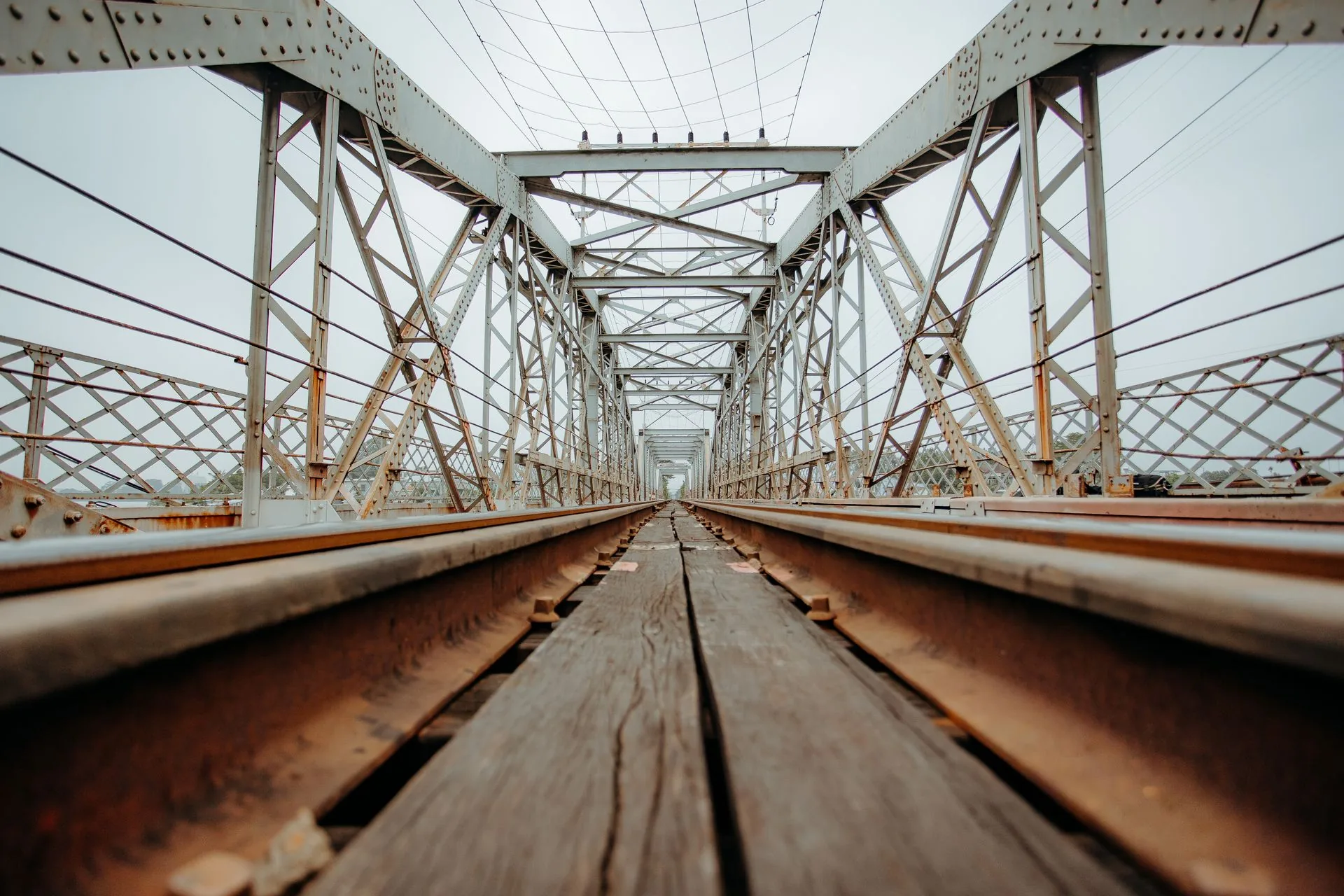
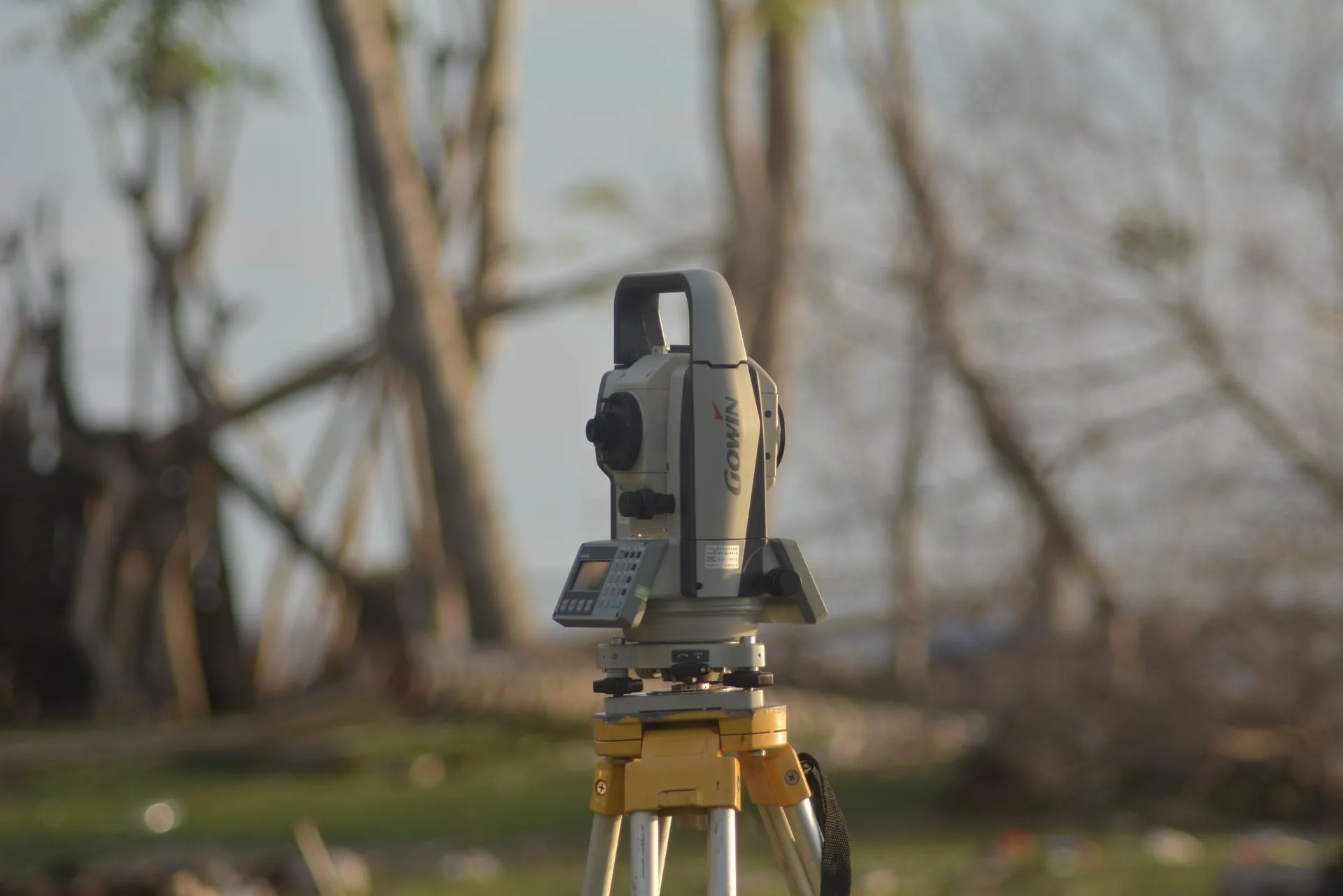
An automated motorized total station (AMTS) tracks the three-dimensional position of many points at once. It sights a network of reflective prisms fixed to the structure and repeats the survey on a set cycle, detecting movement across a bridge, a building, or a stretch of track.
The instrument needs line of sight to each prism, so crews position it where it can see all control and monitoring points from a protected location. A weatherproof enclosure shields it from rain, dust, and temperature extremes. Onboard temperature and pressure sensors correct readings for atmospheric conditions, which keeps the measurements within their rated tolerances.
What Role Do Vibration and Tilt Sensors Play?
Vibration sensors track how a structure responds to traffic, construction, or nearby demolition. A change in the vibration signature can flag a loosening connection or a shift in stiffness. Tiltmeters, a fixed cousin of the inclinometer, watch a single point for rotation, which is common on retaining walls, piers, and buildings adjacent to excavation.
Interferometric radar adds a contactless option. It measures displacement across an entire facade or bridge span from a distance, without any sensor mounted on the structure, which suits assets that are hard or unsafe to access.
How Does Satellite InSAR Detect Ground Deformation?
Satellite InSAR compares radar images of the same area taken at different times and measures how the ground surface has moved between them. It covers wide areas, including entire transport corridors or reservoir sites, and can reach back through years of archived imagery to show a long-term trend.
InSAR works best as a wide-area screen that flags where ground is moving. Owners then place ground-based sensors on the specific structures those movements put at risk.
How Do These Sensors Work Together in a Monitoring System?
A monitoring program is more than a set of instruments. It’s a system that collects readings, moves them to one place, and turns exceedances into alerts the right people receive.
How Is Sensor Data Collected and Transmitted?
Sensors connect to a datalogger, the device that powers them, records readings on a set schedule, and stores the data. The datalogger then transmits readings to a central platform over a cellular or network link, often from a remote site with no permanent staff.
On the platform, engineers see displacement trends, time-series graphs, and live plan views of every sensor. Automated reports and a project journal keep a documented history, which matters when several parties share responsibility for a structure.
How Are Alert Thresholds Set and Triggered?
Engineers define tolerances and alert thresholds for each sensor based on what the structure can safely accommodate. These thresholds are project decisions, separate from the fixed accuracy of the instrument itself.
When a measurement exceeds a threshold, the platform sends an alert by email and by push notification through its mobile app. The system fires on an actual exceedance rather than on approach, so the people who need to respond hear about it without watching a dashboard all day.
What Should Asset Owners Consider When Choosing a Monitoring Solution?
The right setup depends on the structure, the failure modes that concern the owner, and how fast a problem could develop. A few questions narrow the choice quickly.
Which Sensors Fit Which Structure Type?
Match the sensor to the movement you expect. Slopes, retaining walls, and excavation walls call for inclinometers and shape arrays. Bridges and buildings suit automated total stations and strain gauges. Wide corridors and reservoir areas benefit from satellite InSAR as a first screen, backed by ground sensors on the critical assets.
Most aging structures need a mix. The goal is to cover every plausible failure mode without loading the site with instruments that measure the same thing.
How Often Should Aging Infrastructure Be Monitored?
Reading frequency should match how fast a problem could develop. A stable structure under seasonal loads may only need readings a few times a day, while a bridge next to active excavation may need readings every few minutes. Automated systems adjust this cadence without a site visit.
Field crews still visit periodically, often every 1 to 3 months, to clean prisms, service instruments, and verify reference points. Between visits the system runs unattended and its alerts catch anything unusual in real time.
Key Takeaways for Monitoring Aging Infrastructure
Aging infrastructure fails gradually, and sensors turn that gradual change into data owners can act on. Inclinometers and shape arrays track ground and wall movement, strain gauges and displacement sensors watch stress and cracks, automated total stations follow structural movement in three dimensions, and satellite InSAR screens wide areas for ground deformation. A datalogger ties them together, and threshold-based alerts by email and mobile push make sure a problem reaches the right person. Matched to the structure and read at the right frequency, these sensors move an owner from reactive repairs to planned, cost-controlled maintenance.
Frequently Asked Questions About Infrastructure Sensor Monitoring
Which Sensor Detects Structural Damage Earliest?
No single sensor wins for every case. Strain gauges and displacement sensors catch stress and crack growth at the material level, while inclinometers and total stations catch movement at the structural level. The earliest warning usually comes from combining a few types so a problem shows up in more than one dataset.
Can Sensors Monitor Infrastructure in Real Time?
Yes. Automated sensors connected to a datalogger read on a set cycle and transmit to a central platform continuously. Engineers see live trends, and the system sends an alert the moment a reading exceeds its threshold.
How Long Can Monitoring Sensors Operate Unattended?
Most systems run unattended for weeks or months at a time. Crews typically visit every 1 to 3 months to clean, service, and verify the instruments, while automated alerts cover the structure in between.
Do Aging Structures Need Different Sensors Than New Ones?
The sensor types are the same, but aging structures usually need denser coverage and closer thresholds. Older materials move and degrade less predictably, so owners often monitor more points and set tighter alert levels than they would on a new build.













Leave a comment