


Table of Contents Show
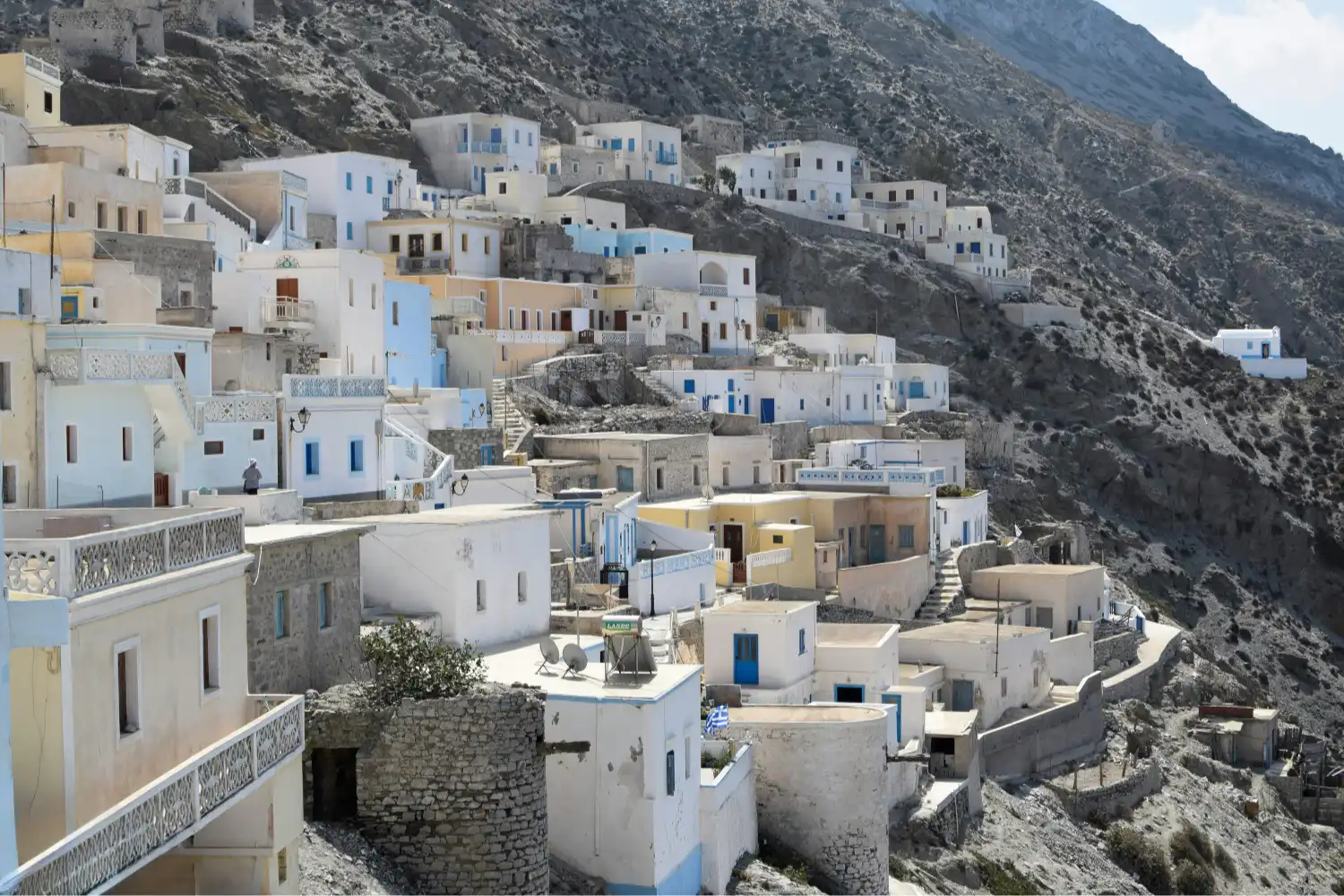
Affordable Greek island cottages priced under €80,000 are available on islands such as Chios, Lesvos, Skyros, Crete, and Corfu. Most properties at this price point are traditional stone-built houses that need some level of renovation, but they offer a realistic entry point into the Greek island property market for budget-conscious buyers.
Why Greek Island Cottages Are Still Surprisingly Affordable
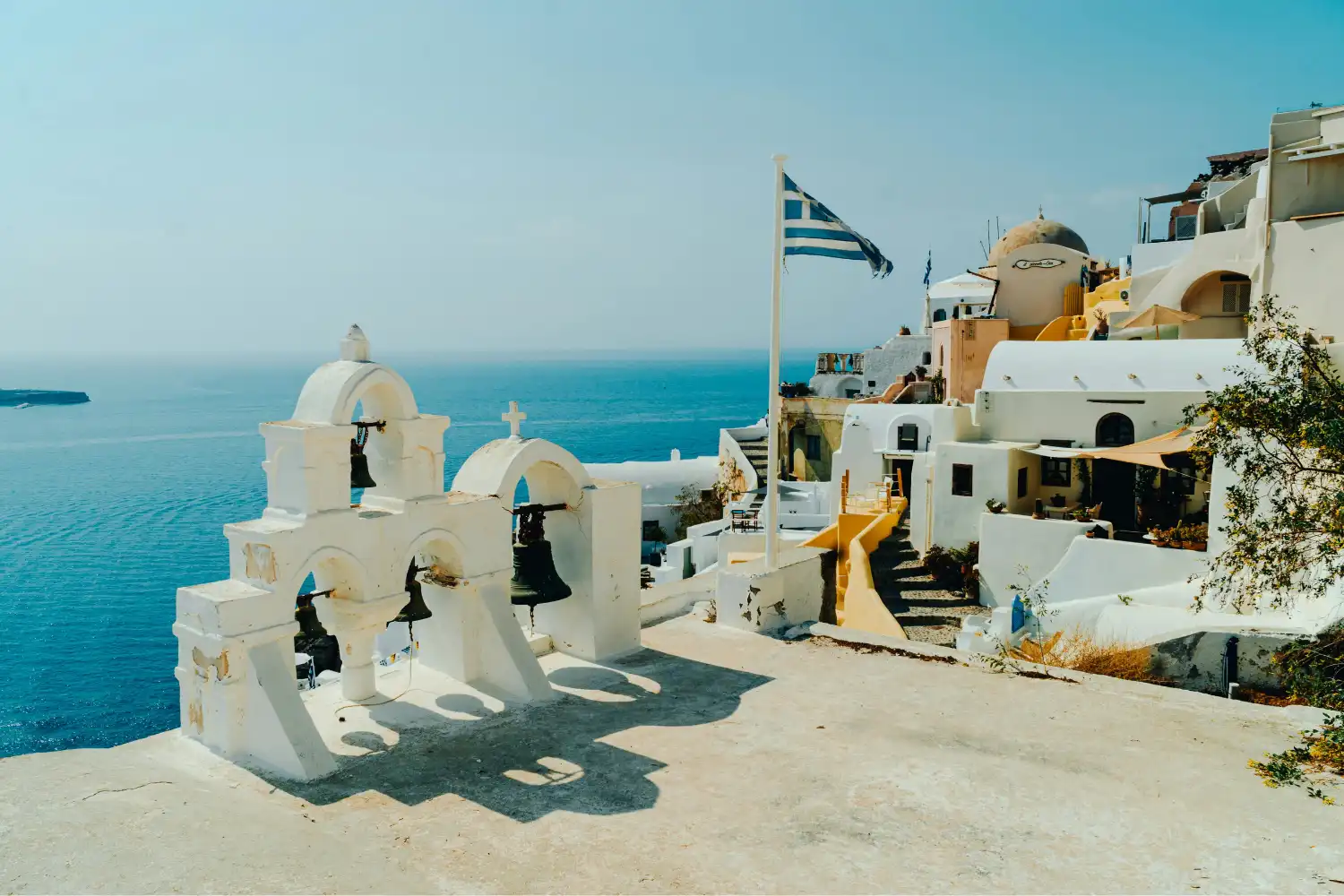
Greece’s property market took a steep hit during the financial crisis of 2010-2018, and prices on many islands never fully recovered. While headline-grabbing destinations like Mykonos and Santorini command prices well above €3,000 per square meter, quieter islands such as Chios still average around €1,570 per square meter. That gap creates real opportunity for buyers willing to look beyond the tourist hotspots.
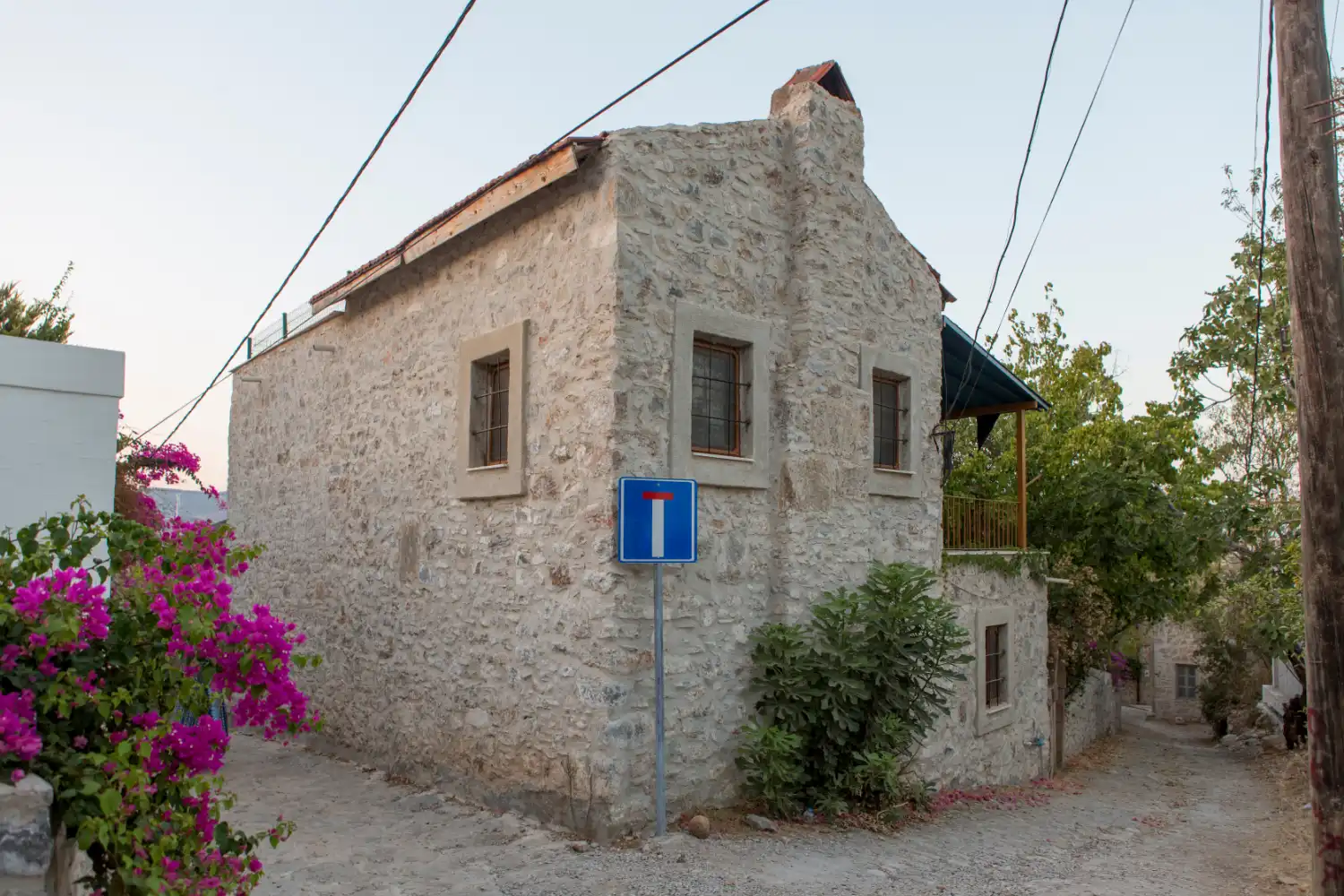
Affordable Greek island cottages tend to share a few characteristics. They are typically stone-built village houses dating from the early to mid 20th century, ranging between 40 and 90 square meters. Many sit on narrow lanes in hilltop villages, with small courtyards or terraces rather than large plots. They usually need roof repairs, updated plumbing and electrical, and sometimes structural reinforcement. But the bones are solid, and the building materials (local stone, lime mortar, timber beams) have stood up to a century or more of Aegean weather. These houses are early examples of sustainable architecture in practice, built from locally sourced materials with passive cooling strategies that still work today.
One of the driving factors behind low prices is depopulation. Younger Greeks have migrated to Athens, Thessaloniki, or abroad over the past three decades, leaving inherited properties vacant. Many owners are motivated sellers who would rather accept a modest offer than continue paying property taxes (ENFIA) on a house they will never use.
Best Islands for Cheap Cottages Under €80K
Not every Greek island offers bargains at this level. The islands below consistently list properties within the under-€80K range, based on current market data from Greek real estate platforms.
Chios
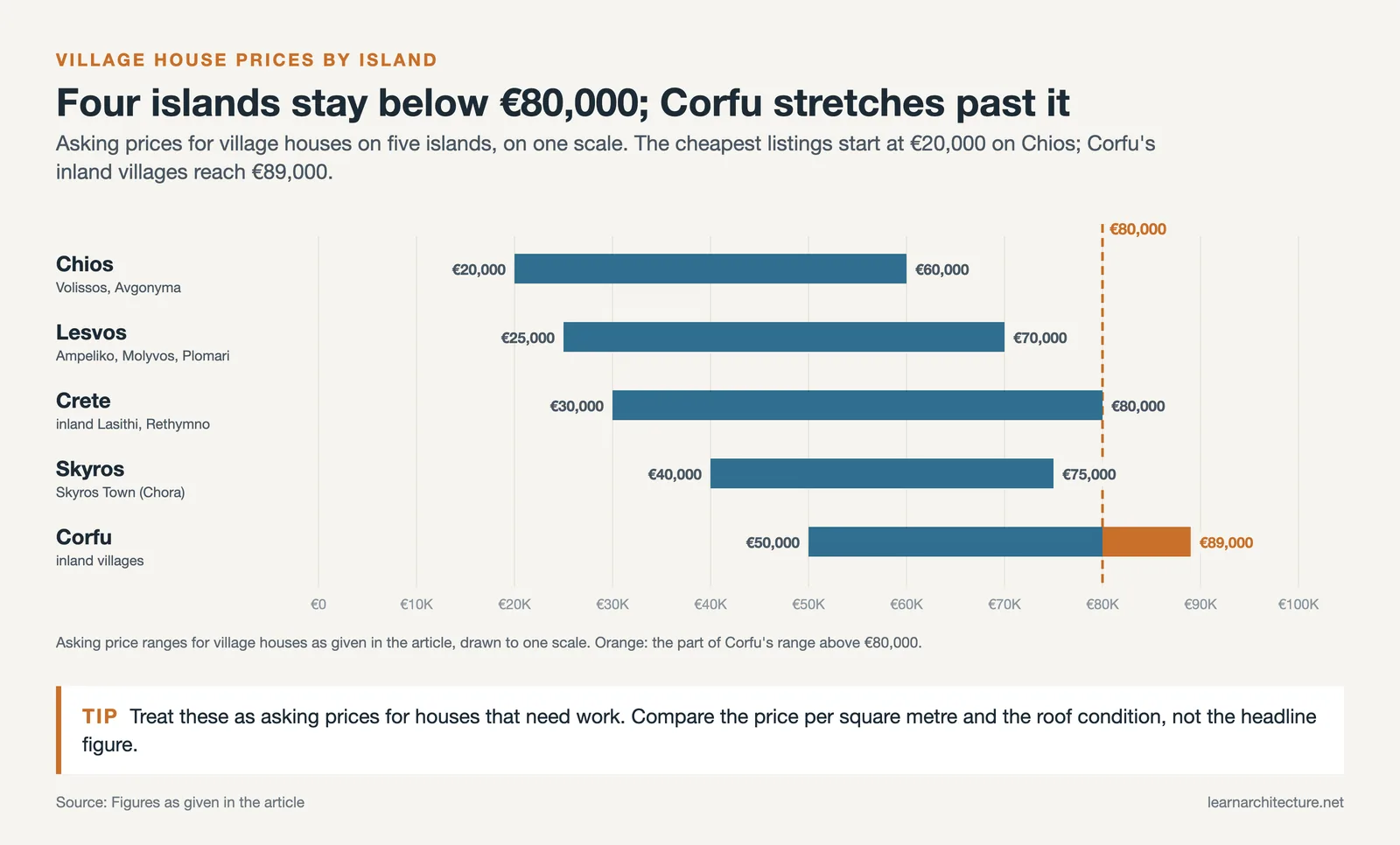
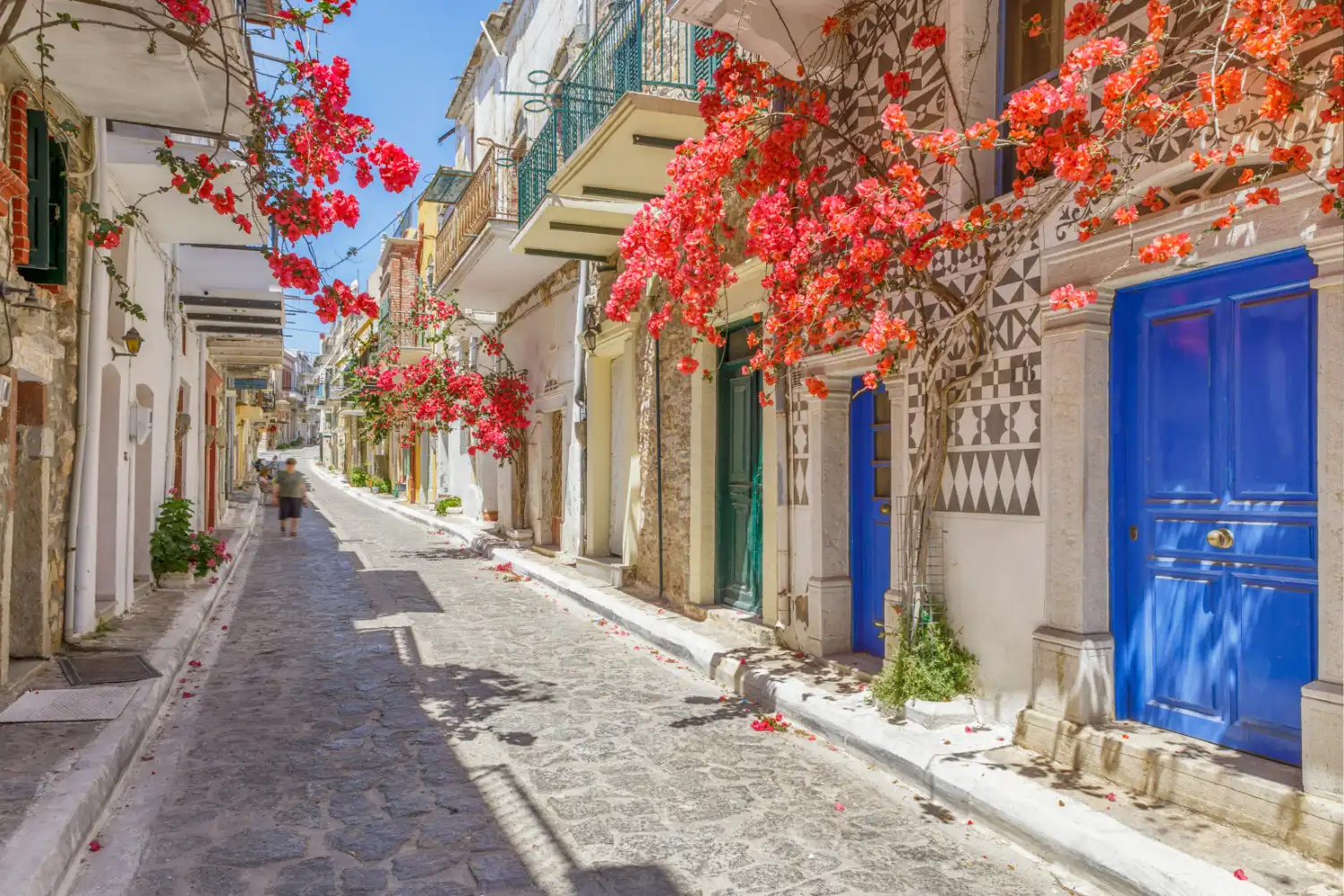
Chios ranks as one of the most affordable Greek islands for property. Average prices sat around €1,570 per square meter in mid-2024, with village houses in areas like Volissos or Avgonyma available from €20,000 to €60,000. The island is known for its medieval mastic villages, designated as a UNESCO Tentative Site, and has direct ferry connections to Piraeus and flights to Athens.
Lesvos
Lesvos (Mytilini) offers stone cottages in traditional villages like Ampeliko, Molyvos, and Plomari in the €25,000 to €70,000 range. The island is the third largest in Greece and has year-round infrastructure, a university, and an international airport. Village houses here often come with small gardens and orchard plots.
Skyros
Skyros, in the Sporades group, had average property prices around €2,032 per square meter in 2024. Traditional whitewashed houses in Skyros Town (Chora) occasionally appear at €40,000 to €75,000. The island has a distinct Cycladic-meets-Sporades architectural character and remains relatively untouched by mass tourism.
Crete (Rural Villages)
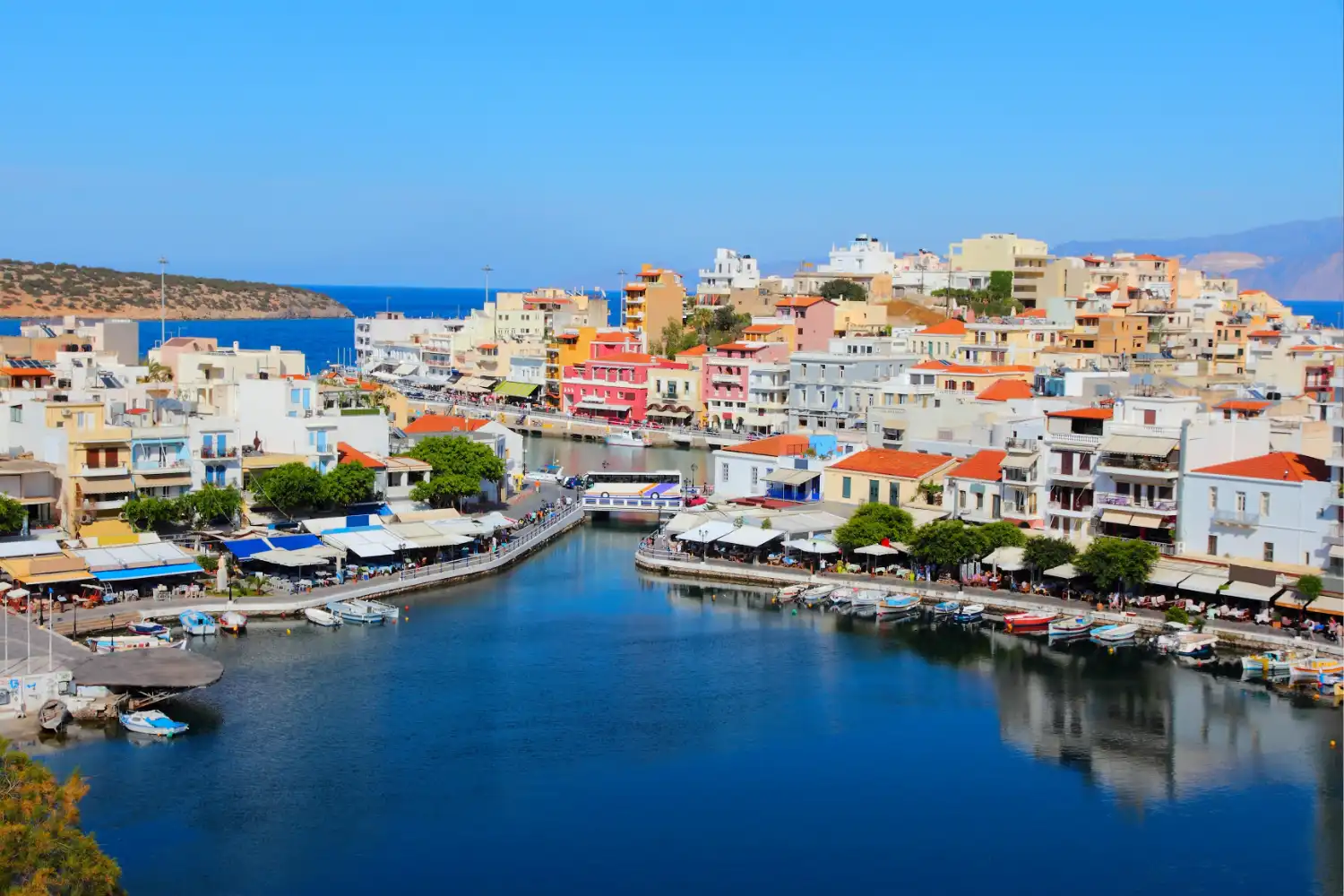
While coastal Crete has seen price increases, inland and mountain villages in prefectures like Lasithi and Rethymno still have stone cottages priced between €30,000 and €80,000. Villages like Mourne, Kato Loumas, and settlements in the Oropedio Lasithiou (Lasithi Plateau) offer authentic Cretan stone houses. Crete’s advantage is year-round accessibility, with two international airports (Heraklion and Chania).
Corfu (Inland Villages)
Corfu’s tourist-facing coast is expensive, but inland villages like Sinarades, Chlomos, and Agios Panteleimon still have character-filled cottages between €50,000 and €89,000, so only the lower half of that range fits an €80K budget. Corfu’s Venetian-influenced architecture gives these village houses a distinctive look with arched doorways, pastel facades, and stone-paved courtyards. This kind of regional variation is a hallmark of vernacular architecture across the Greek islands.
🔢 Quick Numbers
- Chios average property price: €1,570/sqm, making it the cheapest Greek island for buyers (My Greek Expat Journey, 2024)
- Skyros property prices rose 18.41% year-on-year to €2,032/sqm by mid-2024 (My Greek Expat Journey, 2024)
- Foreign buyers should budget 8-10% of the purchase price for closing costs including transfer tax, notary, and legal fees (Lawzana, 2026)
What Does an €80K Cottage Actually Look Like?
Expectations matter. At this price point, you are buying potential rather than a move-in-ready holiday home. A typical affordable Greek island cottage under €80K is a one- or two-story stone house, usually between 40 and 90 square meters. The ground floor often served as a storage space or animal shelter in the past, while the upper floor was the main living area. Most will have one or two bedrooms, a small kitchen, and a basic bathroom.
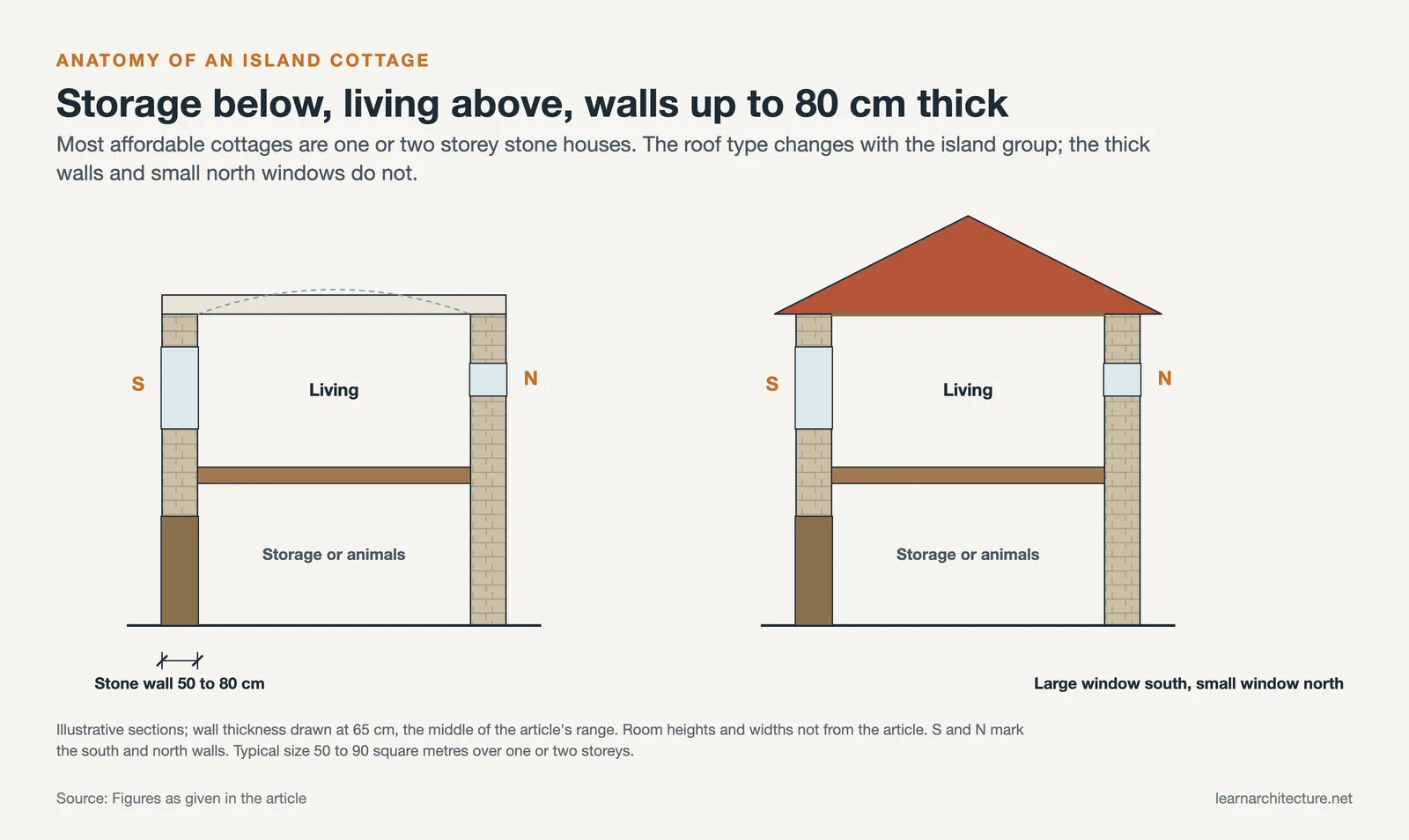
The construction is almost always load-bearing stone walls, sometimes 50 to 80 centimeters thick, which provide excellent thermal mass. These walls keep interiors cool in summer and retain warmth in winter, a passive design principle that vernacular architecture has refined over centuries. Roofs vary by island: flat or barrel-vaulted roofs are common in the Cyclades and Dodecanese, while pitched clay-tile roofs dominate in Crete, Corfu, and the Eastern Aegean.
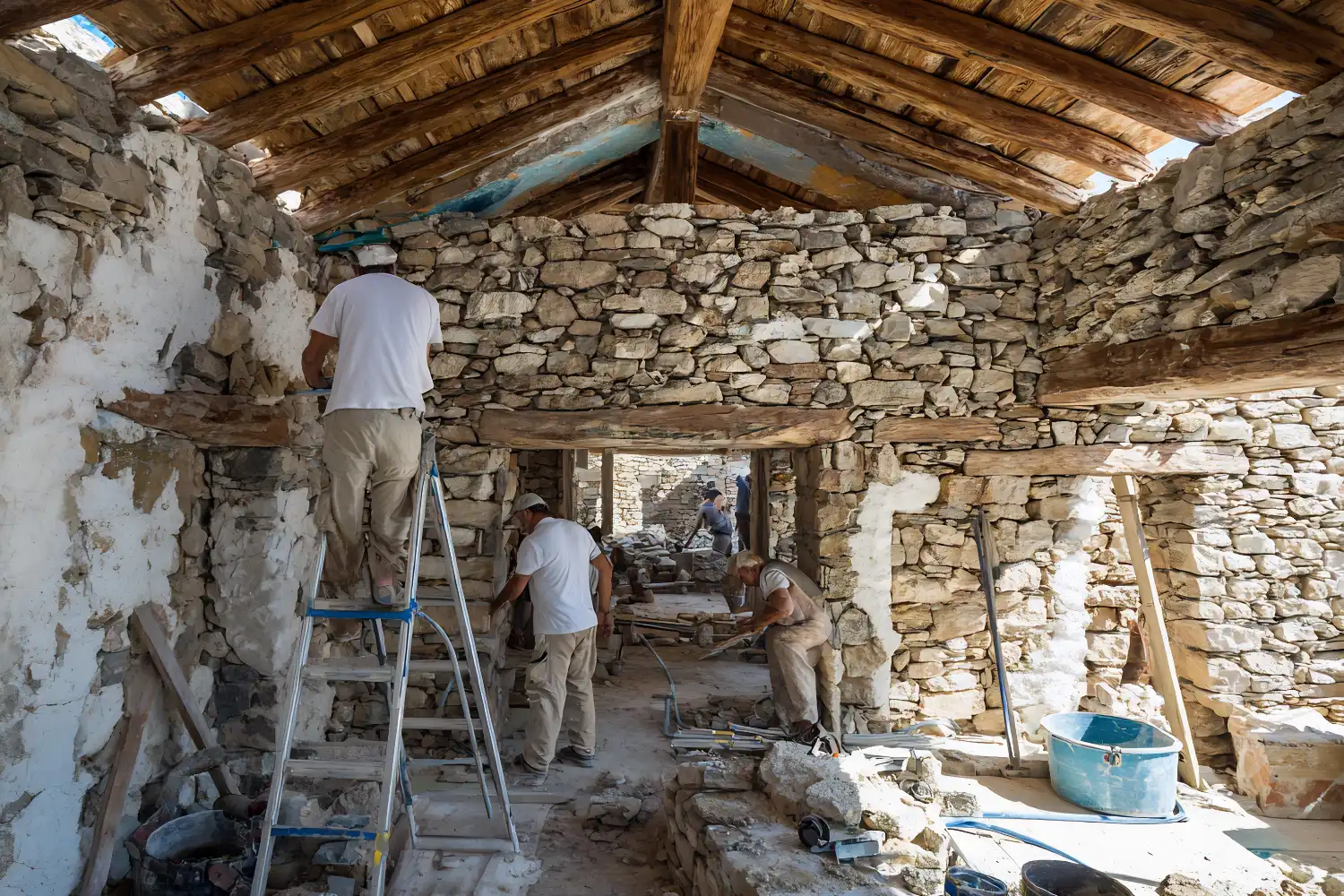
Condition ranges widely. Some cottages are structurally sound and need only cosmetic updates, new windows, a modern bathroom, and kitchen fittings. Others are partial ruins that require a full rebuild within the existing shell. The listing description and photos rarely tell the whole story, so an in-person visit with a local engineer or architect is necessary before committing.
💡 Pro Tip
When viewing cheap cottages on Greek islands, check the roof structure first. Replacing a collapsed timber roof with new beams and tiles can cost €8,000 to €15,000 alone. A cottage with an intact roof and sound walls is a far better investment than a lower-priced ruin that needs everything from scratch.
Renovation Costs: How Much Beyond the Purchase Price?
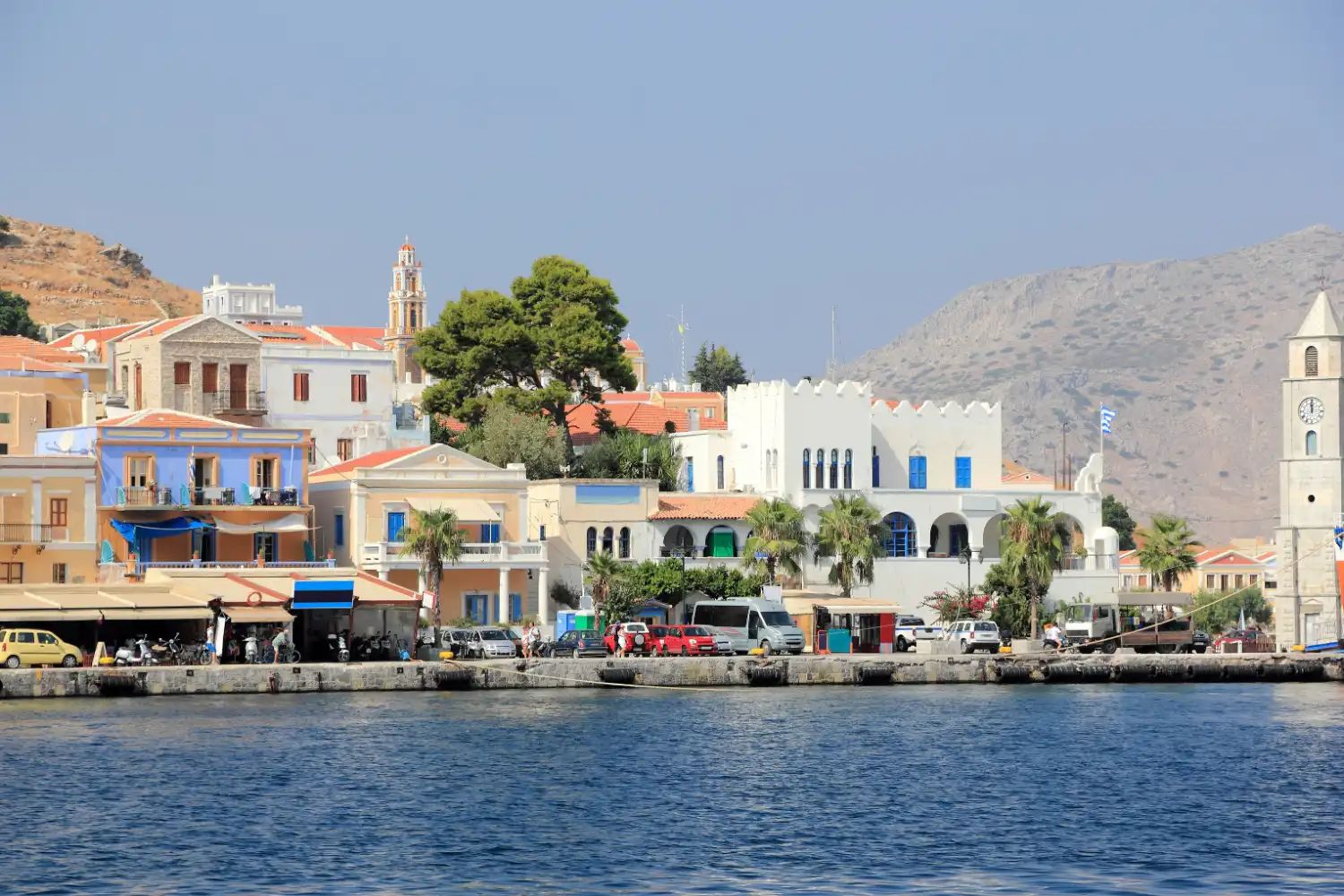
Buying the cottage is only half the equation. Renovation costs on Greek islands tend to run higher than on the mainland because materials need to be shipped by ferry and skilled labor is limited. As a rough guide, expect to spend between €400 and €800 per square meter for a full renovation of a traditional stone cottage, depending on the island and the scope of work.
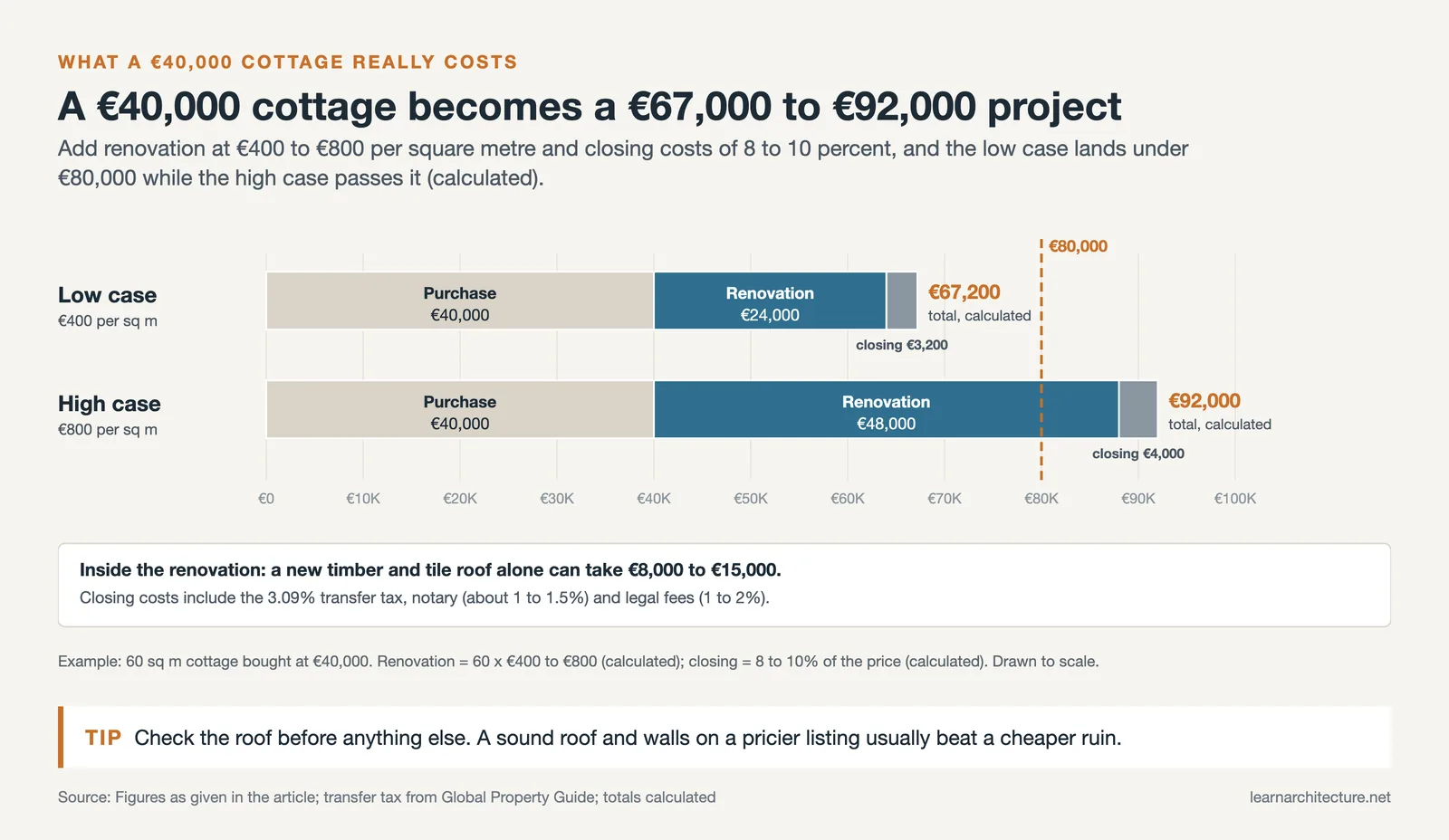
For a 60-square-meter cottage purchased at €40,000, a full renovation at €400 to €800 per square meter would add another €24,000 to €48,000, bringing the total to €64,000 to €88,000 before closing costs of 8 to 10 percent. That renovation would typically cover a new roof (if needed), rewiring, new plumbing, a modern kitchen and bathroom, replastered interior walls, window and door replacement, and basic furnishing.
Some costs are non-negotiable. Greek building regulations require an energy performance certificate (Pea) and updated electrical installations must comply with ELOT standards. If the cottage is in a designated traditional settlement, the local archaeological service may require that renovations follow specific material and color guidelines, typically stone, lime plaster, and earth-tone or white paint.
How to Keep Renovation Costs Down
Working with a local builder who knows island construction saves money and avoids mistakes. Island builders understand load-bearing stone walls, local moisture patterns, and which materials hold up against salt air. Sourcing materials locally (lime, stone, timber) also cuts shipping fees. Plan renovations during the off-season (October through April) when contractors are less busy and may offer better rates.
Phasing the work helps too. Start with structural repairs and the roof, then tackle the bathroom and kitchen, and handle cosmetic finishes last. This approach lets you spread costs over time and repurpose the building gradually without taking on a massive upfront debt.
⚠️ Common Mistake to Avoid
Many foreign buyers assume they can gut a traditional Greek cottage and rebuild it to modern open-plan standards. In designated traditional settlements, local planning authorities often restrict changes to exterior walls, roof profiles, window sizes, and facade colors. Always check with the local Poleodomia (town planning office) before purchasing, or you may end up owning a house you cannot legally renovate the way you intended.
How to Buy Property in Greece as a Foreigner
Greece is fully open to foreign property buyers, including non-EU citizens. The buying process takes roughly 8 to 12 weeks from accepted offer to title registration. Here are the key steps:
First, you need a Greek tax identification number (AFM), which your lawyer or accountant can obtain from the local tax office. You will also need to open a Greek bank account, as property transactions must flow through the Greek banking system for anti-money-laundering compliance.
Hiring an independent real estate lawyer is essential. The lawyer conducts a title search at the Land Registry or Cadastre to verify ownership history, check for encumbrances, and confirm that all building permits are in order. This step is not optional, as Greek property records can be complex, especially for inherited village houses where multiple family members may hold partial claims.
Once due diligence is complete, you sign a preliminary contract and pay a 10% deposit. The transfer tax is 3.09% of the declared property value, payable before the final deed. Add notary fees (around 1-1.5%), legal fees (1-2%), and registration fees, and your total closing costs will sit between 8% and 10% of the purchase price.
The final deed is signed before a notary, who authenticates the contract and records the transfer. After registration, you are the legal owner. For more detailed information on the legal process, the Enterprise Greece website provides official guidance for foreign investors.
💡 Pro Tip
For cottages under €80K, the Golden Visa does not apply (minimum thresholds start at €250,000). But non-EU buyers can still purchase and visit on standard tourist visas. If you plan to stay longer than 90 days within a 180-day period, look into Greece’s Digital Nomad Visa or financially independent person visa as alternative residency routes.
Architecture and Character: What Makes Greek Island Cottages Special
Greek island cottages are a living record of vernacular architecture shaped by climate, available materials, and centuries of practical know-how. The thick stone walls that define these houses are not decorative; they regulate indoor temperature through thermal mass, staying cool in 35°C summers and holding warmth from a fireplace through chilly winter nights.
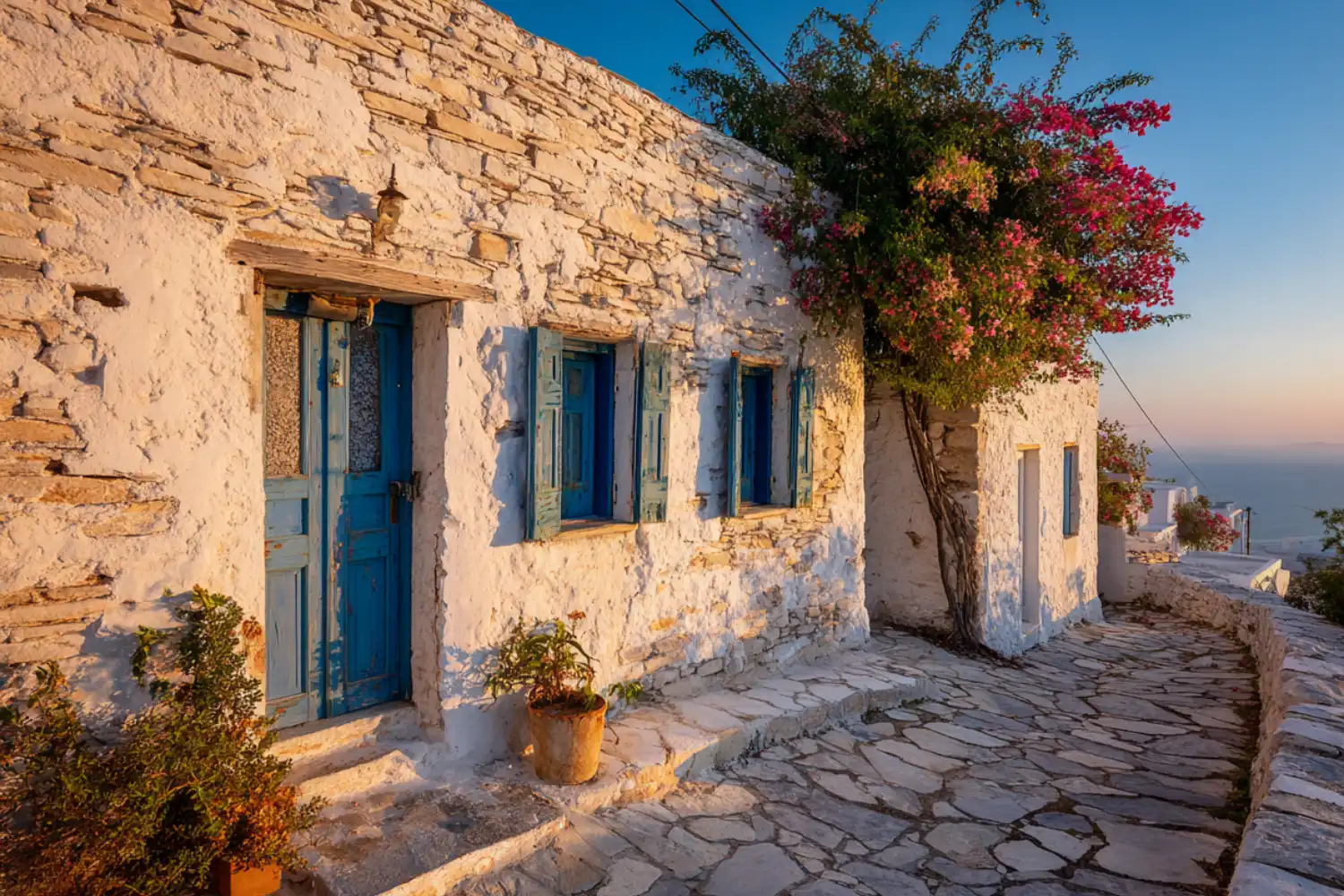
On the Cyclades, you see whitewashed cubic forms with flat roofs, designed to reflect intense sunlight and collect scarce rainwater. In Crete, houses use local limestone and feature timber-framed roofs with clay tiles. Corfu’s cottages carry Venetian influences: arched entryways, pastel-colored renders, and wrought-iron balcony railings. Each island’s building tradition tells a story about its history, from Venetian occupation to Ottoman influence to indigenous Greek craft.
These cottages often follow principles that modern architects now call “passive design”: south-facing orientation for winter solar gain, small windows on northern walls to reduce heat loss, and thick walls that buffer temperature swings without mechanical systems. That connection between traditional building and sustainable design thinking is one reason renovation projects on the islands are so rewarding.
📌 Did You Know?
The whitewash on Cycladic houses is not just aesthetic. Traditionally made from slaked lime (asbestis), it acts as a natural disinfectant and was historically reapplied every spring to combat disease. The Greek military government mandated blue-and-white color schemes on Cycladic islands in the 1970s, but the practice of lime-washing walls predates that regulation by centuries.
Risks and Red Flags to Watch For
Budget Greek island property can be a smart investment, but there are genuine risks. Title issues top the list. Many village cottages have been passed down through multiple generations without formal wills or updated land registry entries. A property might have six or eight legal co-owners, some of whom may be unreachable or unwilling to sell their share. Your lawyer must verify clean title before you proceed.
Building legality is another concern. Some older cottages have informal additions (a terrace, an extra room, an enclosed balcony) built without permits. In Greece, unpermitted structures can be legalized through a process called “taktopoiisi,” but this adds cost and time. Ask the seller whether all structures on the property are legally registered.
Access and infrastructure can surprise buyers too. Some village cottages sit on lanes too narrow for vehicle access, which makes moving building materials during renovation expensive and slow. Check whether the property has mains water and electricity connections, or whether you will need to install a cistern and apply for a new power hookup.
Finally, consider ongoing costs. Annual property tax (ENFIA) on a cottage of this value is modest, often €100 to €300 per year. But if you plan to rent the property to tourists, you will need a short-term rental license (miitho) and must register with the Greek tax authority for rental income reporting.
Is a Greek Island Cottage a Good Investment?
For capital appreciation alone, budget Greek island cottages are speculative. Prices on less-touristed islands may stay flat for years. The real return comes from personal use (a low-cost holiday base), rental income during summer months, and the satisfaction of preserving a piece of architectural heritage. A well-renovated cottage on an island with good ferry or flight connections can generate €3,000 to €8,000 per summer season on platforms like Airbnb, which helps offset annual costs and gradually repays the renovation investment.
✅ Key Takeaways
- Greek island cottages under €80K are available on islands like Chios, Lesvos, Skyros, rural Crete, and inland Corfu, typically as traditional stone houses needing renovation.
- Budget €400 to €800 per square meter for renovation costs on top of the purchase price, and factor in 8-10% closing costs for taxes, notary, and legal fees.
- Foreigners can buy property freely in Greece. The process takes 8-12 weeks and requires an AFM (tax number), a Greek bank account, and an independent lawyer for title verification.
- Always check for title issues (multiple heirs), unpermitted structures, vehicle access, and infrastructure connections before making an offer.
- The real value of a budget cottage is personal use and rental income rather than rapid capital appreciation, with well-renovated properties earning €3,000 to €8,000 per summer season.
Final Thoughts
Buying an affordable Greek island cottage under €80K is not a fantasy, but it does require homework. The best deals go to buyers who visit in person, hire a local lawyer, and approach the project with realistic renovation budgets. Islands like Chios, Lesvos, and Skyros offer genuine bargains, and even better-known islands like Crete and Corfu have pockets of affordability in their inland villages.
The reward is something rare: a thick-walled stone house on a sun-drenched island, built with materials and techniques that have proven themselves over centuries. With careful planning and a willingness to get your hands dirty, that €80K cottage can become a holiday home, a rental property, or simply a quiet place to enjoy the Aegean light.
Property prices and legal requirements referenced in this article are based on 2024-2026 market data and may vary by island, municipality, and individual property. Always consult a licensed Greek lawyer and conduct independent due diligence before purchasing property.









Leave a comment