


Table of Contents Show
Rents outpacing wages. Longer commutes. Families squeezed into smaller spaces or pushed farther out. Affordable Housing Trends Shaping Urban Living aren’t abstract, they’re reshaping our daily choices. In this piece, we unpack the forces driving the affordability gap and the practical solutions that cities, developers, and communities are using right now. From modular builds to policy resets, we’ll focus on what’s actually moving the needle, and where we can push harder.
The Urban Affordability Crunch: What’s Driving the Gap
Housing demand has surged in thriving job centers, but supply hasn’t kept pace. We’ve underbuilt for more than a decade, and construction costs, from materials to labor and financing, climbed sharply through the early 2020s. At the same time, land-use rules in many metros still limit density near jobs and transit, pushing new homes to the fringe where infrastructure is cheaper but commutes are longer.

We’re also seeing demographic shifts: more single-person households, delayed homeownership, and migration to metros with strong tech, healthcare, and logistics employment. Investors have targeted rentals as a stable asset class, which can be helpful for supply, unless acquisition strategies shrink the pool of lower-cost homes. Layer on higher interest rates (which trap would-be sellers in low-rate mortgages) and we get fewer listings, more competition, and upward pressure on rents. The result is predictable: an affordability crunch that hits lower- and middle-income renters hardest and keeps would-be first-time buyers sidelined.
Building Smarter, Faster, Cheaper
Modular And Industrialized Construction
We can shave months off timelines and 10 to 20% off hard costs by shifting work from sites to factories. Modular, panelized, and volumetric systems deliver consistent quality, reduce waste, and shorten disruptive street closures. Cities like Los Angeles and New York have piloted modular for supportive housing, cutting time-to-keys while maintaining livability standards. The caveat: we need standardized approvals and repeatable designs to unlock true economies of scale across jurisdictions.

Adaptive Reuse Of Offices And Retail
The office market reset opened the door to office-to-residential conversions where floor plates, window lines, and zoning cooperate. Older Class B/C buildings with smaller cores are the sweet spot. We’ve seen former department stores and medical buildings become mixed-income apartments or student housing, bringing life back to tired downtown blocks. Clearer code pathways, flexible daylighting requirements, and tax incentives help make the math work.
Smaller Footprints: Micro-Units And Co-Living
Not everyone needs, or can afford, a one-bedroom. Micro-units (250 to 400 sq ft) and modern co-living with private bedrooms plus shared kitchens/lounges meet demand at lower rents per door. When paired with good storage, built-in furniture, and shared amenities, small can feel generous. These formats particularly shine near transit and campuses, freeing up larger units for families.
Policy Shifts Expanding Supply
Upzoning And Missing-Middle Housing
Allowing duplexes, triplexes, and small courtyard apartments on lots once reserved for single-family homes adds gentle density without changing neighborhood character. Minneapolis and Oregon showed how legalizing “missing-middle” forms, plus allowing accessory dwelling units (ADUs), can widen choices and incrementally grow supply. The payoff is slow but steady, and far cheaper than waiting for mega-projects.

Inclusionary Zoning And Parking Reform
Inclusionary policies trade additional height or floor area for a slice of below-market units, especially effective in strong markets if paired with density bonuses and expedited approvals. Parking reform, reducing or removing minimums near transit, can knock tens of thousands of dollars off per-unit costs, making mixed-income projects pencil while encouraging walkability.
Anti-Displacement And Tenant Protections
New supply works best when residents can stay rooted. Right-to-counsel, just-cause eviction standards, and relocation assistance help stabilize households through construction cycles. Pairing these with property tax circuit breakers for cost-burdened owners and targeted home repair grants can prevent involuntary moves that unravel social networks.
Evolving Tenure And Ownership Models
Community Land Trusts And Shared-Equity Homes
Community land trusts (CLTs) keep land in community stewardship and sell or lease homes at below-market prices, with resale formulas that preserve affordability for the next buyer. Shared-equity models help households build some wealth without losing future affordability, a pragmatic bridge between renting and traditional ownership.
Social And Limited-Profit Housing Models
We can diversify beyond purely market-rate supply. Limited-profit cooperatives, public housing reinvestment, and nonprofit-led developments create permanently affordable homes insulated from speculation. Think of the “Vienna social housing” ethos adapted locally: mixed-income blocks, quality design, and long-term rent stability.

Financing And Delivery Innovations
Public and Private Partnerships And Impact Capital
Blended capital stacks, municipal land contributions, low-cost loans, philanthropic program-related investments, and mission-driven equity, close gaps that stall deals. Public and private partnerships (P3s) can pre-entitle sites, streamline procurement, and lock in affordability covenants that align investor returns with community goals.

Tax Credits, Vouchers, And Rent Guarantees
Low-Income Housing Tax Credits remain the backbone for deeply affordable units, while vouchers and shallow subsidies unlock options in opportunity-rich neighborhoods. Newer tools, master leasing, rent guarantees for landlords, and acquisition funds to preserve naturally occurring affordable housing, stabilize both tenants and operators.
Location, Sustainability, And Livability
Transit-Oriented Development And 15-Minute Neighborhoods
Location isn’t just a lifestyle choice: it’s a cost strategy. Building near rail and frequent bus corridors lowers transportation expenses and expands job access. When we cluster everyday needs, groceries, schools, clinics, parks, within a short walk or bike ride, we get 15-minute neighborhoods that support small businesses and reduce car dependence.

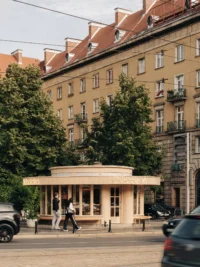
We should talk about the built environment directly: the streets we walk, the mixed-use buildings we live above, the utilities underfoot, and the parks that knit it together. Examples include infilling surface parking lots with mid-rise housing over retail, converting wide, fast arterials into tree-lined boulevards, and adding protected bike lanes that connect homes to transit hubs.
Green Retrofits, Resilience, And Lower Operating Costs
High-performance envelopes, heat pumps, and solar can cut utility bills 20 to 40% and improve indoor health, crucial for long-term affordability. Resilience upgrades, cool roofs, backup power for critical loads, flood-ready ground floors, keep buildings habitable during shocks. For older stock, green retrofits paired with affordability covenants prevent the “green premium” from displacing current residents.
Conclusion
If we want Affordable Housing Trends Shaping Urban Living to translate into real homes, we’ve got to work on all fronts: permit smarter building systems, legalize missing-middle choices, back social and shared-equity models, and target financing where it unlocks permanence. The throughline is simple: speed plus permanence, with dignity by design. When we align codes, capital, and community voice, affordability isn’t an exception, it becomes our standard for urban living.
- affordable city living
- affordable housing for urban areas
- affordable housing predictions
- affordable housing strategies
- affordable housing trends
- affordable urban housing projects
- affordable urban living
- best affordable housing practices
- city housing affordability
- cost-effective urban housing
- future of affordable housing
- housing affordability in cities
- innovations in affordable housing
- sustainable urban living
- trends in urban housing
- urban development and housing
- urban housing solutions
- urban housing trends
- urban living solutions







Leave a comment