


Table of Contents Show
Cities change fastest when we give them room to experiment. By using installations, pilots, and pop‑ups, we can test ideas at street level, learn quickly, and scale what works. In this guide, we explore how temporary architecture reshapes urban design, from traffic-calming paint to modular pavilions, and how we can deliver impact with smart permitting, sustainable materials, and community co-creation.
From Ephemeral Objects to Urban Strategy
What Counts as Temporary Architecture
When we say temporary architecture, we mean built interventions designed to last weeks to a few years, with components that are easy to install, adapt, and remove. Think parklets and streateries, quick‑build bike lanes using posts and paint, pop‑up plazas with planters and movable seating, shipping‑container kiosks, inflatable pavilions, modular stages, shade canopies, and art installations that double as wayfinding or play. These projects are intentionally light, reversible, and low-risk.
We use installations to prototype urban design before committing to costly capital projects. They help us validate traffic operations, test materials, and understand real behavior, how people cross, linger, or avoid a space, so permanent investments are better targeted.

A Brief History and Current Trends
From the 1960s street closures of “play streets” to tactical urbanism’s rise in the 2000s, the lineage is long. The pandemic accelerated adoption: cities scaled outdoor dining, slow streets, and open‑air markets in months, not years. Today, we see three trends gaining steam:
- Quick‑build toolkits embedded in city capital programs.
- Cultural installations that elevate local identity (light festivals, community murals, micro‑stages).
- Data‑rich pilots, where sensors and community feedback inform decisions.
Temporary architecture is no longer a side project, it’s a core method in contemporary urban design.
Prototyping the City With Low-Risk Experiments
Mobility and Street Design Pilots
We can de-risk redesigns with fast, reversible tools. Examples include:
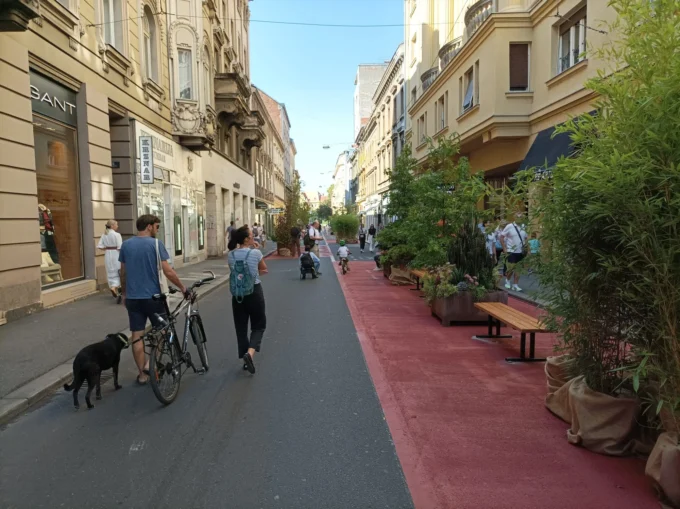
- Curb extensions and daylighting with paint and planters to shorten crossings.
- Quick‑build protected bike lanes using delineators and rubber curbs.
- Bus priority pilots: painted lanes, modular platforms, and signal tweaks.
- Intersection “scrambles” and tactical roundabouts to reduce crashes.
These pilots generate operational data, speed reductions, yielding rates, transit travel times, so we can calibrate permanent geometry and materials with confidence.

Public Space Operations and Services
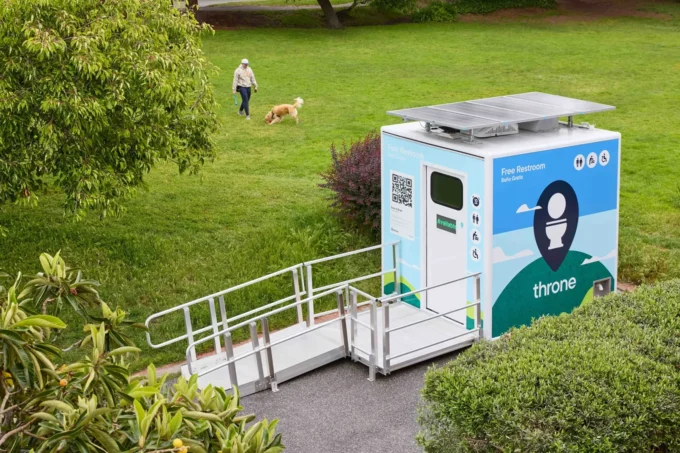
Installations aren’t just form: they’re service delivery. Modular shade near schools reduces heat exposure. Pop‑up libraries and Wi‑Fi nodes close digital gaps. Portable restrooms and handwashing stations raise dignity standards for events and encampment response. Moveable seating and micro‑stages activate plazas without heavy staffing. By treating operations as design, we keep spaces welcoming and resilient, even with lean budgets.
Community Engagement and Cultural Expression
Participatory Co-Design Methods
We get better outcomes when communities help shape them. Street labs, chalk walks, and 1:1 tape layouts let neighbors test crosswalk locations, seating arrangements, and vendor zones in real scale. We combine these with on-site intercept surveys, QR feedback, and workshop “build days” where residents assemble planters or paint patterns. The result is legitimacy, and fewer surprises at implementation.

Equity-Centered Tactical Urbanism
Not all pilots serve all people. We prioritize projects that address historic underinvestment: safe routes to schools, transit-stop shade in heat-vulnerable areas, and ADA-first improvements like temporary ramps and detectable warnings. Compensation for local participants, multilingual materials, and partnerships with trusted community groups keep engagement authentic. Equity isn’t an afterthought: it’s embedded in site selection, hiring, and stewardship.
Placemaking and Economic Activation
Reviving Vacant and Underused Sites
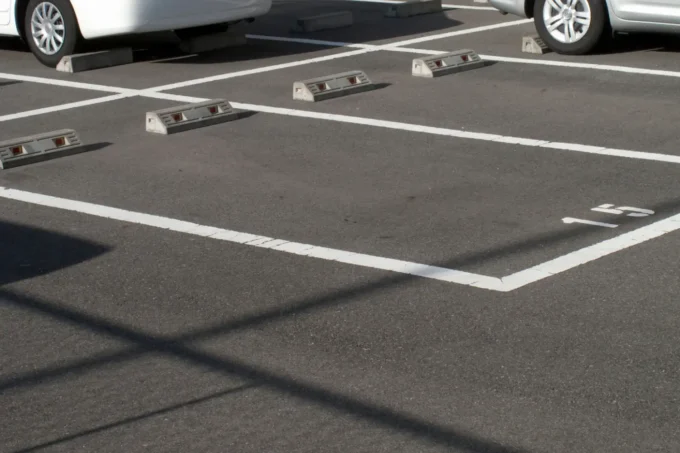
Temporary architecture can flip a liability into a destination. Vacant lots become weekend markets with modular stalls. Underused parking transforms into a courtyard with planters, lighting, and food trucks. Façade frames host rotating art: shipping containers provide pop‑up retail for local makers. The formula is simple: lightweight infrastructure + programming + clear rules of use. When foot traffic rises, nearby leases stabilize and street safety improves through eyes on the street.
Design and Sustainability Principles
Modularity, Reuse, and Rapid Deployment
We standardize parts, bolted frames, reusable ballast, interchangeable panels, so one kit can serve many sites. A shared inventory reduces cost and waste, while allowing overnight installations to minimize disruption. Clear packing lists, labeled components, and step‑by‑step task cards keep volunteer builds safe and efficient.

Low-Carbon Materials and Circular Logistics
We favor bio‑based and recycled content: FSC wood, hemp or jute shade fabrics, recycled rubber curbs, HDPE planters, and low‑VOC paints. Fasteners beat adhesives for disassembly. We plan reverse logistics from day one: where components go next, how they’re refurbished, and who manages the warehouse. Deconstruction plans are as important as construction.
Safety, Accessibility, and Maintenance by Design
Design must anticipate wear and weather. We specify slip‑resistant surfaces, rounded edges, and high‑visibility markings: ensure 36 to 48 inch clear paths, curb‑ramp continuity, and cane-detectable edges: choose tamper-resistant hardware and modular parts that crews can swap in minutes. A simple O&M playbook, inspection frequency, cleaning, and repairs, keeps spaces lovable, not just photogenic.
Governance, Permitting, and Legacy
Approval Pathways and Risk Management
Success lives or dies in the process. We align early with transportation, fire, accessibility, and risk teams. Typical needs include traffic control plans, insurance, indemnification, and right‑of‑way encroachment permits. For speed, we lean on pre‑approved details and standard drawings, plus pilot MOUs that limit duration and clarify responsibilities.

Funding, Partnerships, and Stewardship
Blended funding works best: small capital, grants, BID or Main Street contributions, and sponsor dollars for programming. We formalize roles with community partners, who opens/closes, who cleans, who stores assets, and we budget for life‑cycle costs, not just opening day. Local artists, schools, and small businesses keep the space active and rooted.
Measuring Impact and Transitioning to Permanent or Decommissioning
We measure what matters: injuries and near misses, dwell time, sales tax trends, transit performance, heat reduction, and sentiment. If targets are met, we can iterate toward permanence through durable materials and capital funding. If not, we decommission gracefully, salvage components, publish lessons, and return the right‑of‑way better than we found it.
Conclusion
Temporary architecture lets us learn at city scale without betting the farm. When we pair quick‑build design with equity, sustainability, and clear governance, installations stop being novelties and start becoming a reliable path to safer streets, stronger small businesses, and more joyful public life. Our job is to keep the tools light, the feedback honest, and the door open for what comes next.
- city design installations
- city planning installations
- ephemeral urban design
- installations for urban spaces
- place-making installations
- pop-up architecture
- short-term urban architecture
- temporary architecture
- temporary city structures
- temporary installations in cities
- temporary pavilion design
- temporary public art installations
- temporary spatial design
- temporary street architecture
- transient urban design
- urban design installations
- urban installation art
- urban intervention design
- urban pop-up installations
- urban temporary structures








Leave a comment