






Table of Contents Show
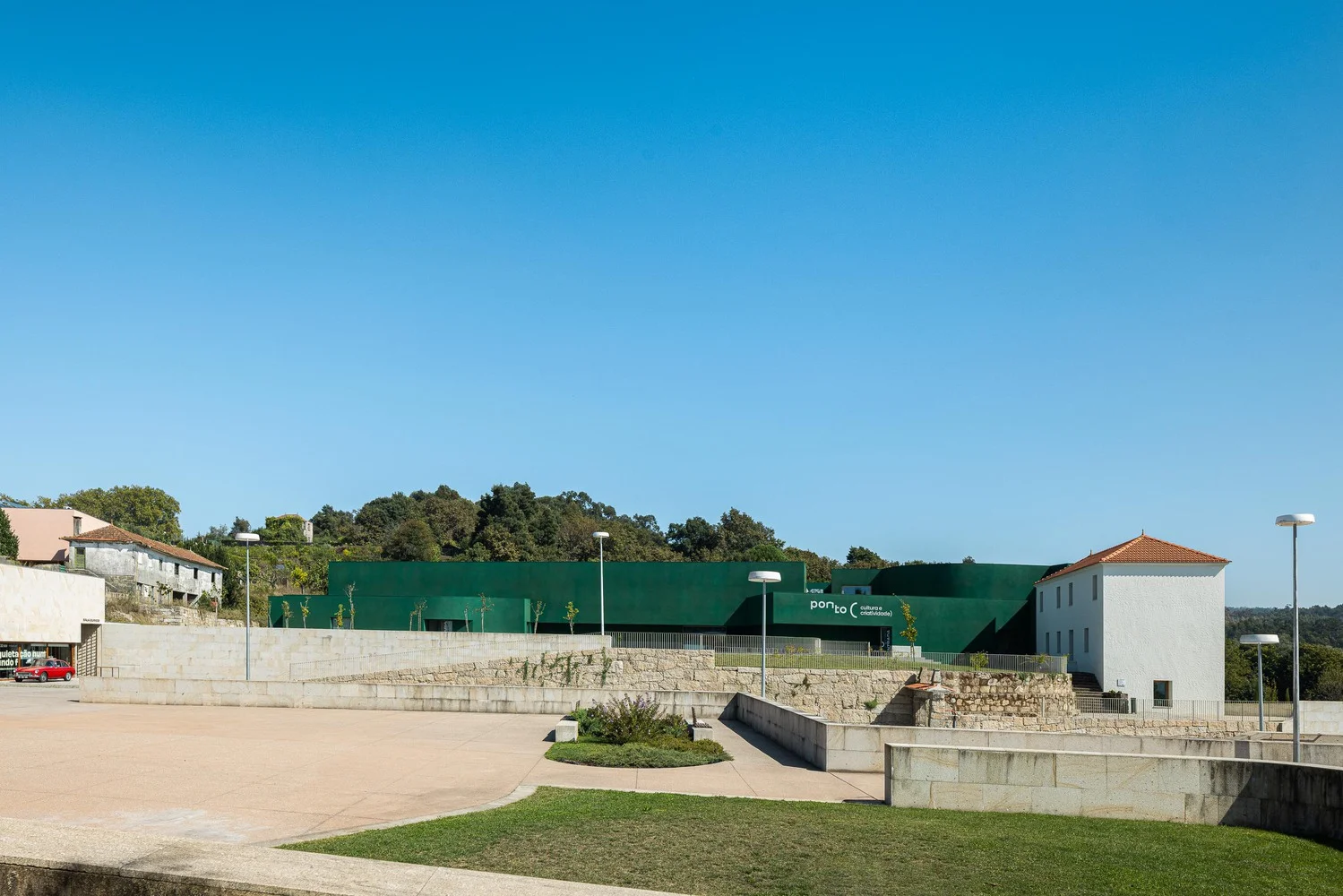
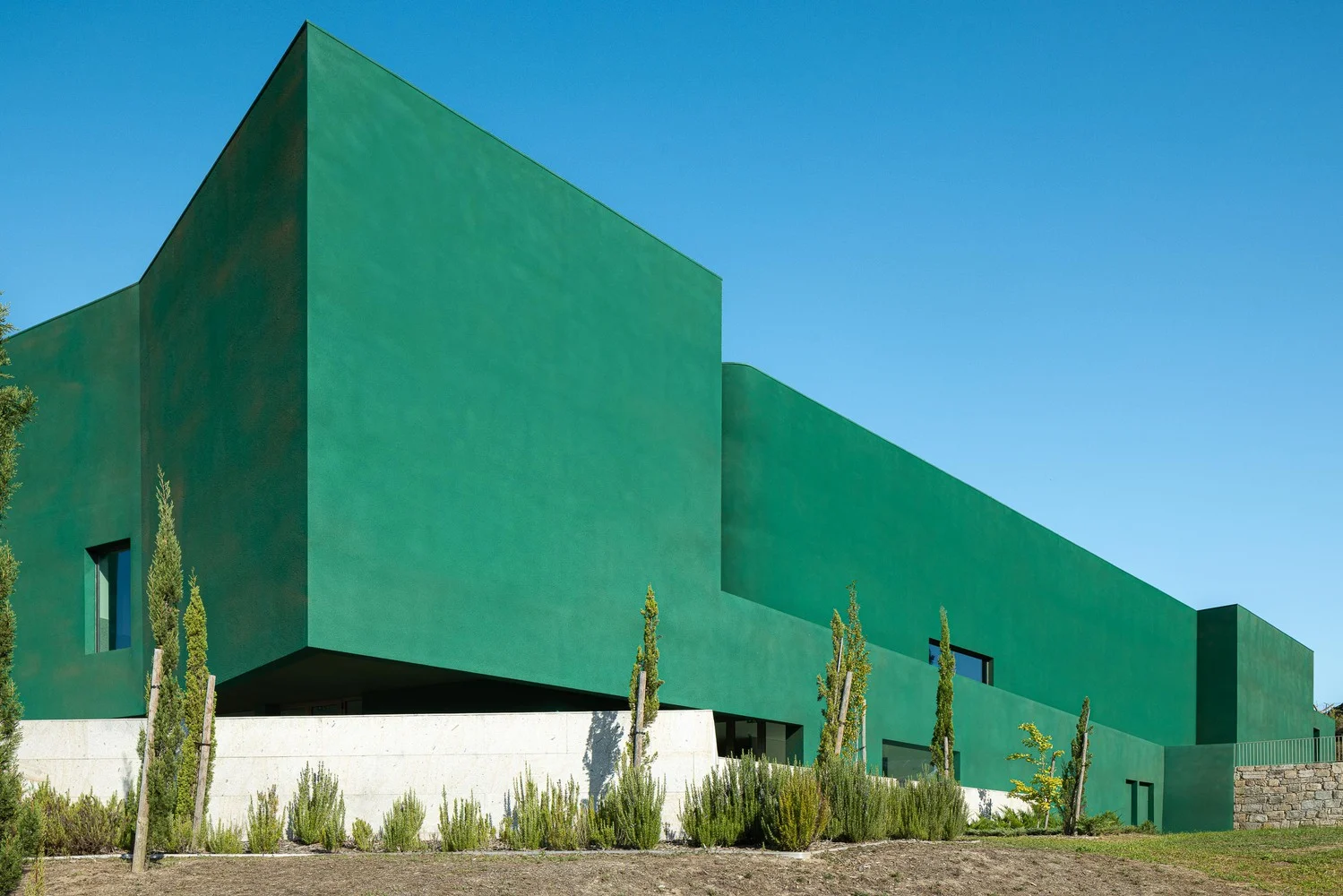
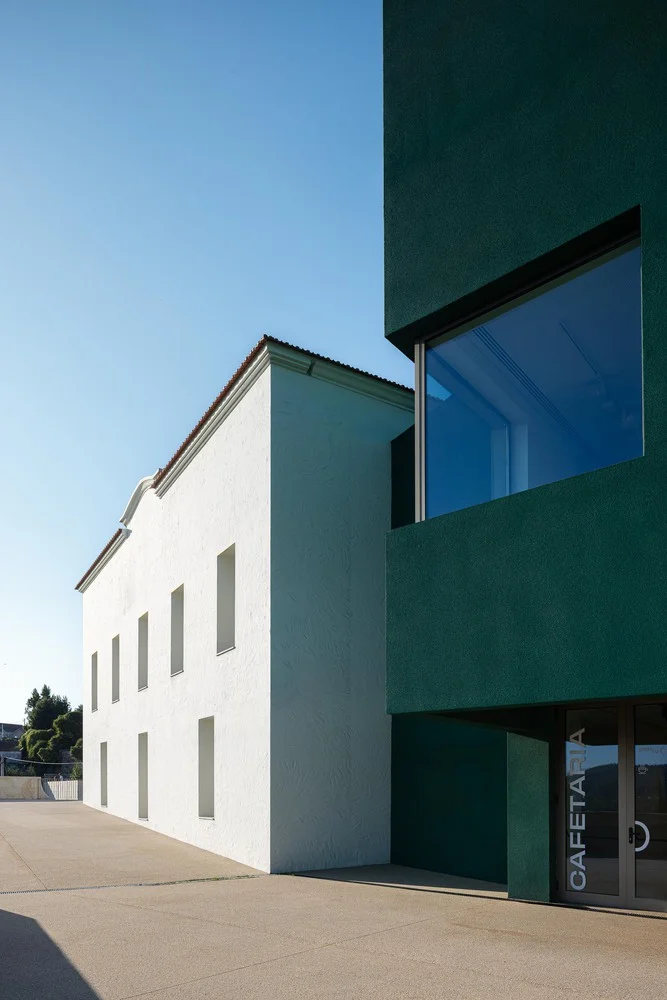
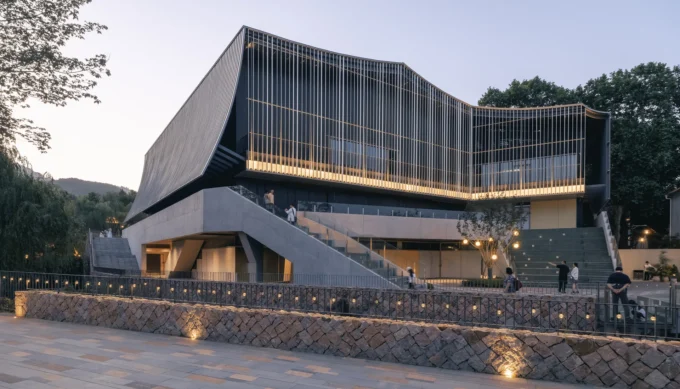
The Ponto C: Culture and Creativity project by Galeria Gabinete is not merely a new cultural building but a decisive intervention in the evolving urban narrative of Penafiel. Conceived as both an architectural and urban catalyst, the project reshapes long-standing perceptions of division within the city, establishing new connections and redefining relationships between historic, civic, and southern areas. What was once considered the “back” of the city is now reintroduced as a dignified and intentional frontage, opening directly onto Praça de S. Martinho and marking a new point of arrival.

Urban Repair and a New City Entrance
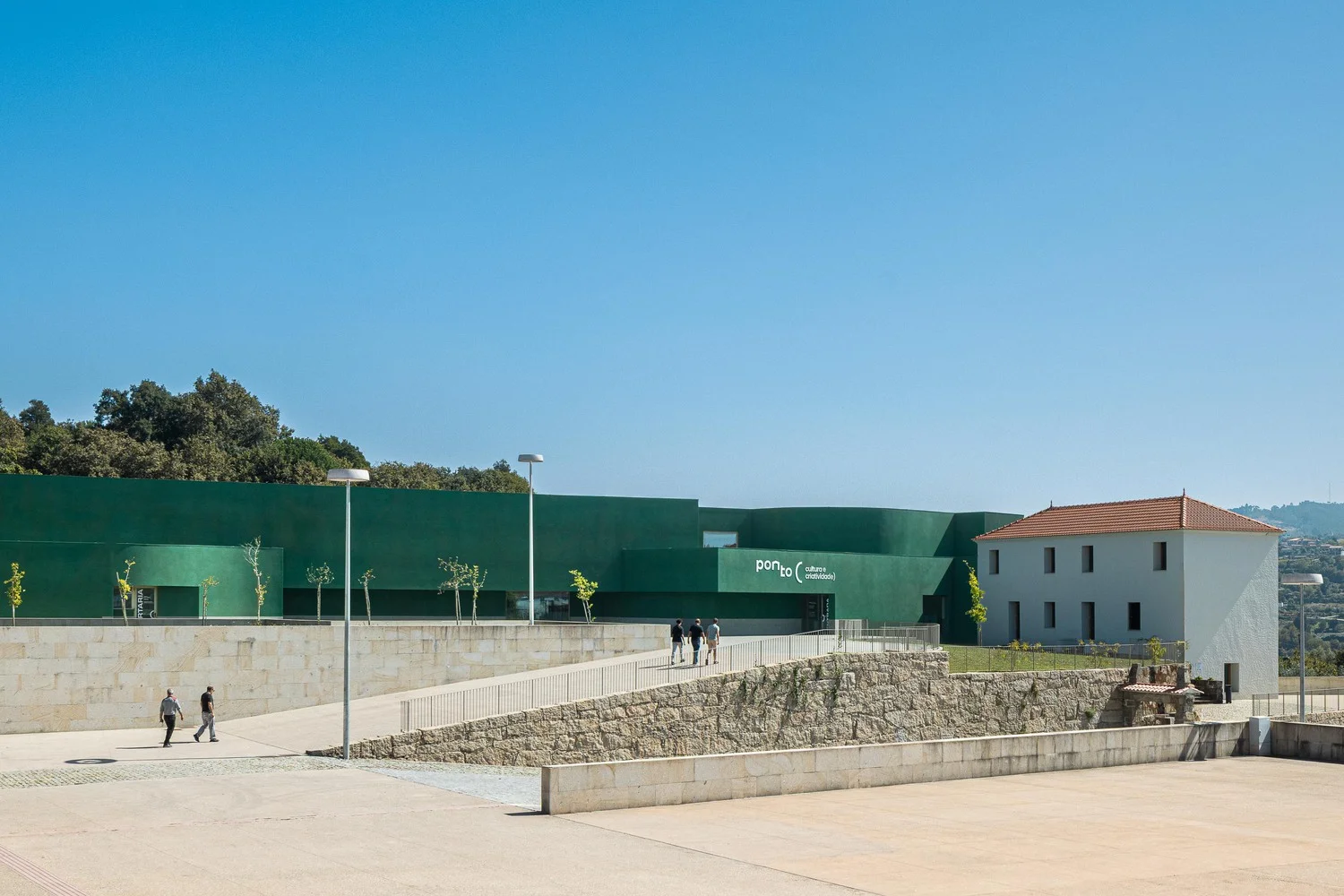
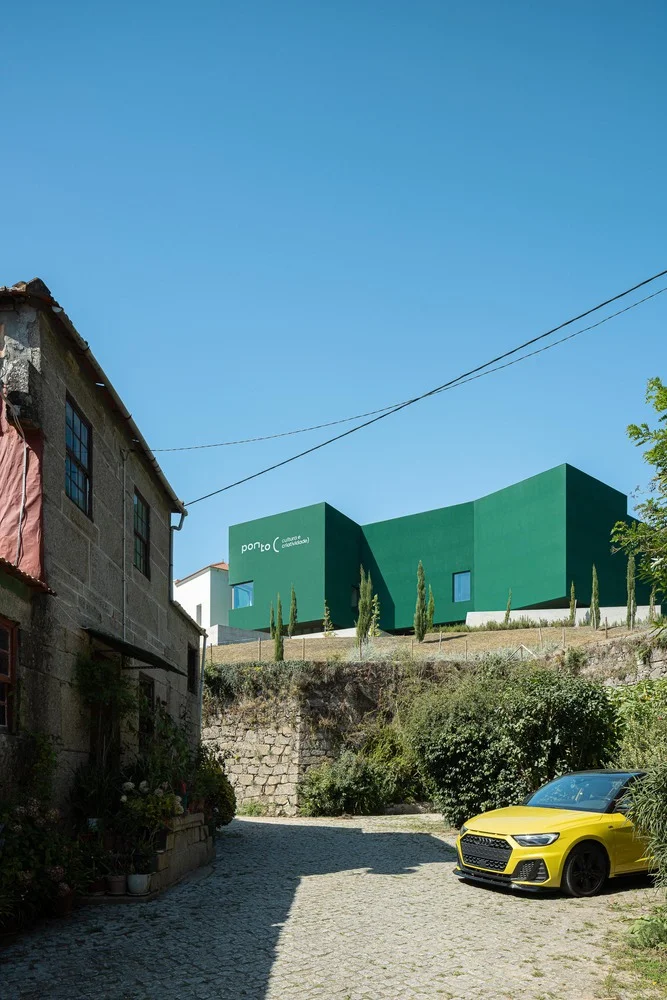
For years, Penafiel carried the notion of being “a city split down the middle.” Ponto C directly confronts this condition through urban continuity rather than monumentality. By creating a new southern entrance and restructuring pedestrian and functional links, the project allows the city to grow in a more cohesive and balanced way. This intervention strengthens proximity to the historic center while enabling structured urban expansion, transforming a previously overlooked edge into a place of encounter, culture, and identity.
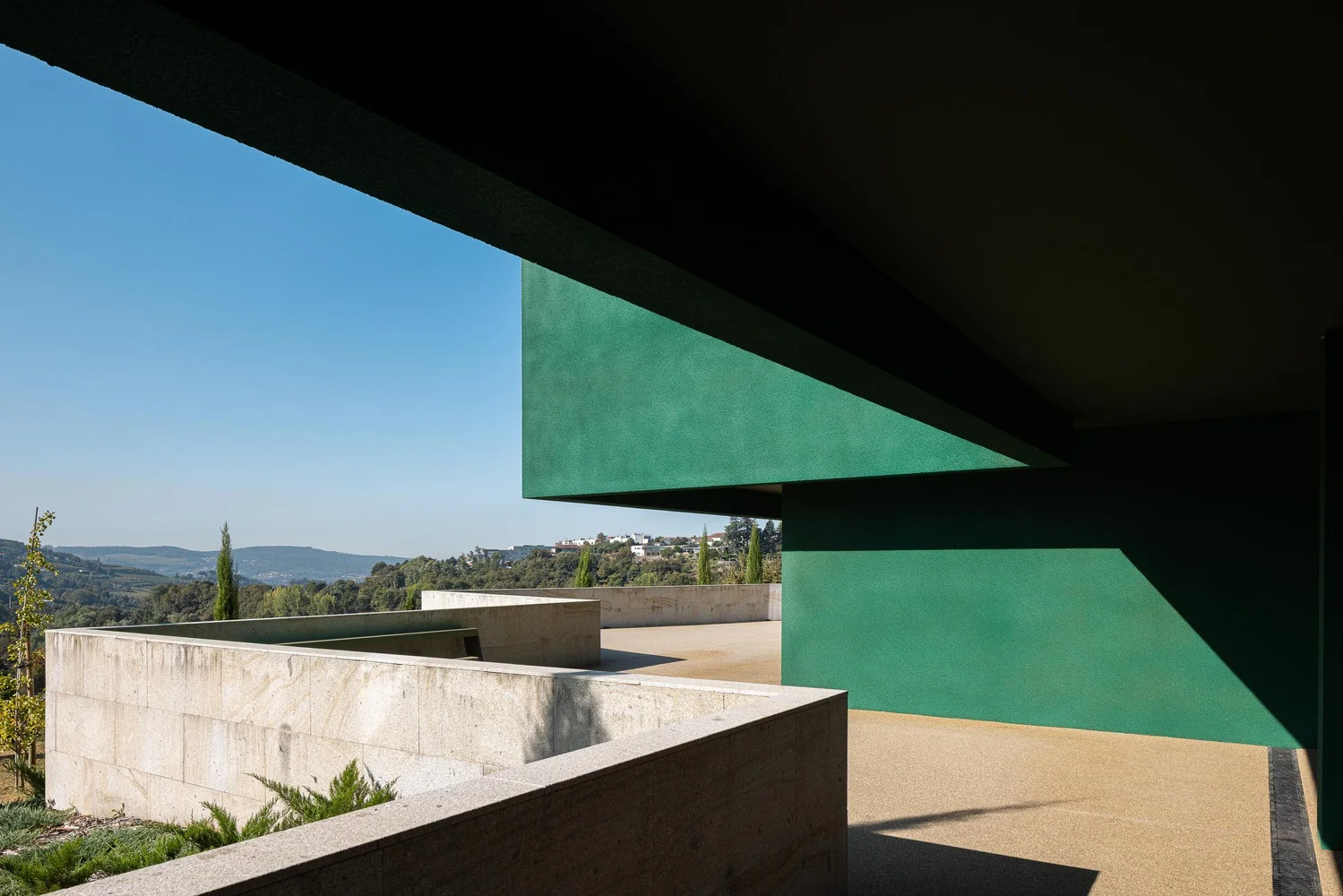
The reception square functions as an urban threshold: a civic carpet that gently guides visitors into the building while maintaining visual and spatial continuity with the surrounding public realm. Architecture here becomes a mediator rather than an object, stitching fragmented areas together through clear circulation and perceptive orientation.

A Building Embedded in Landscape and Topography
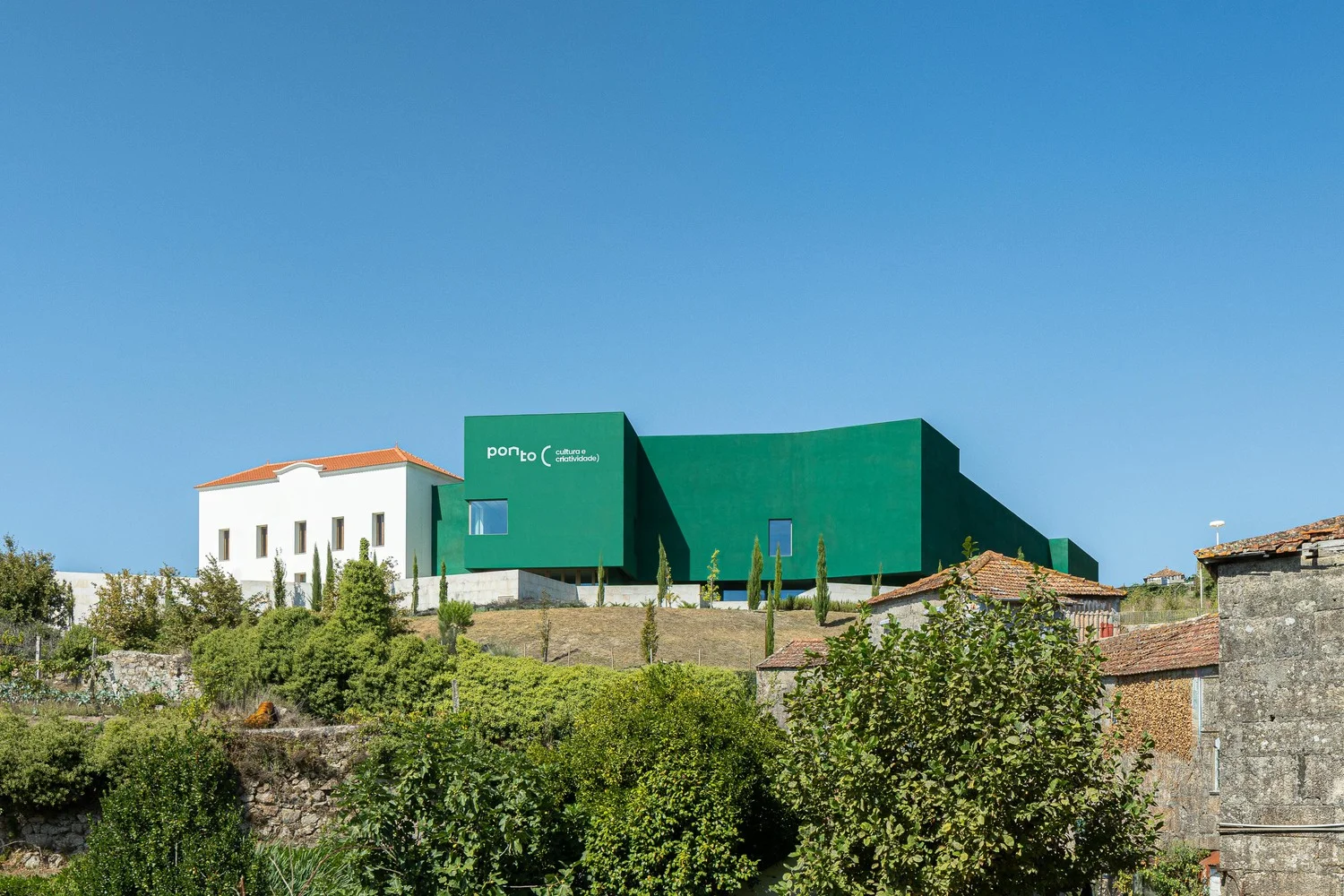
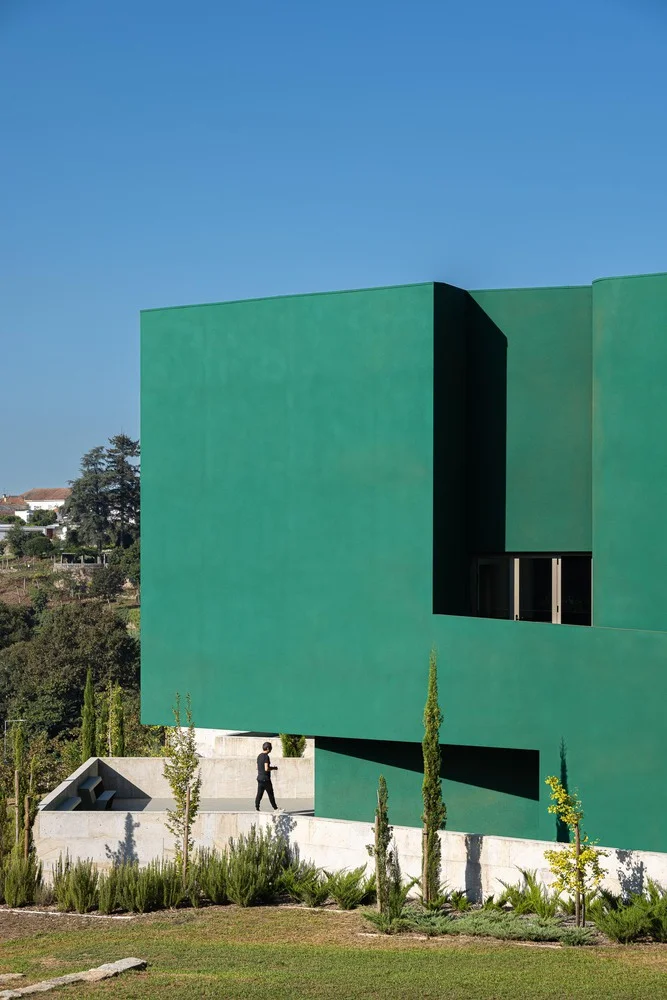
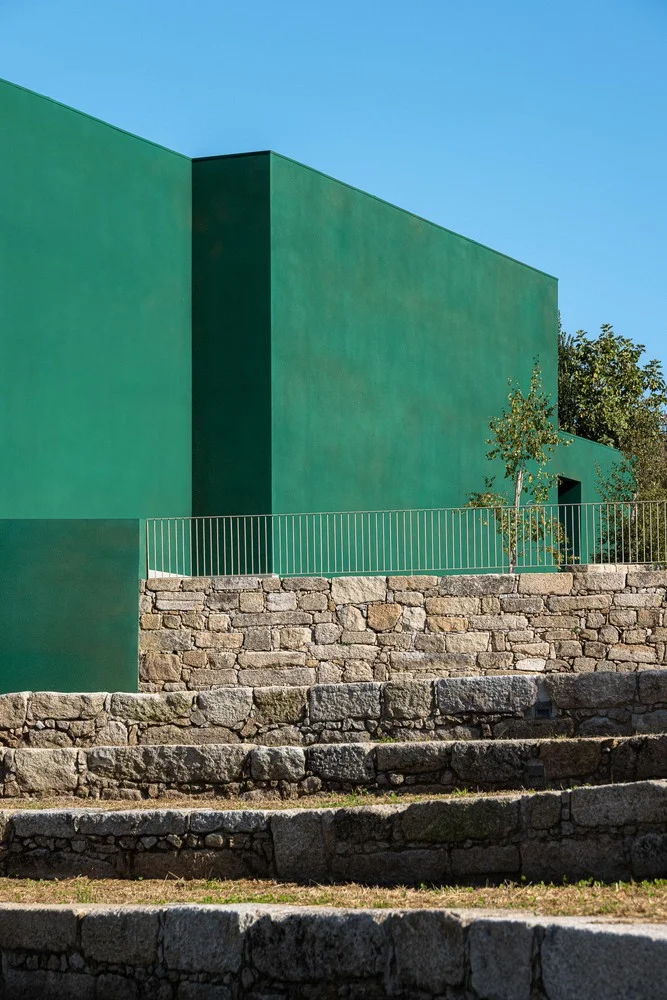
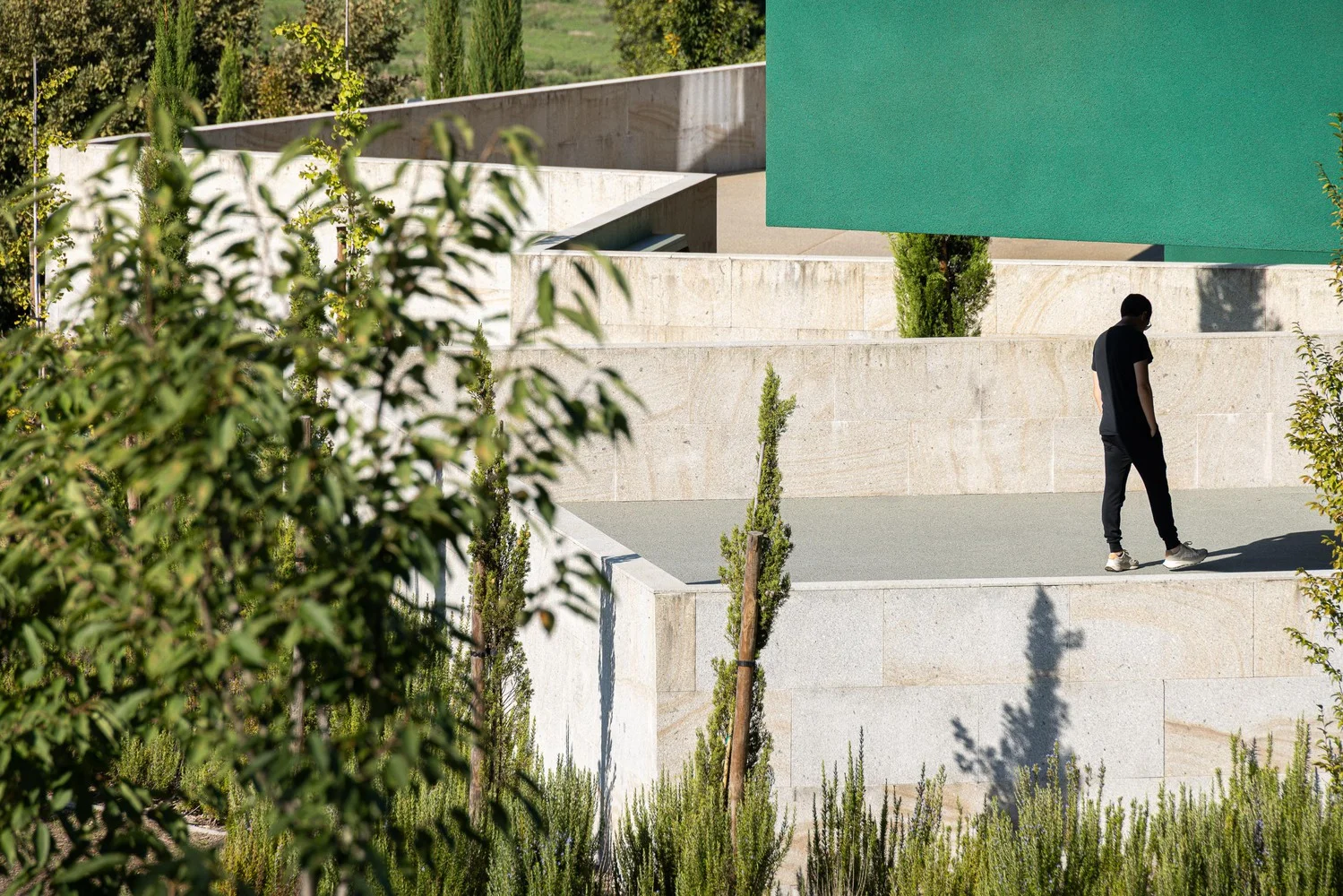
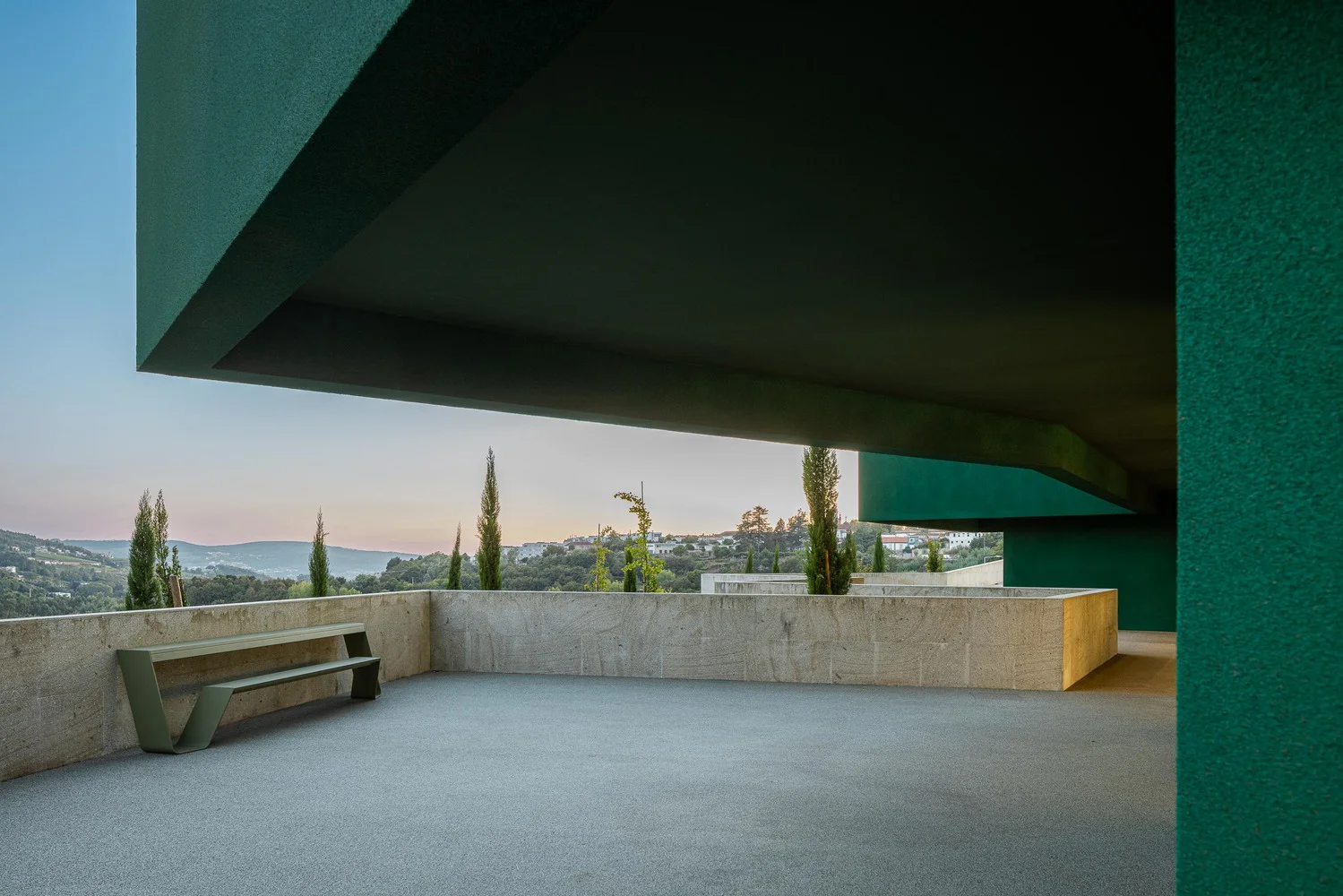
Despite its significant program and volume, Ponto C avoids overpowering its context. Responding sensitively to the difference in topography, the building partially conceals itself within planted greenery and magnolia trees. This strategy softens its mass and creates a layered reading of architecture and landscape. The presence of the former structure is preserved and reinterpreted, allowing memory and transformation to coexist.
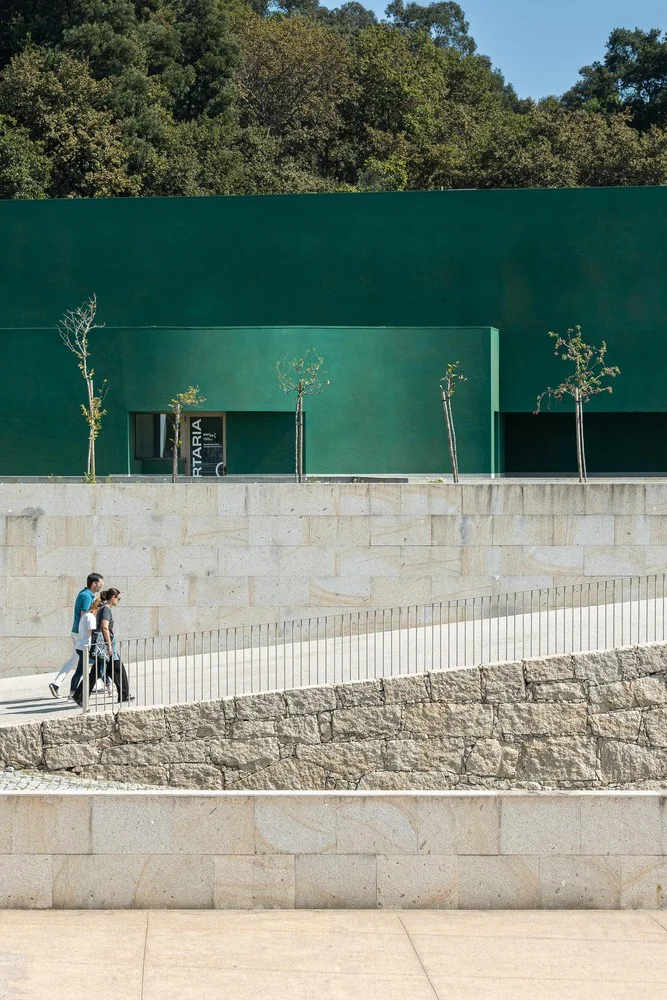
What defines the new identity most clearly is its expressive green exterior, a bold yet restrained chromatic choice. Over time, this tone is expected to merge visually with the surrounding vegetation, reinforcing the building’s integration into its natural setting. The use of projected cork introduces tactile and visual depth, changing appearance with light and viewing angle, almost as if the façade itself were an evolving artistic installation.
Material Expression and Artistic Ambiguity
The architectural language of Ponto C thrives on controlled ambiguity. The cork surface does not read as static; instead, it reacts to environmental conditions, producing variations in tone and texture. This dynamic quality reflects the very nature of cultural production: open to interpretation, layered in meaning, and responsive to context. The building becomes both container and content, housing creativity while expressing it architecturally.
Programmatic Clarity Across Four Levels
The project unfolds across four distinct levels, each carefully organized to separate technical, public, and performance-related functions without overlap or conflict.

Level -2 is entirely technical, dedicated to logistics such as loading and unloading. This level ensures smooth operation while remaining invisible to visitors. A dedicated freight elevator system connects all floors, allowing efficient backstage circulation independent of public flows.
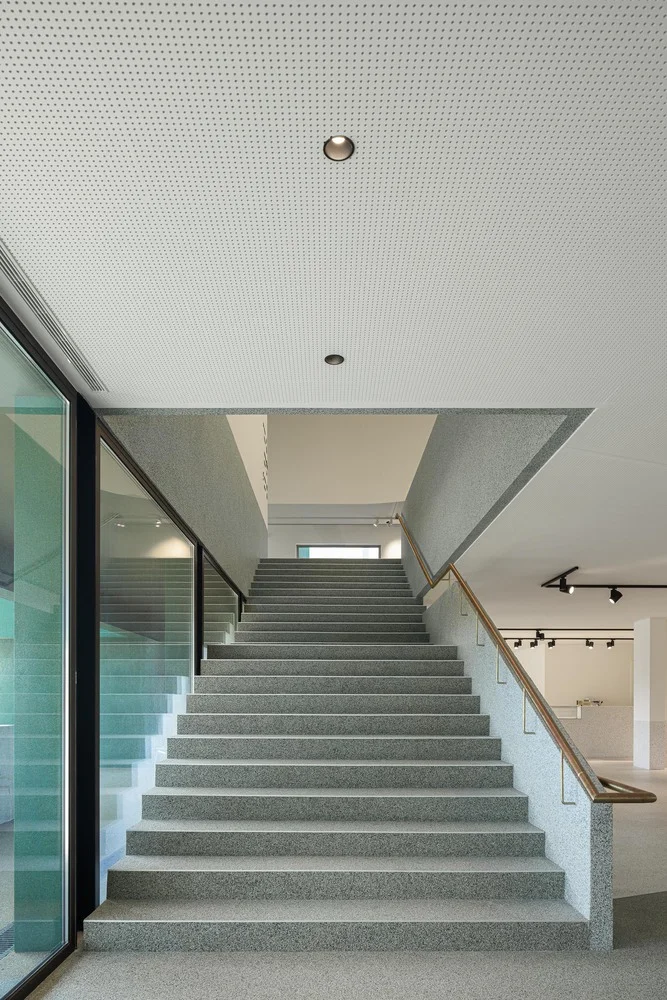
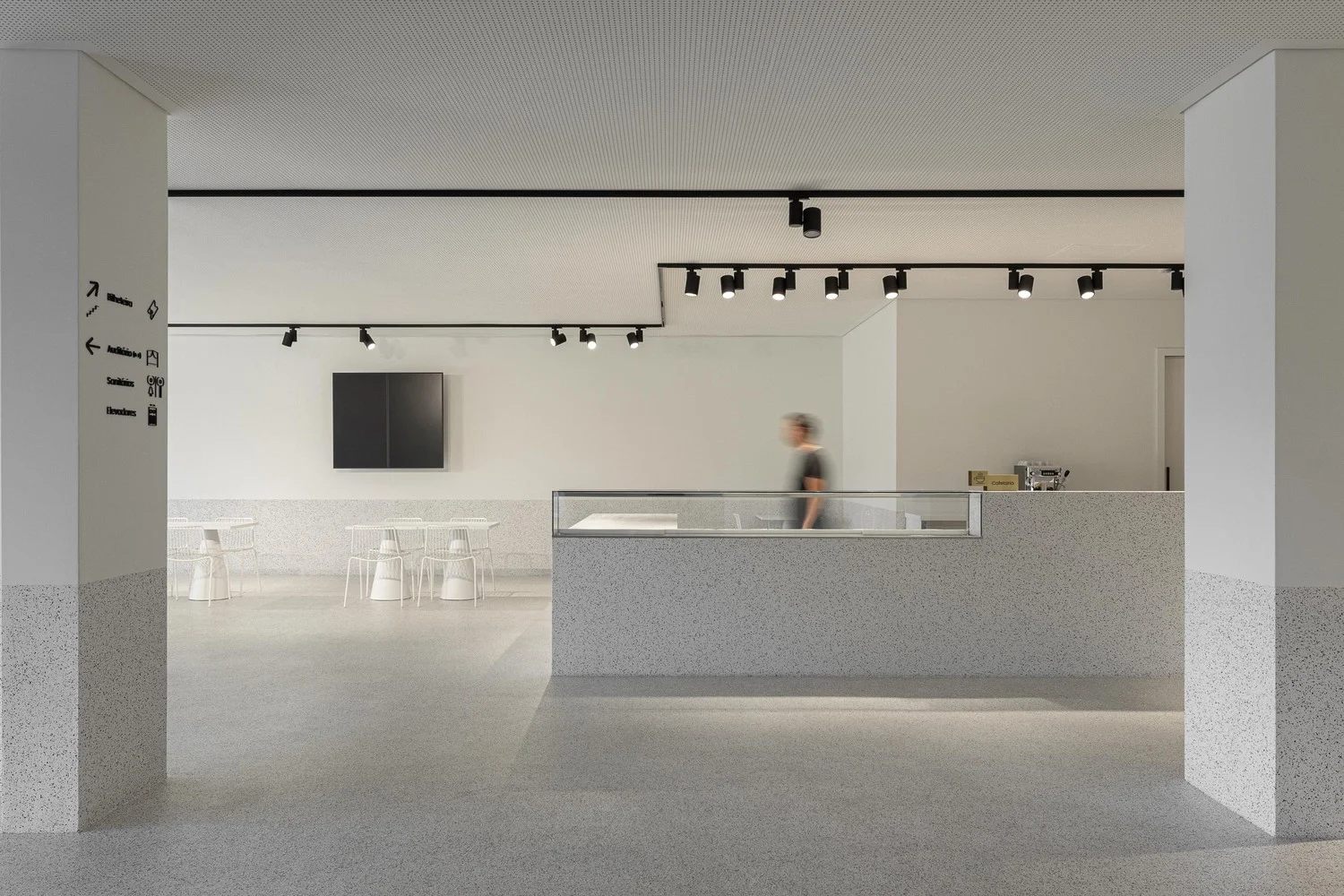
Levels -1 and 0 form the heart of the public experience. Level 0, the main entrance floor, opens directly into a welcoming foyer where visitors encounter the ticket office and clear access to the two principal venues: the Auditorium and Casa da Caturra. Supporting facilities such as dressing rooms and a centralized security post are subtly integrated, maintaining clarity without visual clutter.
On Level -1, the cultural experience expands horizontally and outdoors. Visitors move through exhibition spaces, access the café, and reach the first tier of the auditorium. This level establishes a direct relationship with the garden and outdoor auditorium, extending cultural activity beyond enclosed spaces and reconnecting it with nature and pedestrian pathways leading toward Cavalum.
Performance Spaces and Interior Contrast
While the exterior blends into the landscape, the interior (particularly the auditorium) embraces contrast. If the entrance square and foyer invite openness, the auditorium introduces a formal and immersive atmosphere. Deep red tones wrap the interior, warming the space and focusing attention inward. This deliberate shift in materiality and color enhances the sense of anticipation, transforming the auditorium into a place where performance, audience, and architecture converge.
Level 1, entirely technical, provides direct access to the catwalk above the main stage, ensuring operational efficiency while preserving the integrity of performance spaces below.
A Cultural Anchor for Contemporary Penafiel
Ponto C stands as a powerful example of how architecture can simultaneously address urban fragmentation, cultural programming, and material innovation. It does not dominate its surroundings but reshapes them, quietly yet decisively. By redefining access, orientation, and perception, the project positions culture as an essential urban connector rather than a destination isolated from daily life.
Architecture as Continuity and Transformation
More than a cultural facility, Ponto C: Culture and Creativity acts as a new urban hinge for Penafiel. It repairs old divisions, introduces new relationships, and balances visibility with discretion. Through its integration with landscape, nuanced materiality, and clear functional organization, the project demonstrates how contemporary architecture can engage history, foster accessibility, and create spaces where culture actively reshapes the city.
Photography: Ivo Tavares Studio
- adaptive reuse architecture
- Architecture and urban repair
- Auditorium architecture design
- Civic architecture Europe
- Contemporary civic buildings
- Cork façade architecture
- Cultural architecture Portugal
- Cultural hub design
- Cultural infrastructure Portugal
- Cultural landscape design
- Galeria Gabinete architects
- Landscape integrated buildings
- Modern Portuguese architecture
- Penafiel cultural center
- Performance space design
- Ponto C Culture and Creativity
- Portuguese public architecture
- Public realm transformation
- Urban connectivity projects
- Urban regeneration architecture






Leave a comment