


Table of Contents Show
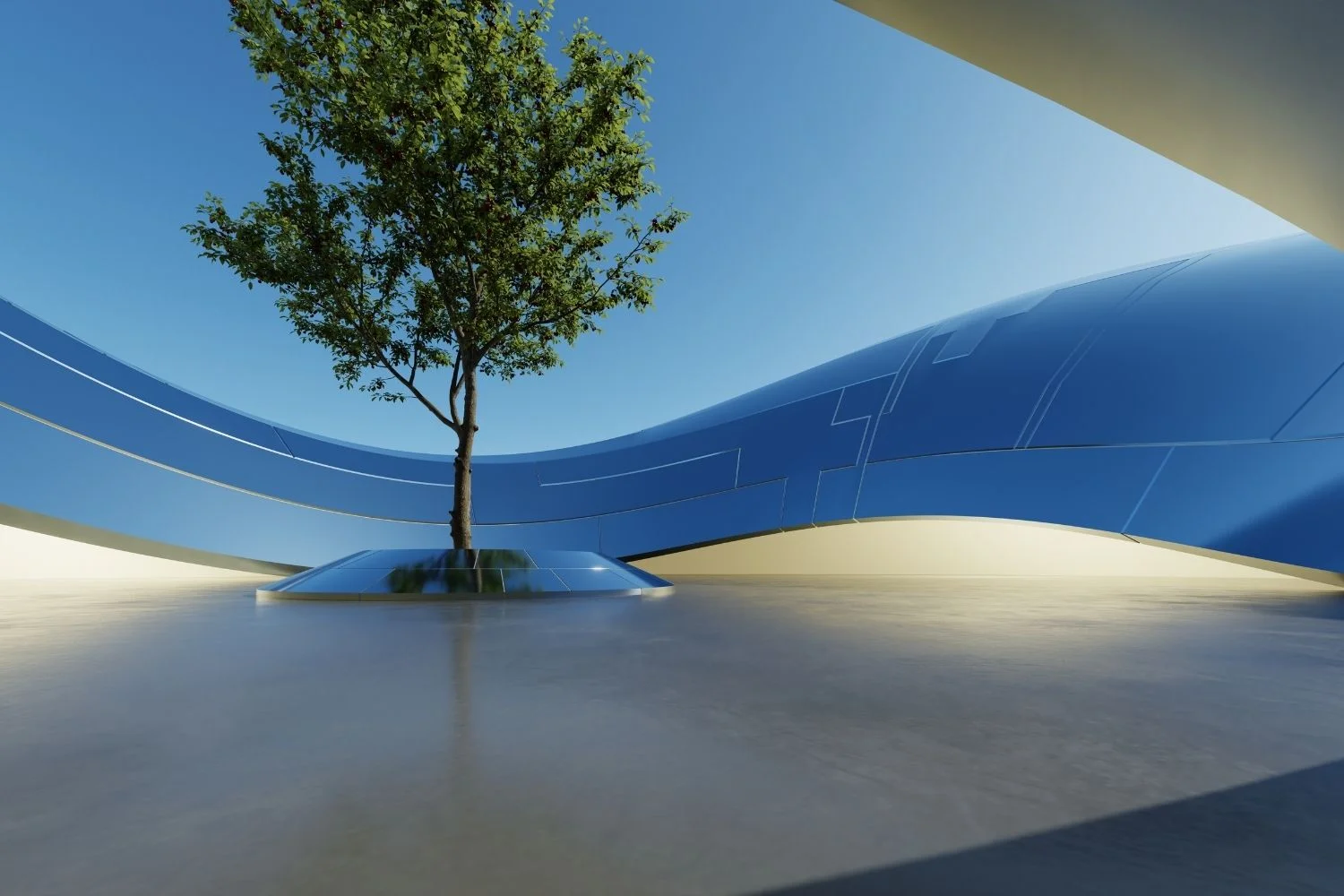
3D architectural exterior visualization is the practice of producing rendered images or sequences that communicate a building’s form, materiality, and atmosphere before construction. In competitions, the style you choose signals not just technical skill but design intent, and the five styles covered here consistently separate shortlisted entries from the rest.
Why Visualization Style Affects Competition Results
Most architects entering competitions focus almost entirely on the design itself and treat visualization as a finishing step. Juries don’t see it that way. Organizations like Buildner and the World Architecture Festival Visualisation Prize evaluate rendering on its own merit: how well it communicates spatial experience, narrative clarity, and architectural intent.
Competition juries made up of working architects and educators consistently reward entries where the visualization style is chosen deliberately rather than by default. A photorealistic render of a conceptual proposal can actually undermine the submission, making a speculative idea look like a developer’s marketing sheet. Equally, a rough sketch render for a client-facing competition signals a lack of effort.
Knowing which of the five main exterior visualization approaches to apply (and when) is what gives technically strong entries their competitive edge.
⚠️ Common Mistake to Avoid
Many entrants default to the photorealistic style regardless of project type, because it looks “finished.” But juries for conceptual and research-driven competitions often penalize over-produced renders that suggest a design is more resolved than it actually is. Match the rendering style to the project’s stage and intent, not to what looks the most impressive in isolation.
What Do Competition Juries Actually Look For?

The Architizer One Rendering Challenge, one of the most referenced competitions among visualization professionals, defines its core requirement clearly: a single rendering must tell a compelling story about architecture and its inhabitants. That framing tells you a lot. Judges are not looking for the most technically accurate representation of a facade. They are looking for images that communicate how a space will feel.
The World Architecture Festival Visualisation Prize similarly emphasizes aesthetics, storytelling, and the relationship between the rendered image and the architectural practice behind it. Their judging criteria explicitly mention that “the render must look good, it should have style.” That line matters because it acknowledges that style is not decorative; it is communicative.
With that context in place, here are the five 3D architectural exterior visualization styles that consistently earn recognition across competition formats.
Style 1: Photorealistic Exterior Rendering
Photorealistic architectural visualization is the most technically demanding approach and the most widely used in professional practice. The goal is an image indistinguishable from on-site photography: accurate materials, calibrated lighting, believable depth of field, and an environment that grounds the building in a plausible real-world context.


For exterior renders specifically, the time of day is a primary creative decision. Morning or late-afternoon sun casts directional shadows that reveal texture and massing in ways that midday flat light cannot. Overcast conditions produce even, diffused lighting that suits residential projects where warmth matters more than drama.
Software pipelines for photorealistic exterior work typically center on V-Ray or Corona for CPU-based ray tracing, Lumion for real-time rendering with fast turnaround, or D5 Render for GPU-accelerated output. Each has strengths depending on scene complexity, deadline, and the degree of post-production planned.
💡 Pro Tip
For competition exterior renders, add minor imperfections that signal realism: slightly non-uniform vegetation heights, subtle weathering on paving joints, or a parked vehicle placed just outside the primary composition frame. These details prevent the “sterile CG” look that makes technically strong renders feel unconvincing to experienced jury members. Keep them subtle: one or two is enough.
In terms of competition fit, photorealistic exterior rendering works best for built or near-construction projects, competitions with real-estate or developer audiences, and categories judged on the coherence between design intent and final form. It is less effective for open-concept competitions that reward imaginative or speculative thinking, where over-resolved imagery can actually reduce jury engagement with the underlying idea.
What Separates Strong Photorealistic Entries
The 2024/25 State of Architectural Visualization report by Chaos and Architizer found that 56% of design professionals now actively use AI tools in their rendering workflows. That shift has raised the baseline quality of photorealistic output across the board, which means technical accuracy alone no longer distinguishes competition entries.
What separates shortlisted photorealistic renders is environmental storytelling: the scene around the building, the human figures placed with purpose rather than scattered randomly, and the lighting that produces a specific mood rather than simply illuminating the facade. Entries that treat the render as a photograph (staged, composed, with a clear subject) consistently outperform those that treat it as a technical document.
🏗️ Real-World Example
Anthony Timberlands Center for Design and Materials Innovation (Arkansas, 2023): This project won the WAF Visualisation Prize using photorealistic renders that emphasized the timber materiality of the building in natural daylight. The jury cited the renders’ ability to communicate the building’s connection to regional material culture as the decisive factor, not the resolution or technical finish of the images.
Style 2: Atmospheric Narrative Rendering
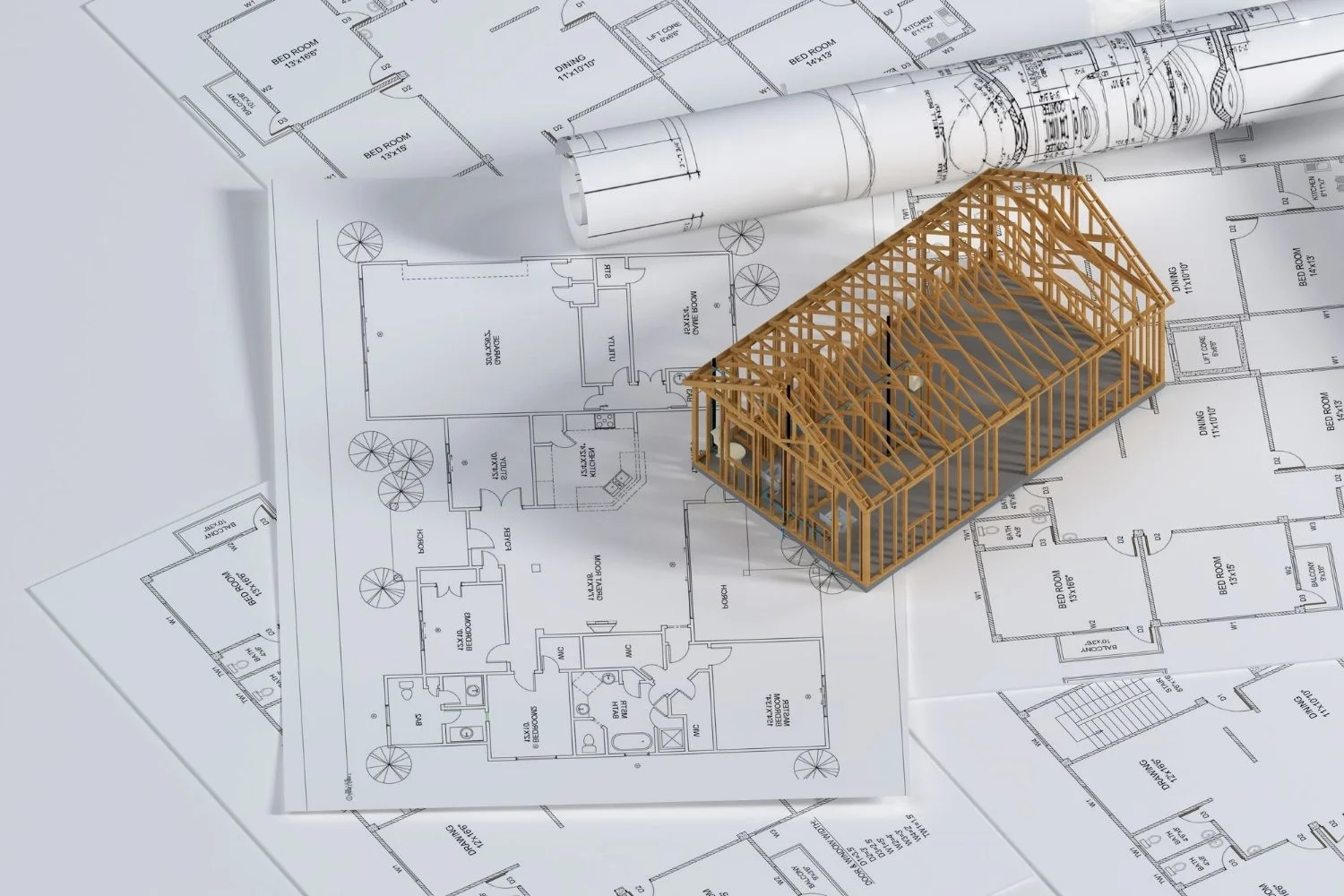
Atmospheric narrative rendering sits between photorealism and artistic expression. The technical execution can be just as rigorous, but the creative decisions shift toward mood, time, and story rather than material accuracy. This is the style behind competition entries that stop a jury mid-scroll.
The defining elements are deliberate atmospheric conditions (fog, rain, golden hour light, dusk transitions, or overcast heavy skies) combined with human activity that suggests how the building will be inhabited rather than simply showing its form. A figure standing under an overhang during rain communicates shelter. A group of people gathered near an entrance at dusk communicates community. These choices transform a visualization from architectural documentation into spatial narrative.
Industry commentary from 2026 describes this shift precisely: the approach moves away from “clinical architectural documentation” and toward “narrative lighting,” embracing imperfection to sell not just dimensions but a lived experience. Competitions organized around storytelling, including the Architizer One Rendering Challenge, are explicitly structured to reward this approach over technical precision alone.
💡 Pro Tip
Volumetric light and atmospheric haze are easy to overdo. A common pattern in competition entries is fog that obscures the building rather than framing it. The atmospheric condition should make the architecture more readable, not less; use it to define the foreground-to-background hierarchy and draw attention toward the building’s primary gesture. Render at least three atmospheric intensity levels and select the subtlest one that still reads as intentional.
For 3D architectural exterior visualization competitions specifically, atmospheric narrative rendering is particularly effective when the project addresses a challenging climate or landscape context, when the design’s primary experience depends on light or weather conditions, or when the competition brief emphasizes the human experience of the proposed space over its technical specifications.
Style 3: Conceptual Collage
Collage as a visualization style has a long history in architecture, tracing back to early-twentieth-century modernist experimentation. In competition contexts, it occupies a specific role: it communicates concept and atmosphere while explicitly leaving design details open for interpretation.

A well-constructed exterior collage combines photographic site photography or urban context imagery with rendered building elements, graphic overlays, and sometimes hand-drawn or illustrated components. The result is an image that feels grounded in reality but does not claim to represent a fully resolved design. This is strategically valuable in open-ideas competitions, where juries are evaluating the strength of a concept rather than the completeness of a technical proposal.
Collage also works as a deliberate stylistic statement. Studios like Luxigon, founded by Paris-based architect Eric de Broche des Combes and recognized globally for bold rendering approaches, have built reputations on collage-inflected visualization that sits at the intersection of graphic design and architectural communication. The CG Award jury has consistently recognized entries that take this approach when the style matches the project’s conceptual ambition.
The practical workflow for competition collage typically involves exporting 3D massing or geometry from modeling software, applying it into a photographic site context at correct perspective and scale, then layering graphic elements (textures, color grades, human figures as silhouettes or cut-outs) in Photoshop or a similar compositing tool. The key technical challenge is maintaining consistent light direction and scale between the photographic and rendered elements.
📌 Did You Know?
Buildner’s Architectural Visualization Award competition receives entries in both photorealistic and conceptual categories from across 50+ countries. Judges including professors from Princeton and Singapore-based architects have noted in post-competition commentary that collage entries regularly outperform photorealistic ones in the open-category judging, specifically because they communicate design thinking more directly than technically polished renders.
Style 4: Watercolor and Sketch-Based Rendering
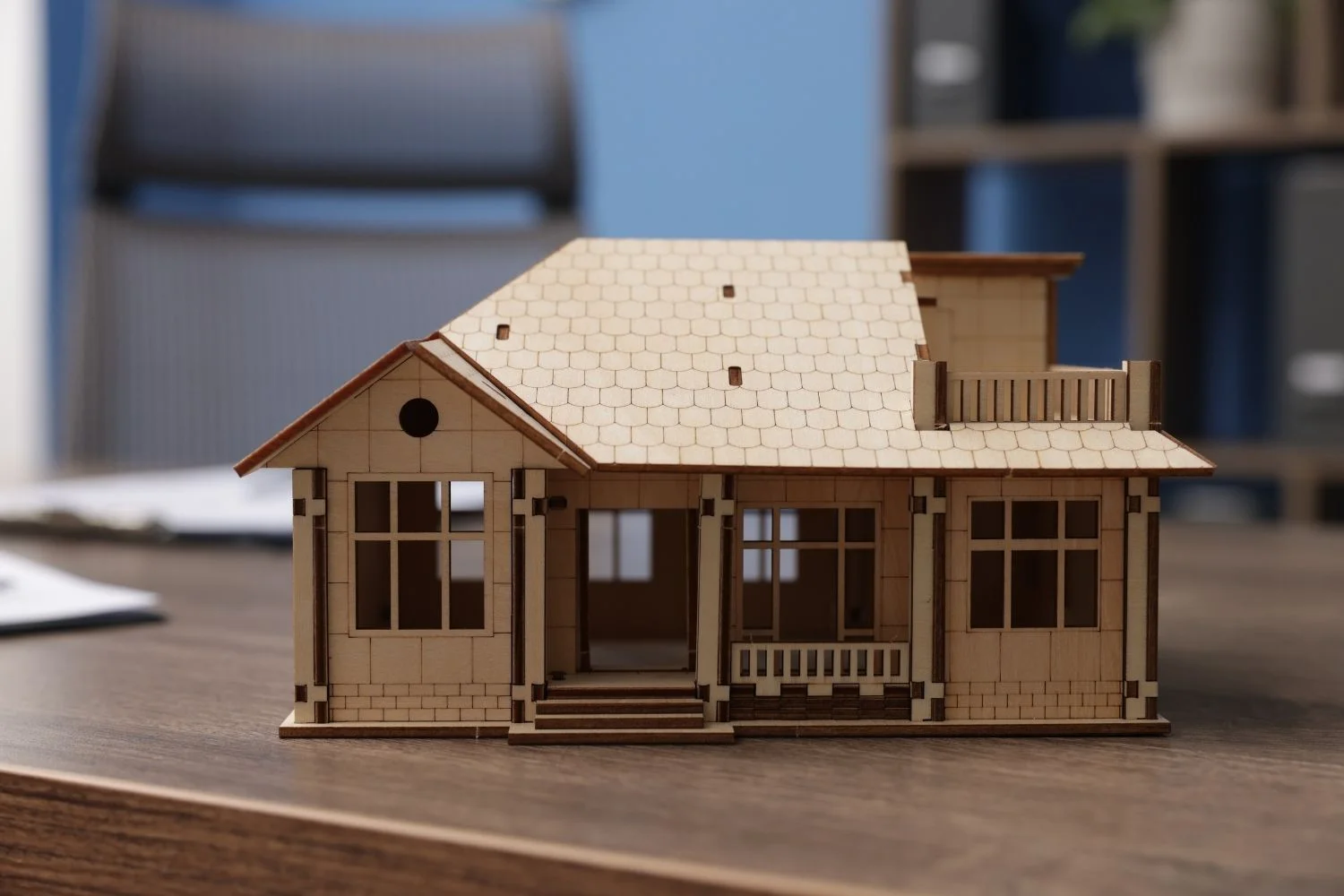

Watercolor and sketch-style exterior renders occupy the conceptual end of the spectrum. They communicate intent and atmosphere without committing to material or construction specifics, which makes them strategically effective at the early stages of a design process, and in competitions that reward ideas over execution.
The visual language of watercolor renders (soft transitions, gentle color washes, hand-drawn aesthetic) signals that a design is still open, human-centered, and collaborative. For jury members who are themselves practicing architects, this looseness reads as confidence: the designer is comfortable showing thinking in progress rather than only showing conclusions. It invites engagement rather than evaluation.
Sketch renders carry a similar message but with more structural emphasis. Strong line weight, hatching for shadow, and an unfinished quality that focuses attention on form and proportion rather than finish and detail. This style is particularly effective for exterior visualization when the building’s primary quality is its massing or spatial organization rather than surface materiality.
The practical tools range from physical watercolor techniques combined with photography, to fully digital workflows using Procreate or Photoshop over exported CAD geometry. For competitions with strict submission file formats, digital watercolor outputs are more controllable in terms of resolution and color profile.
Competition fit: watercolor and sketch rendering works well in student-category submissions, conceptual open-brief competitions, and any category where the jury guidance explicitly mentions “design thinking” or “process” as evaluation criteria. It is a weaker choice for built-project competitions where the jury expects evidence of design resolution.
Style 5: Clay and Massing Visualization
Clay rendering (sometimes called clay model render or grey-shaded massing visualization) strips the scene to its geometric essentials. No textures, no entourage, no environmental context. Just the building’s form, proportions, and spatial logic rendered in a uniform matte material, usually under soft diffuse light.

This style is used strategically in competitions when the primary strength of the proposal is its architectural form. Clay renders prevent the jury’s eye from being distracted by material choices or landscape context and direct full attention to the geometry itself. They are also highly effective as part of a multi-image competition board that shows both the formal concept (clay) and the experiential quality (photorealistic or atmospheric).
For 3D architectural exterior visualization in competitions, clay renders are almost always used as supporting images rather than primary hero renders. A common format in award-winning boards is one dominant photorealistic or atmospheric exterior render supported by two or three clay massing views showing the building from different angles and in relation to site topography.
Technically, clay renders require less scene-building time than photorealistic outputs, which makes them practical for competition timelines. Most professional rendering software (V-Ray, Corona, Lumion) has a one-click clay mode or override material setting that applies a uniform grey shader across all geometry. The remaining work is lighting setup and camera placement.
| Style | Best Competition Type | Primary Strength | Common Tool |
|---|---|---|---|
| Photorealistic | Built/near-construction, real estate | Technical accuracy, client confidence | V-Ray, Corona, Lumion |
| Atmospheric Narrative | Storytelling, experience-focused briefs | Emotional impact, jury engagement | V-Ray + Photoshop post |
| Conceptual Collage | Open-brief, ideas competitions | Concept clarity, artistic distinctiveness | Photoshop, Rhino export |
| Watercolor / Sketch | Student, concept-stage, process-led | Design openness, human quality | Procreate, Photoshop |
| Clay / Massing | Form-led proposals, supporting panels | Form legibility, uncluttered composition | Any renderer (clay override) |
How to Choose the Right Style for Your Entry

The choice between these five approaches to 3D architectural visualization is not primarily a software question. It is a strategic question about what the competition is testing and what the design’s strongest quality actually is.
Start with the competition brief. Competitions that ask entrants to “tell a story” or “show the experience of inhabiting the space” are signaling that atmospheric narrative or collage approaches will resonate with the jury. Competitions that ask for technical drawings alongside renders, or that specify output resolution and format requirements, typically favor photorealistic exterior visualization.
Next, evaluate the design itself. A project whose primary quality is its relationship to landscape, light, or climate will communicate more powerfully through atmospheric narrative than through a technically accurate but emotionally neutral photorealistic render. A project whose primary quality is a bold formal gesture will read more clearly in clay render than in a fully textured scene where secondary details compete with the main form.
For longer competition boards, the most effective approach is often a combination: one dominant image in the style most suited to the project’s primary quality, supported by one or two secondary views in a contrasting style that provides additional information. A photorealistic hero exterior supported by clay massing studies is a reliable format for built-project categories. An atmospheric narrative hero supported by a conceptual collage works well for open-brief and ideas competitions.
What Makes Competition-Ready 3D Architectural Exterior Visualization
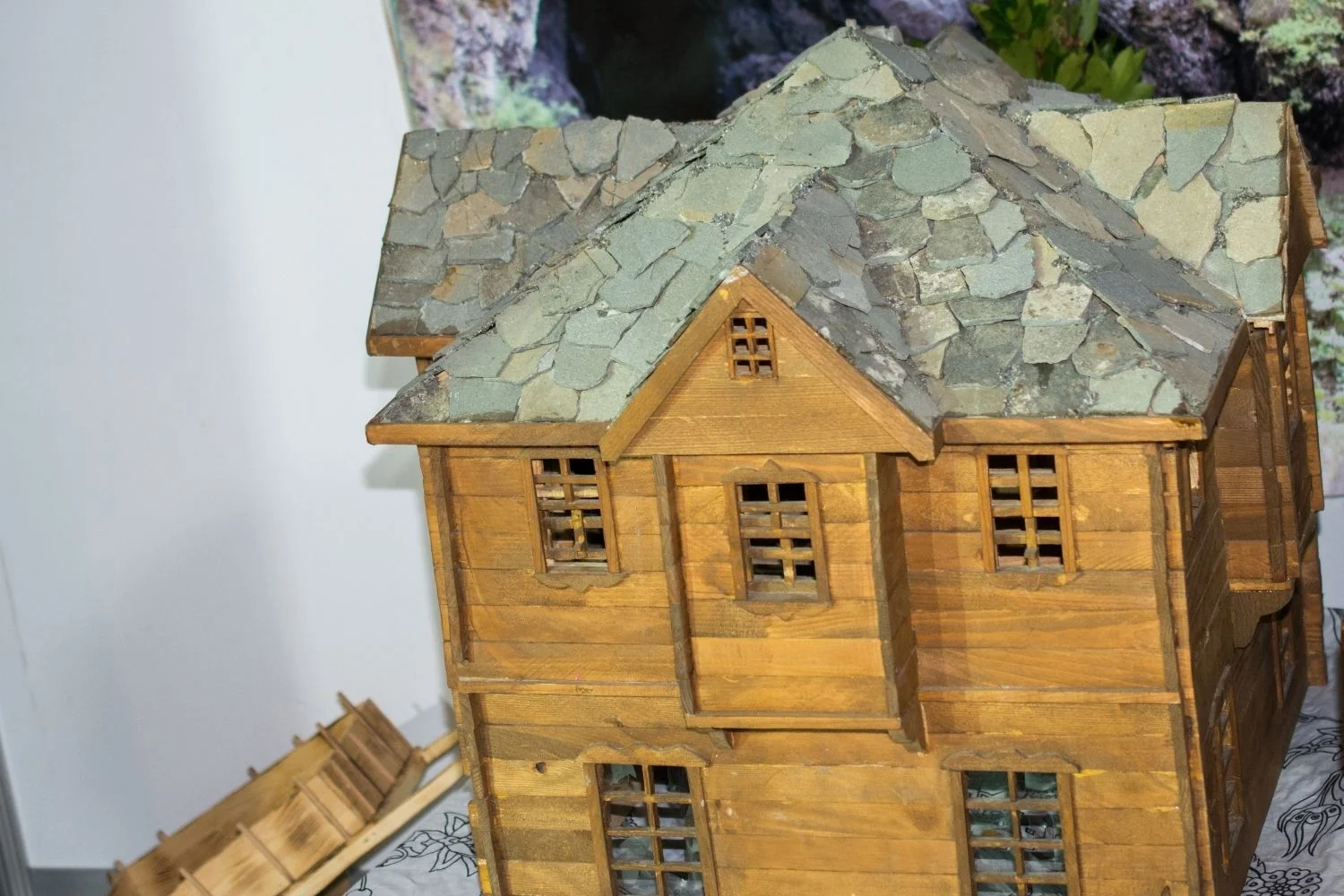
Across all five styles, the entries that consistently reach competition shortlists share certain qualities that go beyond style selection. Camera placement is one: competition renders that work are almost always composed with architectural photography principles: a considered viewpoint, a clear foreground-midground-background hierarchy, and framing that shows the building in relation to something (landscape, sky, street) rather than floating in isolation.
Scale indicators matter at every level of the spectrum. In photorealistic renders, human figures establish scale and suggest occupation. In watercolor and sketch renders, the proportional relationship between the building and its surroundings does the same work more loosely. Even in clay renders, a ground plane and horizon line establish the building’s spatial context.
Post-production is the difference between a rendered image and a competition-ready image. Color grading, contrast adjustment, lens effects like chromatic aberration or subtle vignetting, and careful management of the overall tonal range all move an output from “technically correct” to “visually compelling.” For AI-enhanced rendering workflows, this stage remains where skilled human judgment shapes the final result.
🎓 Expert Insight
“Nowadays, a rendering has to be more than just eye candy; it needs to tell a story about architecture, helping people envision not just what a building will look like, but how it will feel to gaze up at, live alongside and stand within.”
Architizer, One Rendering Challenge brief
This framing from one of the field’s most prominent competitions reflects how jury expectations have shifted. Technical mastery is now table stakes. What separates winning exterior visualization is the ability to make a viewer feel something, and that requires deliberate choices about style, not just execution quality.
Resources worth studying for exterior visualization technique include the ArchDaily archive of competition winners, the CGarchitect 3D Awards annual submission galleries, and the CG Award winner showcase, which publishes the winning exterior renders each year alongside jury commentary.
✅ Key Takeaways
- The five main exterior visualization styles (photorealistic, atmospheric narrative, conceptual collage, watercolor/sketch, and clay) each signal different things to competition juries and suit different project types.
- Style choice should be driven by the competition brief’s language and by the design’s primary strength, not by what looks the most technically impressive.
- Atmospheric narrative rendering is the fastest-growing approach in high-profile competitions because it prioritizes storytelling and spatial experience over technical accuracy.
- Multi-image competition boards often combine styles: a dominant hero render in one style supported by secondary views in a contrasting style that provides different information.
- Across all styles, post-production (color grading, tonal control, and final compositing) is where technically correct outputs become competition-ready images.
Frequently Asked Questions
What is the best style for architectural exterior visualization in student competitions?
Watercolor, sketch, and conceptual collage styles tend to serve student competitions well because they communicate design thinking and creative intent without requiring the software setup and render time that photorealistic outputs demand. Most student-category competition briefs value the clarity of an idea over technical finish, so a well-composed watercolor exterior render that clearly shows the building’s relationship to its context will usually outperform a photorealistic render where the concept is harder to read.
How many images should a competition board include for exterior visualization?
Most competition formats accept between three and five images per submission. A practical format is one dominant exterior visualization image (your hero render) plus two supporting views. Supporting images might include a clay massing view, a detail render showing a specific facade condition, or a site plan diagram. The goal is to give the jury multiple reading points without filling the board with redundant angles of the same scene.
Which 3D architectural visualization tools are best for competition exteriors?
V-Ray and Corona are the standard choices for photorealistic exterior rendering where accuracy is the priority. Lumion and D5 Render are faster options for real-time workflows with strong entourage libraries. For atmospheric and narrative work, most studios apply V-Ray or Corona for the base render and then do heavy post-production in Photoshop or Lightroom. Collage work typically starts with Rhino or SketchUp geometry exports and is assembled entirely in Photoshop.
What tips do competition winners use for exterior render composition?
Winning entries consistently use a clear foreground-midground-background hierarchy, a viewpoint at or slightly below eye level (rather than elevated drone perspectives), and human figures positioned to suggest specific activities rather than scattered across the scene. Time of day matters more than most entrants realize: golden hour light at approximately 30 degrees elevation produces shadows that reveal massing and texture simultaneously, which is why so many competition-winning exteriors are set at this lighting condition.
- 3d architectural exterior visualization
- 3d architectural interior visualization
- 3d architectural visual design
- 3D architectural visualization
- 3d architectural visualization & rendering
- 3d architectural visualization examples
- 3d architectural visualization interior rendering
- architectural visualization styles












Leave a comment