


Table of Contents Show
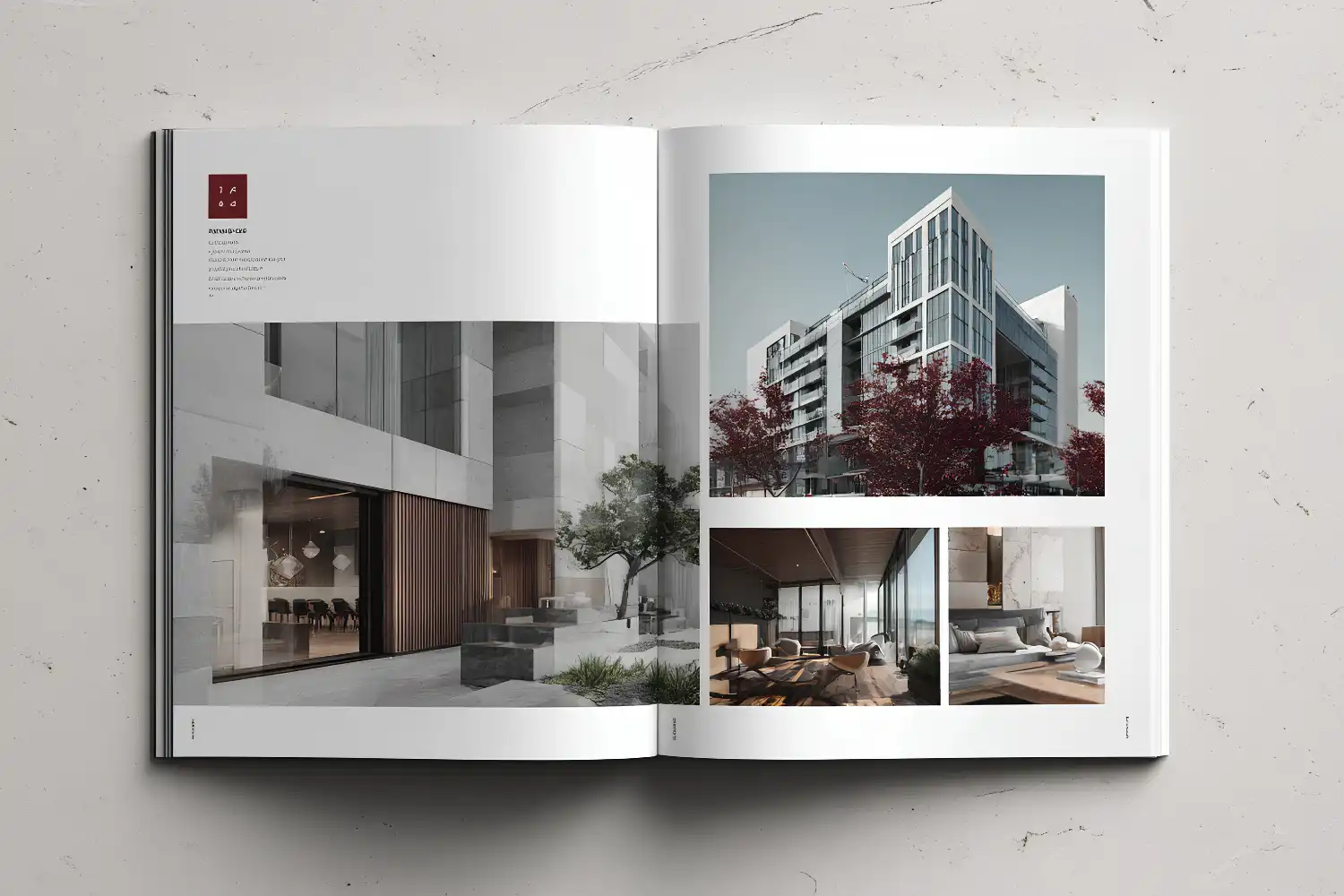
An architecture portfolio is a designed collection of your strongest work, organized to communicate your skills and design thinking to a specific audience. For beginners, the challenge is not having too little work but knowing how to select, arrange, and present it so reviewers see potential rather than inexperience. This guide covers the full process from project selection to final output.
Putting together your first architecture portfolio can feel overwhelming. You have studio projects, sketches, maybe some competition entries, but no clear system for turning all of it into a focused document. The good news is that a beginner architecture portfolio does not need dozens of projects or years of professional experience. What it does need is a clear structure, honest project selection, and visual consistency. Below, you will find a practical breakdown of how to get there.

What Is an Architecture Portfolio?
An architecture portfolio is a visual document that presents your design projects, technical abilities, and creative process. Think of it as a visual resume. Unlike a standard CV that lists qualifications, an architectural portfolio shows what you can actually do through drawings, renders, diagrams, and photographs of models.
Portfolios serve different purposes depending on where you are in your career. A student applying to a master’s program will emphasize conceptual thinking and academic projects. Someone applying for an internship will focus on software skills and adaptability. According to the American Institute of Architects (AIA), hiring managers consistently rank the portfolio as the single most important factor in evaluating candidates. For a deeper look at the portfolio’s role across career stages, the ultimate architecture portfolio guide on this site covers everything from first drafts to ongoing updates.
📌 Did You Know?
A 2023 survey by Bespoke Careers found that hiring managers spend an average of just 20 to 30 seconds on an initial portfolio review. If the first two spreads do not grab attention, the rest may never be seen. That is why your strongest project should always go first.
What Should Be in a Beginner Architecture Portfolio?
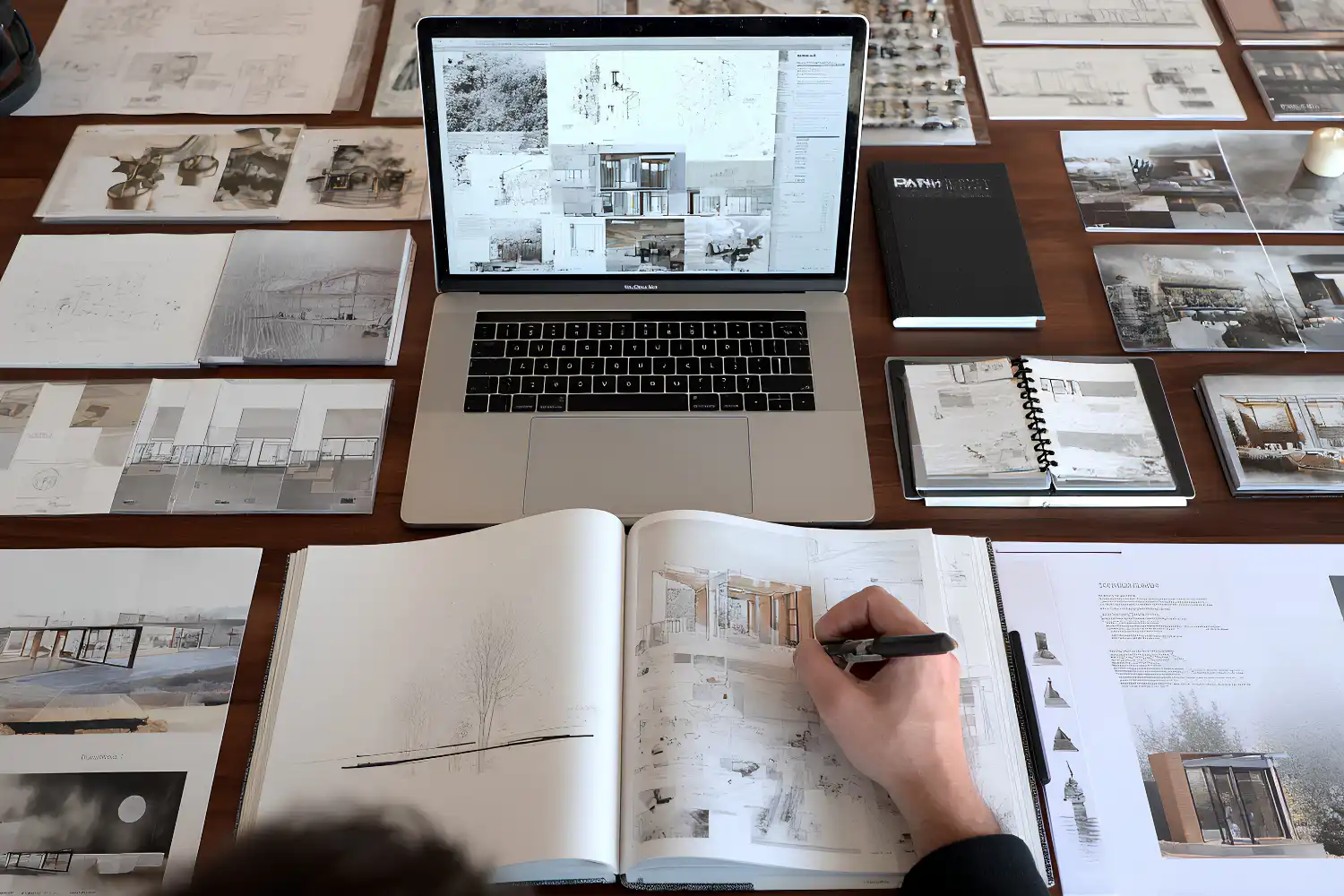
A beginner architecture portfolio should include four to six well-documented projects that show a range of scales, media, and design thinking. Quality always beats quantity. Reviewers at firms like OMA and BIG have noted that a focused portfolio of four strong projects leaves a better impression than ten average ones.
Here is what to include as a minimum:
- A title page with your name, contact details, and a clean visual identity
- A table of contents for easy navigation
- Four to six projects, each with context (site, brief, concept) and a mix of drawings
- Process work such as sketches, diagrams, and iteration studies
- A brief personal statement or design philosophy (optional, but effective at one paragraph)
Each project spread should answer three questions: what was the design problem, how did you solve it, and what was the result? For specific guidance on which projects to include in a student portfolio, there is a dedicated guide with examples.
Showing Process, Not Just Final Renders
One of the most common gaps in an architecture student portfolio is a lack of process documentation. Reviewers want to see how you think, not just what your final render looks like. Include early concept sketches, site analysis diagrams, massing studies, and iterative floor plan developments. Place these alongside the final images so the viewer follows your design logic from start to finish.
💡 Pro Tip
Pair every final render with at least one process image on the same spread. This could be a hand sketch, a physical model photograph, or a diagram showing your site strategy. Firms consistently report that process evidence is what separates memorable portfolios from forgettable ones.
Structuring Your Portfolio Layout
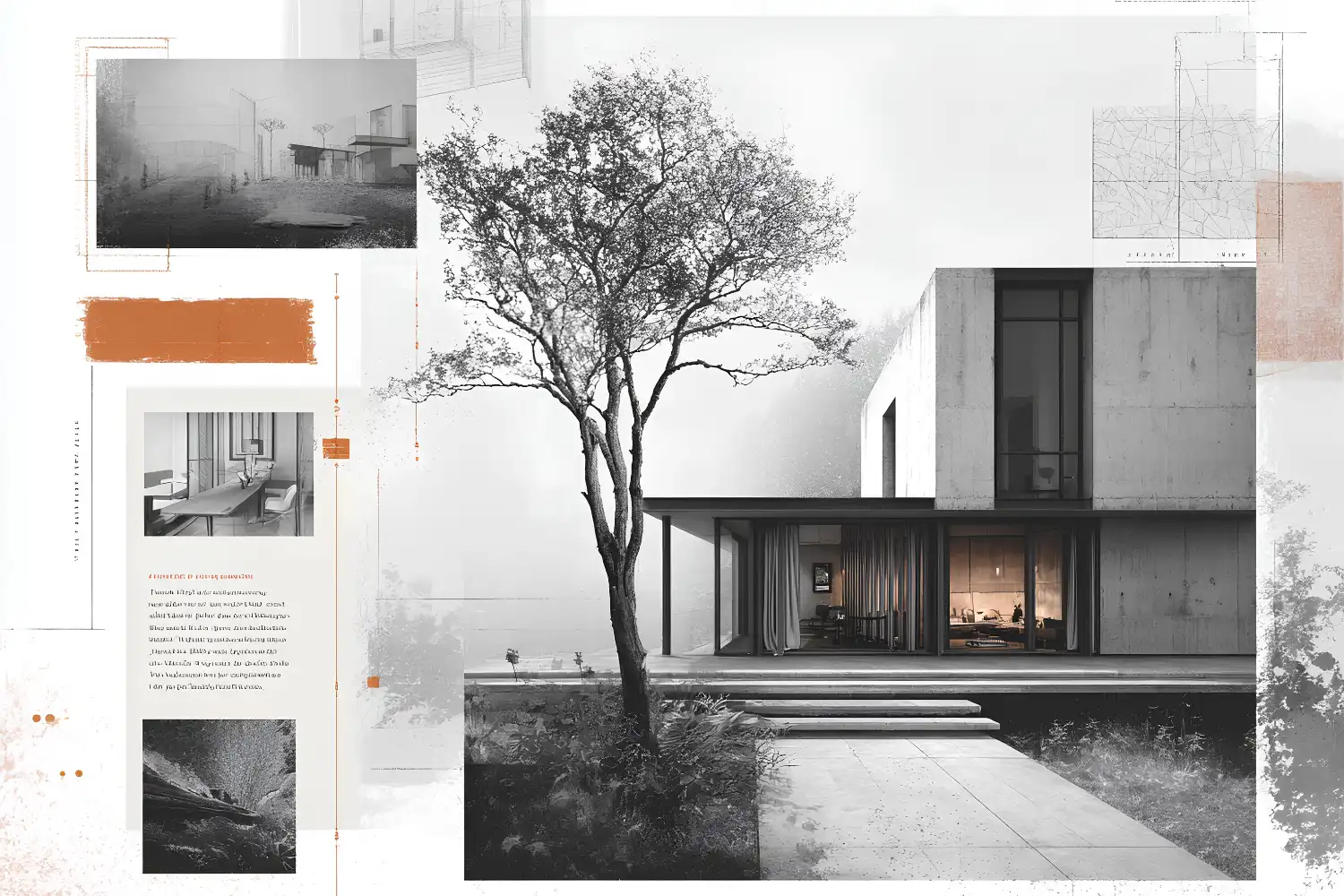
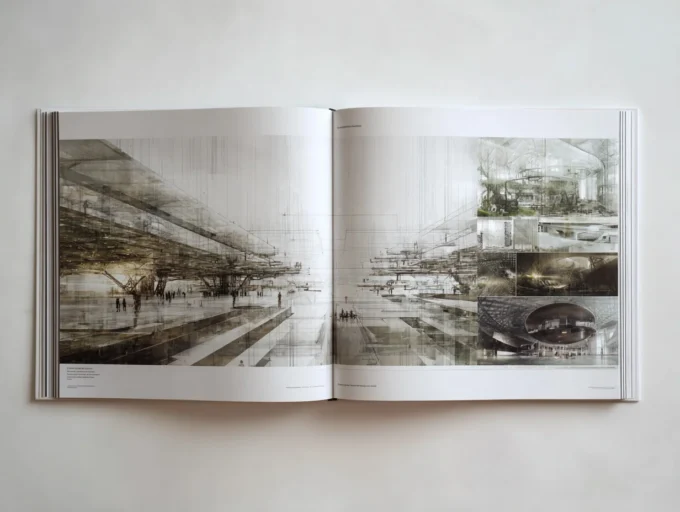
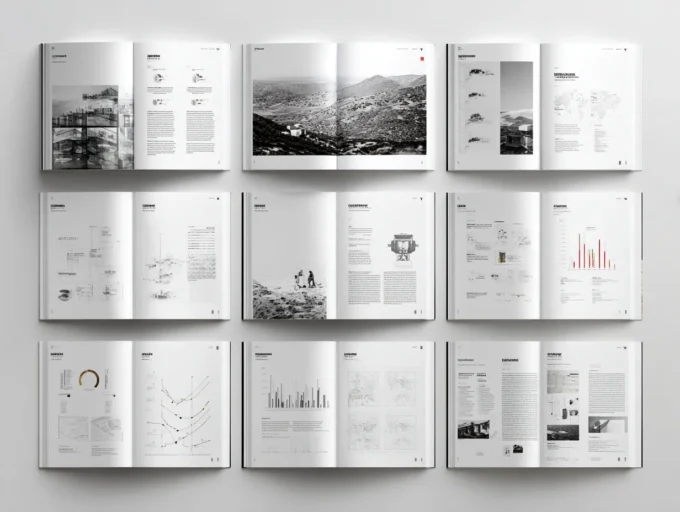
Layout is where many beginners struggle. The most effective approach is to establish a grid system and a limited set of design rules before placing a single image. Pick one or two fonts, define a color palette (neutrals work well for architecture portfolios), and decide on consistent margins. Then apply those rules to every page.
A typical beginner architecture portfolio runs between 15 and 25 pages. For email submissions, keep the PDF under 10 MB. For in-person interviews, a printed book of 20 to 30 pages works well. Each project should get two to four spreads, depending on complexity.
For layout inspiration, browsing examples of top architecture portfolios can help you identify patterns that work across different styles and formats.
Architecture Portfolio Format Comparison
The table below summarizes the key format options for a beginner architecture portfolio:
| Format | Best For | Recommended Length | File Size |
|---|---|---|---|
| PDF (email) | Job applications, grad school | 10-20 pages | Under 10 MB |
| Printed book | In-person interviews | 20-30 pages | N/A |
| Website portfolio | Online presence, networking | 4-8 projects | N/A |
| Behance / Issuu | Public visibility, peer review | 4-6 projects | Platform limits apply |
⚠️ Common Mistake to Avoid
Switching fonts, colors, or grid systems from project to project within the same portfolio is one of the most frequent layout errors among beginners. It signals a lack of planning and makes the document feel disjointed. Set your design rules first, then apply them consistently throughout every spread.
Digital vs. Printed Architecture Portfolios
Most architecture students today need both a digital PDF and, ideally, a printed version. The PDF goes with email applications and online portals. The printed book is for interviews and studio visits, where physical pages slow down the viewing pace and make a stronger impression.
For your digital portfolio, export as PDF/X-4 at 150 to 200 ppi for on-screen viewing. If you plan to print, prepare a separate version at 300 ppi with CMYK color. A detailed breakdown of architecture portfolio tips covers file specifications and delivery methods in more depth.
Web portfolios on platforms like Behance, Format, or a personal site give you discoverability that a PDF cannot. ArchDaily’s portfolio resources and Adobe’s portfolio guide both offer examples and templates worth studying.

Tools and Software for Your First Portfolio
You do not need expensive software to build a strong beginner architecture portfolio. Here are the most commonly used tools, sorted by experience level:
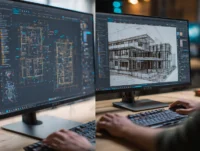
Adobe InDesign is the industry standard for portfolio layout. It handles multi-page documents, master pages, and typography controls better than any alternative. If you are an architecture student, your university likely provides access through an Adobe Creative Cloud license.
Canva works for students who need a faster, simpler option. It lacks the precision of InDesign but offers drag-and-drop templates that produce clean results. PowerPoint or Google Slides can also work in a pinch, though they limit your control over typography and bleeds.
For preparing your project images, Photoshop handles post-processing of renders and photographs, while Illustrator is best for diagrams and vector graphics. If you are looking for a step-by-step workflow, the guide on how to create an architectural portfolio walks through the full production process.
💡 Pro Tip
Set up master pages in InDesign before you start placing content. Define your grid, page numbers, and header/footer zones on the master, and every new page will inherit those rules automatically. This saves hours of manual formatting and keeps your portfolio visually consistent from cover to cover.
Video: Beginners Guide to Architecture Portfolios
This walkthrough from ArchAdemia covers the full process of building a portfolio from scratch, including choosing fonts, selecting colors, and structuring your page layouts.
Where to Go From Here
Your Next Step: Open a blank InDesign or Canva document, set your page size to A4 landscape, and place your single strongest project on the first spread. Get one project looking exactly how you want it before adding the rest. Building outward from one polished case study is faster and more effective than trying to lay out six projects at once. For additional step-by-step portfolio building guidance, the full student and graduate guide covers everything from cover pages to final export settings. If you are preparing specifically for internship applications, there is a focused guide for that too.
Frequently Asked Questions
How many projects should a beginner architecture portfolio include?
Four to six projects is the ideal range for a beginner. Fewer than four can make the portfolio feel incomplete, while more than eight tends to dilute the impact of individual work. Focus on quality and variety rather than volume.
Should I include group projects in my architecture portfolio?
Yes, but always clarify your specific role and contribution. Hiring managers and admissions reviewers need to know exactly which parts of the design, drawings, or models were your work. Label your contribution clearly in the project description.
What is the best page size for an architecture student portfolio?
A4 landscape (297 x 210 mm) is the most commonly used format for architecture portfolios. It provides enough horizontal space for architectural drawings while remaining easy to print and view on screen. A3 landscape is another popular choice for printed interview books where larger images are needed.
Do I need a printed portfolio or is a digital PDF enough?
For most applications, a well-prepared PDF is enough. However, having a printed version ready for in-person interviews gives you an advantage. Physical portfolios slow down the viewing experience and create a more deliberate, memorable impression. Prepare both if possible.
Can I use Canva instead of InDesign for my architecture portfolio?
Canva is a reasonable starting point, especially if you are under time pressure or unfamiliar with InDesign. It produces clean layouts quickly. However, InDesign gives you far more control over grids, typography, bleed settings, and multi-page management, making it the better long-term investment for any serious architecture student.








Leave a comment