


Table of Contents Show
The roles of an architect span far beyond drawing buildings. An architect translates a client’s goals into a buildable design, prepares technical documentation, secures permits, and oversees construction to protect the design intent — the US Bureau of Labor Statistics lists the same duties, from preliminary estimates through site visits. As the only professional ethically bound to represent the owner, the architect coordinates a project from the first sketch to the final walkthrough.
Most people picture an architect bent over a drafting table, yet that image captures only a fraction of the job. Understanding the full range of roles of an architect helps clients know what they are paying for, and helps students see where their career might lead. This guide breaks the work into the phases of a real project and the responsibilities an architect carries through each one.
The roles of an architect, at a glance
An architect plans, designs, and helps oversee the construction of buildings and spaces. According to the U.S. Bureau of Labor Statistics, architect duties include determining a project’s objectives, preparing drawings and specifications, estimating costs, ensuring compliance with building codes, and visiting work sites to confirm the design is followed. The role blends creative design with technical management and client communication.
The American Institute of Architects describes architects as counselors, planners, designers, mediators, and coordinators all at once. This range is why architect responsibilities shift so much from week to week. One day involves shaping a floor plan around how a family moves through a home, and the next involves resolving a clash between mechanical ducts and a steel beam on a job site.
🔢 Quick Numbers
- The median annual wage for architects was $96,690 in May 2024 (U.S. Bureau of Labor Statistics).
- Employment of architects is projected to grow about 4 percent from 2024 to 2034 (U.S. Bureau of Labor Statistics).
- Architect fees commonly fall around 15 to 20 percent of construction cost, depending on scope (AIA Pennsylvania).
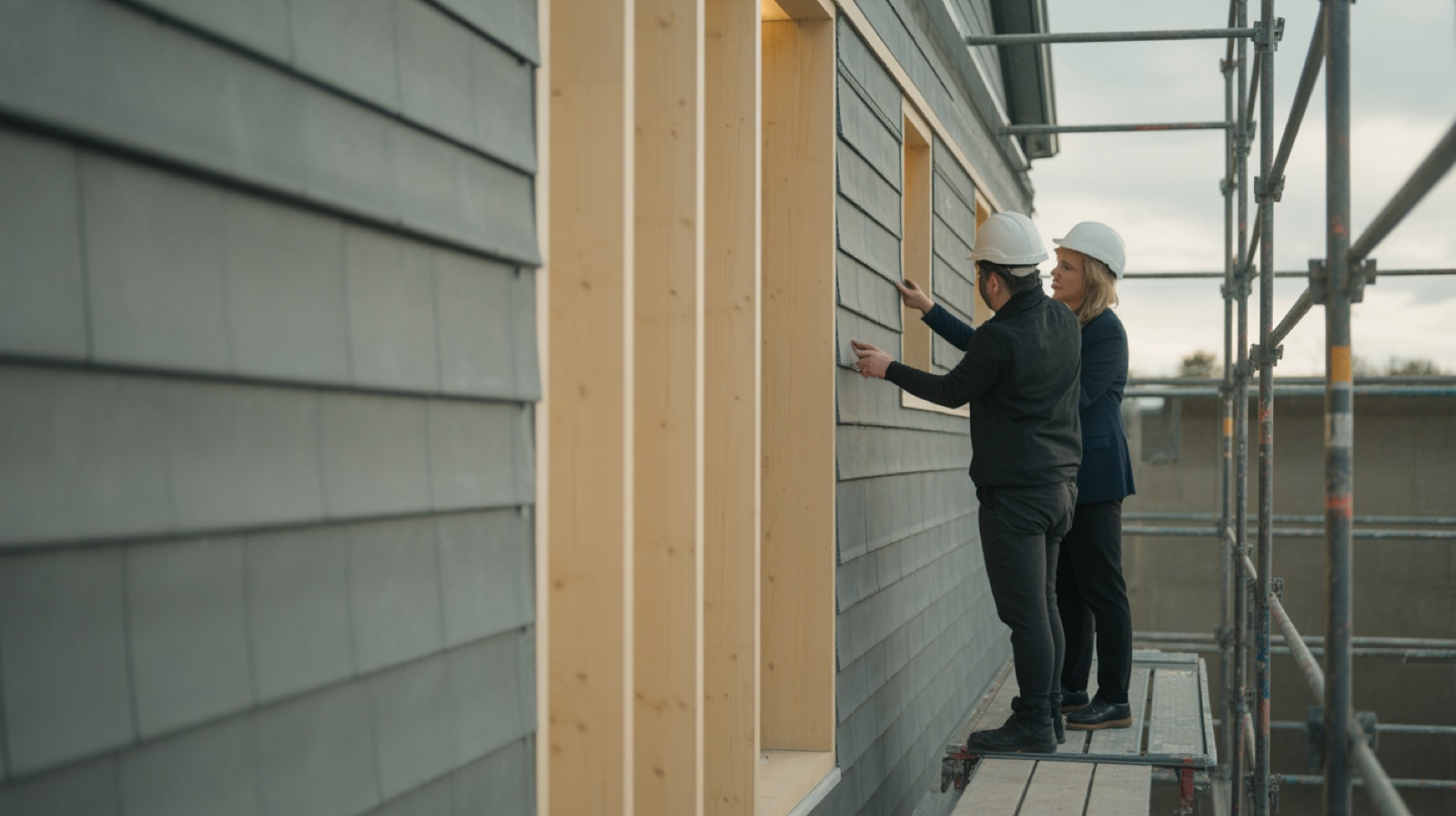
The architect role in construction: working through the project phases
The clearest way to understand the roles of an architect is to follow a building through its phases. The AIA standard agreement between owner and architect organizes services into five recognized stages, and the architect’s responsibilities change at each one. UK practice follows the same logic through the RIBA Plan of Work.
1. Schematic design: shaping the concept
Every project starts with listening. The architect gathers information about the client’s needs, budget, and the site itself, then explores broad design ideas through sketches, diagrams, and simple models. The goal at this stage is direction, not detail. The architect tests how the building sits on the land, how people will move through it, and whether the early concept fits the budget before anyone commits to precise dimensions.
🎓 Expert Insight
“The physical environment can have a positive or negative effect on our daily lives. The well-being of the people who use the buildings we design is at the heart of what architects do.” The American Institute of Architects
This framing explains why an architect’s early questions focus on how people will actually live and work in a space, not just how it will look.
2. Design development: refining the design
Once the client approves a direction, the architect develops it into a coordinated design. Room sizes get fixed, materials are selected, and structural, mechanical, and electrical systems are roughly located. The architect also begins coordinating with engineers and consultants so the design holds together as a whole. Decisions made here, such as window placement and wall assemblies, directly shape comfort, energy use, and long-term cost.
This is also where many architects weigh environmental performance. Choices about insulation, orientation, and materials set the building’s footprint for decades, which is why an interest in sustainable design strategies has become a core part of the modern architect’s skill set rather than an optional extra.
3. Construction documents: drawing the instructions to build
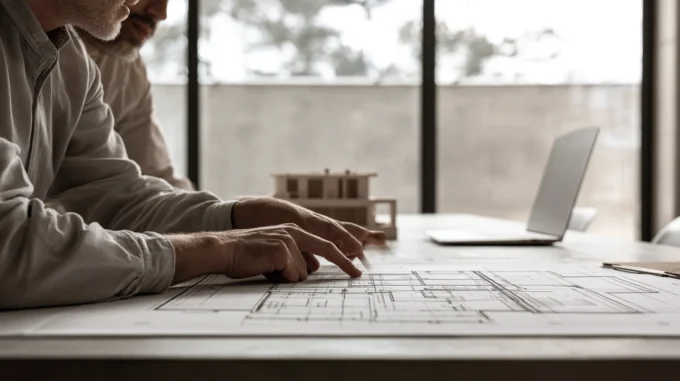
Construction documents are the detailed drawings and written specifications a contractor uses to price and build the project. This is one of the most technical of all architect duties. The set must communicate dimensions, materials, finishes, and assembly details precisely enough that a contractor who has never met the architect can build the design correctly. Many firms now produce these documents with building information modeling, where a single coordinated 3D model drives the drawings.
Strong documentation skills separate a confident professional from a struggling one, and learning the BIM tools and workflows behind modern coordination is one of the most practical investments a student can make early in their career.
⚠️ Common Mistake to Avoid
A frequent misconception is that the architect physically builds the project or directs how the contractor performs the work. The architect’s job during construction is to observe, advise, and protect the design intent, not to manage the contractor’s means and methods. Confusing these roles can create real liability, which is why the AIA agreement defines the boundary so carefully.
4. Bidding and permits: getting the project approved and priced
Before construction can start, the design must satisfy local building codes and zoning rules, and the work must be priced. The architect helps the owner secure permits by preparing the documents authorities require, and supports the bidding process by answering contractor questions and clarifying the drawings. Code knowledge is central here. Catching a violation on paper costs almost nothing, while discovering it mid-construction can be expensive and slow.
5. Construction administration: protecting the design on site
During construction, the architect stays engaged to confirm the work matches the drawings and specifications. Construction administration is the bridge between design and the finished building. Typical responsibilities include site visits, reviewing contractor submittals and requests for information, certifying payment applications, resolving conflicts, and conducting a final walkthrough with a punch list of items to correct. Throughout, the architect represents the owner’s interest while keeping the original design intent intact.
🏗️ Real-World Example
Sydney Opera House (Sydney, 1973): The project shows how far an architect’s role can stretch. Jørn Utzon’s competition-winning concept demanded years of structural problem solving to make the shell roofs buildable, and disputes during construction administration over cost and control led to his resignation before completion. It remains a vivid case of design vision meeting the realities of construction.
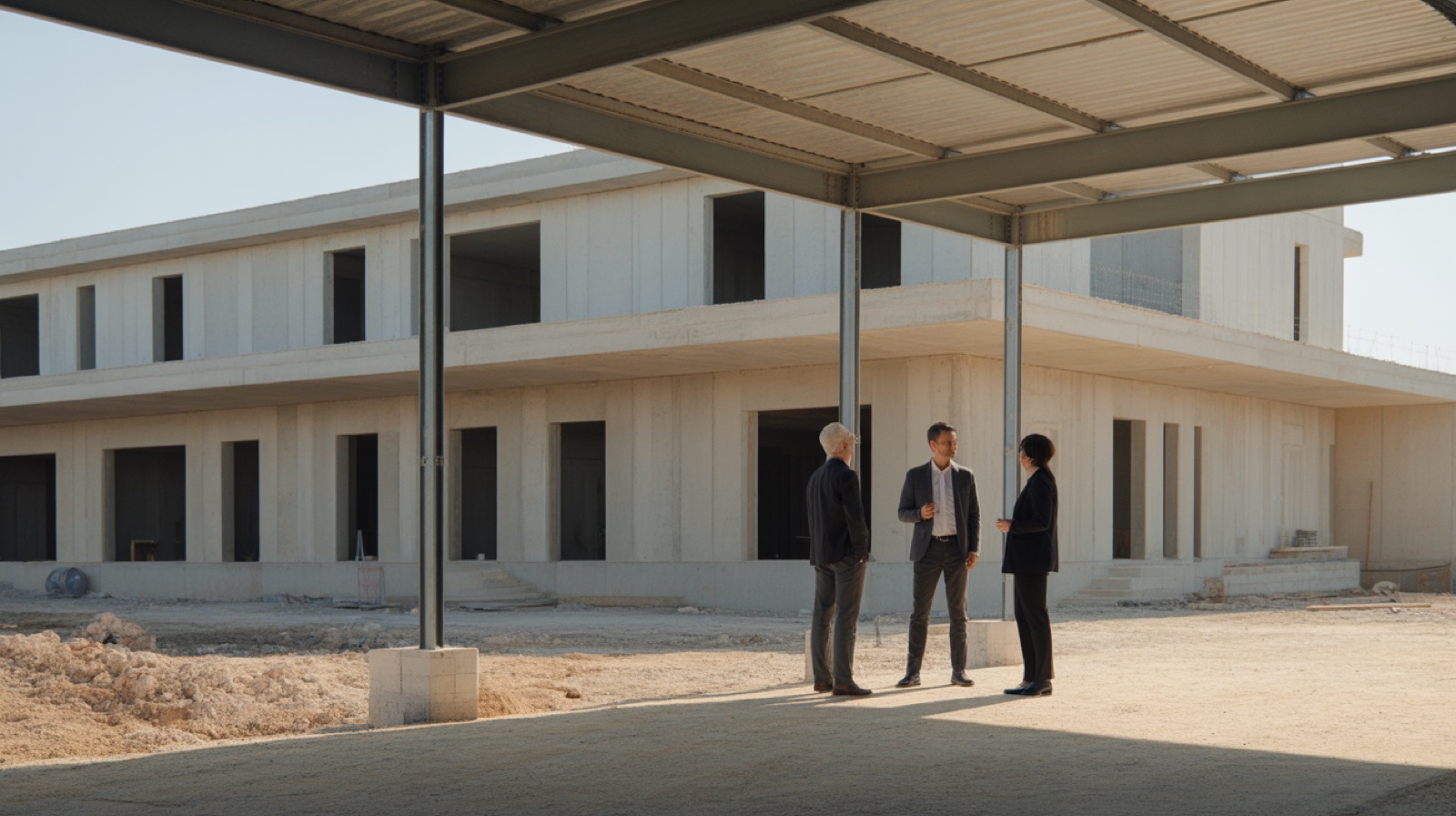
Beyond drawings: the wider architect responsibilities
Several responsibilities run through every phase rather than belonging to a single stage. These often-overlooked architect duties are what make the profession a licensed one.
- Health, safety, and welfare: Licensing exists because buildings must protect the people who use them. Architects are legally accountable for designs that meet safety and accessibility standards.
- Budget and cost guidance: Architects provide cost estimates and help clients make trade-offs so a design stays affordable without losing its purpose.
- Coordination of consultants: Structural, mechanical, civil, and landscape specialists all feed into the design, and the architect keeps their work aligned.
- Client advocacy: As the owner’s agent, the architect protects the client’s interests when reviewing contractor work and certifying payments.
- Communication: Much of the job is translating technical decisions into language clients, contractors, and officials all understand.
📌 Did You Know?
The path to becoming a licensed architect in the United States typically takes eight to twelve years. It usually combines a professional degree, a multi-year paid experience program, and passing the multi-division Architect Registration Examination administered through NCARB before a person can legally call themselves an architect.
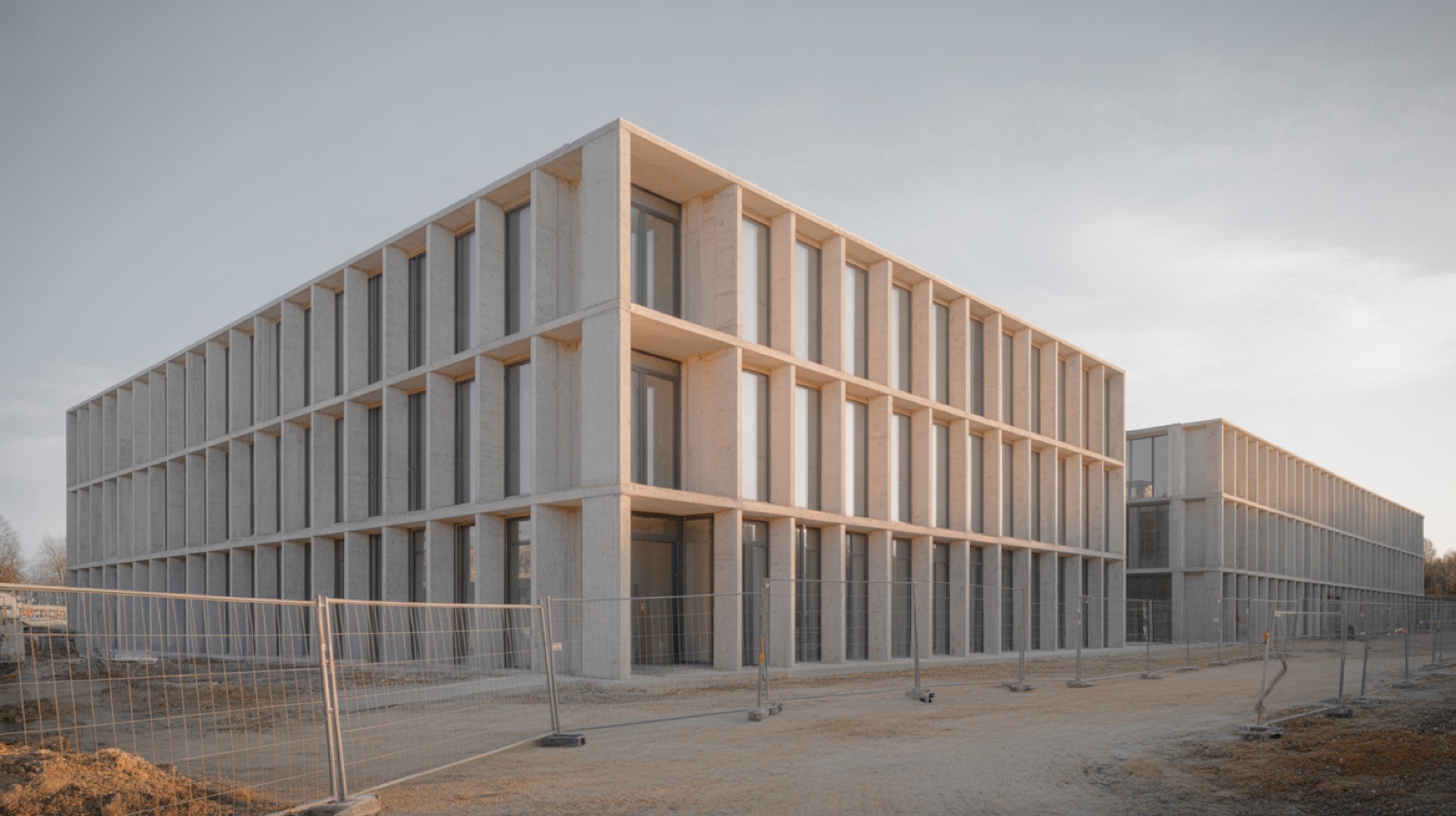
What skills do the roles of an architect require?
The roles of an architect call for a rare mix of creative and technical ability. Design talent and spatial imagination matter, but so do code knowledge, math, project management, and the people skills needed to lead a team and keep a nervous client informed. Architects also need fluency with drawing and modeling software, since most documentation and coordination now happens digitally.
For students, the most useful early step is building evidence of these skills. A well-organized architectural portfolio demonstrates design thinking and technical range to employers and licensing programs alike, and it is often what opens the first door into the profession.
💡 Pro Tip
If you are deciding whether architecture suits you, ask to shadow a firm during construction administration rather than only the design phase. Watching an architect handle a site dispute or a contractor’s request for information reveals the management and communication side of the role that studio projects rarely show.
Who does an architect work with?
An architect rarely works alone. On a typical project the architect sits at the center of a team that includes the client, structural and mechanical engineers, civil and landscape consultants, interior designers, the general contractor, and local building officials. Part of the architect role in construction is keeping all of these parties moving in the same direction, which is why coordination and communication appear in almost every description of the job.
This collaborative reality is one reason the field rewards broad curiosity. Architects who follow developments across architecture and design tend to communicate more fluently with the specialists they depend on, from engineers to fabricators.
Frequently Asked Questions
What are the main roles of an architect?
The main roles of an architect are designing buildings, preparing technical construction documents, helping clients secure permits and price the work, and administering construction to protect the design. Across all of these, the architect acts as the owner’s advocate and coordinates the wider project team.
Does an architect supervise construction?
An architect observes and advises during construction but does not supervise the contractor’s means and methods. Through site visits, submittal reviews, and payment certification, the architect confirms that the finished work follows the drawings and specifications while leaving the contractor responsible for how the building is actually constructed.
What is the difference between an architect and an engineer?
An architect leads the overall design of a building, including its form, function, and how people experience it, and coordinates the whole project. Engineers focus on specific systems, such as the structure or mechanical services, that make the design stand up and work. They collaborate closely, with the architect integrating the engineers’ input into a single coherent design.
What qualifications does an architect need?
In most of the United States an architect needs a professional degree from an accredited program, a period of supervised experience, and a passing score on the Architect Registration Examination to earn a license. Requirements vary by jurisdiction, but a degree, documented experience, and an exam are the common pillars.
Final Thoughts
The roles of an architect reach from a first conversation about a client’s hopes to the moment the keys are handed over, and the design work that gets the attention is only one part of a much larger responsibility. Going forward, expect the technical and coordinating sides of the job to grow as digital tools and sustainability demands reshape how buildings come together. For anyone weighing this career, the real question is not whether you enjoy drawing, but whether you enjoy guiding a complex idea, and a roomful of people, all the way to something real.

















Leave a comment