


New York City crews began bolting down the first of 17 freestanding public toilets this week, the opening phase of a pilot program Mayor Zohran Mamdani’s administration says could reshape how the city handles one of its most basic gaps in public space.
The rollout, announced by the Mayor’s Office on September 16, follows a process that started in January, when City Hall put out a $4 million request for proposals seeking compact, easily deployed restroom units. The New York City Economic Development Corporation picked Throne Labs, a Charlottesville, Virginia based company, as the winning bidder in June.
What the public toilets pilot includes
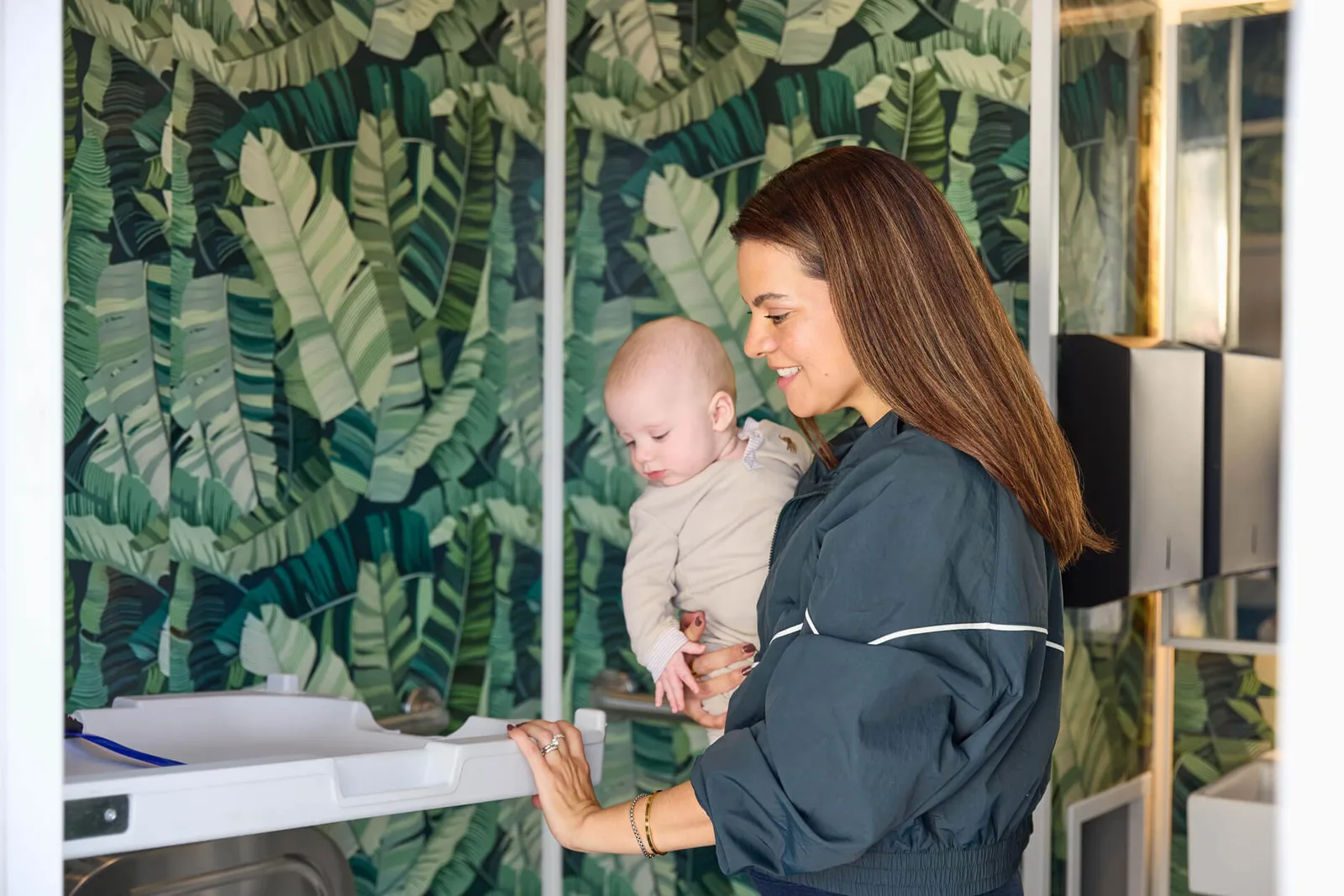
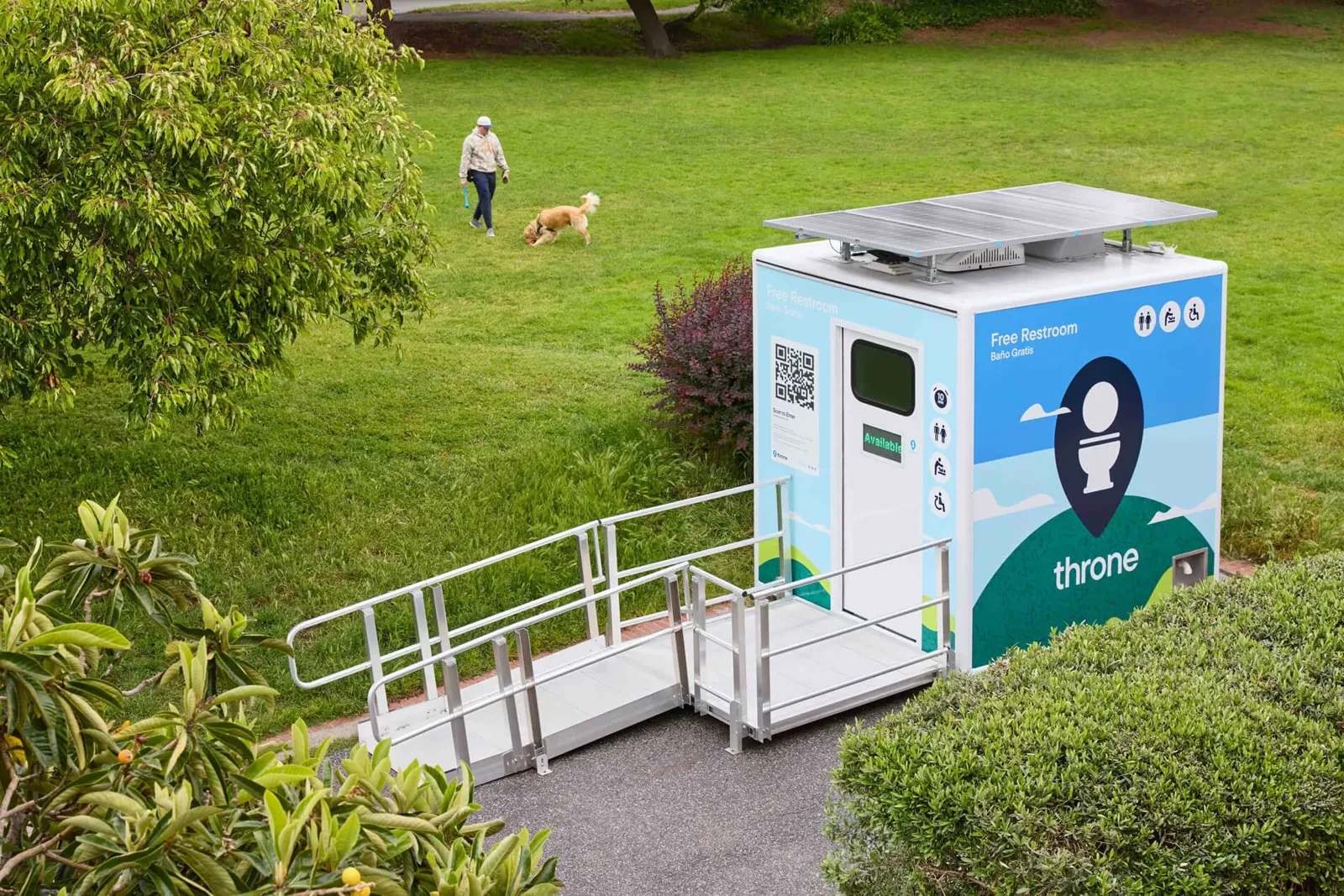
Each unit will sit open to the public without charge from 7 a.m. to 10 p.m. every day. The structures meet Americans with Disabilities Act standards, run without needing a hookup to water mains, sewer lines or electrical grids, and come equipped with a working sink, a toilet that flushes, temperature control and a spot for changing infants. Because the units are self-contained, in the way factory made building components are, the city can move or pull them if a location isn’t working out.
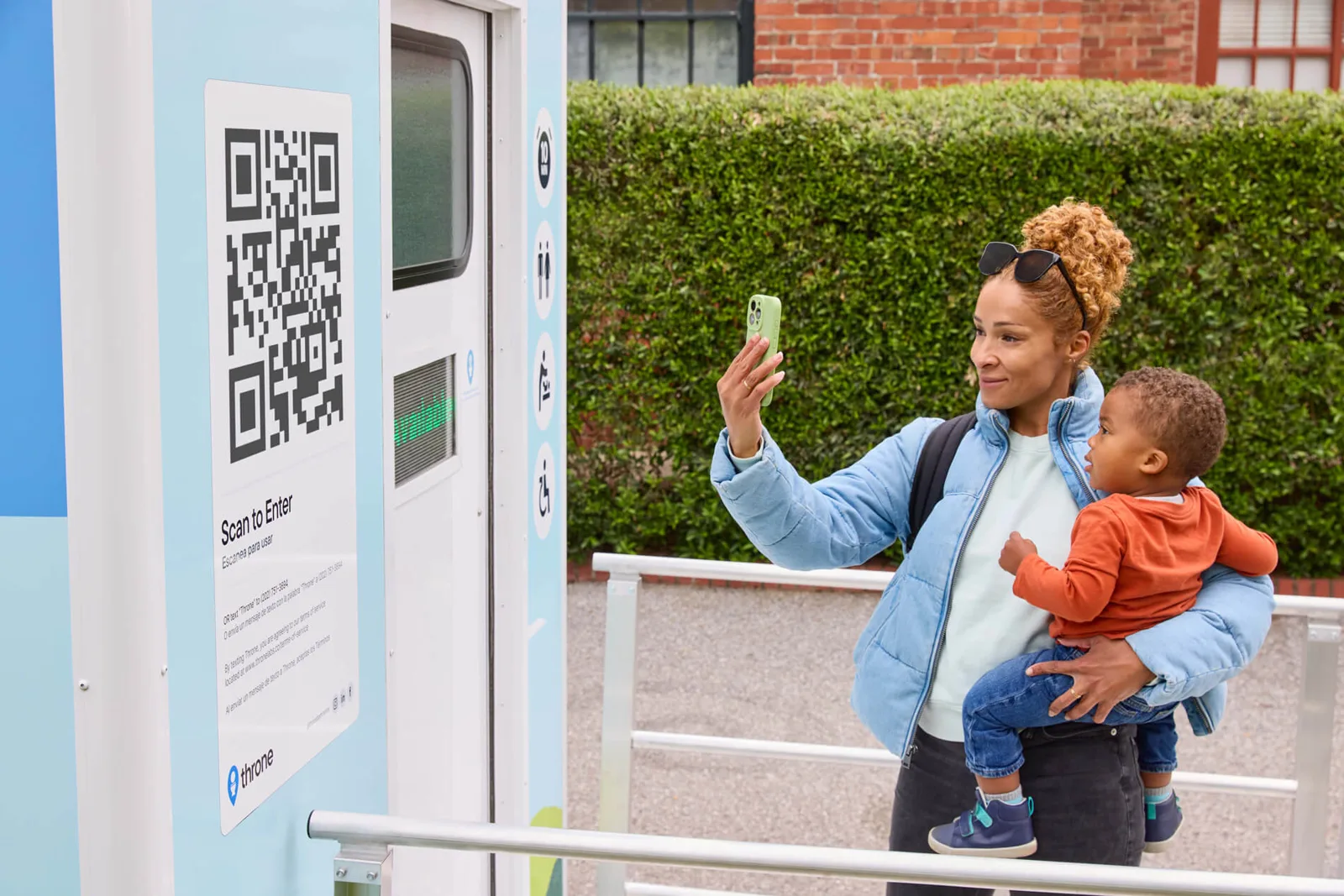
Entry works through a smartphone: riders can text for access, scan a QR code, or use the Throne Bathroom Network app, which also shows live cleanliness scores and whether a nearby unit is occupied. People without a phone can use a tap card handed out through neighborhood partner organizations. According to reporting by SILive.com, visits inside each unit are capped at ten minutes. Upkeep and cleaning fall to Throne Labs under its contract with the city.
Locations span all five boroughs. The Bronx will get units outside Yankee Stadium and at Admiral Farragut Playground, Mapes Park and Monsignor Raul Del Valle Square. Brooklyn’s additions go to Columbus Park, Milestone Park, the corner of Fulton and Truxton streets, and Avenue C Plaza. In Queens, restrooms are planned along Astoria Boulevard near 31st Street, at two points along Northern Boulevard (31st Street and 54th Street), and at 34th Avenue and 64th Street. Manhattan will see units at Cooper Square, Malcolm X Plaza, Plaza Alianza Dominicana, and the intersection of Delancey and Suffolk streets. Staten Island’s sole location sits on the North Shore Esplanade along Richmond Terrace in New Brighton; as of September 17, SILive.com reported no visible construction activity there yet.
Officials and Throne Labs founder explain the push
Mamdani framed the effort around a common frustration. “Too many New Yorkers know what it’s like to have nowhere to go while they’re on the go,” he said in the announcement. “This pilot is about making sure New Yorkers can count on a clean, safe, accessible bathroom when they need one. We are going to learn from this pilot and build a public bathroom network that meets the needs of New Yorkers in every borough.”
Throne Labs co-founder and CEO Fletcher Wilson said the venture grew out of a personal health issue. “My gut has always caused me issues, and I try not to leave my house without knowing exactly where the nearest restroom is going to be,” Wilson said. “That constant worry follows me everywhere.” He added that the company was “proud to bring Throne’s restroom solution to all five boroughs of New York City,” calling the launch personal and saying he hopes it eases daily life for city residents.
City officials tied the initiative to broader goals around dignity and access. NYC DOT Commissioner Mike Flynn said “all New Yorkers deserve welcoming public spaces that allow them to get where they’re going with dignity and feel cared for.” NYC Parks Commissioner Tricia Shimamura called the pilot a way to reach residents “where they’re needed most across the five boroughs,” while NYCEDC President and CEO Anthony Shorris described restroom access as “a basic matter of dignity.”
City Council Member Sandy Nurse linked the pilot to a longer-term target, saying the city is working toward doubling its number of public restrooms by 2035 and building what would be its first comprehensive strategy for public bathrooms. Council Members Shaun Abreu and Rita Joseph both welcomed the additions, with Abreu calling clean restroom access “a matter of basic dignity, not a luxury” and Joseph describing the investment as “a great first step.”
SILive.com noted that some traditionally built public restrooms have cost the city close to $5 million apiece to construct, a comparison officials have used to justify the modular approach. Throne Labs already runs similar restroom networks in Washington, D.C., Los Angeles, Atlanta, Seattle, the Bay Area and Detroit.
The pilot is set to run for one year. City officials have said that if it proves successful, they intend to expand the program to more locations across New York.












Leave a comment