


In July 2026, Southeast England and Greater London experienced a significant increase in soil moisture deficit, surpassing the critical 320mm surge threshold. By 1 September 2026, these conditions persisted at or above levels associated with previous major subsidence years, notably 2018 and 2022.
Impact of Soil Moisture Deficit on Ground Stability
The extended dry spells have left their mark on the region’s shrinkable clay soils, which contract as they lose moisture. This contraction reduces support for buildings and infrastructure, potentially leading to structural damage. Factors like tree water uptake can exacerbate this issue, creating uneven drying patterns that might cause differential foundation movement.
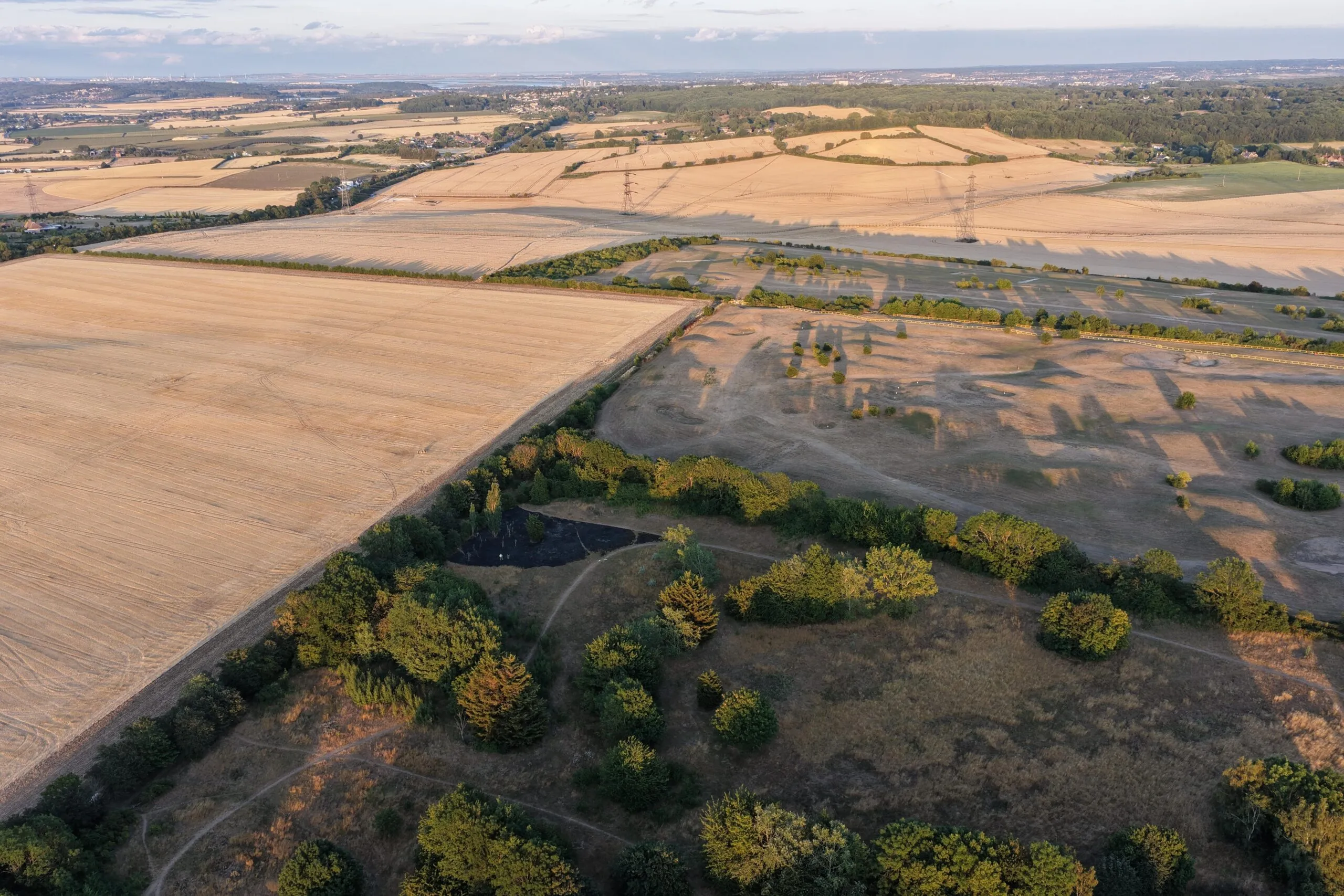
“This demonstrates how prolonged dry weather can translate into sustained stress within shrinkable clay soils, even as the summer begins to draw to a close,” said Jon Chevin.
The soil moisture deficit (SMD) serves as a critical indicator of ground health, showing the extent of moisture loss compared to the soil’s maximum water-holding capacity. The record-high SMD levels recorded in 2026 highlight the urgent need for integrating ground condition monitoring with weather forecasting.
Rethinking Asset Management
The construction and property sectors are urged to consider the interplay between weather and ground conditions. Prolonged hot, dry weather forecasts should prompt asset owners to evaluate the vulnerability of their properties to changes in soil moisture.
Traditional remediation methods like excavation and underpinning are often invasive and disruptive, leading to operational downtime. Geopolymer resin injection offers a less intrusive alternative, improving weak ground by injecting resin through small points to stabilize affected foundations.
As climate patterns shift, the industry faces a critical question: should current asset management strategies still rely on historical ground conditions, or adapt to the evolving climate? This calls for a reevaluation of site assessments, asset management, and maintenance planning to ensure long-term resilience.
Understanding the relationship between weather and ground conditions is crucial for future-proofing infrastructure. As the climate continues to change, so too must our approach to maintaining the built environment.
For anyone working on foundations in affected areas, the practical reading is that seasonal soil behaviour belongs in the design brief rather than in the risk register alone. Our explainer on what a site plan has to record covers where ground information sits in the drawing set, and the wider case for reusing what is already built is set out in the weight of existing building stock.













Leave a comment