


Table of Contents Show
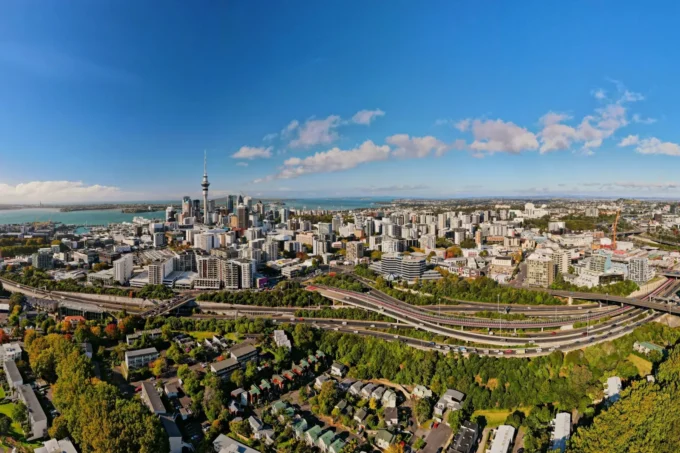
When we picture a destination, we rarely think of a spreadsheet of attractions. We see silhouettes, streetscapes, and skylines. That’s The Role of Architecture in Tourism in a nutshell: buildings shape the images, emotions, and decisions that push us to book a trip. In this piece, we unpack how architecture becomes a reason to travel, how it fuels local economies, and how we can design better, fairer, more sustainable visitor experiences around the built environment.
Why Buildings Drive Travel Decisions
Sense Of Place And Identity
Architecture anchors identity. We learn a city by its textures, the stone of a cathedral square, the geometry of a riad, the timber of a mountain town. When the built fabric aligns with a destination’s story, we feel it instantly. We’re not just seeing structures: we’re reading a place. That authenticity is what turns casual interest into intent to visit.
Visual Icons And Brand Recognition
A single building can carry the weight of a brand. Think of how the Sydney Opera House or the Guggenheim Bilbao functions as a visual shorthand for an entire city. In the age of social media, these icons travel faster than brochures ever did. We save, share, and pin them, and then we go. Smart destinations cultivate both the headline shots and the smaller, photogenic vignettes that invite exploration beyond the postcard.

From Heritage To Contemporary: What Attracts Visitors
Historic Districts And Monuments
We’re drawn to heritage because it’s tangible time travel. Intact historic districts, cobbled lanes, courtyards, arcades, offer slow-browse experiences that modern life rarely allows. Monuments, from temples to fortresses, add narrative gravity. The key is legibility: clear interpretation, conservation that respects materials, and street-level amenities (lighting, seating, wayfinding) that make lingering a pleasure.

Modern Landmarks And The Starchitect Effect
Contemporary architecture creates its own gravitational pull. Signature museums, libraries, and bridges can reposition a city on the global map. The so-called “starchitect effect” still works, but only when form is matched by function. We’ve seen the best results when buildings plug into public space networks, host lively programs, and open rooftops or plazas to everyday use. Spectacle draws the first visit: stewardship brings the second.
Vernacular Architecture And Living Traditions
We underestimate how compelling everyday buildings can be. Vernacular architecture, courtyard homes, raised stilt houses, adobe clusters, reveals climate-smarts, resourcefulness, and culture-in-practice. When we can meet craftspeople, taste regional materials (lime, timber, tile), or stay in family-run guesthouses, the experience shifts from sightseeing to belonging. That’s architectural tourism at its most human.
Economic And Social Impacts Of Architectural Tourism
Local Enterprise And Job Creation
Architecture-led tourism multiplies value across sectors. Restoration employs artisans: tours keep guides and small operators busy: cafés, galleries, and bookstores thrive near well-loved buildings. When permit processes favor adaptive reuse and pop-up programming, we see vacant storefronts turn into viable microbusinesses.

Overtourism, Displacement, And Neighborhood Change
There’s a flip side. Popular districts can price out residents, convert housing to short-stay units, and strain infrastructure. We’ve learned that visitor caps, resident-first zoning, and balanced mobility plans (not just coaches and ride-hails) help. If the people who shaped a neighborhood can’t afford to stay, the very character visitors came for begins to fade.
Designing Visitor Experiences Around Architecture
Walking Routes, Maps, and Wayfinding
Good experiences start with good legs. We prioritize safe, shaded, and well-signed walking routes that stitch landmarks to cafés, transit stops, and water fountains. Layered maps, architectural styles, film locations, accessibility info, turn a stroll into a self-guided discovery.

Interpretation: Storytelling, Guided Tours, And AR
Buildings don’t speak: stories do. We mix on-site plaques with guided tours and audio walks that share multiple voices, architects, residents, historians. Augmented reality can reveal lost facades or construction techniques, but we keep it optional and low-friction. The best interpretation answers why a place matters, not just when it was built.
Accessibility And Inclusive Design
If only some of us can enjoy it, we haven’t designed it well. We push for step-free entries, tactile models, high-contrast signage, quiet rooms in busy museums, and content in multiple languages. Training guides on disability etiquette is as important as ramps. Inclusivity broadens the market and deepens the experience.
Sustainability And Conservation Considerations
Adaptive Reuse And Urban Regeneration
Reusing buildings is climate action in plain sight. By extending the life of structures, warehouses into markets, factories to cultural hubs, we preserve embodied carbon, retain neighborhood memory, and spark street-level vibrancy. Successful projects phase works to keep small businesses trading through construction.
Managing Capacity, Carbon, And Seasonality
We’re honest about limits. Timed entries protect fragile interiors: distributed itineraries shift pressure from hotspots to lesser-known gems. Rail-first trip planning, bike share, and consolidated deliveries cut emissions. Programming shoulder-season events smooths demand so resident life and visitor life can coexist.
Community Stewardship And Benefit-Sharing
The Role of Architecture in Tourism should center locals as stewards, not stagehands. Community trusts, ticket revenue shares, and resident advisory boards keep benefits circulating. When residents help design tours and curate events, authenticity isn’t a marketing claim, it’s governance.
Policy, Partnerships, And Funding Models
Heritage Protection And Planning Regulations
Clear, enforced rules matter: conservation areas, design codes, height limits, and materials guidance. Fast-tracking permits for sensitive reuse while tightening controls on speculative conversions keeps the balance between vitality and preservation.

Public and Private Collaboration And Destination Strategy
No single actor can carry this. We’ve had the best outcomes when city planners, tourism boards, cultural institutions, and private owners align around a shared visitor strategy, co-marketing passes, night-time economy pilots, open-house weekends, and maintenance funds.
Measuring Success: KPIs And Visitor Feedback Loops
We track more than footfall. KPIs should cover resident satisfaction, small-business revenue, carbon per visitor day, accessibility audits, and conservation health. Real-time sentiment (QR codes, Wi‑Fi prompts) lets us adjust routes, staffing, and storytelling before problems harden.
Conclusion
Architecture isn’t just a backdrop to tourism: it’s the script, stage, and sometimes the star. When we treat buildings as living assets, designed for people, stewarded with care, we boost local economies, protect culture, and craft trips worth remembering. The Role of Architecture in Tourism is eventually about alignment: beauty with function, access with protection, visitor curiosity with community pride. Get that right, and the postcards practically write themselves.
- architectural influence on travel
- architectural landmarks tourism
- architectural tourism destinations
- architecture and tourism marketing
- architecture in tourism
- architecture travel experiences
- building tourism through architecture
- cultural architecture tourism
- iconic architecture in tourism
- impact of architecture on tourism
- places shaped by architecture
- role of architecture in travel
- selling architecture tourism
- Sustainable tourism architecture
- tourism architecture impacts
- tourism destination architecture
- tourism shaped by architecture
- tourist architecture design
- travel destinations architecture
- world architecture tourism







Leave a comment