


Table of Contents Show
Walking into an architecture firm for a job interview can feel nerve-wracking, especially when you’re unsure about the dress code. Knowing what to wear to an architectural interview is just as important as preparing your portfolio. Your outfit communicates your professionalism, attention to detail, and understanding of the design world before you even say a word. This guide will help you choose the perfect architecture interview outfit so you can walk in with confidence and focus on what really matters: showcasing your talent.

Understanding the Architecture Firm Dress Code
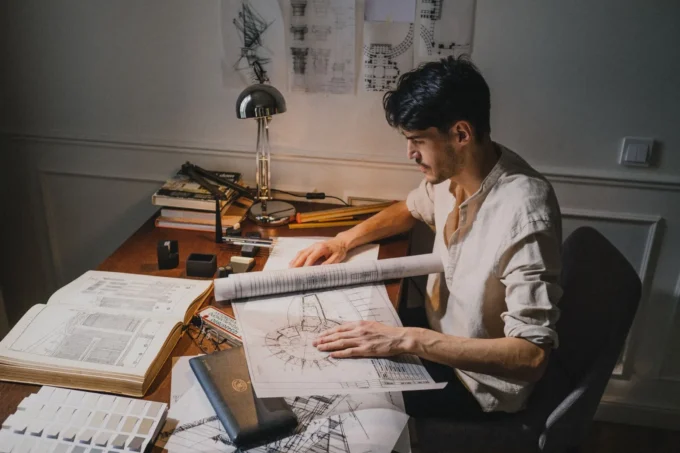
Before selecting your outfit, it helps to understand what do architects wear on a daily basis. Architecture studios tend to be more relaxed than corporate offices, but that doesn’t mean you should dress casually for an interview. Most firms lean toward smart casual or business casual, with a creative edge that reflects the design-oriented culture. Research the specific firm beforehand: browse their website and social media to get a sense of the team’s style. A small boutique studio may be more laid-back than a large commercial practice, and your architecture job interview attire should reflect that awareness.
According to the American Institute of Architects (AIA), professionalism in architecture extends beyond technical skill to include personal presentation. When in doubt, it’s always safer to be slightly overdressed than underdressed.

Architecture Interview Outfit Essentials for Men
For men, the ideal architecture interview outfit strikes a balance between polished and approachable. A well-fitted blazer paired with chinos or tailored trousers is an excellent starting point. You can pair this with a clean, pressed button-down shirt; a solid colour or a subtle pattern works well. Avoid overly bold ties or flashy accessories; the goal is to look put-together without distracting from your conversation and portfolio.
Footwear matters too. Clean leather shoes or minimalist dress shoes are the safest bet. Dark or neutral tones (navy, charcoal, black, and earth tones) are versatile choices that convey professionalism. If you want to express creativity, consider a well-chosen watch or a pocket square in a muted tone. For more career tips tailored to architects, check out our architecture career advice section.

What to Avoid
Stay away from overly formal three-piece suits unless you’re interviewing at a very corporate firm. Equally, avoid jeans, trainers, or anything wrinkled. The goal is to look intentional and design-conscious.
Architecture Job Interview Attire for Women
Women have a broad range of options for an architecture interview. A tailored blazer with well-fitted trousers or a smart midi skirt creates a professional silhouette. Blouses in solid colours or subtle prints pair well and keep the look clean. A structured dress with a blazer is another strong option that balances professionalism with personal style.
Stick to closed-toe shoes: flats, loafers, or modest heels all work. As with men’s attire, neutral and dark tones project confidence. Minimalist jewellery (a simple necklace, stud earrings, or a sleek watch) adds polish without overwhelming your look. Resources like ArchDaily frequently feature profiles of working architects, which can give you a sense of how professionals in the field present themselves.
Seasonal Considerations for Your Interview Outfit
Weather and season play a role in what you wear. In warmer months, lighter fabrics like linen or cotton blends can keep you comfortable while still looking sharp. During colder seasons, a well-tailored coat and layers that can be removed easily are key; you don’t want to arrive at your interview overheated and flustered.
Regardless of the season, make sure your outfit is comfortable enough to allow natural movement. You may be asked to walk through the studio, stand while presenting your portfolio, or sit in different settings throughout the interview. Comfort supports confidence. For guidance on preparing your portfolio alongside your outfit, visit our ultimate architecture portfolio guide.

Grooming and Final Presentation Tips
Your outfit is only part of the picture. Clean, well-maintained grooming is essential. Ensure your hair is neat, nails are trimmed, and any facial hair is well-groomed. Avoid heavy cologne or perfume; a subtle scent is fine, but you don’t want it to precede you into the room. A clean, well-organised bag or portfolio case also contributes to your overall impression. Make sure your CV is equally polished: our architecture resume guide can help with that. According to guidance from the Royal Institute of British Architects (RIBA), presenting yourself professionally is a core part of career development in architecture.
Beyond the Outfit: Preparing for Architecture Interview Questions
Looking the part is essential, but you’ll also need to be ready for what comes next. Architecture interview questions often cover a wide range of topics, from your design philosophy and software skills to how you handle deadlines and collaborate with teams. Common architecture questions interview panels ask include discussing a challenging project, explaining your design process, or describing how you respond to client feedback.
Prepare concise, specific answers and have examples ready from your academic or professional experience. Your outfit gives you the confidence to focus entirely on your responses. For a detailed breakdown of what to expect, explore our guide to architecture as a career. Additionally, Wikipedia’s overview of architecture can be a quick refresher on key concepts and terminology you might want to reference.

Quick Checklist Before You Leave
- Outfit is clean, pressed, and fits well
- Shoes are polished and appropriate
- Accessories are minimal and tasteful
- Portfolio and bag are organised and professional
- Grooming is on point: hair, nails, subtle fragrance
- You’ve researched the firm’s culture and dress style
Frequently Asked Questions
Can I wear jeans to an architecture interview?
It’s best to avoid jeans for an architecture interview, even if the firm has a casual dress code. Opt for tailored trousers or chinos instead. You want to show that you’ve put thought into your appearance, which reflects the attention to detail expected in the profession.

What should I bring to an architecture job interview?
Bring a well-organised portfolio (physical or on a tablet), extra copies of your CV, a notebook and pen, and any reference letters. A clean, professional bag or portfolio case ties your overall presentation together.
Is it okay to show creativity through my outfit?
Absolutely; in fact, subtle creativity is welcomed in architecture firms. A unique accessory, an interesting texture, or a well-chosen colour can show personality. Just make sure the overall look remains professional and doesn’t overshadow your work.
How formal should I dress for a small architecture studio vs. a large firm?
Small studios tend to have a more relaxed atmosphere, so smart casual is usually appropriate. Larger firms, especially those working on commercial projects, may lean more formal. Research the firm online beforehand and aim to dress one step above their everyday standard.
Do architecture firms care about what you wear?
Yes, first impressions matter in any interview. Architecture is a visual and detail-oriented profession, so how you present yourself reflects your design sensibility. A well-considered outfit signals that you understand the culture and take the opportunity seriously.










Leave a comment