


Table of Contents Show
Presenting an architecture project to non-technical clients means translating drawings, jargon, and spatial ideas into plain language they can picture. Lead with their goals, favor visuals over technical plans, frame the design as a story, and confirm understanding at each step so every decision feels clear and within reach.
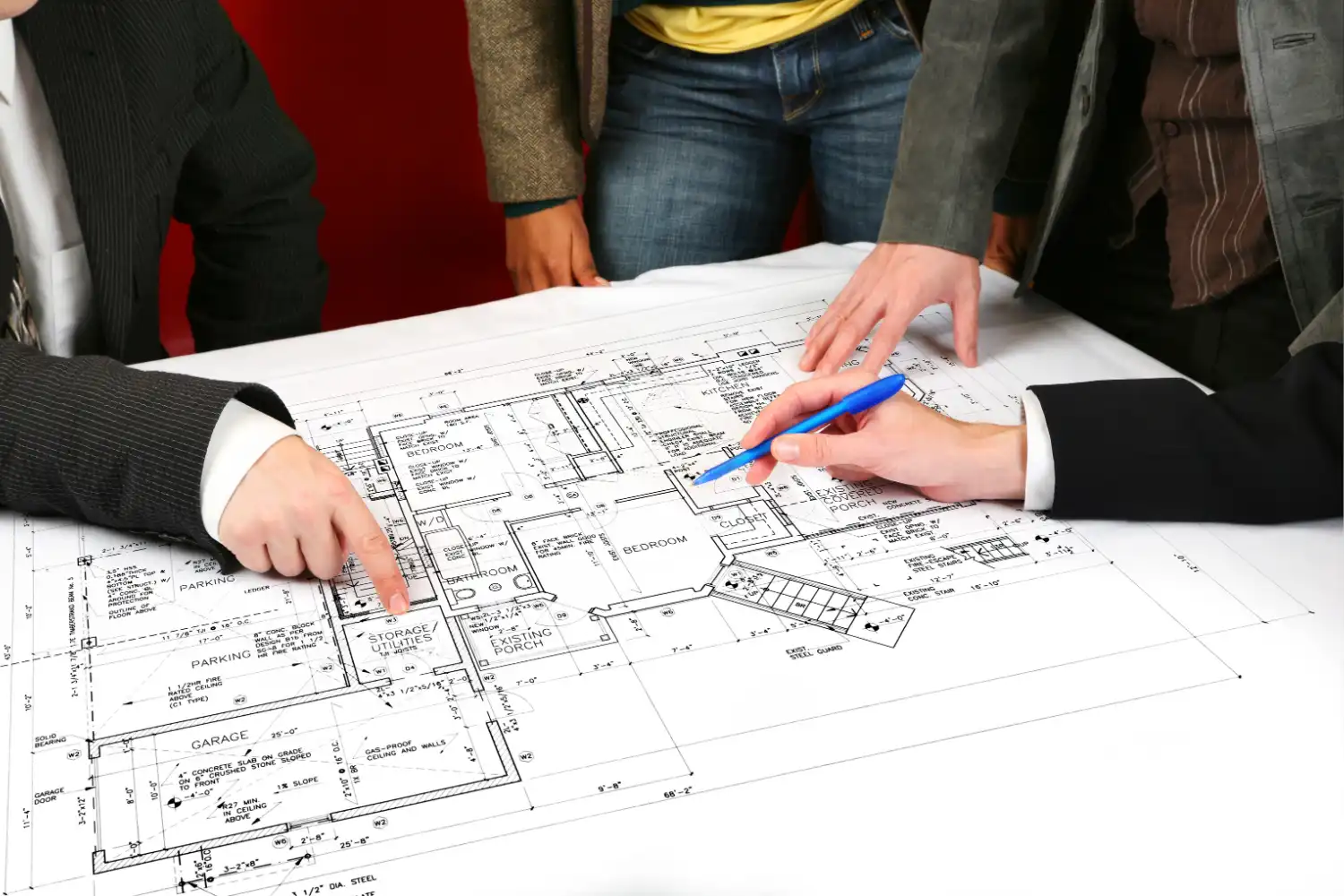
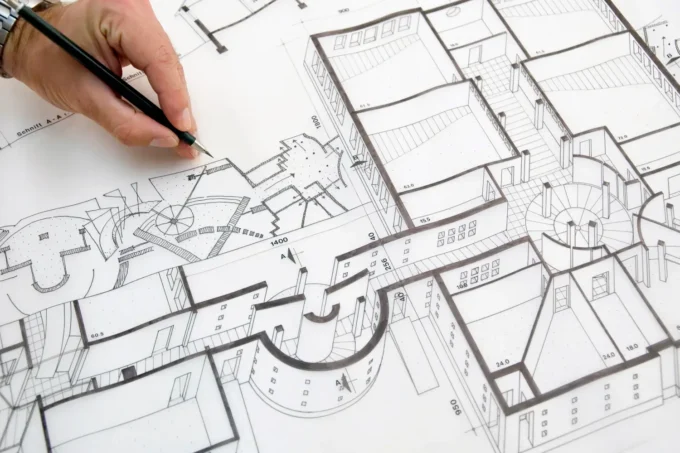
Most clients cannot read a floor plan or a section the way you can. To you, a set of drawings is a precise language. To them, it can look like a maze of lines. That gap is where misunderstandings start, and miscommunication during early design is exactly where the most expensive changes tend to happen. The good part is that presenting well is a skill you can build, not a talent you either have or lack. The steps below show how to walk a client through your work so they feel informed, involved, and confident enough to say yes.
Why Do Clients Struggle to Read Architecture Drawings?
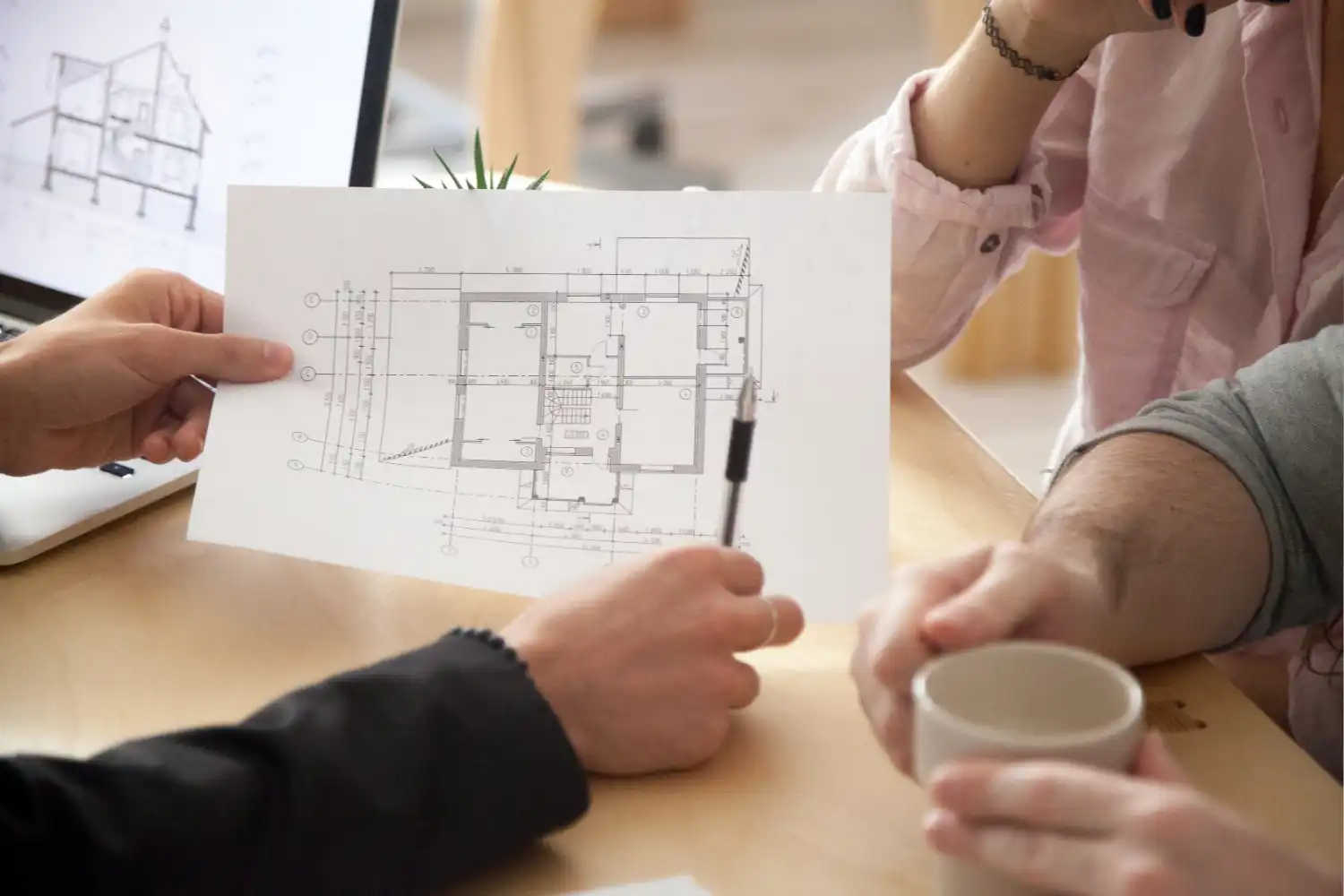
Clients struggle because plans, sections, and elevations are a professional shorthand built for people trained to decode them. A non-technical client pictures a building from the inside, as a place to live or work, not as an orthographic projection. Clear architectural concept diagrams help close this gap, because a client who cannot follow a section can often read a clean diagram immediately. That reduces confusion at the stage where design decisions cost the least to change.
There is a wider issue the profession knows well. The American Institute of Architects points out that while people respect architects, there is little public understanding of what the work actually involves. Every client meeting is a small chance to close that gap, one project at a time.
Start With the Client’s Goals, Not the Design
Open with what the client cares about, not with your concept. Before any meeting, get clear on three things: their budget, how they will use the space day to day, and what success looks like to them. When you frame the design around those goals, technical decisions start to make sense, because the client can see why each one matters to their life or their business.
This also shapes how much detail to share. A homeowner reworking a kitchen needs a different conversation than a developer weighing return on a mixed-use block. Tailoring your depth, language, and visuals to the people in the room is a core principle of effective architectural presentations.
💡 Pro Tip
Before presenting, write down the single outcome your client wants most, then open the meeting by repeating it back in their own words. Architects who anchor the conversation to that stated goal early on face far fewer objections later, since every design choice now ties back to something the client already told you they value.
Replace Jargon With Plain Language
Technical terms make clients feel shut out. Words like fenestration, massing, or cantilever carry exact meaning for you and almost none for them. You do not need to simplify the design itself. You need to say the same thing in words the client already owns. Fenestration becomes “where the windows go and how much light they let in.” Massing becomes “the overall size and shape of the building.”
The table below pairs a few common terms with clearer ways to phrase them in a client meeting.

Translating Technical Terms Into Client-Friendly Language
| Technical Term | What It Means to the Client | How to Say It |
|---|---|---|
| Fenestration | Windows and openings | “Where the windows sit and how much daylight you will get” |
| Massing | Building size and shape | “The overall shape and bulk of the building on the site” |
| Circulation | How people move through | “The path you walk from the front door to each room” |
| Section | A vertical cut-through view | “A slice through the building so you can see floor heights” |
| Program | Required rooms and uses | “The list of spaces the building needs to hold” |
| Setback | Distance from the boundary | “How far the building has to sit from your property line” |
⚠️ Common Mistake to Avoid
A frequent mistake is using technical vocabulary to sound authoritative. It usually does the opposite. Clients who cannot follow the words tend to stay quiet rather than admit confusion, which means you lose the feedback you need and they leave unsure about what they just approved. Plain language earns more trust than jargon ever will.
Use Visuals Clients Can Actually Read
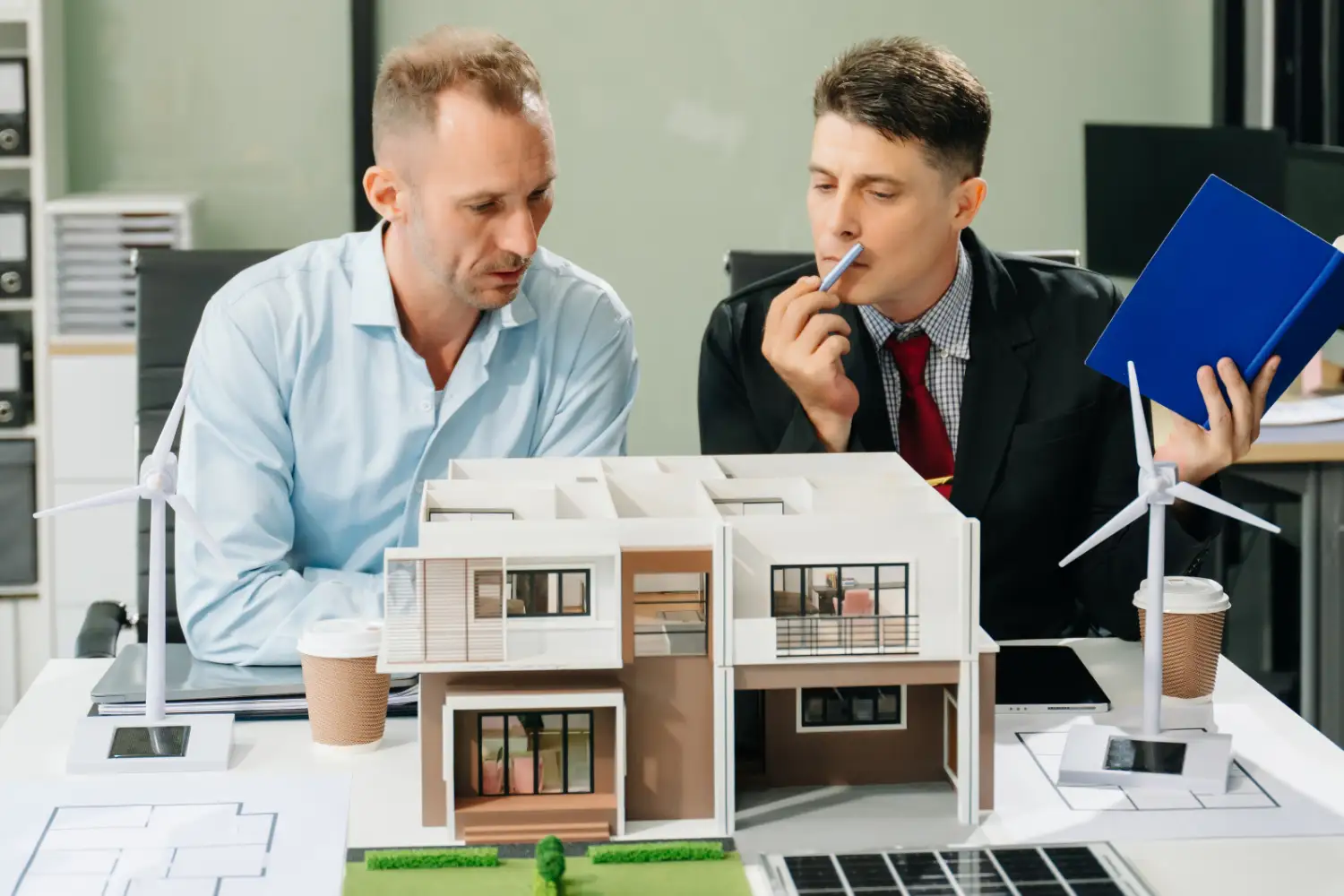
Strong visuals carry more weight than any verbal explanation. Renderings, physical models, and 3D walkthroughs let a client grasp scale and atmosphere in seconds. A scaled physical model lets clients read proportion and layout in a way flat drawings rarely match, which supports more confident decisions. For spaces that are hard to picture, virtual and augmented reality tools can place the client inside the design before construction starts.
The level of polish matters as much as the content. The way you render a design quietly signals how finished it is, a point visualization specialists featured by ArchDaily have made about matching render style to the project stage.
📌 Did You Know?
A photorealistic rendering can signal to a client that the design is final and no longer open to change, while a looser, sketch-style image invites comments and discussion. Choosing the right level of polish for each meeting shapes how much input clients feel free to give.

Tell the Design as a Story
A list of features rarely moves anyone. A story does. Walk the client through the project the way they will experience it: arrive at the entrance, step into the main space, see how light shifts through the day. Tie each design choice back to the problem it solves, whether that is a tight site, a limited budget, or a specific way they want to live. Firms known for winning public support, such as Bjarke Ingels Group, built much of their reputation on simple step-by-step visuals and clear narratives that strip pretension out of the design process.
Early sketches can carry this story well. Hand-drawn concept sketches feel approachable and signal that ideas are still open, which invites the client into the process instead of handing them a finished verdict.
💡 Pro Tip
Rehearse your presentation out loud at least once before the meeting, timing the core walk-through to stay under ten minutes. A common reason good projects get a lukewarm response is a rambling delivery with no clear flow, which makes the design itself look unresolved even when it is not.
Manage Feedback and Decisions in the Room
Presenting is only half the job. Guiding the conversation is the other half. After each major point, pause and check that the client follows before moving on. Offer choices in small, framed sets rather than every option at once, since too many open questions can stall a decision. A clear presentation board helps here, guiding the client through context, concept, and solution in one ordered sequence so nothing feels scattered. When a client pushes back, treat it as useful information, not a threat to your design.
It helps to remember that for many clients, hiring an architect is a new and high-stakes experience. The American Institute of Architects frames the relationship as a collaboration where the client communicates needs and budget while the architect translates those into a workable design. Keeping that two-way exchange clear is what keeps a project on track from first sketch to final approval.
Where to Go From Here
Your Next Step: Before your next client meeting, pick the three most technical terms in your current architecture project and write one plain-language version of each. Practice saying them out loud, then build your presentation around the client’s main goal rather than your design concept. That single shift, from explaining the building to showing the client their future, changes how the whole conversation lands.
Frequently Asked Questions
How do you explain an architecture project to someone with no design background?
Start with their goals, use plain language instead of technical terms, and lean on visuals like renderings, models, or walkthroughs. Frame the design as a story about how they will use the space, and pause often to check that they follow before moving to the next point.
What should you avoid when presenting architecture to non-technical clients?
Avoid jargon, dense technical drawings shown without explanation, and dumping every design option at once. Skip the urge to sound authoritative through vocabulary, since confused clients tend to go quiet rather than ask questions, which costs you the feedback you need.
How long should an architecture client presentation be?
Keep the core walk-through under ten minutes, then leave room for questions and discussion. A focused, well-paced presentation reads as confident and clear, while a long, rambling one can make even a strong design feel unresolved.
Which visuals work best for non-technical clients?
Renderings, physical scale models, and 3D or VR walkthroughs tend to land best, since they show scale and atmosphere directly. Match the polish to the stage: looser, sketch-style images invite feedback, while photorealistic renders signal that the design is close to final.
- architecture client presentation tips
- architecture presentation for clients
- architecture project presentation skills
- client communication for architects
- communicating design to non-architects
- explaining architecture to clients
- how to present architecture project to clients
- presenting architecture to non-technical clients












Leave a comment