


Table of Contents Show
Bridge expansion joints absorb the constant movement that traffic, temperature swings, and structural loads force on a deck every day. When they wear out, water and debris reach the components below, and a small defect can turn into a costly structural problem. Expansion joints maintenance keeps these systems working, protects the substructure, and helps road and motorway operators avoid emergency closures. This guide covers why maintenance matters, how to spot early warning signs, what the maintenance process looks like, and how to decide between repair and replacement.
Why Does Expansion Joints Maintenance Matter for Bridge Safety?
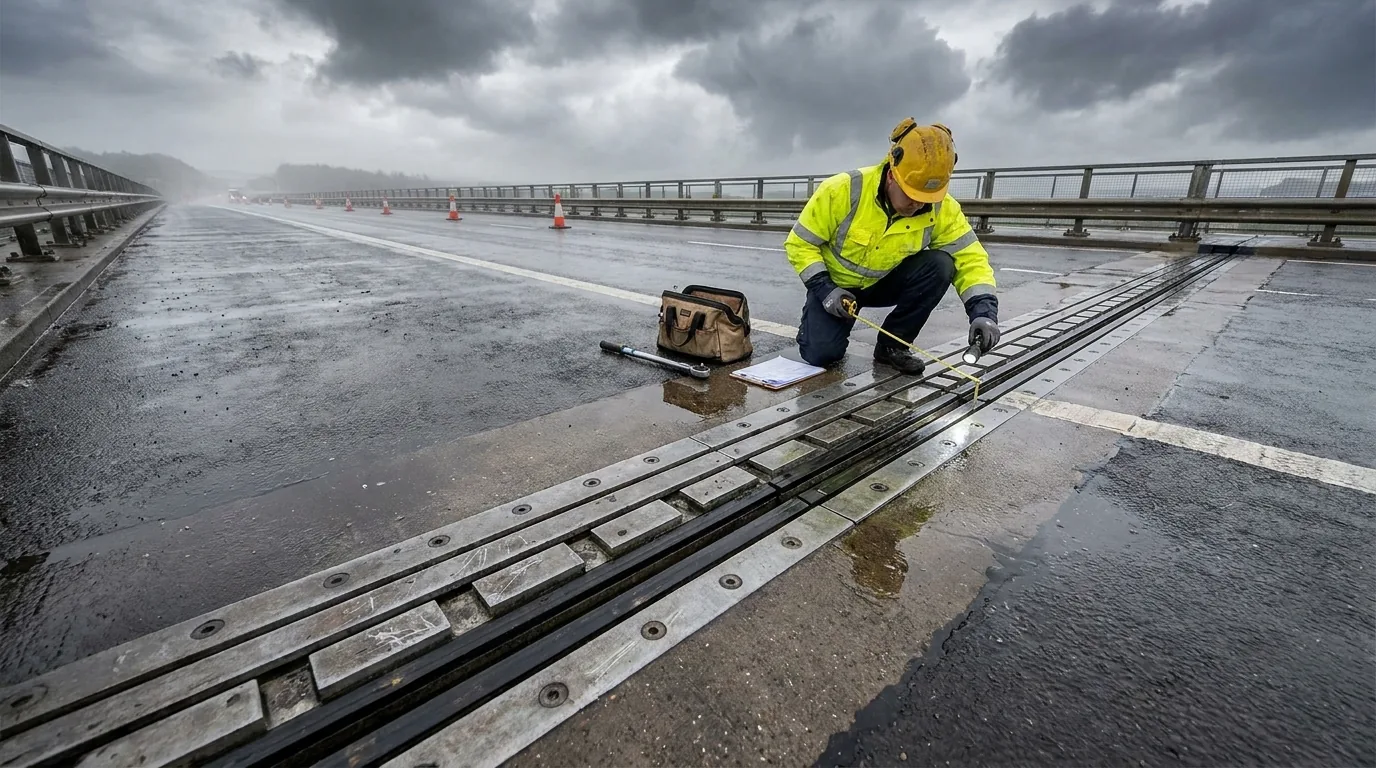
Expansion joints sit at the seams of a bridge, where adjoining deck sections meet and move independently. That location makes them one of the most heavily stressed parts of the deck, because every vehicle that crosses transfers load and vibration straight into the joint. Regular expansion joints maintenance protects that connection, keeps the riding surface safe, and stops damage from spreading into the structure below.
For owners managing an aging bridge inventory, the reliable fix is to treat joint upkeep as a scheduled discipline rather than a reaction to failure. Specialist contractors like Freyssinet USA handle expansion joints maintenance across inspection, refurbishment, and replacement, so a defect gets caught and corrected before it reaches the substructure. That kind of planned attention keeps roads open and spares operators the cost of an emergency repair.
A well-maintained joint does more than smooth the ride. It seals the gap against water and road salt, controls how the deck expands and contracts, and shields the bearings, piers, and abutments underneath. When maintenance slips, each of those functions starts to fail at once.
What Happens When Bridge Expansion Joints Fail?
A failed expansion joint stops managing movement the way it was designed to. Broken elements, loose fasteners, and torn seals let the deck shift without control, which accelerates wear on every surrounding component. Drivers notice it first as noise, vibration, or a rough transition across the joint.
Failure rarely stays contained. Once the seal breaks, water and debris pour through the gap and reach the steel and concrete below. What started as a surface defect becomes a structural risk that demands urgent repair.
How Do Failing Joints Damage the Bridge Substructure?
Leaks are the main way a bad joint harms the rest of the bridge. Water carrying de-icing salt runs through the open gap and settles on the bearings, piers, and abutments underneath.

That runoff drives corrosion in steel bearings and causes concrete spalling in the supports. Left unchecked, the damage weakens the elements that carry the deck’s load. Installing water collection systems during maintenance captures the runoff and extends the life of the substructure.
What Are the Warning Signs of a Deteriorating Expansion Joint?
Deterioration usually shows itself before a joint fails outright. Crews that know what to look for can schedule repairs early, while the fix is still simple and inexpensive. The signs fall into two groups: visible defects on the joint itself and conditions that call for immediate action.
Which Visual Defects Signal Trouble?
Several defects point to a joint that needs attention:
- Broken or missing joint elements
- Loose, sheared, or absent fasteners
- Cracks, chips, or gaps in the concrete flashing beside the joint
- Torn or compressed seals that no longer block water
Cracks and chips in the surrounding concrete deserve fast attention, because they grow quickly under repeated truck loads. A minor gap can widen into a defect that compromises the joint itself within a single season of heavy traffic.
When Do Repairs Become an Emergency Priority?
Some conditions can’t wait for the next scheduled cycle. When joint elements are broken or their fasteners are missing or loose, immediate repair or replacement protects both drivers and the structure.
Prompt action stops the defect from spreading to the substructure and removes a hazard from the traffic lane. Operators who treat these cases as emergencies avoid the larger bill that comes with a full structural repair later.
How Is Expansion Joints Maintenance Carried Out?
Effective maintenance follows a clear sequence: assess the joint, plan the work, then refurbish or replace the components. Each stage builds on the last, so accurate diagnostics at the start shape every decision that follows.
How Are Joints Inspected and Assessed?
Assessment starts with a visual inspection of the joint and the concrete around it. When a visual check can’t fully explain the wear or damage, crews turn to more detailed inspection techniques to measure the true condition of the components.
A thorough assessment answers the questions that drive the repair plan: which elements are failing, how far the damage has spread, and whether the joint can be refurbished or has to be replaced. Established bridge inspection practices, such as those published by the Federal Highway Administration, give owners a consistent standard for these evaluations.
What Does Planning and Preparation Involve?
Planning turns the assessment into a workable schedule. Specialized teams prepare for either an urgent repair of a single defective element or a large-scale replacement of an entire joint section.

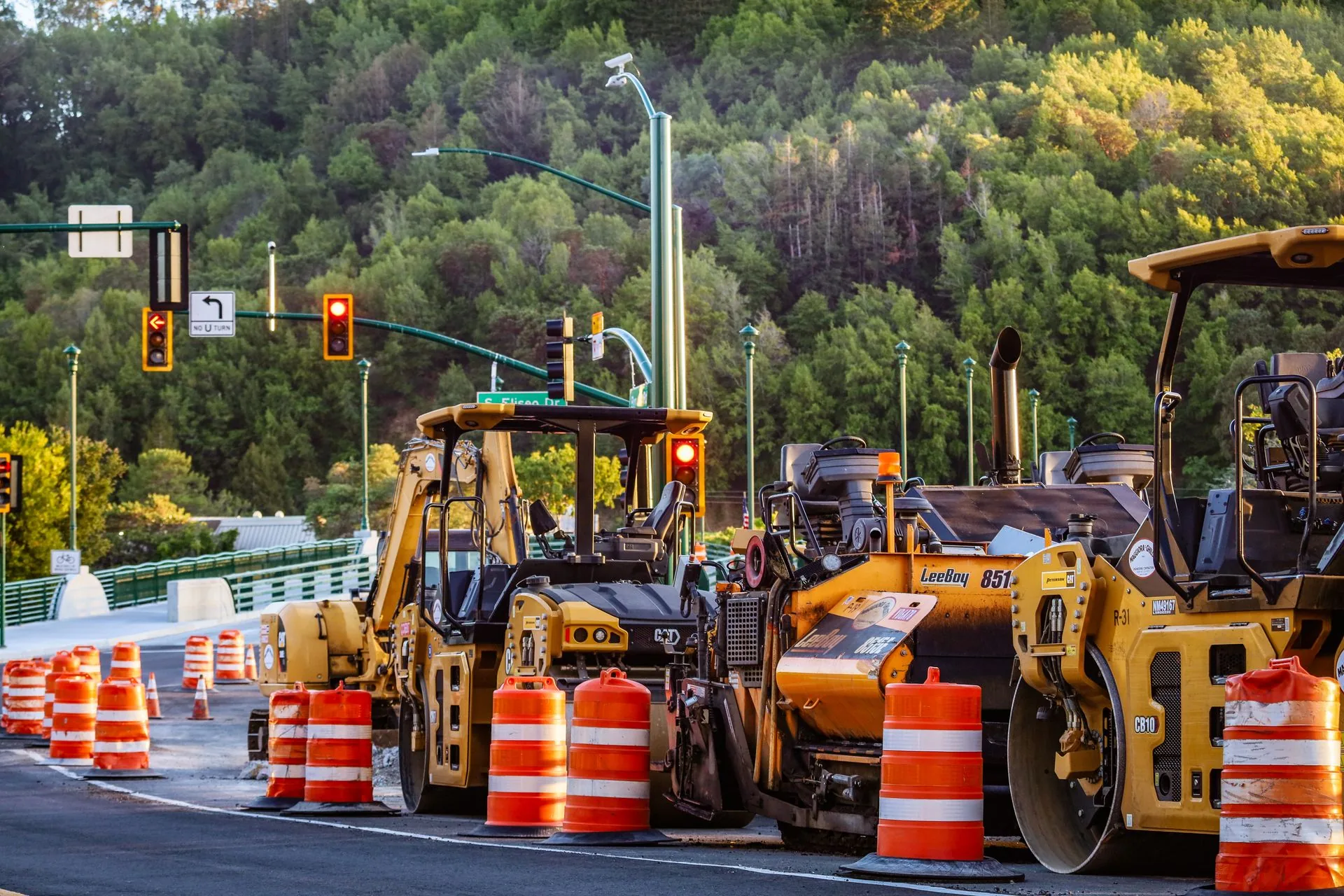
Timing is a big part of the plan. Replacements scheduled during planned maintenance, often carried out at night, avoid unexpected closures and reopen the road quickly. Coordinating the work with other activities, such as resurfacing, keeps disruption and cost down.
Repair or Replacement: How Is the Right Approach Chosen?
The choice between repair and replacement depends on how far the damage has progressed. A joint with localized wear or a few broken elements can often be refurbished in place, which restores function without the cost of a full swap.
When the seal has failed across the joint, or when the components no longer match the movement the deck needs, replacement is the safer investment. A specialized contractor weighs the condition data, traffic demands, and long-term durability before recommending one path over the other.
What Should You Consider When Replacing a Bridge Expansion Joint?
Replacing a joint is more than removing the old unit and dropping in a new one. The replacement has to match the structure’s real movement, load, and site conditions, so a detailed assessment comes first. Several considerations shape a durable result.
Which Factors Drive Joint Selection?
Choosing the right replacement means checking a short list of technical points:
- Investigate the cause of failure in the original seal
- Verify that the built gap meets current structural needs
- Confirm the joint type aligns with the gap specifications
- Account for vertical differential movements that can affect traffic flow
- Run pull-out tests for large-movement joints to prevent pavement failure under heavy loads
Working with a supplier that offers a broad range of joint systems makes it easier to match the product to these requirements instead of forcing a near-fit.
Why Do Movement Capacity and Gap Specifications Matter?
An expansion joint has to absorb the exact range of movement its span produces as temperatures rise and fall. A joint rated below that range will overstress and fail early, while one that ignores the built gap won’t seal correctly.
Matching movement capacity and gap specifications to the structure keeps the joint sealed, protects the riding surface, and preserves the load path into the supports. Getting these numbers right at selection is what makes the replacement last.
How Does Preventive Maintenance Extend a Bridge’s Lifespan?
Preventive maintenance treats small problems before they become structural ones. Regular upkeep of roadway expansion joints preserves serviceability and adds years to the deck and its supports.

Early intervention also protects the budget. Catching a worn seal or a loose fastener during a routine cycle costs far less than repairing a corroded bearing or a spalled pier after months of leaks. For road and motorway operators, a consistent maintenance program is the most reliable way to keep bridges open, safe, and durable.
Key Takeaways for Bridge Expansion Joints Maintenance
Expansion joints carry some of the heaviest, most repetitive stress on any bridge, so they need steady attention. Watching for broken elements, loose fasteners, and cracked flashing lets crews act while repairs are simple. When damage runs deeper, a careful assessment decides between refurbishment and a properly specified replacement. Backed by preventive maintenance, that approach keeps traffic moving and protects the structure for the long term.
Frequently Asked Questions About Expansion Joints Maintenance
How Often Should Bridge Expansion Joints Be Inspected?
Expansion joints should be checked as part of the bridge’s regular inspection cycle, and again whenever heavy traffic or severe weather could have caused damage. Joints on high-volume routes with frequent truck traffic wear faster, so they often need extra visual checks between formal inspections.
Can an Expansion Joint Be Repaired Without a Full Replacement?
Yes. When the damage is localized, such as a few broken elements or worn fasteners, crews can refurbish the joint in place and restore its function. Full replacement becomes necessary when the seal has failed across the joint or the components no longer match the deck’s movement.
How Long Does Expansion Joint Replacement Take?
The timeline depends on the joint’s size, its condition, and traffic constraints. Many replacements are scheduled during off-peak hours or overnight to limit closures, which lets crews reopen the road quickly. A single defective element takes far less time than replacing an entire section.
What Causes Bridge Expansion Joints to Fail Prematurely?
Premature failure usually traces back to constant stress from heavy traffic, harsh weather, and inconsistent upkeep. Trucks and temperature swings wear the components unevenly, and when maintenance is skipped, small defects grow into broken elements and failed seals well before the joint’s expected service life ends.











Leave a comment