


In architecture, “representation” and “presentation” are concepts that support each other and should never be separated. As well as representation (plan, section, model, etc.), presentation is also very important and necessary for architectural projects. When presenting architecture, it is imperative that the presentation needs to be just as specific and detailed as architecture itself.

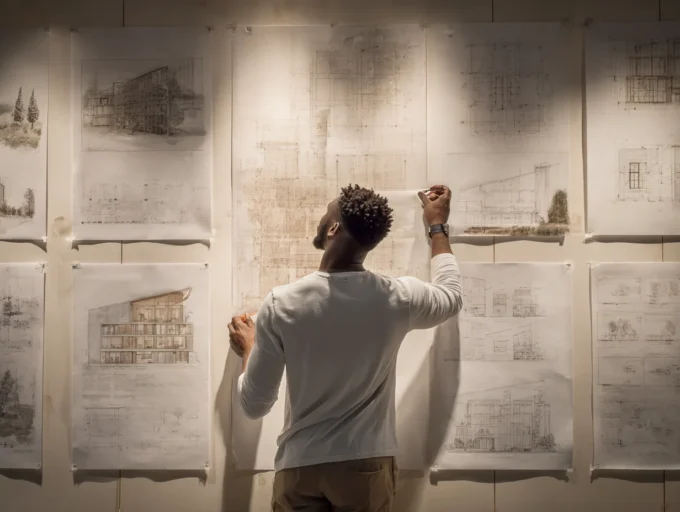
Architectural presentation is all about presenting your final design to the client, this presentation’s success relies a lot on the presentation boards. For this reason, you can make your architectural presentations with many different techniques. The most popular presentation technique is to create architectural presentation boards and sheets. It is impossible for a project whose architectural presentation is not completed successfully to be appreciated by the juries in architecture school or architectural competitions and clients in professional business life.

The presentation board is a critical component in architectural presentations. There are many presentation trends that have emerged in the field of architecture, but one of the most important is improving presentation boards. The aim of this blog post is to discuss some best practices for creating better architecture presentation boards.
You are expected to be very good at software such as Adobe Photoshop or Adobe Illustrator in order to develop architectural presentation boards for architectural presentations to best represent your project. Designers who use this software well can make their projects stand out both in architectural competitions and against their customers in the best way possible. Designing architectural presentation boards, as in other architectural productions, actually goes through applying basic design principles. You can get great presentations of the projects that are designed by you through the software that you are sure to use well.

Our aim in these presentations is to impress the customers or the jury members with our project, right? You can use fast and impressive solutions by following the latest technology in your presentations. Nowadays, with the development of technologies such as AR and VR, there has been an improvement in architectural presentations. There are some presentation techniques for architecture and current trends for architectural presentations.

Presenting the project with virtual reality experience, thanks to VR glasses, is one of the new trends among architectural firms. In addition, it is also very popular for mimes to use augmented reality to present 2D plans to their customers with 3D realistic render models. According to psychoanalyst Freud, experiences are another way to refresh memory. With such experiences, you can keep the projects in the minds of your customers.
Common Architectural Presentation Techniques
There is no single right way to present a project. Most architects combine several techniques depending on the audience and the stage of the work:
- Presentation boards and sheets: the classic format, arranging plans, sections, diagrams, and visuals into a clear, readable layout that tells the story of the design.
- 3D renderings and visualizations: photoreal or stylized images that help clients picture the finished building and understand light, material, and atmosphere.
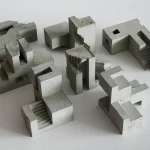
- Physical models: study and presentation models that let people grasp form, scale, and context in a way drawings cannot.
- Walkthroughs and animation: video and real-time walkthroughs that move through the spaces and show how the building is experienced over time.
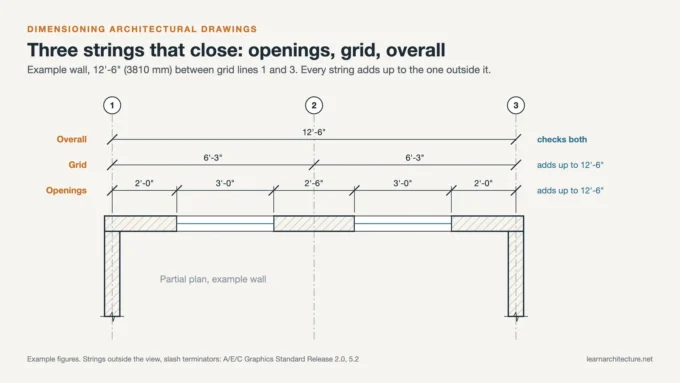
- Diagrams and concept boards: simple graphics that explain the central idea, circulation, and strategy at a glance.
Tips for an Effective Presentation
The strongest presentations are clear, not crowded. Lead with the main idea so the audience knows what the project is about within seconds, then support it with a logical sequence of drawings and images. Keep a consistent layout, line weight, and color palette across every sheet, leave generous white space, and label only what matters. Above all, present a story rather than a pile of drawings: explain the problem, the idea, and how the design answers it, and the technical material will land far more convincingly.
Conclusion
Presentation is where a design either connects with its audience or gets lost. By choosing the right mix of boards, renderings, models, and animation, and by presenting a clear story rather than raw information, architects give their projects the best chance of being understood, approved, and built.
- 3D Architectural Rendering
- 3D modeling for architecture
- 3D rendering for architects
- and interactive architecture presentations
- architectural animation
- architectural CGI services
- architectural design presentation
- architectural illustration
- Architectural Jury Presentation
- Architectural Presentation
- architectural presentation services
- Architectural Presentation Templates
- Architectural Visualization
- architectural walkthroughs
- Architecture presentation boards
- building presentation techniques
- Presentation Boards
- Presentation Styles
- Presentation Templates
- realistic architecture renderings
- virtual reality for architecture











Leave a comment