



Table of Contents Show
Concrete vs steel framing comes down to a trade-off between mass and speed. Concrete framing offers fire resistance, thermal mass, and stiffness, while steel framing offers long spans, faster erection, and lighter weight. The right structural framing choice depends on your building height, budget, fire strategy, and local labor supply.
Picking a primary structure shapes almost every decision that follows it, from foundation size to floor-to-floor height to how quickly the project tops out. The two dominant systems, cast or precast concrete and rolled structural steel, each carry a distinct mix of strengths and limits. Knowing where each one performs best helps you match the frame to the building rather than forcing the building to fit the frame. The choice also interacts with the other fundamental elements of architecture, such as span, light, and proportion.
What Is the Difference Between Concrete and Steel Framing?
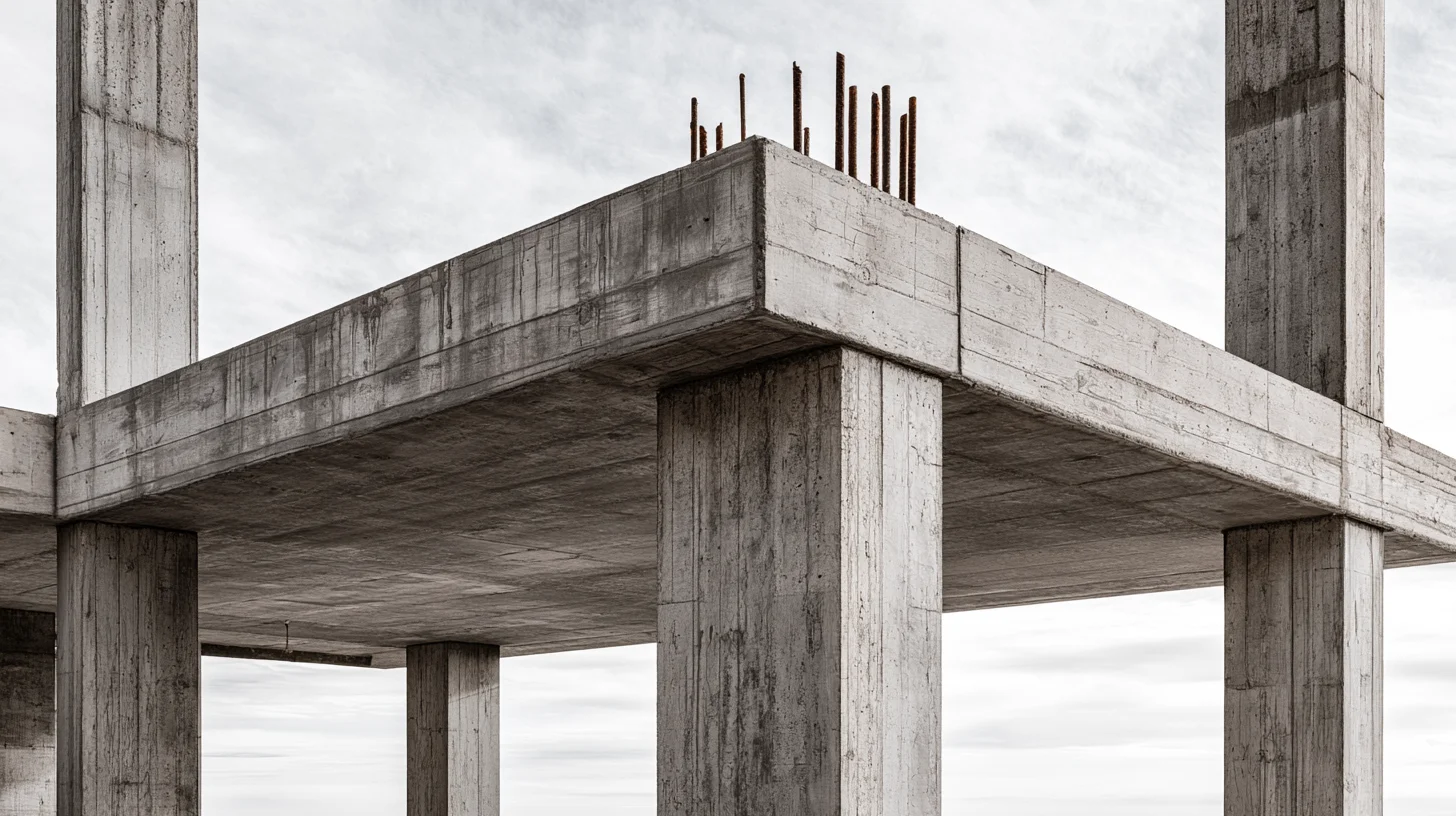
Concrete framing relies on columns, beams, and slabs that gain strength as the mix cures, usually with embedded reinforcing bars that handle tension the concrete cannot. Steel framing uses prefabricated beams and columns that arrive on site ready to bolt or weld into place. One system is poured and grows stiff over weeks; the other is assembled like a kit and carries load the moment connections are made.
That basic split drives the steel frame vs concrete construction debate. Concrete behaves as a heavy, rigid mass that resists vibration and sound. Steel behaves as a lighter, elastic skeleton that bends slightly under load and recovers. Both can reach great heights, which is why the world’s tallest buildings often blend the two rather than commit to one.
The two systems also fail in different ways, and that matters for safety planning. Concrete tends to crack and warn before it collapses, giving visible signs of distress. Steel stays strong until heat or overload pushes it past its limit, at which point it can buckle quickly. Engineers design around these behaviors with reinforcement detailing for concrete and bracing or moment connections for steel. Understanding the failure mode helps you ask the right questions during structural framing comparison in architecture rather than treating the two as interchangeable.
Concrete vs Steel Framing Compared Side by Side
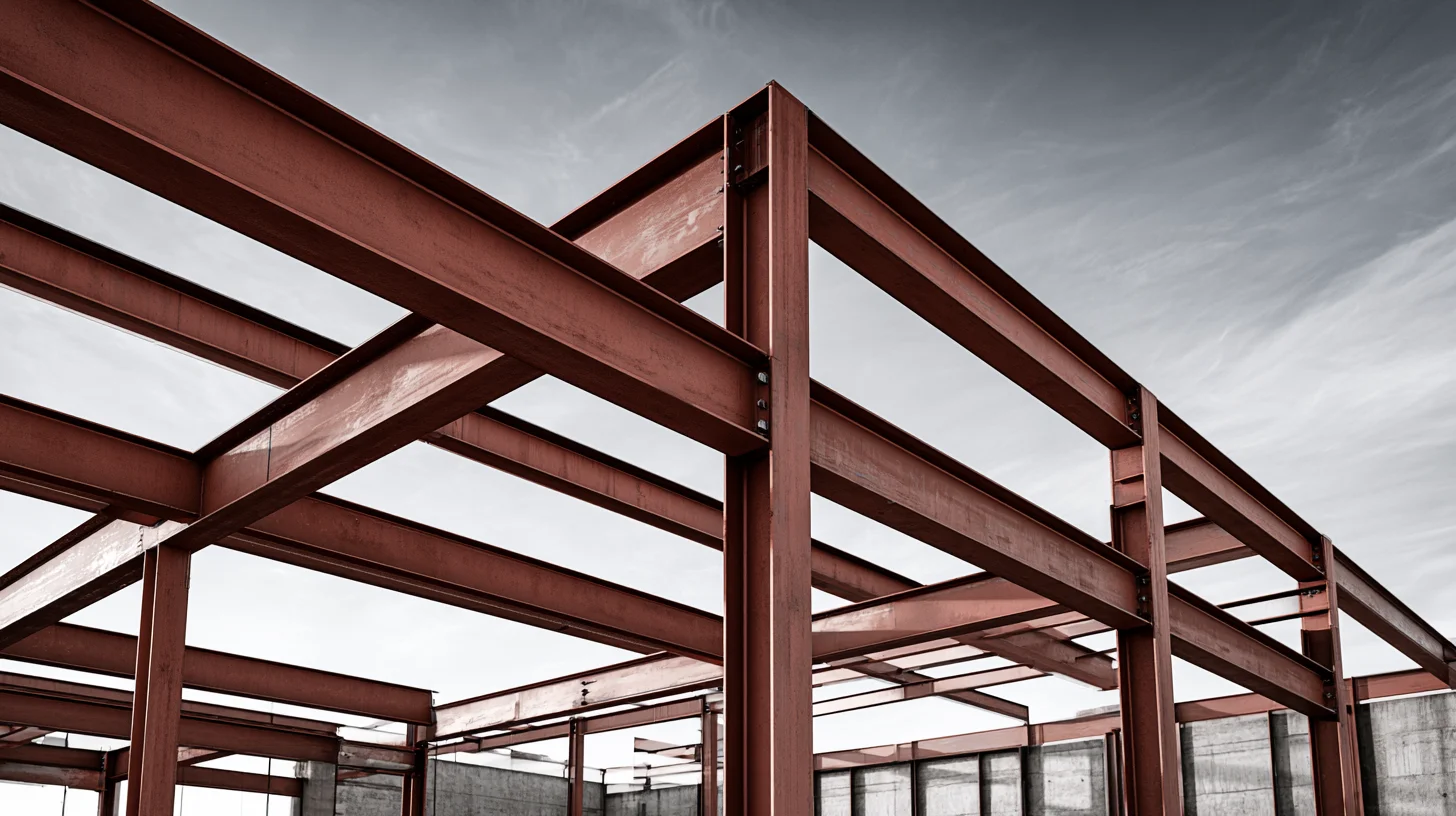
A direct comparison makes the practical differences easier to weigh. The table below sets the most common decision factors against each material so you can see where the gap is wide and where it is close.
Comparison Table: Concrete vs Steel by Key Factor
| Factor | Concrete | Steel |
|---|---|---|
| Construction speed | Slower, needs curing and formwork time | Faster, members are prefabricated and bolted |
| Self weight | Heavy, larger foundations required | Light, smaller foundations possible |
| Clear span potential | Moderate, deeper beams for long spans | High, long column-free spans are routine |
| Fire resistance | Inherent, no added protection needed | Requires coatings, boards, or spray fireproofing |
| Sound and vibration | Strong, mass dampens noise and bounce | Weaker, lighter floors can feel springy |
| On-site adjustability | Flexible shapes, hard to modify once cured | Fixed sizes, easy to extend or retrofit later |
The pattern is clear once the factors line up. Concrete wins on mass-related qualities like fire performance and acoustic comfort, while steel wins on speed, weight, and span. Most steel vs concrete structure decisions turn on which column of that table matters most for the specific program.
Pros and Cons of Concrete Framing
Concrete suits buildings where fire safety, sound separation, and stiffness rank high, such as residential towers, hospitals, and parking structures. Its thermal mass also helps moderate indoor temperature swings, which supports energy goals when paired with good insulation. The material shapes easily into curves and cantilevers, a quality that gave us the sculptural look of brutalist architecture.
The limits are real, though. Concrete is heavy, so foundations grow larger and costlier. Curing time slows the schedule, and weather can stall pours, since cold or wet conditions affect how the mix sets. Quality depends heavily on site conditions and workmanship, which means a poorly cured pour can undercut the whole frame. Once the slab hardens, cutting new openings or rerouting services is messy and expensive, so coordination has to be right the first time. Technical specifications for mix design and reinforcement are published by the American Concrete Institute, whose standards you can review through the American Concrete Institute.
⚖️ Pros & Cons at a Glance
✔️ Concrete pros: built-in fire resistance, excellent sound and vibration control, high thermal mass, freedom to form curved and complex shapes
✖️ Concrete cons: heavy self weight, slower curing schedule, larger foundations, harder to modify after it sets
Pros and Cons of Steel Framing
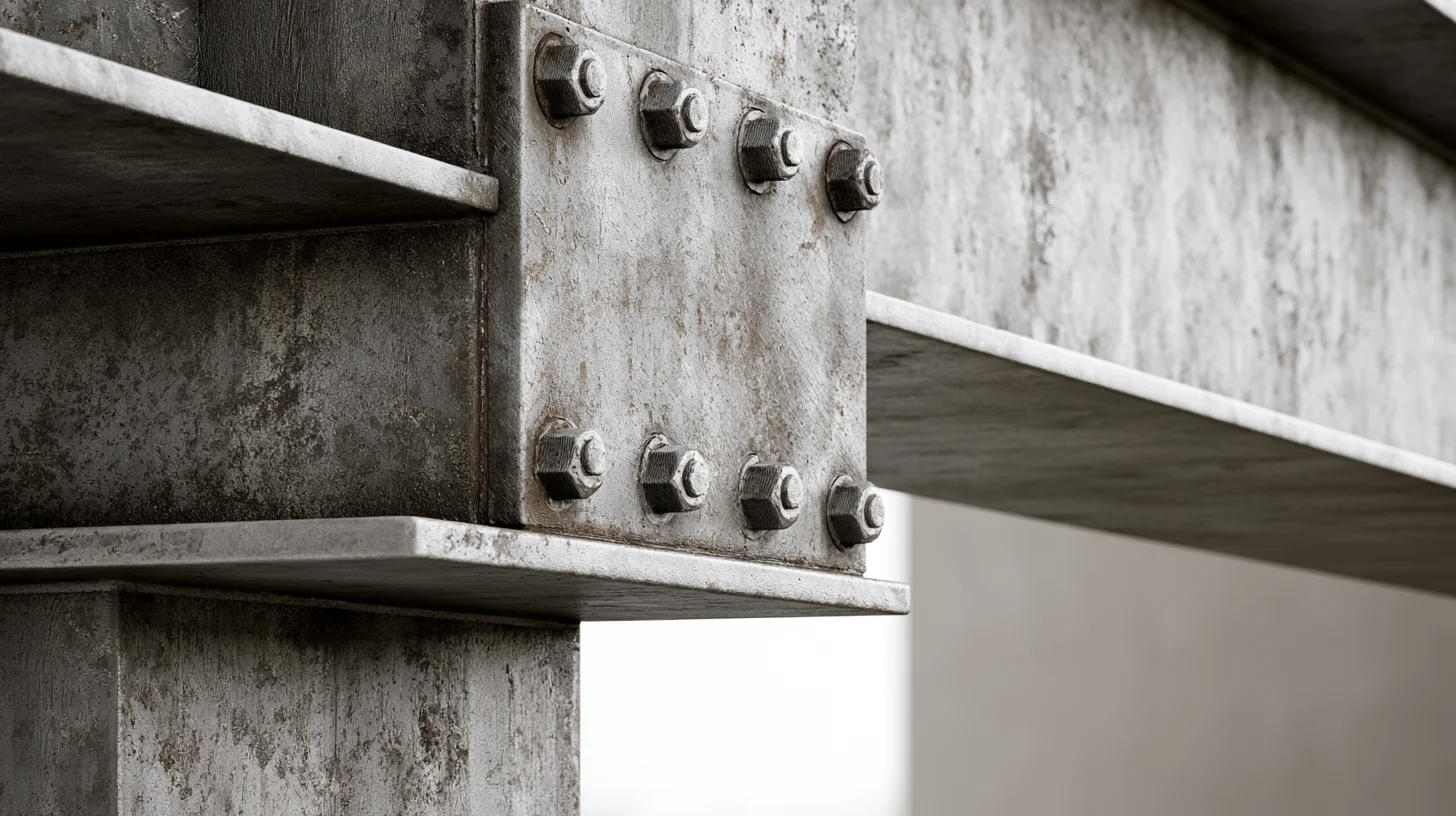
Steel is the go-to choice when speed and open space drive the design. Members are cut and drilled in a shop, then erected quickly with predictable tolerances. The result is long clear spans ideal for warehouses, stadiums, airports, and office floors that need flexible layouts. The American Institute of Steel Construction outlines these advantages, from strength to fast erection, on its Why Steel resource pages.
Steel does carry weaknesses you have to plan around. It loses strength in fire, so columns and beams need protective coatings, boards, or spray applied fireproofing to meet code. The U.S. National Institute of Standards and Technology studies how steel structures behave under fire, work documented through its fire research division. Lighter floors can also transmit vibration, and exposed steel needs corrosion control in humid or coastal settings.
💡 Pro Tip
When you compare a steel framing vs concrete walls scheme for the same floor plate, model the fireproofing scope early. The cost and thickness of spray fireproofing on steel can quietly erase the speed savings if your fire rating is high, so price it before you commit the structural system.
Steel vs Concrete Construction Cost
Cost rarely points cleanly to one material. Steel prices swing with global commodity markets, while concrete cost leans on local cement, aggregate, and labor rates. A steel frame often saves on foundations because it weighs less, yet it can add cost back through fireproofing and corrosion protection. Concrete can be cheaper where ready-mix plants and skilled crews are close, but a slow schedule raises financing and overhead. The hidden costs often decide the outcome, so look beyond the headline price per ton or per cubic meter and trace the full schedule impact.
Speed itself carries a dollar value that is easy to overlook. A steel frame that tops out months earlier lets the owner occupy or sell sooner, which can outweigh a higher material bill on a tight financing timeline. Concrete claws some of that back on tall, repetitive floor plates, where a jump-form core and flying formwork turn each level into a fast, repeatable cycle.
Because the steel vs concrete construction cost balance shifts by region and project type, run real numbers rather than rules of thumb. A quick early estimate from one of these construction cost-estimator apps can flag which system fits the budget before you commit to schematic design. Factor in foundation size, fire rating, span lengths, and how the structural bay aligns with your structural grid.
🏗️ Real-World Example
Burj Khalifa (Dubai, 2010): The world’s tallest building uses high-performance reinforced concrete for its buttressed core and most of its height, then switches to a structural steel spire for the top sections. The hybrid approach shows how concrete handles the heavy stacked load below while lighter steel carries the slender crown above.
Cost figures are approximate and vary by region, material supplier, and project scope.
Which Framing Fits a Concrete vs Steel Frame House or Larger Build?
For a single-family concrete vs steel frame house, the decision usually favors local norms and labor familiarity, since both systems are overbuilt for the modest loads of a home. For mid-rise and tall buildings, the calculus gets sharper. Choose concrete when fire rating, acoustic isolation, and stiffness lead the brief. Choose steel when erection speed, long spans, and future flexibility matter more.
Sustainability now sits inside that choice too. Cement production carries a high embodied carbon load, which pushes some teams toward steel or toward lower-carbon concrete mixes. Steel counters with recyclability, and surveys cited by the technical resource SteelConstruction.info put the end-of-life recovery rate for structural steel from demolished buildings at roughly 96 percent. Weigh these material impacts alongside other sustainable building materials when carbon targets shape the project.
Many modern projects refuse to pick a single winner. A concrete core paired with a steel perimeter frame combines the stiffness and fire safety of concrete with the speed and span of steel, which is why this hybrid keeps appearing in tall construction. Treating the question as concrete vs steel building does not have to mean choosing only one.
What This Means for Your Next Project
Bottom Line: There is no universal winner in the concrete vs steel framing debate. Let the building tell you which to use by ranking your priorities, fire rating, speed, span, weight, acoustics, and carbon, then match the system that leads on the factors you cannot compromise. When two priorities pull in opposite directions, a concrete and steel hybrid is often the most honest answer.















Leave a comment