


Table of Contents Show
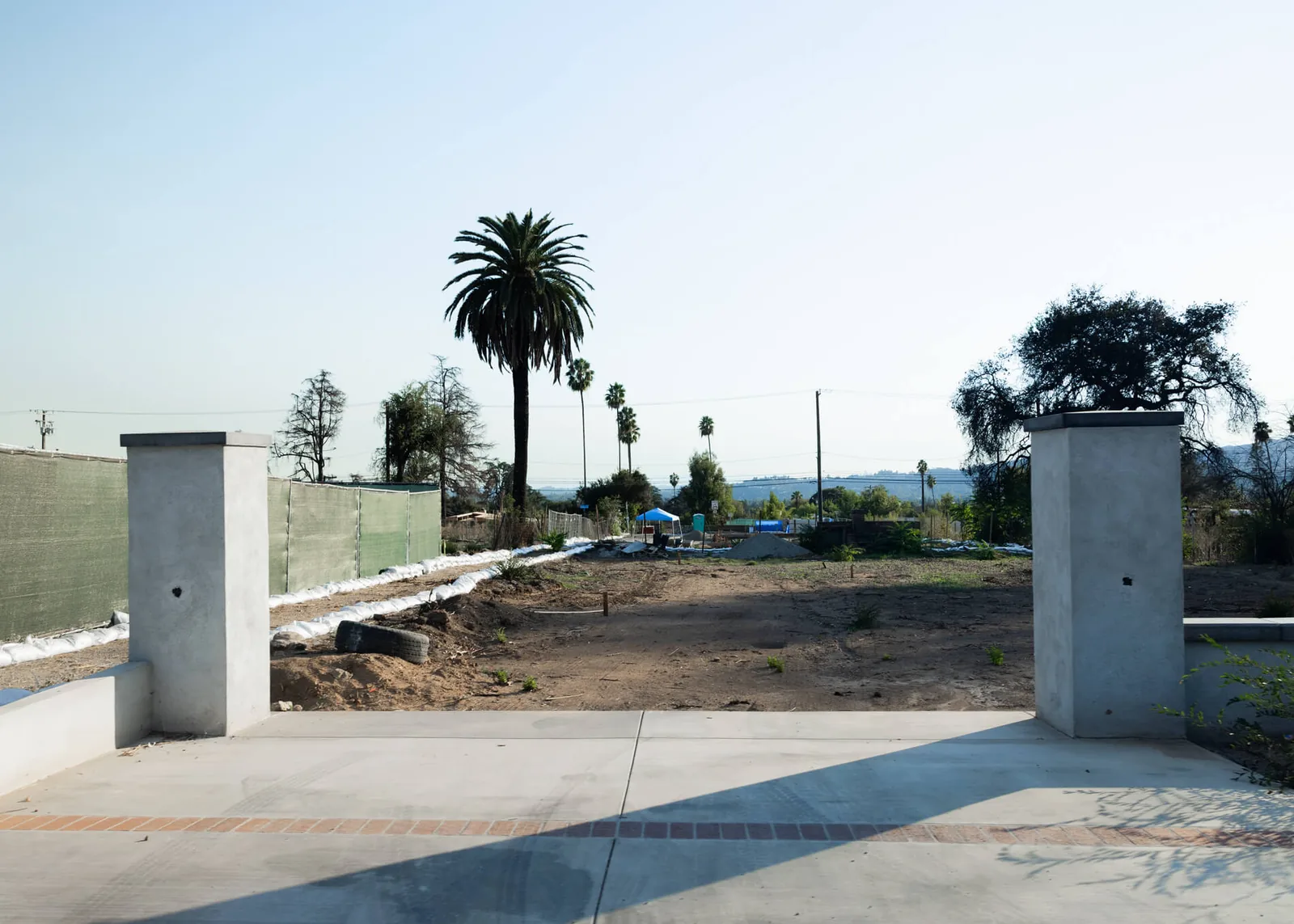
It has been almost two years since the Eaton Fire burned down 6,746 houses in Altadena, California, and Altadena rebuilding still has not picked up real momentum. Work is under way on only a third of the burned lots, and a mere 179 houses stand finished, per The Architect’s Newspaper. Pacific Palisades, a richer coastal neighbourhood hit by fire the same day, has fared worse still: Politico put its rebuilt total at just 49 houses as of late September.
 Pliera BIM Platform Pairs a Browser-Based Modeller With AI-Generated Parametric Objects to Challenge Revit
 Aurora 275: Crosslam Builds What It Calls Brazil’s Tallest Hybrid Timber Building in São Paulo
 COP31 Targets Operational Energy in Its Buildings Compact as the EU Moves Ahead on Whole-Life Carbon
 UK Design Protection Reforms Make Copied Designs Easier to Challenge, but Not a Crime
Permits move quickly now; owners often cannot
Mira Henry, who co-leads the design studio Current Interests LA, finds the slow pace fairly predictable: putting up a house from nothing eats years under normal conditions, so against her own earlier estimates of three or four years per project, Altadena is actually ahead of schedule. “The county is moving much quicker than before the fires at expediting permits,” she said. “You used to be stuck in the permit process for a long time.” With paperwork no longer the bottleneck, she points instead to whether owners can afford to rebuild at all. A family she guided took the simplest route, rebuilding their home plus an accessory unit, breaking ground in August 2026 and targeting a finished first phase the summer after next.
Black homeownership built this place, and the gap is widest here
More than four in five Black residents in Altadena owned their homes before the blaze, well over twice the national average, and UCLA research found close to half of Black households lost their house outright or suffered major damage. Matthew Trotter, a regional leader of the National Organization of Minority Architects, started the Altadena Rebuild Coalition to back those homeowners, many of whom, he says, are only now feeling steady enough to think about rebuilding. Wanting to rebuild is one thing; affording it is another. A mid-2025 survey by the Pasadena nonprofit Greenline Housing Foundation found a typical shortfall near $268,000, traced largely, founder Jasmin Shupper said, to households carrying too little insurance.
Cash buyers beat Altadena rebuilding to the punch
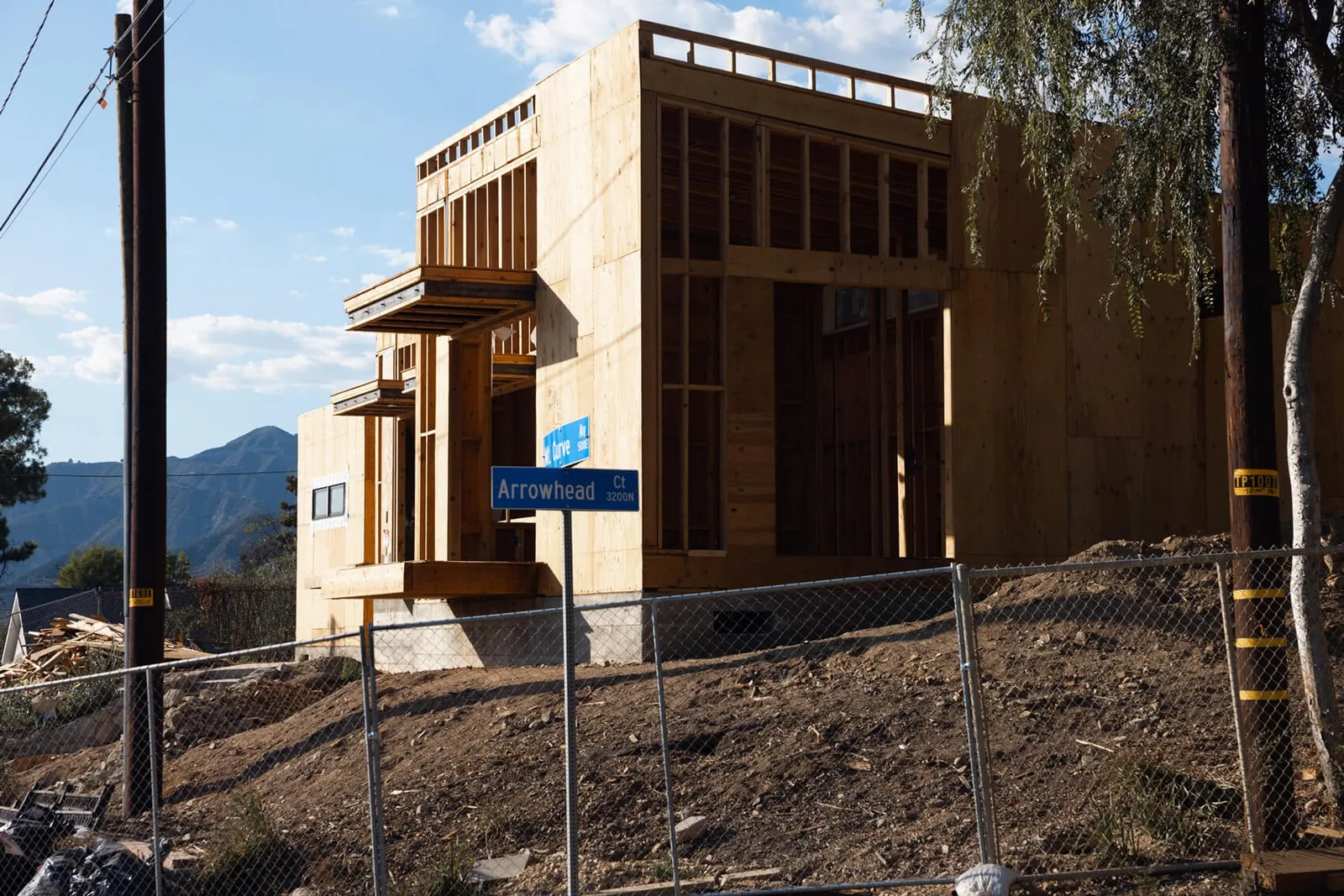
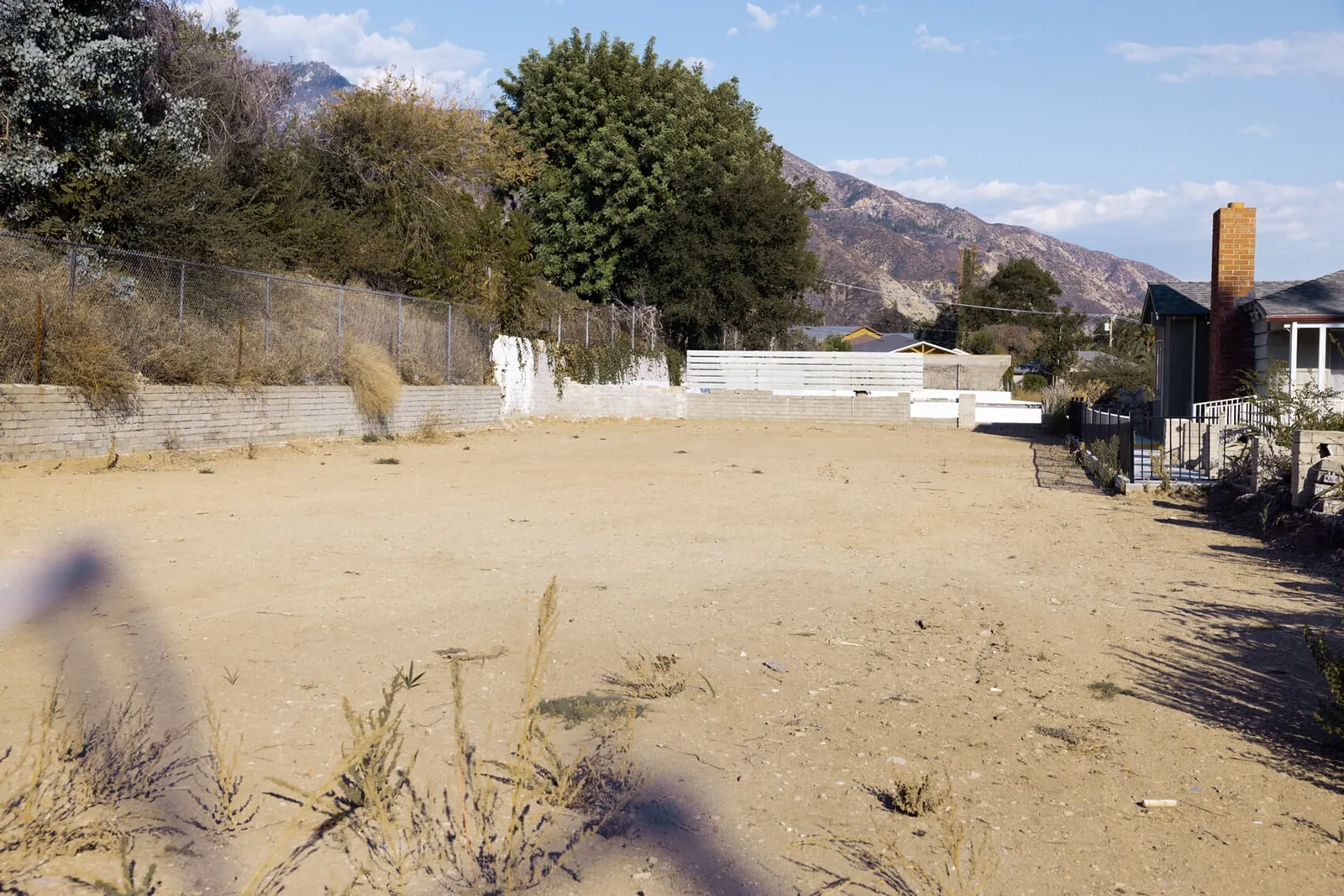
While homeowners weighed their options, outside buyers moved in. The watchdog group Altadena Not For Sale counted 241 scorched lots sold within about eight months of the fire, over half to companies; one firm, New Pointe Communities, picked up fifteen parcels alone, among them a plot on Arrowhead Court bought for $635,000 that spring and flipped that winter for close to triple the price. Shupper’s read on who such listings target: “Clearly not people that are looking to return.” Greenline has pushed back by becoming a kind of community land bank, closing on five parcels and finishing paperwork on a sixth, each carrying resale limits and shared-equity terms for displaced families, plus thirteen grants worth up to a quarter-million dollars apiece. Morena Strategies principal Remy de La Peza, who partners with Greenline, describes being outpaced: “Before we even know a property is for sale, and before we can even try to start to put together any financing, private capital has moved in there, purchased the property, and has moved on.”
Public money follows, aimed at renters and a prefab block
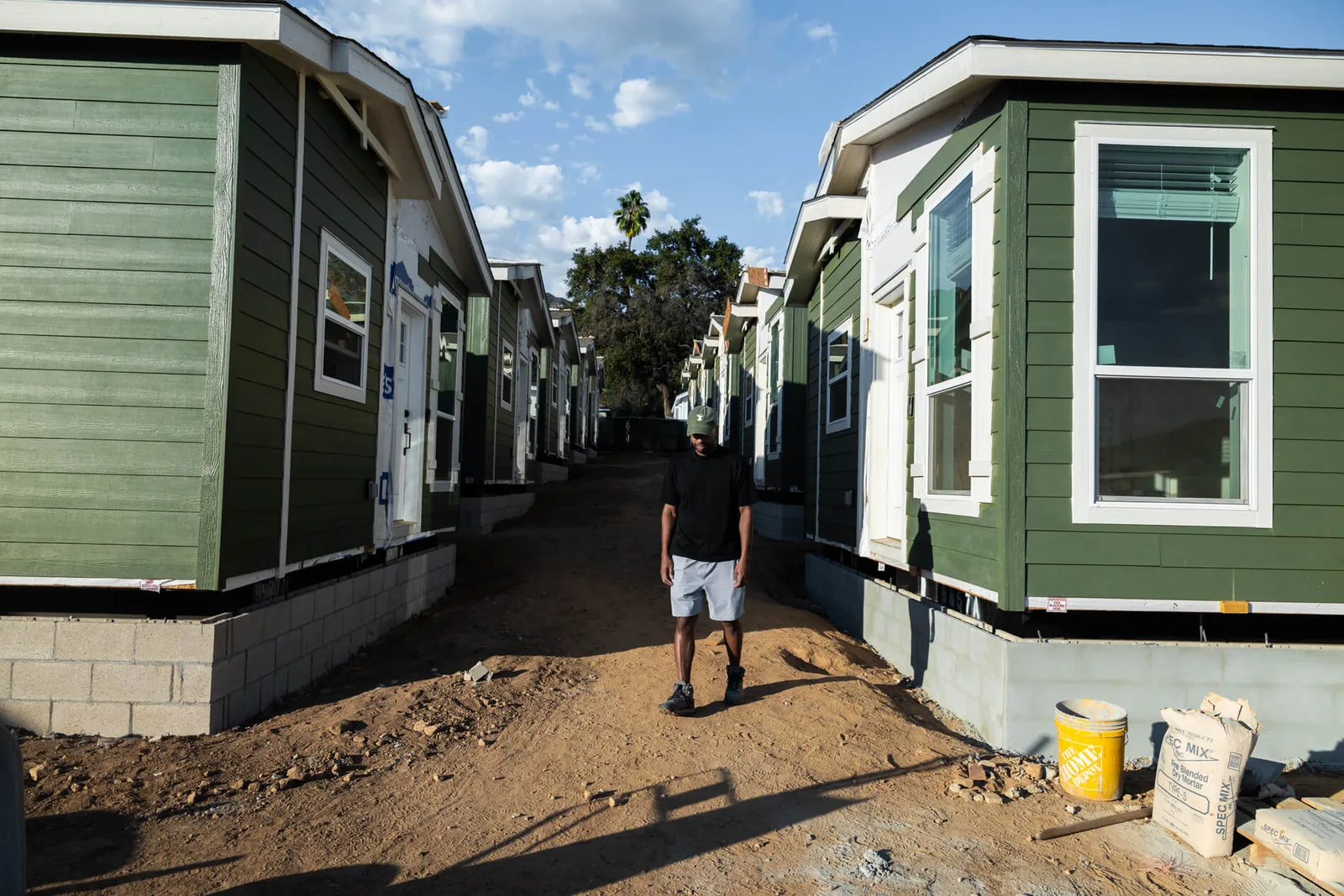
That imbalance helped push the Eaton Fire Collaborative to back a fifteen-million-dollar rebuilding-equity fund, a third earmarked for homeowner shortfalls and the rest for land banking so displaced tenants have somewhere affordable to return to. Tenants have mostly been an afterthought: Katie Clark, a seventeen-year renter who helped found the Altadena Tenants Union after her own place burned, says her landlord has told her essentially nothing about rebuilding. One scheme shows what that renter-focused money could do: a damaged fourteen-unit bungalow complex was sold rather than rebuilt, picked up by nonprofit Beacon Housing for $1.6 million and now being reconstructed unit-for-unit as prefabricated housing with $5.8 million from the Altadena Builds Back Foundation, at capped rents with a guaranteed return for former tenants.
A new state law puts density on hold
Few other sites can copy that model easily. A new state law, signed in September to keep Altadena land in Altadena hands, freezes for five years two statutes that would otherwise let owners split lots or add small multi-unit projects, except for affordable housing. That does not mean every local group opposes growth: Greenline plans to add accessory units on land it controls, something Shupper calls “gentle density.” Architect Michael Maltzan sees space for both, but warns the wider rethink, coordinating landowners, institutions and agencies, needs government to do more than issue permits and write cheques, largely its role so far.









Leave a comment