

Design Principles and Theory Hub
Design principles and architectural theory, from form and function to how a space feels
Learn Architecture's guides on design principles and theory in one place: the core ideas of architecture, form, geometry and proportion, how a concept grows into a scheme, how buildings shape emotion and daily life, approaches such as parametric and biophilic design, and the architects and books behind the ideas.
Start with the core principles →Explore form and geometry →Updated November 2026
Most read design theory guides
The guides readers open most often from Google search, based on the last 90 days.
- 1
 SWOT Analysis in Architecture: A Strategic Approach to Successful Design Projects6 min read
- 2Shapes in Architecture: A Complete Visual Guide to Geometric and Organic Forms8 min read
- 3Exploring the Role of Shapes in Architecture: Design, Function, and Cultural Influence8 min read
- 4Architectural Composition: Form, Balance, and Order4 min read
- 5The Role of Fractal Geometry in Architecture: Transforming Design and Sustainability7 min read
A learning route through design principles
New to architectural theory? Read these nine guides in order, from the basic principles to shaping a design and reading the work of other architects.
The core principles of architecture, the language of shapes and the balance of form and function.
Use proportion and composition, then grow a first idea into a concept.
See how architecture shapes feeling, how one architect built a body of work and what to read next.
Core Principles of Architecture
What architecture rests on: function, durability and beauty, the balance of form and function, and why design needs theory at all.
Guides and examples


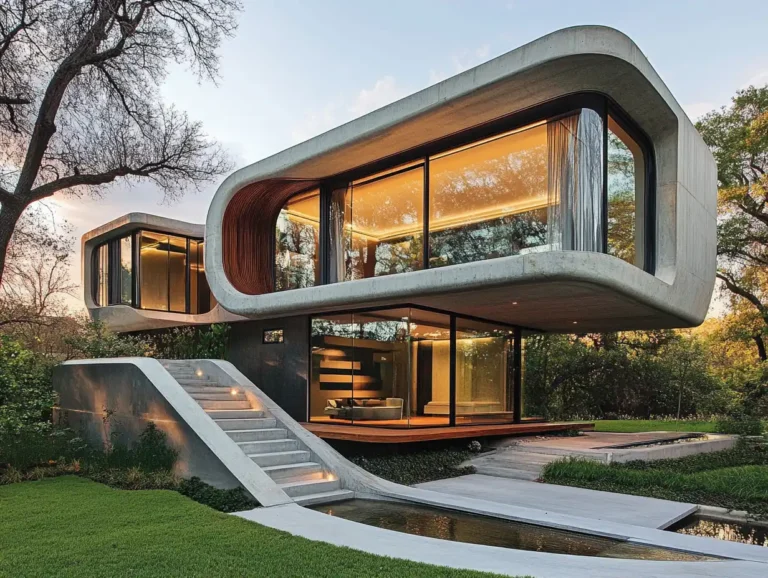

Form, Geometry and Proportion
Shapes, composition, proportion, scale and fractal geometry, and how each one changes the way a building reads.
Guides and examples
 Shapes in Architecture: A Complete Visual Guide to Geometric and Organic Forms
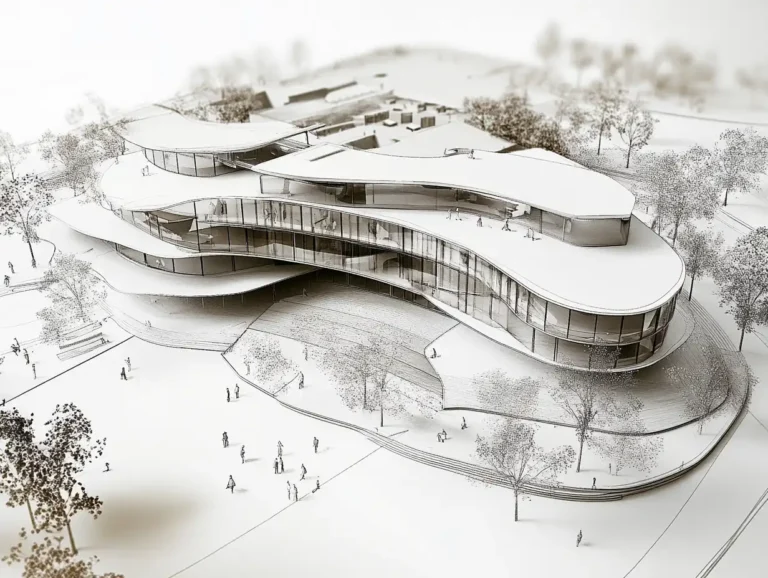 Exploring the Role of Shapes in Architecture: Design, Function, and Cultural Influence
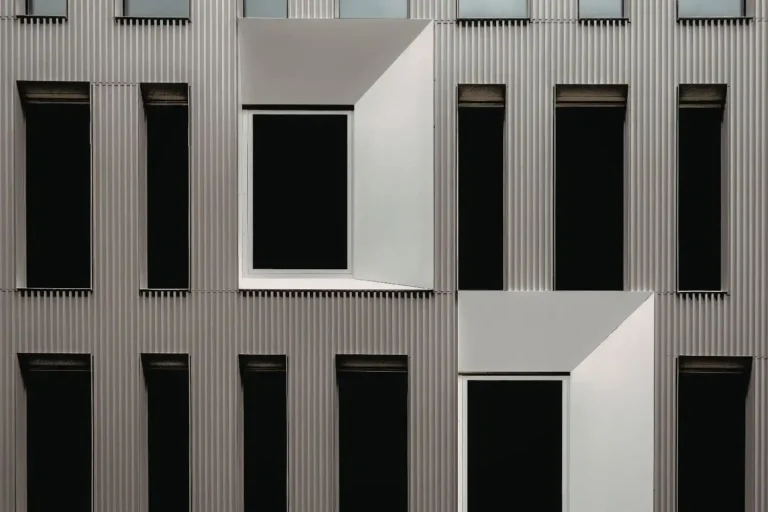 Architectural Composition: Form, Balance, and Order
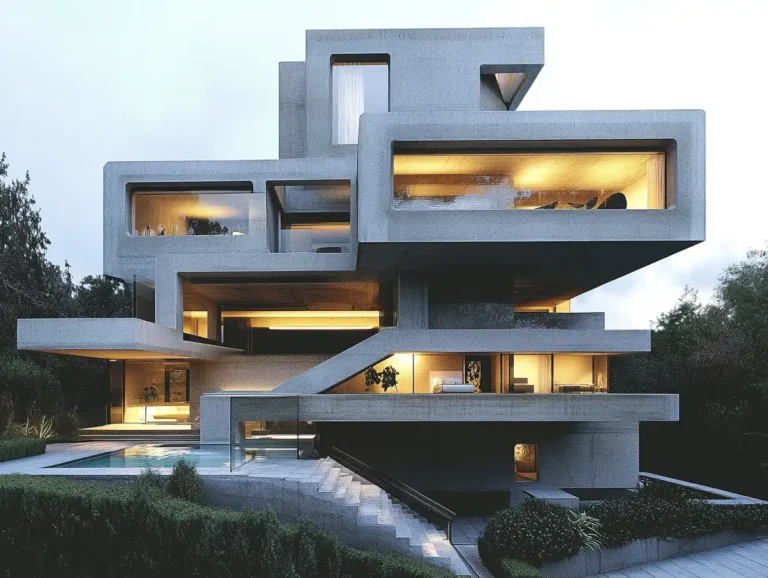 Why Should Architects Pay Attention to Proportion in Design?
 The Impact of Scale and Architecture on Human Experience and Urban Design
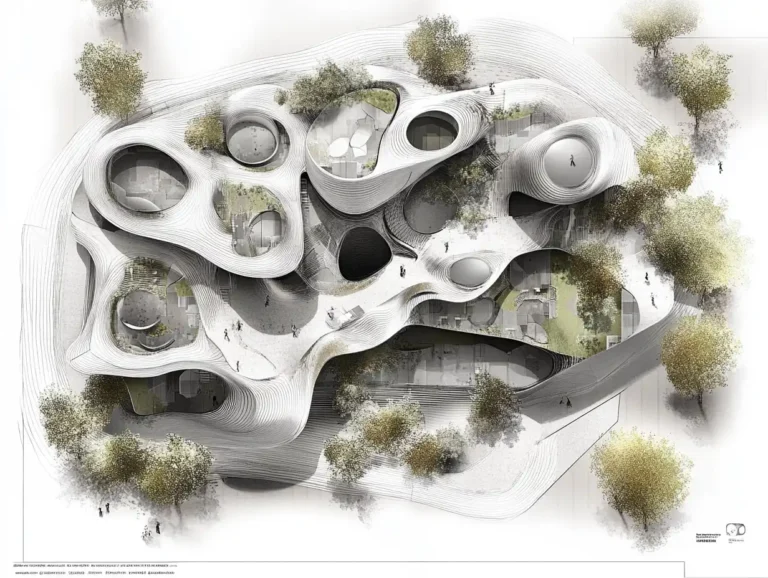 The Role of Fractal Geometry in Architecture: Transforming Design and Sustainability
From Concept to Scheme
How a design idea starts and grows: concept development, SWOT analysis, sketches, models, AI image tools and schematic design.
Guides and examples
 Architectural Concept Development
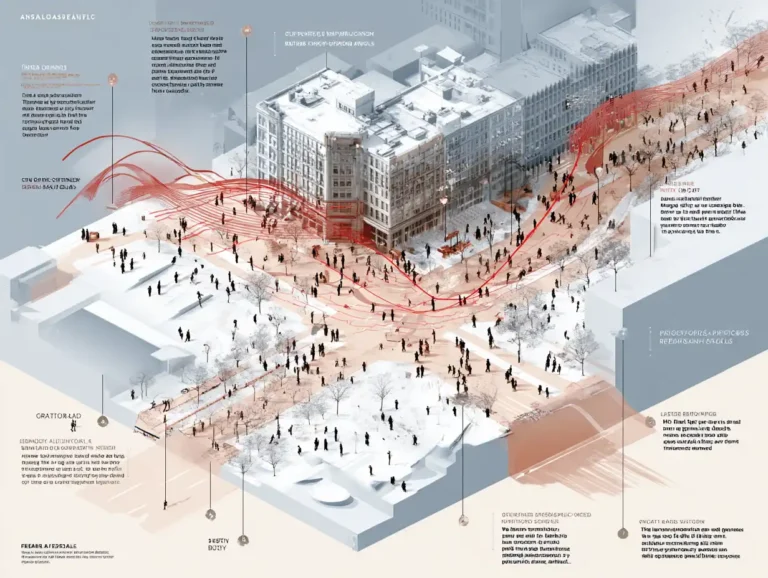 SWOT Analysis in Architecture: A Strategic Approach to Successful Design Projects
 Transforming Interior Architecture: Concept Development with Sketches
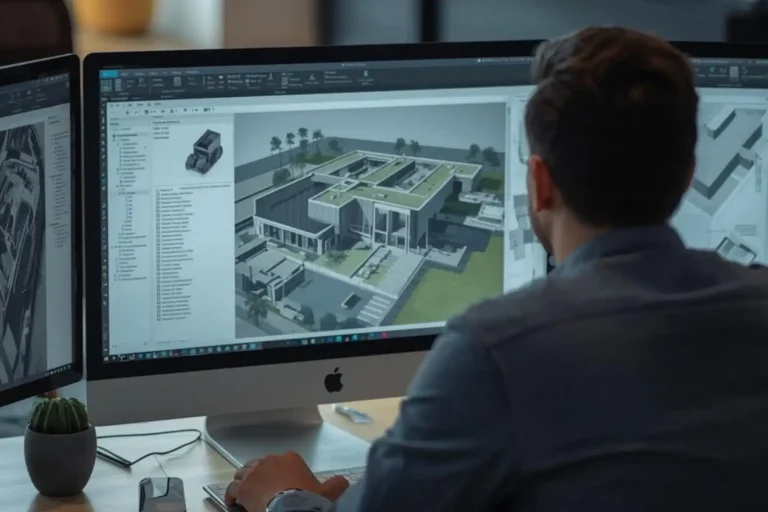 Architecture Concept Models: Why Physical and Digital Models Both Matter
 How to Use Midjourney for Architecture Concept Design
 Unlocking Schematic Design in Architecture: From Concepts to Plans
Experience, Senses and Wellbeing
How architecture shapes emotion, daily routines and the senses, and how form, light and graphics guide people through a space.
Guides and examples
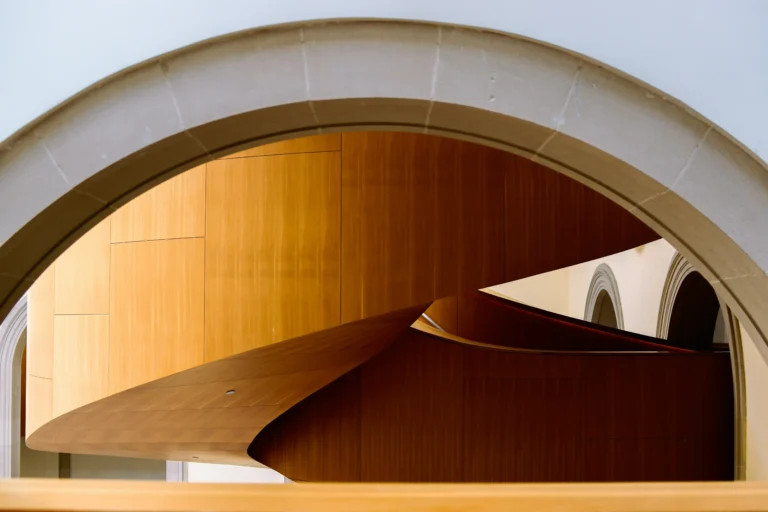 How Architecture and Emotions Shape Our Experience
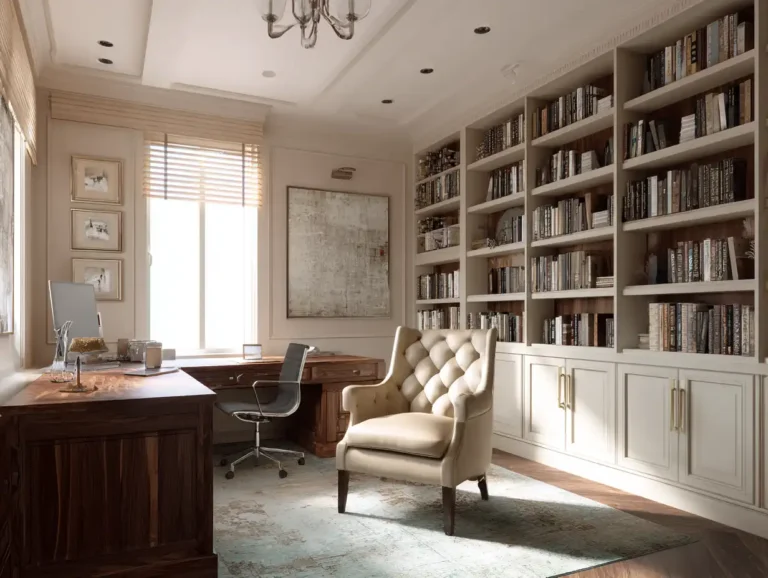 How Architecture’s Influence on Daily Routines Shapes Our Lives and Well-Being
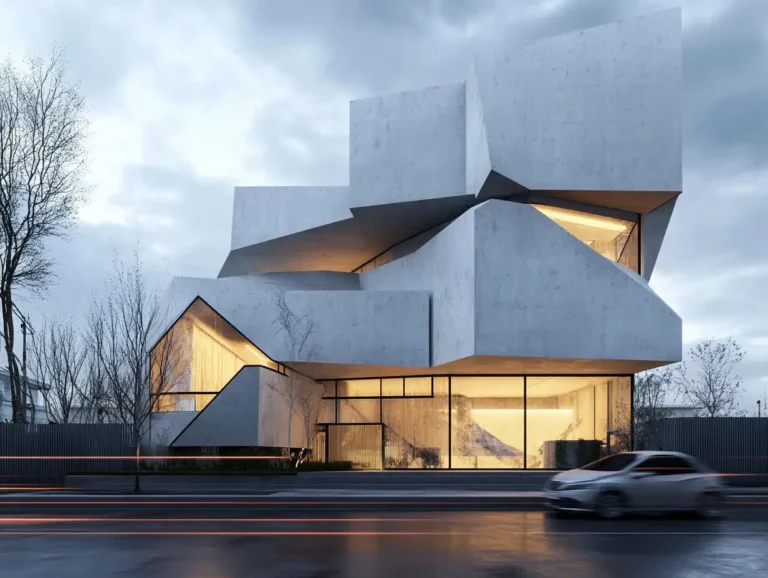 The Impact of Architectural Form on Culture, Functionality, and User Experience
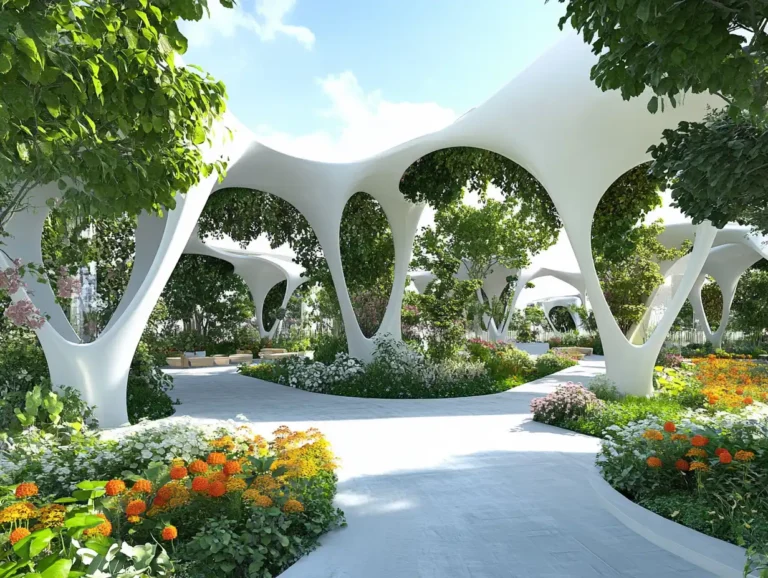 Transform Your Space: The Power of Multisensory Design for Memorable Experiences
 Architectural Lighting Design: Principles That Shape Space
 Architecture & Graphic Design: Visual Communication That Shapes How We Navigate, Feel, and Remember Spaces
Design Approaches
The principles behind parametric, sustainable and biophilic design, and how materials shape the character of modern buildings.
Guides and examples
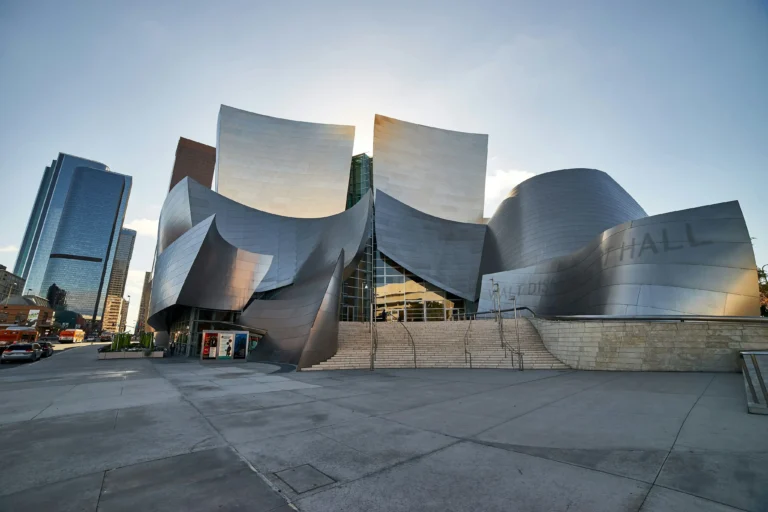 Key Principles of Parametric Architecture You Should Know for Innovative Design
 Sustainable Architecture: A Complete Guide to Principles, Materials and Certification
 Biophilic Design Principles: How Nature Shapes Better Buildings
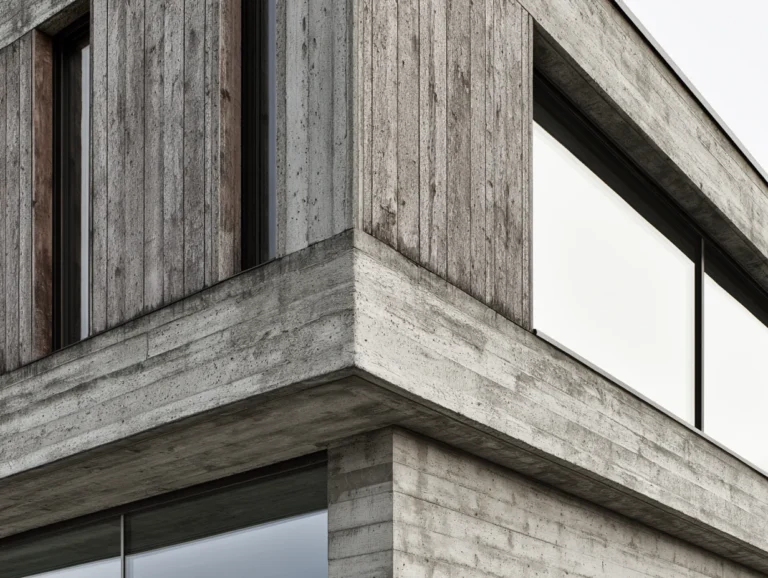 Contemporary Materials in Architecture: How Materiality Shapes Modern Design
Architects, Movements and Books
How Le Corbusier, Zaha Hadid and Renzo Piano turned ideas into buildings, how modernism tied form to function, how styles shape cities, and the books architects keep coming back to.
Guides and examples
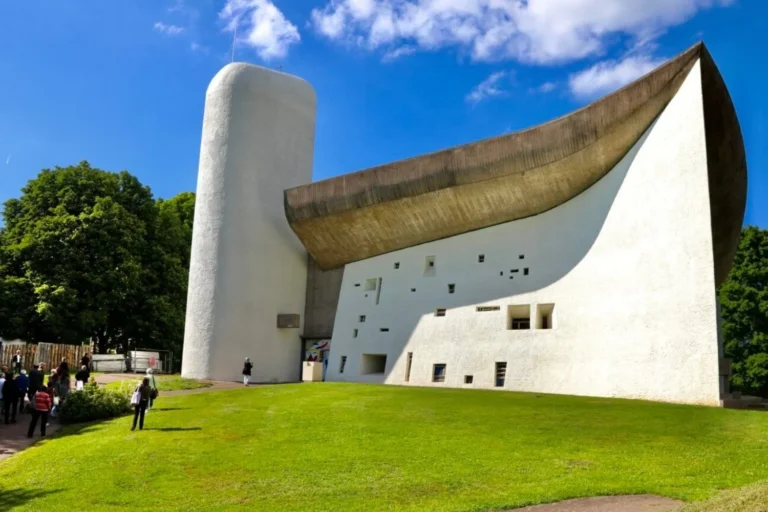 Le Corbusier Architecture: 8 Groundbreaking Works That Shaped Modernism
 Zaha Hadid Architecture: Style, Buildings, and a Legacy That Reshaped Design
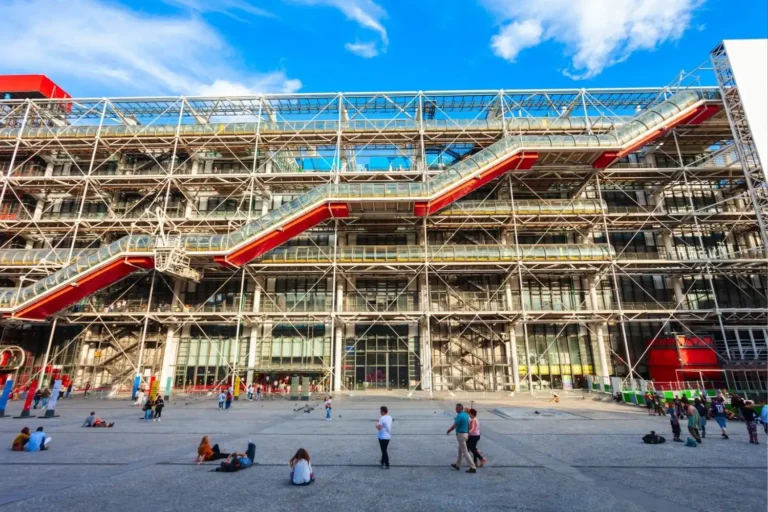 Renzo Piano’s Civic Architecture: Public Buildings That Transform Cities
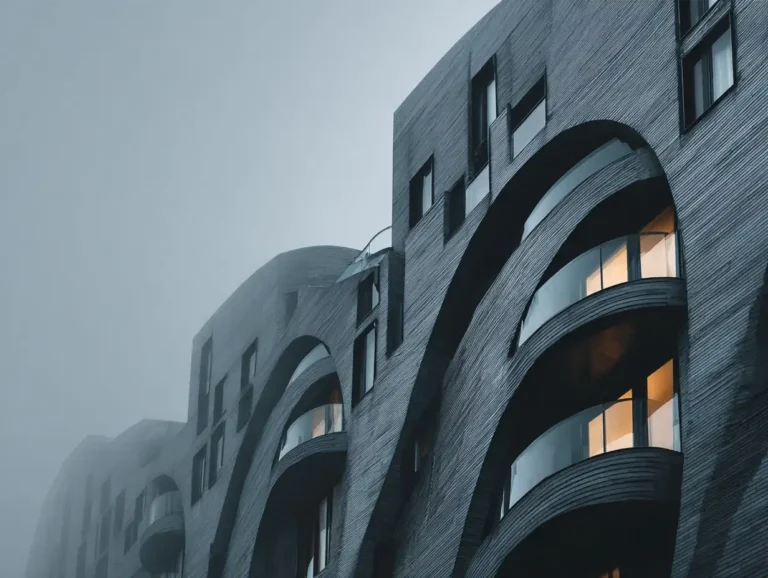 Form, Function, and Modernism in Architecture
 How Architectural Styles Shape Urban Development: Exploring Design’s Impact on Cities
 Top 10 Must-Read Books for Architects: Theory, History, and Practice
Key design ideas and why they matter
Each idea gives you a different lens for reading and shaping a building. Use this table as a quick reference, then open the guide for examples.
| Idea | What it means | Why it matters | Guide |
|---|---|---|---|
| Vitruvian triad | Function, durability and beauty | A design that fails its purpose is not a success, however good it looks | Read → |
| Form and function | Form is shape, structure and look; function is use | Good buildings balance how they look with how they work | Read → |
| Shape | Geometric shapes and organic curves | Geometric forms read as order, organic ones as movement | Read → |
| Composition | Arranging parts so the building holds together | Makes a building legible, so people know where to go | Read → |
| Proportion | How parts relate to each other and to the whole | Creates the harmony and balance people respond to | Read → |
| Scale | Size in relation to the human body and surroundings | Shapes comfort and how people perceive a space | Read → |
| Fractal geometry | Patterns that repeat at different scales | Brings the self-similarity of nature into design | Read → |
| Biophilic design | Natural elements, patterns and processes in buildings | Supports occupant health, mood and productivity | Read → |
Frequently Asked Questions
What are the basic principles of architecture?
A classic answer is the Vitruvian triad: function, durability and beauty. Our core principles guide explains each one and why sustainability and cultural relevance now sit alongside them.
What is the difference between form and function?
Form is the shape, structure and look of a building, while function is what the building is used for and how well it serves that use. Good design balances the two.
Why do proportion and scale matter?
Proportion is how the parts of a building relate to each other and to the whole, and scale is size measured against the human body and the surroundings. Both shape whether a space feels comfortable, calm or imposing.
How do I develop an architectural concept?
Start from the brief, the site and a clear main idea, then test it with sketches and models before moving into schematic design. The concept section walks through each step and tool.
Which books on architectural theory should I read?
Our list of must-read books for architects covers theory, history and practice, and the architect guides show how ideas turned into buildings.
Explore more hubs
Every Learn Architecture hub collects the guides and free tools for one subject. Pick the next one for your project.
All free tools →Browse all articles →


