Climate and Site Analysis Hub
Climate and site analysis, from the first sun study to green roofs
Learn Architecture's free climate tools and guides in one place: chart your site's climate, sun path and wind, read the site and its context, design with passive heating and cooling, and choose facades, materials, landscape and certifications that suit the place.
Open the free tools →Start with designing for climate →Updated November 2026
Most read climate and site guides
The guides readers open most often from Google search, based on the last 90 days.
- 1
 Adaptive Architecture: Redefining Sustainable, Flexible, and Smart Building Design8 min read
- 2Overheating in Buildings: Causes, Impacts, and Sustainable Solutions6 min read
- 3The Growing Relevance of Landscape Architecture for Sustainable Urban Environments6 min read
- 4Water and Cities in Urban Design: Building Sustainable and Resilient Urban Environments7 min read
- 5Why Is Climate Consideration Crucial in Architecture? Building for Sustainability and Resilience7 min read
A learning route through climate and site analysis
New to climate responsive design? Read these nine guides in order, from why climate matters to reading the site and passive strategies, then to green roofs, green walls and certification.
Why climate shapes a building and what sustainable design sets out to do.
Map the site, then use mass and air movement to keep the building comfortable.
Add planted roofs and walls, then see how projects are rated and certified.
Free Climate and Site Tools
Five free tools for climate and site analysis: plot the sun's path, draw a wind rose, chart temperature and rainfall, check comfort on a bioclimatic chart and estimate the daylight factor of a room. They run in the browser with no account.
All free tools →Designing for Climate
Why climate shapes a building from the first sketch, with lessons from vernacular and adobe buildings, hot and extreme climates and the risk of overheating.
Free tools for this step
Guides and examples
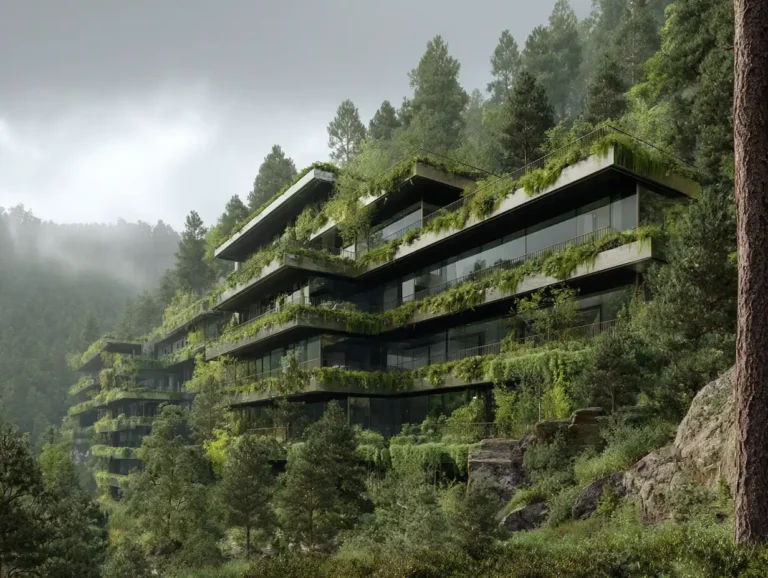 Why Is Climate Consideration Crucial in Architecture? Building for Sustainability and Resilience
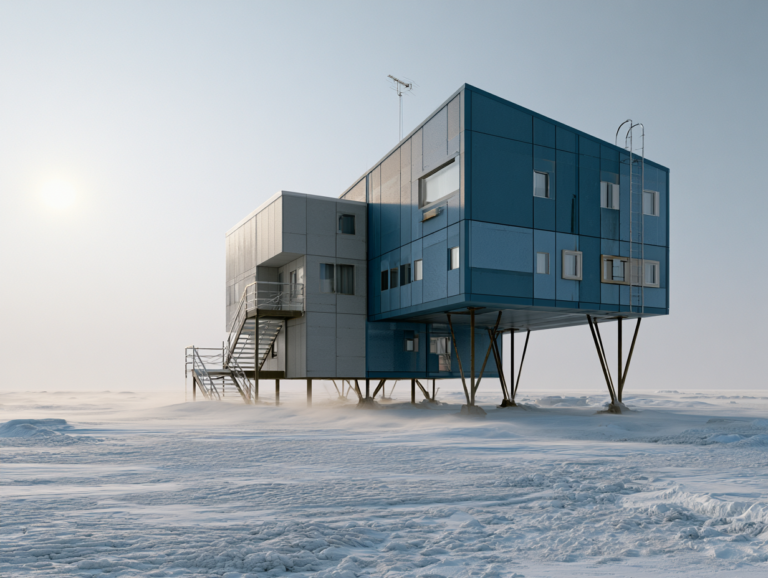 Extreme Climate Architecture: Designing Buildings for Harsh Environments
 Exploring Sustainable Solutions through Vernacular Architecture
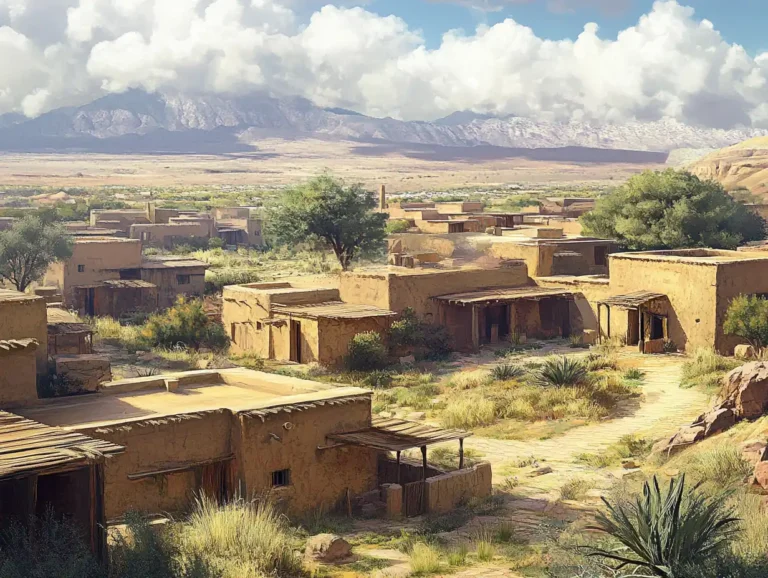 Exploring Adobe Architecture: Timeless Techniques for Sustainable Living
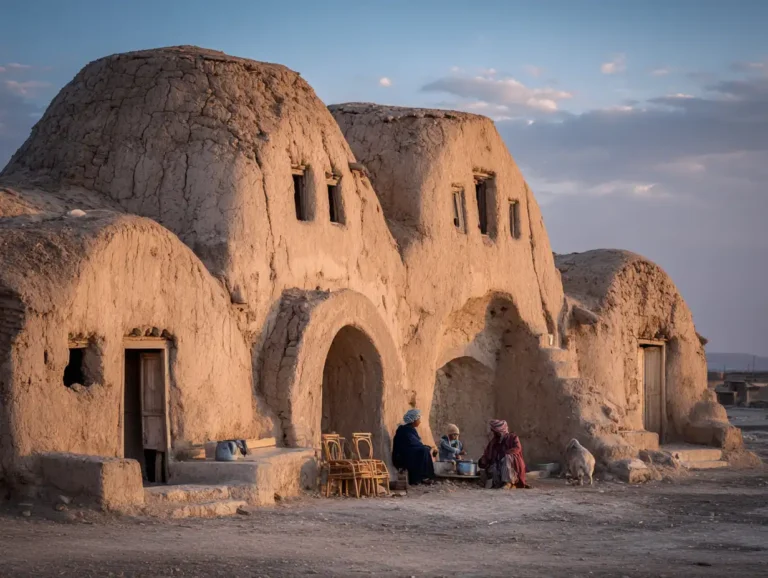 Designing Homes That Stay Cool in Hot Climates
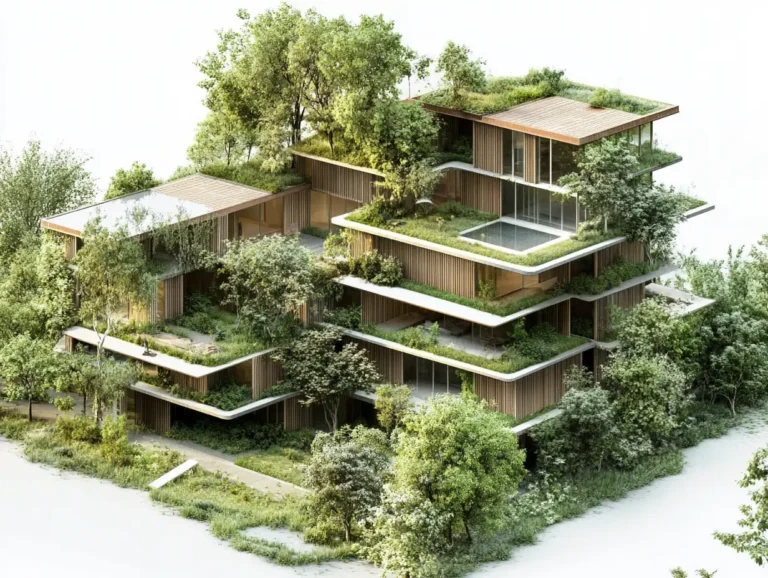 Overheating in Buildings: Causes, Impacts, and Sustainable Solutions
Site Analysis and Context
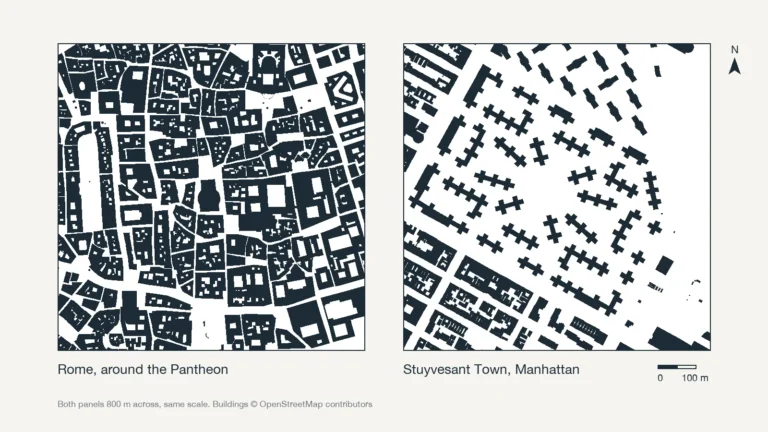
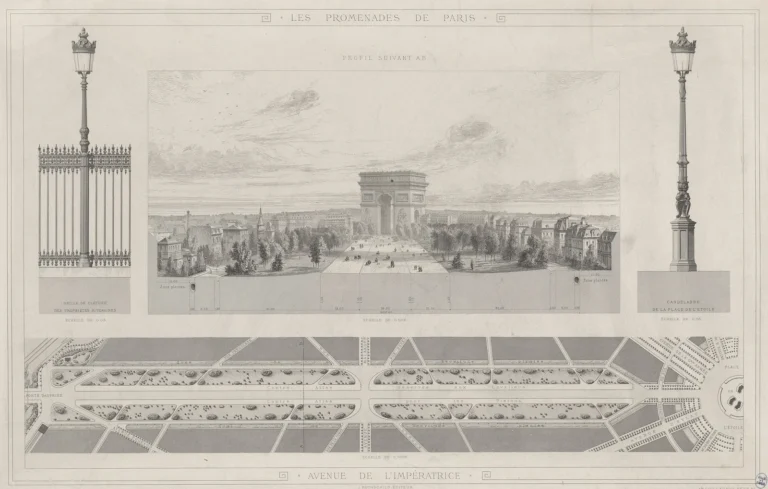
Read a site before you design on it: map it with GIS data, study its urban grain with a figure ground diagram, draw the street that serves it and plan with the landscape in mind.
Free tools for this step
Guides and examples

Passive Heating and Cooling
Use the building itself to stay comfortable: thermal mass, Trombe walls, natural and passive ventilation, adaptive design and alternatives to air conditioning.
Free tools for this step
Guides and examples
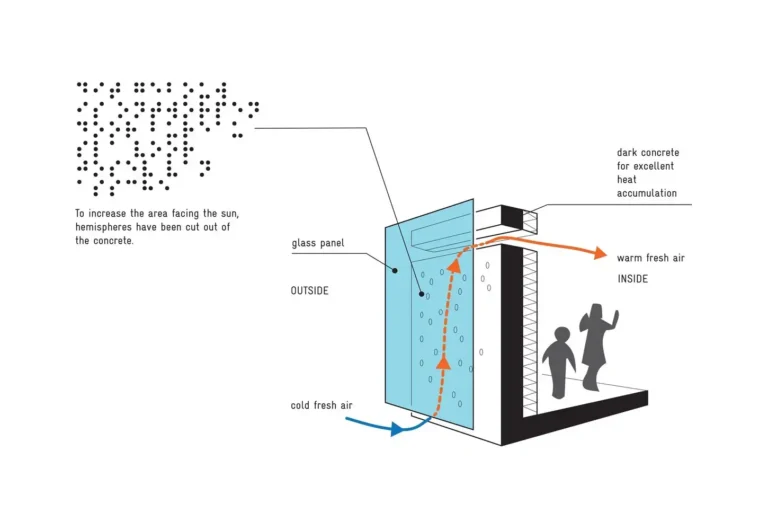 What Is a Trombe Wall? How Passive Solar Design Keeps Heating After Dark
 Thermal Mass in Building Design: What It Is and How to Use It
 Designing for Natural Ventilation in Warm Climates: Strategies That Actually Work
 Passive Ventilation Strategies for Sustainable Architecture
 Sustainable Alternatives to Air Conditioning in Architecture: Strategies That Actually Work
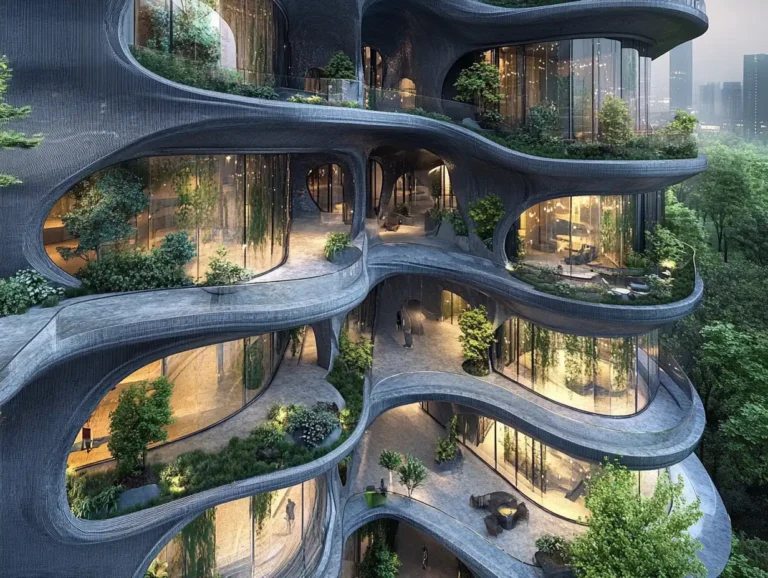 Adaptive Architecture: Redefining Sustainable, Flexible, and Smart Building Design
Facades, Green Walls and Roofs
The building skin does much of the climate work: dynamic and biophilic facades, green walls, vertical gardens, roof gardens and green roofs.
Free tools for this step
Guides and examples
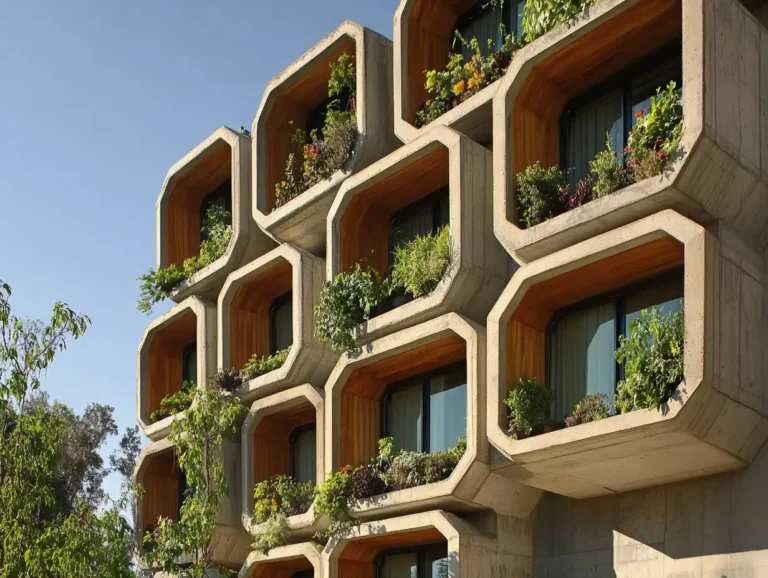 Top Trends in Dynamic Facade Design You Need to Know for Sustainable Architecture
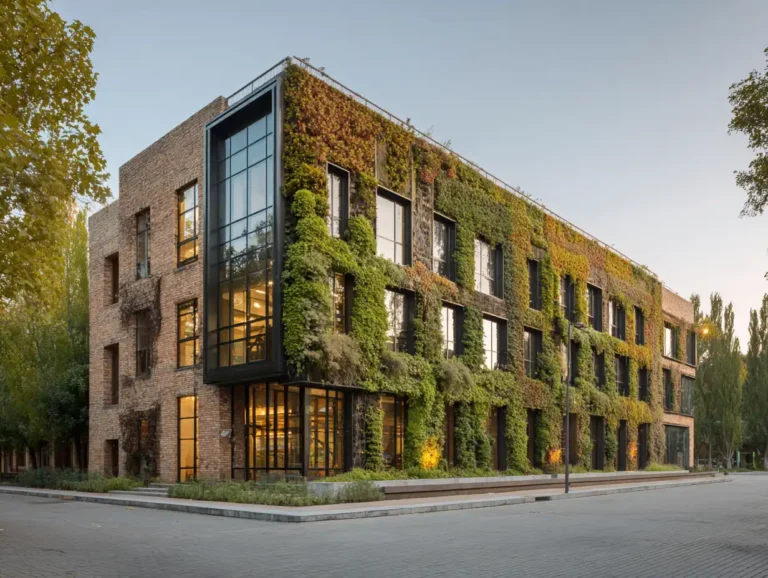 Exploring the Role of Facade in Sustainable Architecture: Design, Innovation, and Efficiency
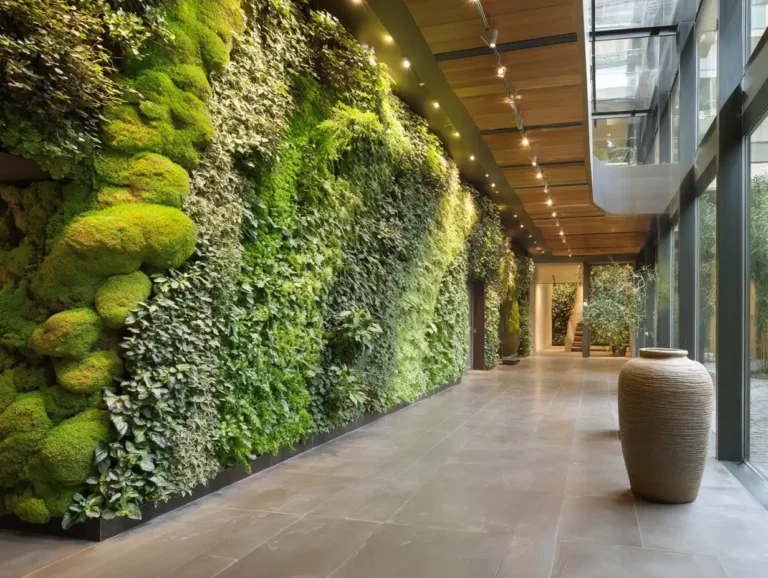 The Role of Green Walls in Sustainable Architecture: Benefits, Types, and Future Trends
 Biophilic Exteriors: Sustainable Facades & More
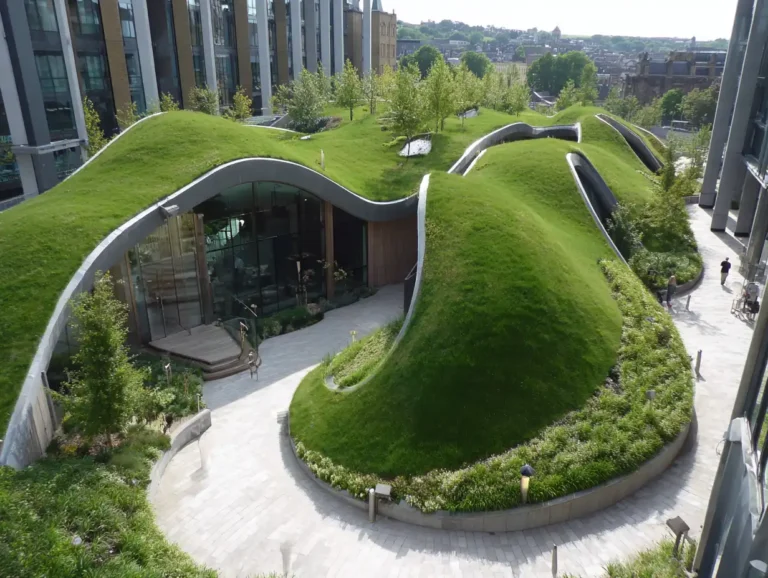 The Growth of Green Roofs in Urban Design: From Niche to Norm
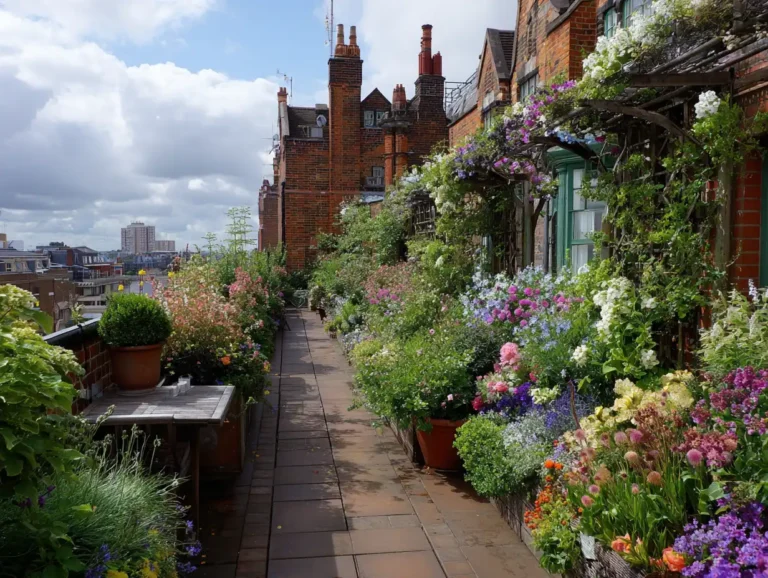 Why Roof Gardens Are Becoming Common in Cities
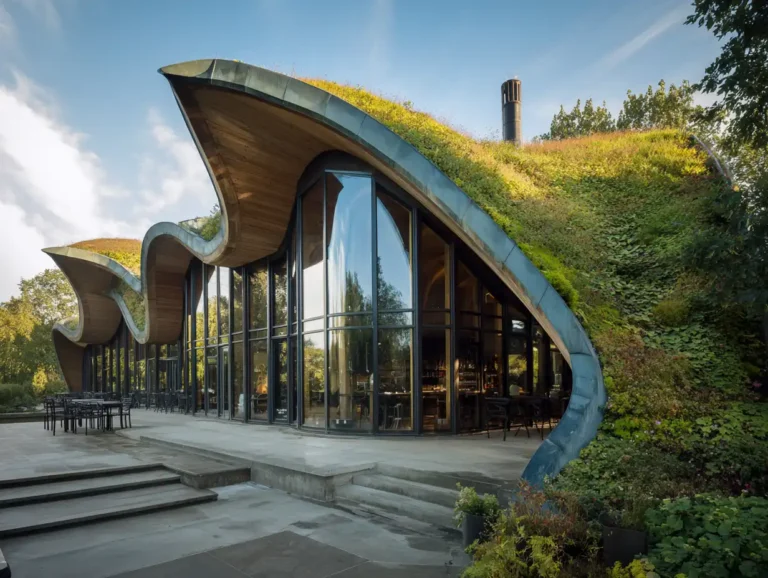 Innovative Design of Roofs in Sustainable Architecture for a Greener Future
 Vertical Gardens: The Future of Sustainable Urban Living
Materials, Energy and Water
Lower impact materials such as wood, bamboo and bio-based products, the reuse of waste, renewable energy, smart building systems and water management.
Guides and examples
 Top Eco-Friendly Materials and Design Strategies for Sustainable Architecture
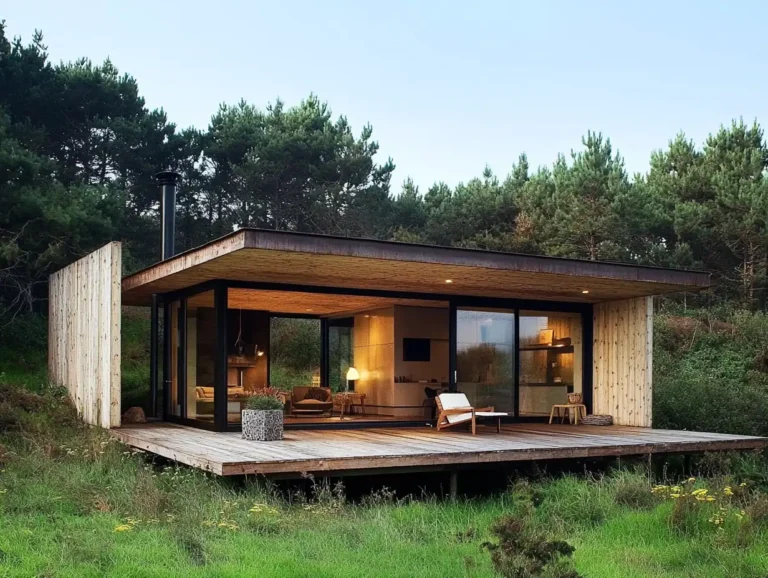 Why Shifting to Bio Materials is Necessary for a Sustainable Future
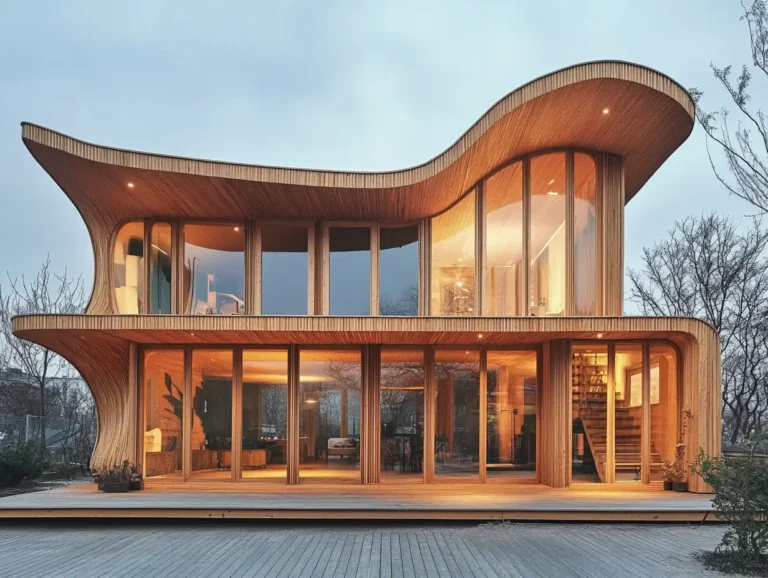 The Importance and Advantages of Wood in Architecture for Sustainable Design
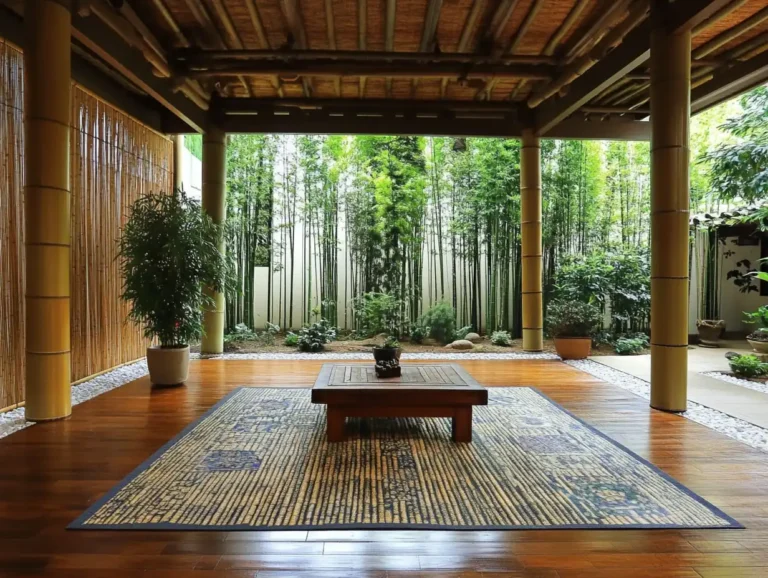 Bamboo and Asia: Is It the Future of Sustainable Living?
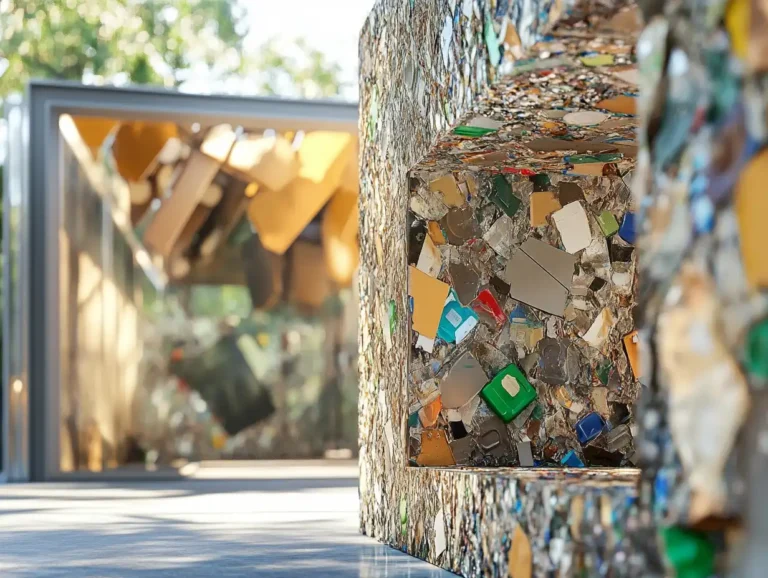 Innovative Approaches to the Reuse of Waste in Architecture for a Sustainable Future
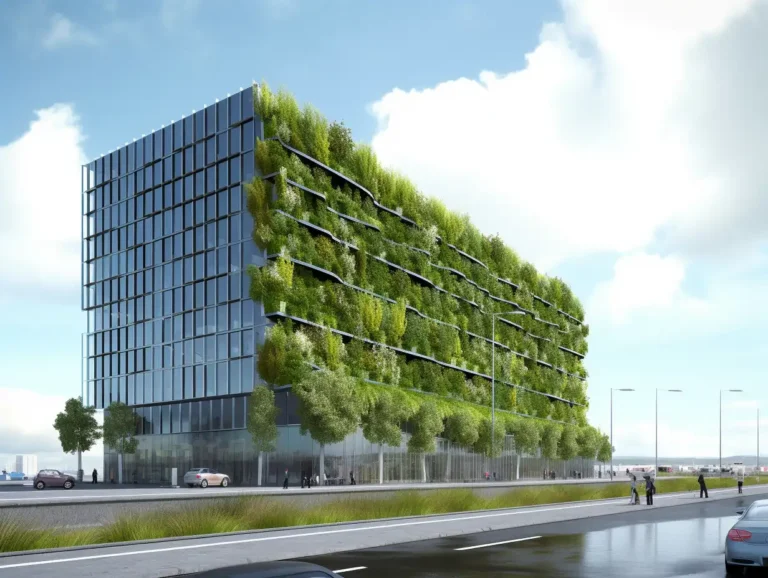 Transforming Buildings: The Role of Renewable Energy in Architecture for a Sustainable Future
 Effective Strategies for Sustainable Water Management in Buildings for a Greener Future
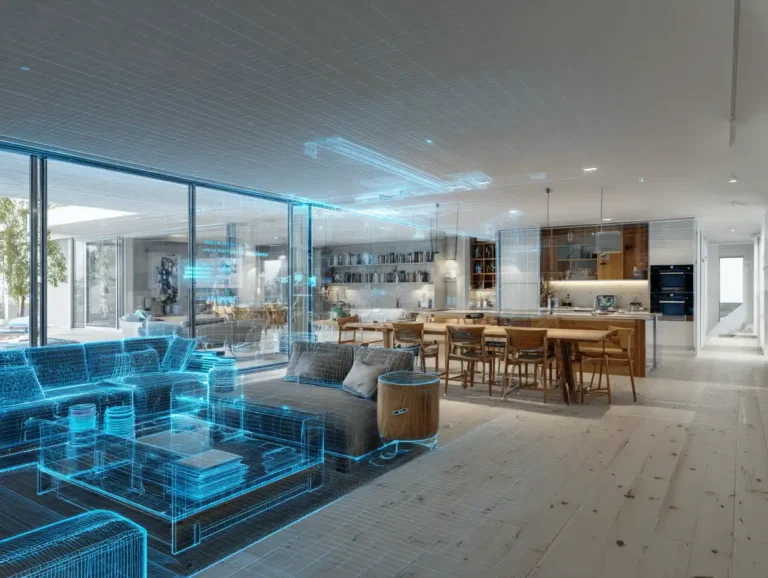 What Architects Need to Know About Smart Building Systems for Sustainable Design
Sustainability Goals, Certification and Cost
What sustainable architecture sets out to do, how LEED, BREEAM and WELL compare, what green design costs and how it is financed, with built examples.
Guides and examples
 Discover the 5 Key Aims of Sustainability in Architecture
 Exploring the Role of Sustainable Architecture in Combating Climate Change
 Sustainable Building Certifications: LEED, BREEAM, and WELL Compared
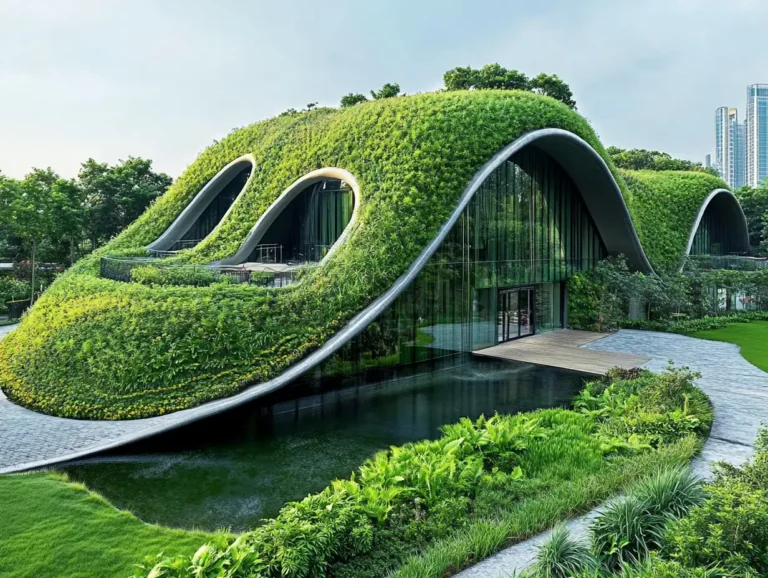 Understanding the Cost of Green Architecture Design: Investments and Long-Term Benefits
 Unlocking Green Architecture Financing: Essential Strategies for Sustainable Projects
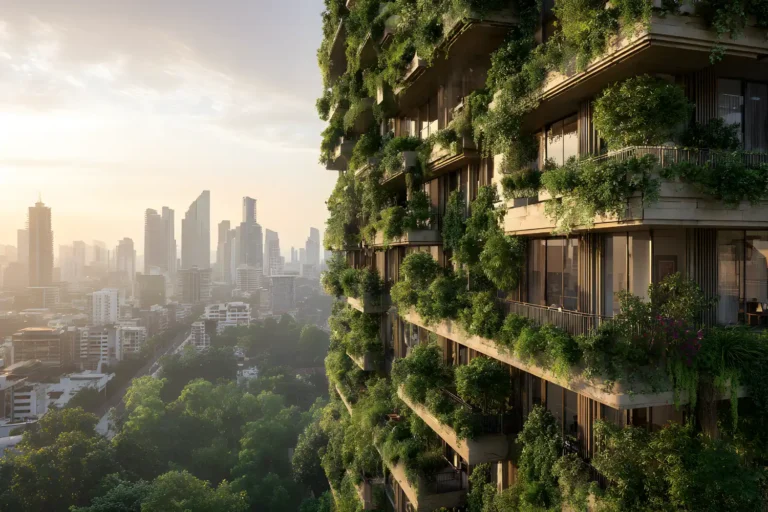 8 Impressive Green Architecture Projects That Are Redefining Sustainable Design
Landscape and Green Cities
Landscape architecture, water in cities, biophilic urban spaces and garden design that ties a building to its site.
Guides and examples
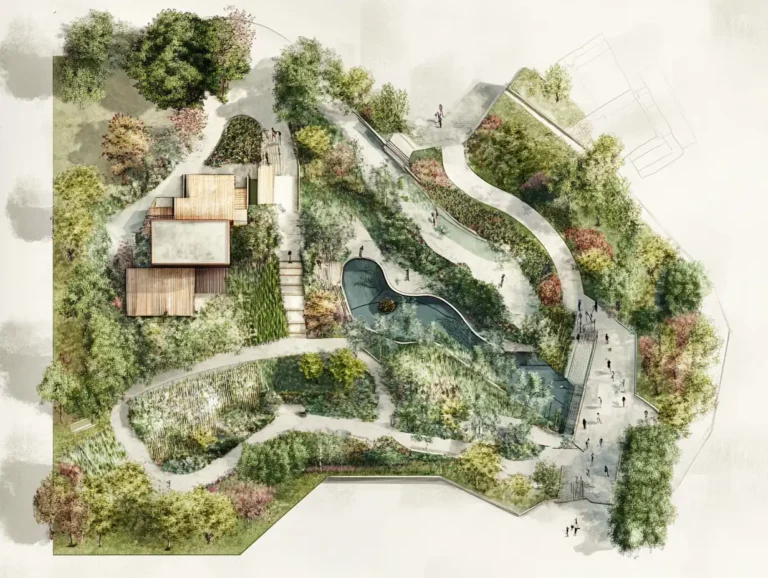 The Growing Relevance of Landscape Architecture for Sustainable Urban Environments
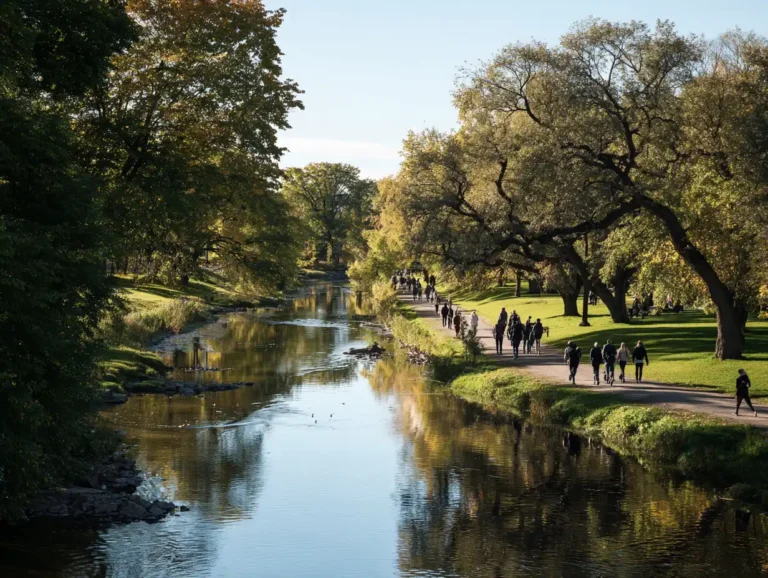 Water and Cities in Urban Design: Building Sustainable and Resilient Urban Environments
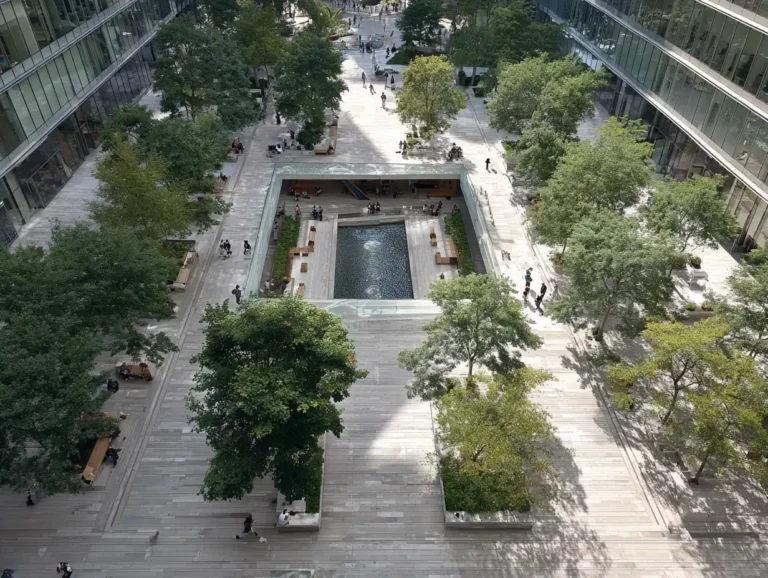 Biophilic Design in Urban Spaces: Turning Cities Into Living Systems
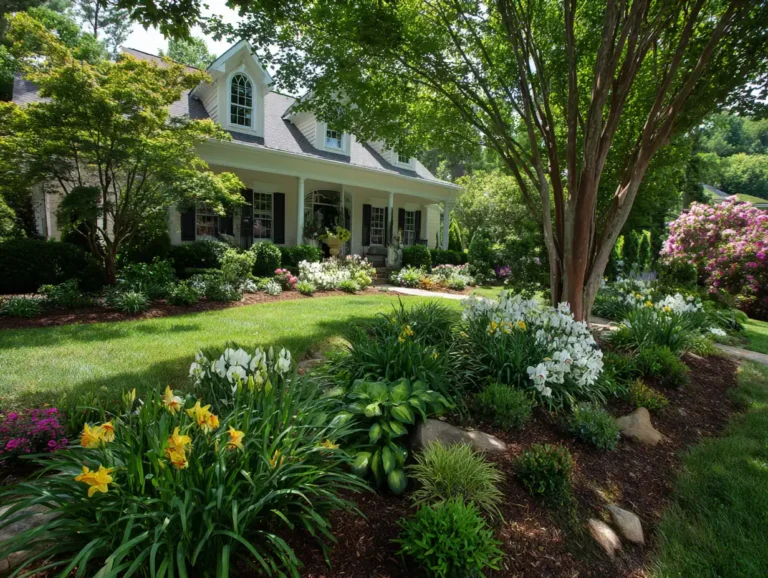 Essential Landscape Details You Need to Know for Stunning Outdoor Spaces
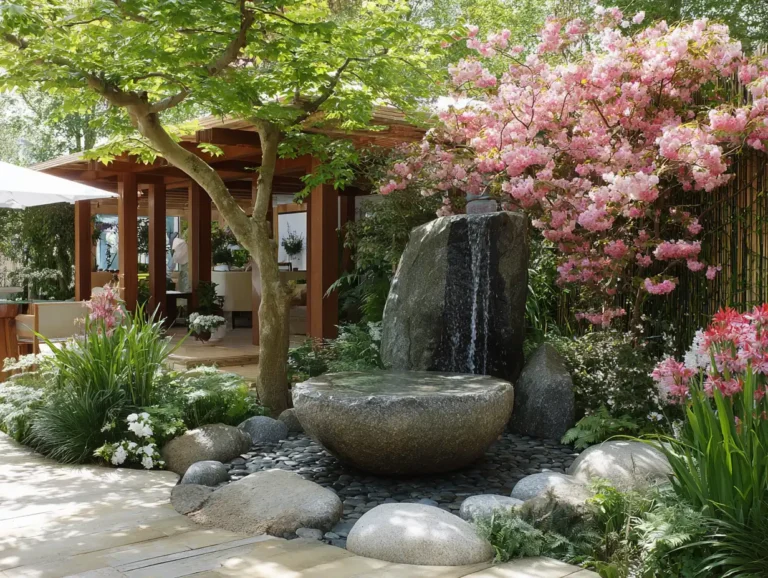 Exploring Japanese Garden Design: Beauty, Symbolism, and Tranquility in Nature
 The Ultimate Guide to Crafting the Perfect Landscape for Modern Buildings
Passive strategies at a glance
Each strategy suits some climates better than others. Check your site with the free tools, then open the guide for design details.
| Strategy | How it works | Works best | Guide |
|---|---|---|---|
| Trombe wall | A 200 to 400 mm masonry wall behind glass stores sun heat | Where rooms need heat after dark | Read → |
| Thermal mass | Dense materials absorb heat by day and release it slowly | Dry climates with a wide day to night swing | Read → |
| Natural ventilation | Openings, orientation and stack effect move air | Warm climates, with night purging on hot dry sites | Read → |
| Adobe walls | Sun-dried earth and straw blocks with high thermal mass | Arid regions | Read → |
| Green roof | Plants and growing media over a waterproofed roof deck | Cities that need cooling and stormwater control | Read → |
| Green wall | Plants grown up a wall or facade | Dense cities, for temperature, noise and air quality | Read → |
| Dynamic facade | Louvers and shading that adjust to conditions | Controlling glare, daylight and heat | Read → |
Frequently Asked Questions
What is site analysis in architecture?
Site analysis is the study of a site before design starts: its climate, sun and wind, terrain, access and surrounding context. It tells you where to place the building, its openings and its outdoor spaces.
How do I make a sun path diagram for my site?
Enter the location and date in the free sun path diagram generator. It plots the sun's path so you can check how sun reaches facades and outdoor spaces through the day.
What does a wind rose show?
A wind rose shows how often the wind blows from each direction, and how strongly, over a period such as a year. Architects use it to place openings for ventilation and to shelter outdoor spaces.
What is a bioclimatic chart?
A bioclimatic chart places each month of a climate on a temperature and humidity chart beside a comfort zone, and shows which passive strategies, such as solar gain, thermal mass or ventilation, can bring it back to comfort.
Are the tools on this page free?
Yes. The sun path, wind rose, climate graph, bioclimatic chart and daylight factor tools run in your browser, are free to use and do not need an account.
Explore more hubs
Every Learn Architecture hub collects the guides and free tools for one subject. Pick the next one for your project.
All free tools →Browse all articles →