


Table of Contents Show
Looking for a simple way to add a reflective finish to your home or next creative project? Acrylic mirror sheets are interesting alternatives to traditional glass mirrors. They offer a similar shiny appearance in a material that’s lighter and easier to work with. It’s also less prone to breaking, making it a practical option for a variety of settings. From decorative wall features and furniture accents to shop displays, signage, and DIY projects, these sheets can be used in plenty of creative ways. I’ll talk about its main advantages, popular applications and the things to consider before choosing a sheet.
Explaining Acrylic Mirror Sheets
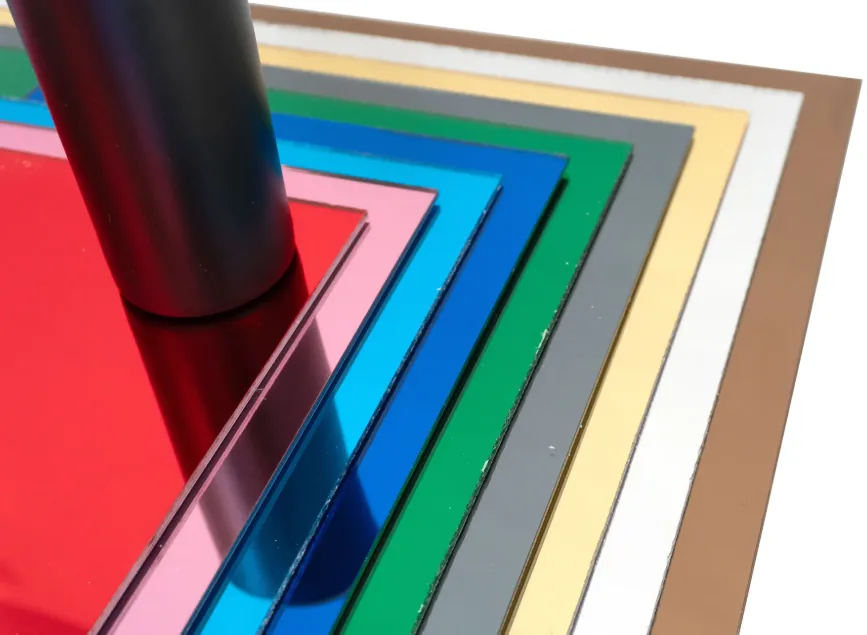
These sheets give you a similar reflective finish to glass mirrors, without the extra weight and fragility. They’re made from a durable plastic called polymethyl methacrylate (PMMA), with a reflective coating applied to one side to create the mirror effect. One of the biggest advantages of lightweight acrylic mirrors is their weight. They’re considerably easier to lift, carry, and position than a glass mirror of the same size, which can make installation much simpler, especially when working with large panels or mounting them on walls. Their lighter weight also puts less strain on supporting surfaces and makes them easier to handle during DIY projects. Several features make these designs useful for both decorative and practical applications:
- Lightweight construction: Much lighter than glass, they’re easier to transport, cut, and install, even when working with larger pieces.
- Shatter resistance: They won’t break into sharp fragments like ordinary glass, making them a safer option for homes, children’s spaces, and public areas.
- Flexible material: Acrylic has some natural give, allowing it to work with certain curved designs and more creative installations.
- Good durability: It handles moisture well and can be suitable for outdoor use, provided the product is designed for those conditions.
- Customisable shapes: The sheets can be cut into different sizes and designs, making them useful for everything from decorative details to larger panels.
Remember that acrylic can scratch more easily than glass, so careful handling and suitable cleaning methods are important. With the right installation and a little maintenance, these sheets can provide an attractive reflective finish in all sorts of spaces.
What are the Advantages of Acrylic Mirror Panels?
There are many reasons to consider these sheets instead of traditional glass. One of the most noticeable benefits is their low weight. They’re much easier to lift, carry, and position, particularly when you’re working with larger panels. This can make installation less demanding and may mean you don’t need the same heavy-duty fixings required for a glass mirror. They’re also convenient for projects where the panels might need to be moved or repositioned, whether you’re decorating a room, putting together a display, or working on a DIY project.
Safety is another important advantage. Glass can break into sharp pieces if it’s knocked or dropped, whereas acrylic mirrors are more resistant to impact and generally tend to crack rather than shatter into dangerous fragments. Although it isn’t completely break-proof, this makes it a useful option for busy areas, children’s rooms, dance studios, and other spaces where accidental knocks are more likely. You can enjoy a reflective surface without introducing quite the same risk associated with broken glass.
These sheets are also suitable for a range of environments because they handle moisture well and can resist outdoor conditions, depending on the product. Unlike metal, they won’t rust or corrode, and certain grades are designed to withstand exposure to sunlight and changing temperatures. This makes them worth considering for outdoor signs, decorative features, and other installations. They can scratch more easily than glass, so you’ll need to take care when handling and cleaning them, but their combination of low weight, impact resistance, and weather suitability makes them a practical material for many different projects.
Where Are They Commonly Used?
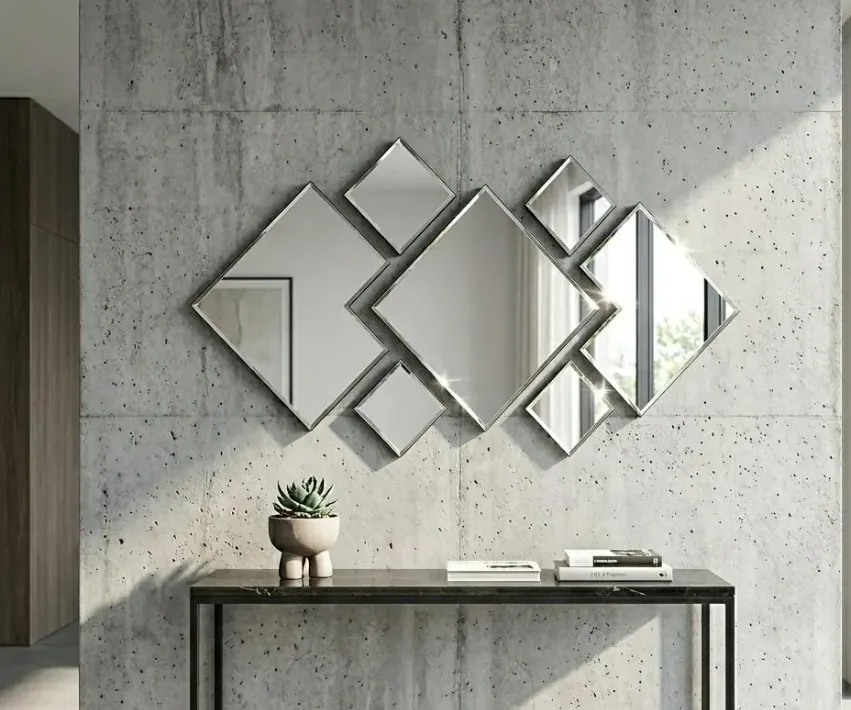
One of the best things about mirror plastic sheets is how easily they fit into different types of projects. Their reflective finish can brighten up a room, add an interesting detail to furniture, or help a business create a more eye-catching display. Since they’re lighter and less fragile than traditional mirrors, they’re also easier to work with in places where glass might not be the most practical choice. Here are a few ways you can put them to use:
- Home interiors: Use them in smaller rooms, narrow hallways, or darker corners to reflect light and make the space feel more open. They can also add a decorative touch to cabinet doors, furniture, splashbacks and feature walls.
- Retail and commercial spaces: Shops can incorporate reflective panels into product displays, window designs, and decorative features to draw attention to areas. Hotels, restaurants and reception spaces can also use them to create a brighter, more polished look.
- Gyms and dance studios: Larger panels can provide a reflective surface for people to check their movements during exercise, dance practice, or training sessions.
- Outdoor signage and decoration: When a sheet is specifically rated for outdoor use, it can be used for signs, garden features, and other decorative installations that need to withstand changing weather conditions.
- Art and DIY projects: Their reflective finish and ability to be cut into different shapes make them useful for wall art, sculptures, creative displays and handmade decorations.
The possibilities don’t stop there, as even a small piece can make an interesting addition to an otherwise ordinary design. You can experiment with different shapes, sizes, and placements to create anything from subtle decorative details to larger statement features. Just make sure you choose a suitable grade of material for the environment and the job you have in mind.
Different Types and Finishes
Acrylic mirror sheets come in more options than you might expect, so look beyond the standard silver finish. If you’re after something classic, silver gives you the familiar mirror effect and works well in everything from home interiors to shop displays. For a more decorative look, you can also find coloured versions in shades such as gold, rose gold, black, blue and red. These can bring warmth, contrast or a little extra personality to a design, particularly when used for signage, feature panels or creative projects.
The surface finish is another detail to consider. A polished sheet has a smooth, glossy surface that produces a clear reflection, making it suitable when you want a traditional mirror-like appearance. Matte or frosted finishes offer a softer effect by scattering light rather than reflecting it sharply. Consider them for decorative features or settings where a subtler finish is preferred.
There are also specialist options, including sheets with improved scratch resistance or greater protection against UV exposure. Some products come with specific backing or adhesive options to simplify installation, while others are manufactured to meet safety or fire-performance requirements. Before choosing, check the product specifications and think about where the sheet will be used. A finish that looks great indoors, for example, may not be suitable for an outdoor installation.












Leave a comment