


Table of Contents Show
The best documentaries every architect should see go beyond polished building shots. They show the arguments, failures, and personal costs behind the world’s most celebrated structures. The 10 films on this list cover a range of themes, from one son’s search for his architect father to the environmental politics of urban sprawl, giving you direct access to the thinking that shaped modern design.
Architecture is a discipline best understood through stories, not just plans. While books and lectures provide theory, film captures what static media cannot: how light changes inside a room over the course of a day, how a client reacts to an unfinished facade, or how a contractor solves a structural problem in real time. The documentaries below have been selected because each one reveals something you cannot learn from a monograph or a site visit alone.
Best Architecture Documentaries About Iconic Architects
Several of the most powerful architecture documentaries focus on a single figure, tracing the full arc of their career and personal life. These films work because they show architects as real people with doubts, financial troubles, and creative blocks, not as untouchable visionaries.
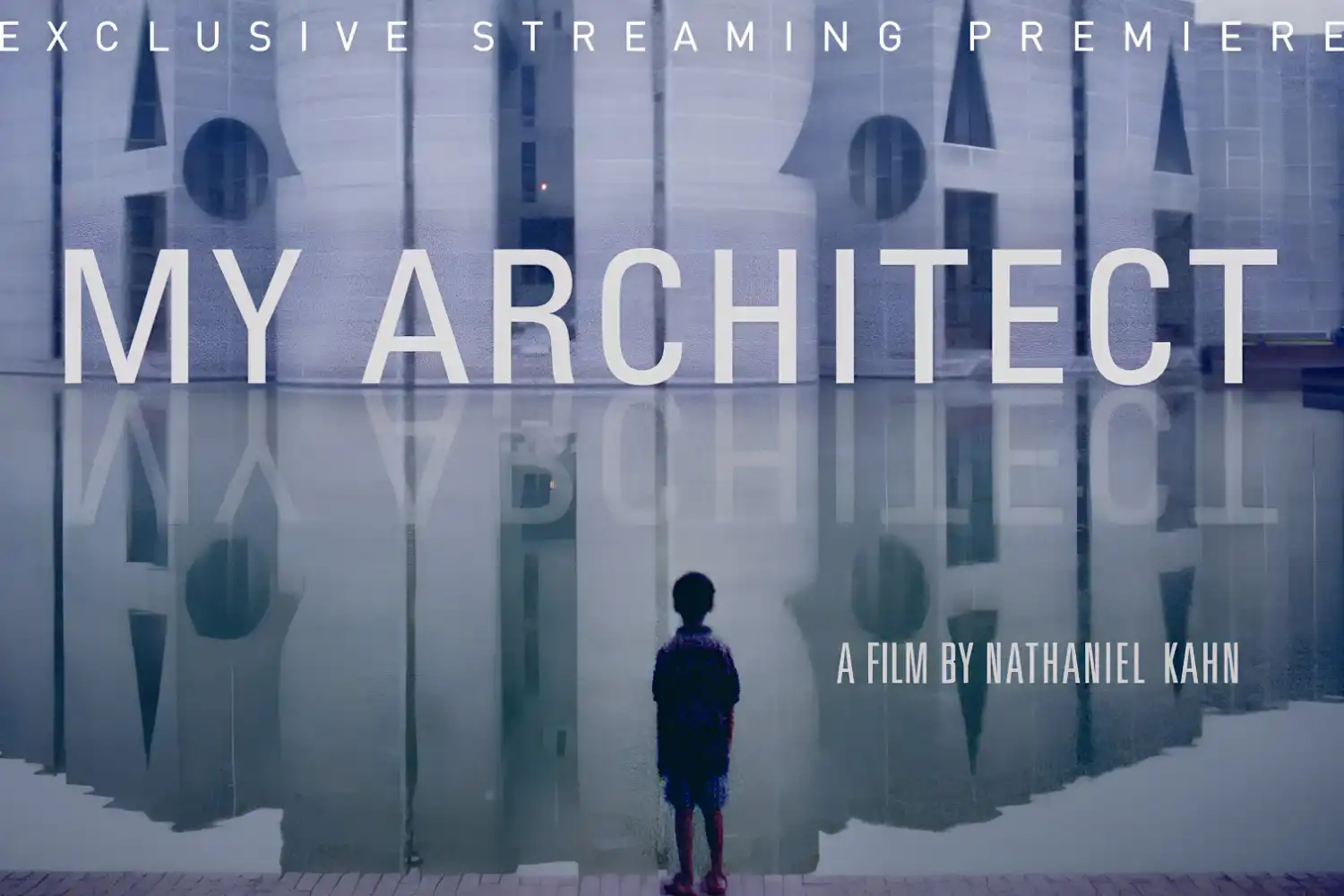
1. My Architect: A Son’s Journey (2003)
Directed by Nathaniel Kahn, this Oscar-nominated documentary follows the filmmaker’s search for the truth about his father, Louis Kahn, who died bankrupt and alone at Penn Station in 1974. Kahn had maintained three separate families, none aware of the others. The film visits the Salk Institute in La Jolla, the Kimbell Art Museum in Fort Worth, and the National Assembly Building in Dhaka, Bangladesh. What makes it essential for architects is the way it connects Kahn’s obsession with light and geometry to the personal sacrifices he made for his work. The final scene at the Dhaka parliament building, where a local man describes what Kahn’s creation means to Bangladesh, remains one of the most emotionally affecting moments in any architecture film.
💡 Pro Tip
Watch My Architect before visiting any of Kahn’s buildings. Understanding the personal story behind the Salk Institute or Kimbell Art Museum changes how you experience the spaces. Kahn’s obsession with natural light reads differently once you know what it cost him.
2. Sketches of Frank Gehry (2006)
Sydney Pollack, a close friend of Frank Gehry, directed this intimate portrait of the man behind the Guggenheim Museum Bilbao and the Walt Disney Concert Hall. Unlike most architecture films, Pollack had years of private access, and the result feels more like a conversation between friends than a formal documentary. The film shows Gehry’s creative process from crumpled paper models to CATIA software, and it addresses the criticism he has faced for prioritizing form over function. For any architect interested in the relationship between intuition and technology in design, this film is a primary source.
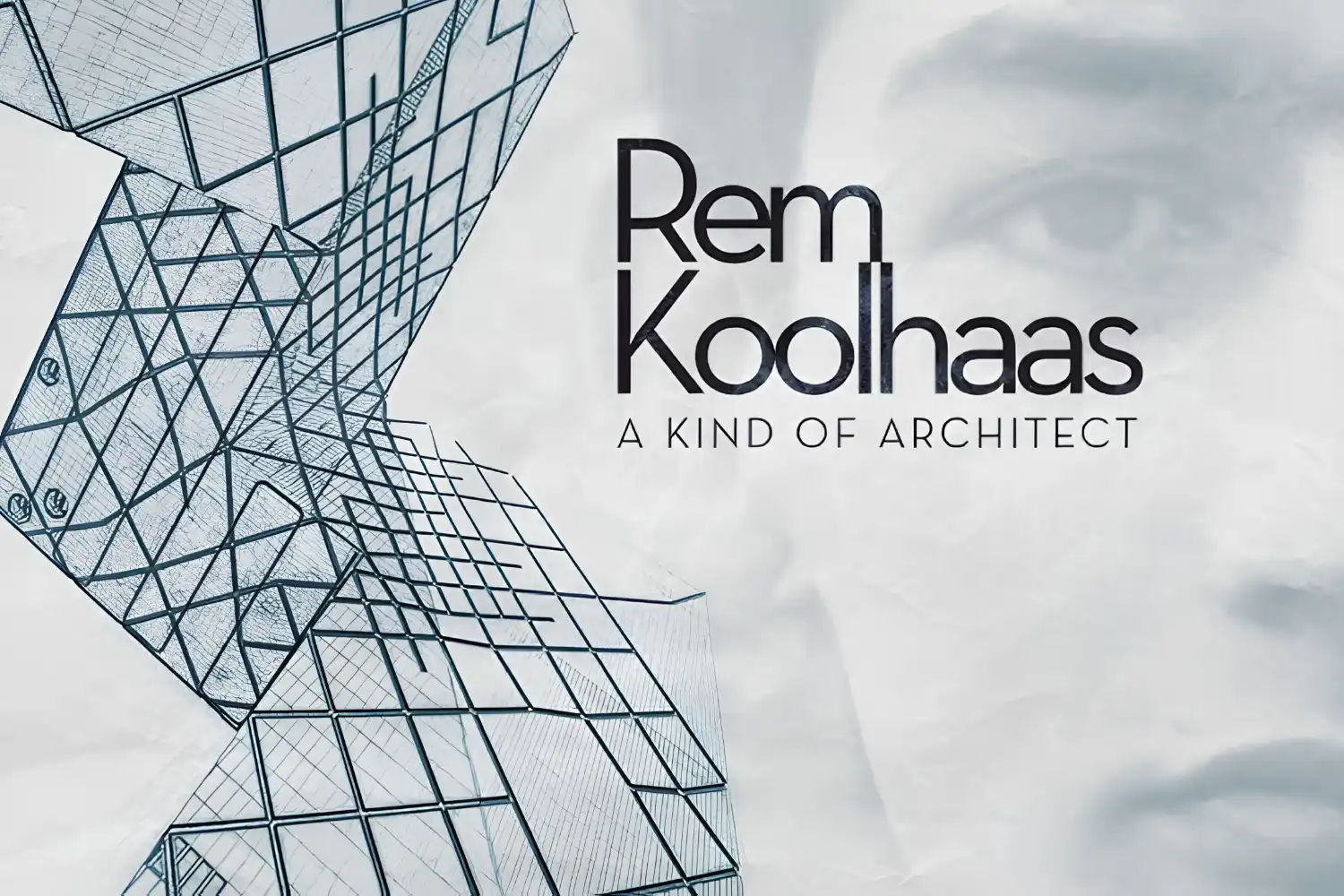
3. Rem Koolhaas: A Kind of Architect (2008)
This documentary by Markus Heidingsfelder and Min Tesch follows Rem Koolhaas and his firm OMA across several continents. Koolhaas, a former journalist and screenwriter before becoming an architect, brings a distinctly intellectual approach to building design. The film covers the CCTV Headquarters in Beijing, the Seattle Central Library, and Casa da Música in Porto. What sets it apart from other architect profiles is its willingness to show Koolhaas’s abrasive side and the friction between his theoretical ambitions and the realities of construction.
Must-Watch Architecture Documentaries on Design Process
Some of the best documentaries about architecture focus less on famous names and more on how buildings actually get designed, approved, and built. These films pull the curtain back on the messy, collaborative process that turns an idea into a physical structure.
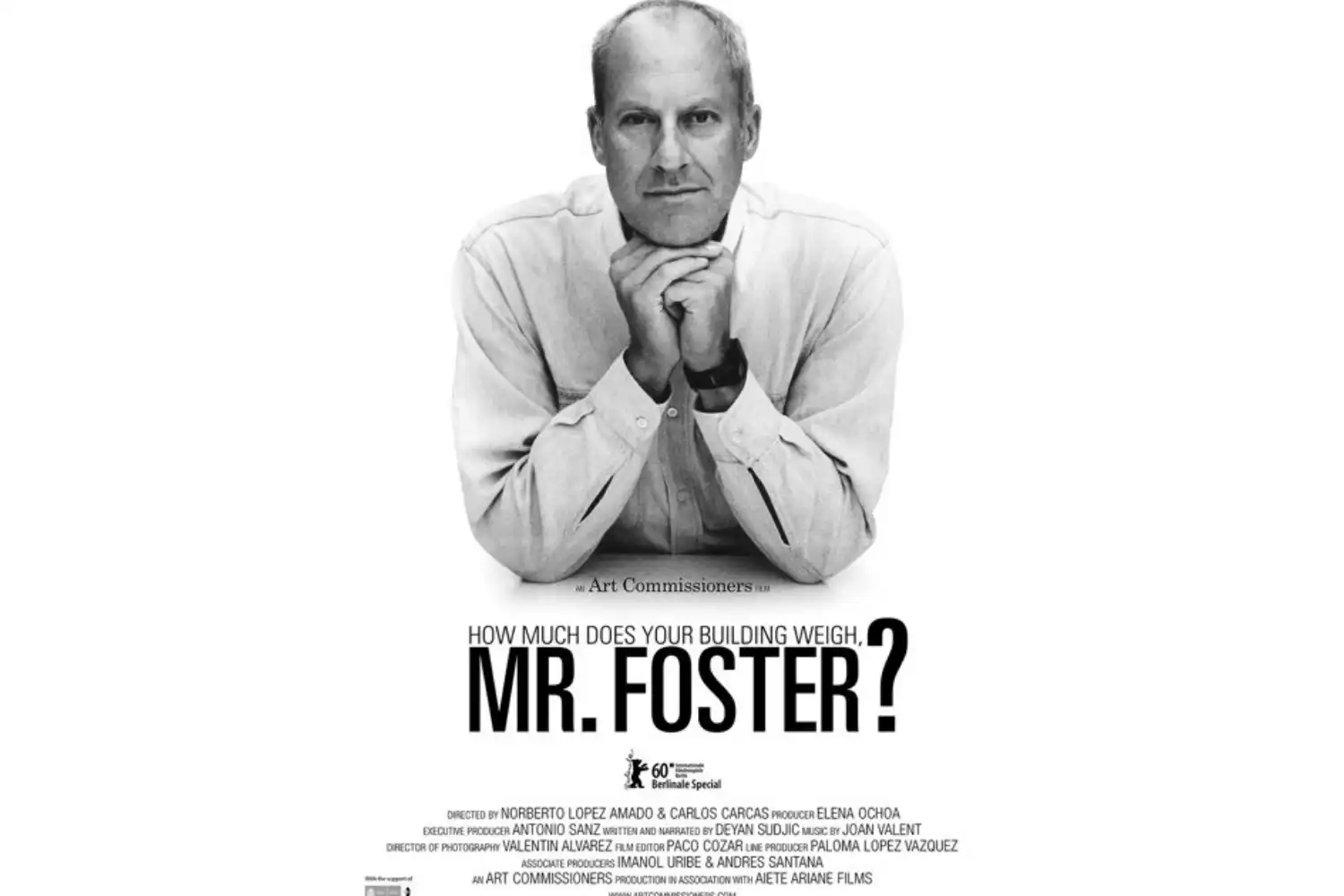
4. How Much Does Your Building Weigh, Mr. Foster? (2010)
This documentary traces Norman Foster’s career from a working-class childhood in Manchester to the top of global architecture. The title comes from a question Buckminster Fuller once asked Foster, and the film uses that idea of lightness and efficiency as its organizing thread. It covers landmark projects including the Hearst Tower in New York, the Millau Viaduct in France, and the rebuilt Reichstag dome in Berlin. Foster’s emphasis on environmental performance and structural innovation makes this film particularly relevant for architects working in sustainable design.
🎓 Expert Insight
“I think the measure of your success to a certain extent is your ability to pick yourself up and to reinvent yourself.” — Norman Foster, Foster + Partners
Foster’s comment, featured in the film, speaks to a reality every architect faces: projects get cancelled, competitions are lost, and clients change direction mid-build. The documentary shows how Foster handled these setbacks early in his career and used them to refine his approach.
5. Citizen Architect: Samuel Mockbee and the Spirit of the Rural Studio (2010)
Samuel Mockbee founded the Rural Studio at Auburn University in Alabama, where architecture students design and build homes for some of the poorest communities in the United States. This documentary follows the program after Mockbee’s death in 2001 and shows how his students continued his mission. The film challenges the idea that architecture is only for wealthy clients and prestigious commissions. For architects interested in social impact and community-driven design, this is one of the most inspiring architecture documentaries available.
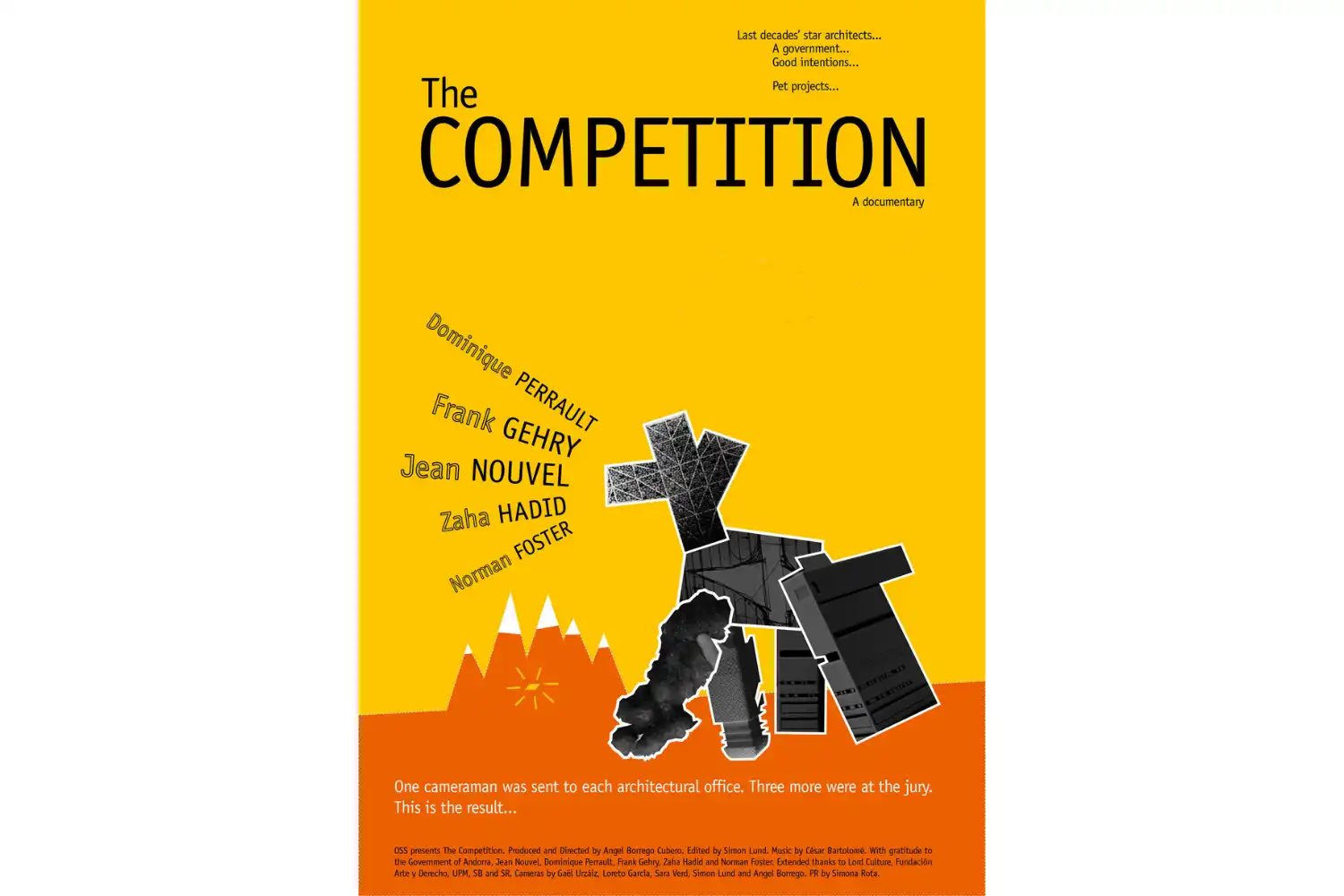
6. The Competition (2013)
Director Angel Borrego Cubero follows five star architects, including Jean Nouvel, Zaha Hadid, and Frank Gehry, as they compete for the commission to design the new National Museum of Andorra. The film gives rare access to the internal workings of an architecture competition, from the first brief reading to the final jury decision. It is a revealing look at how politics, ego, and budget constraints shape the outcome of even the most prestigious design contests.
Architecture Documentary Recommendations for Urban and Environmental Themes
Architecture does not exist in isolation. The best films about buildings also examine the cities, landscapes, and political systems that surround them. These documentaries connect individual buildings to broader questions about how we organize space and resources.
7. Urbanized (2011)
Gary Hustwit, the director behind Helvetica and Objectified, turns his attention to city design in Urbanized. The film features interviews with dozens of architects, planners, and politicians from cities including Bogotá, Cape Town, Mumbai, and New York. Rather than focusing on individual buildings, it asks how cities as a whole can be designed to serve their residents better. Topics include public transportation, affordable housing, and the tension between top-down planning and grassroots community action. The career implications of urban-scale thinking are significant for any architect considering a move beyond building design.
📌 Did You Know?
According to the United Nations, 68% of the world’s population is projected to live in urban areas by 2050. This means the decisions architects and urban planners make today about city infrastructure, housing density, and public space will directly affect billions of people within a single generation.

8. Koolhaas Houselife (2008)
This short documentary by Ila Bêka and Louise Lemoine follows Guadalupe Acedo, the housekeeper of the Maison à Bordeaux, a private residence designed by Rem Koolhaas for a wheelchair-bound client. The film shows the building entirely through the eyes of the person who cleans and maintains it daily. Leaking roofs, a moving elevator platform, and walls of glass that need constant attention reveal the gap between architectural ambition and everyday livability. It is a rare and honest look at what happens to buildings after the architect leaves.
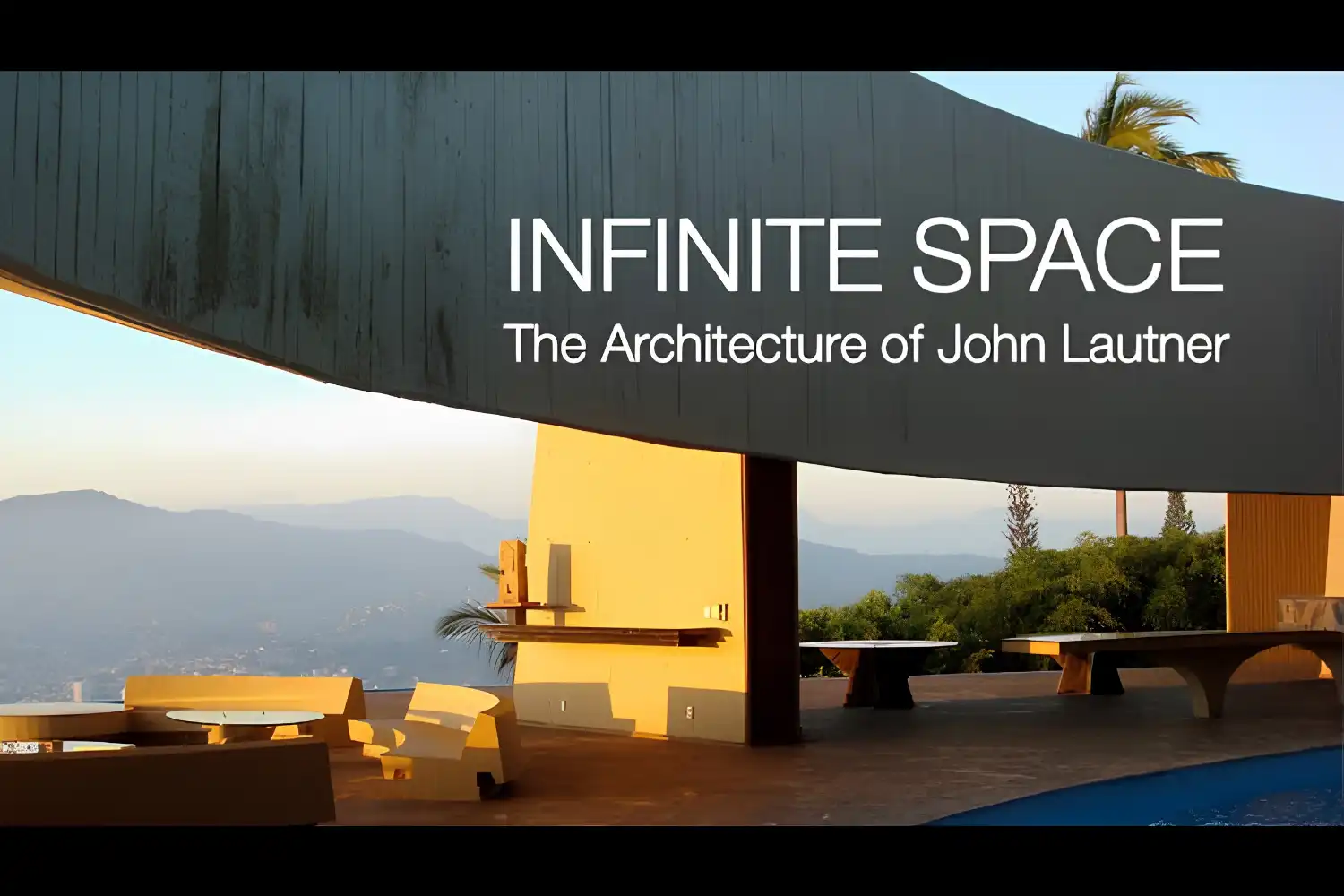
9. Infinite Space: The Architecture of John Lautner (2008)
John Lautner, a student of Frank Lloyd Wright, spent his career in Los Angeles designing houses that blurred the line between interior and exterior space. This documentary by Murray Grigor visits Lautner’s most famous works, including the Chemosphere (a house perched on a single concrete column above a steep hillside) and the Sheats-Goldstein Residence (featured in The Big Lebowski). The film highlights Lautner’s dedication to site-specific design and his willingness to invent new structural solutions for every project. For architects drawn to the organic architecture tradition of Wright, Lautner’s work is the next chapter.
Why Should Architects Watch Documentaries About Architecture?
Watching architecture documentaries provides something that site visits, textbooks, and studio critiques cannot replicate on their own. Film captures the sequence of decisions that produce a building, not just the finished result. You hear the architect explain why a window is placed at a certain height, watch a structural engineer argue against a cantilever, and see a client reject an entire scheme.
For students, these films serve as informal case studies. A 90-minute documentary about the construction of a single building can teach more about project management, client relations, and material selection than an entire semester of reading. Practicing architects benefit too: seeing how peers in other countries approach the same problems (housing, density, climate) with different tools and budgets is one of the fastest ways to challenge your own assumptions.
Architecture films and movies also serve as powerful communication tools. If you are trying to explain to a non-architect client why material choices matter or why a building’s orientation affects energy performance, a well-chosen documentary clip can do the work of a dozen slide presentations.
💡 Pro Tip
Start a studio or office film night with one documentary per month. Discussing what you watched as a group often generates design ideas that individual viewing does not. Many firms report that cross-team discussions sparked by a shared film have directly influenced project decisions.
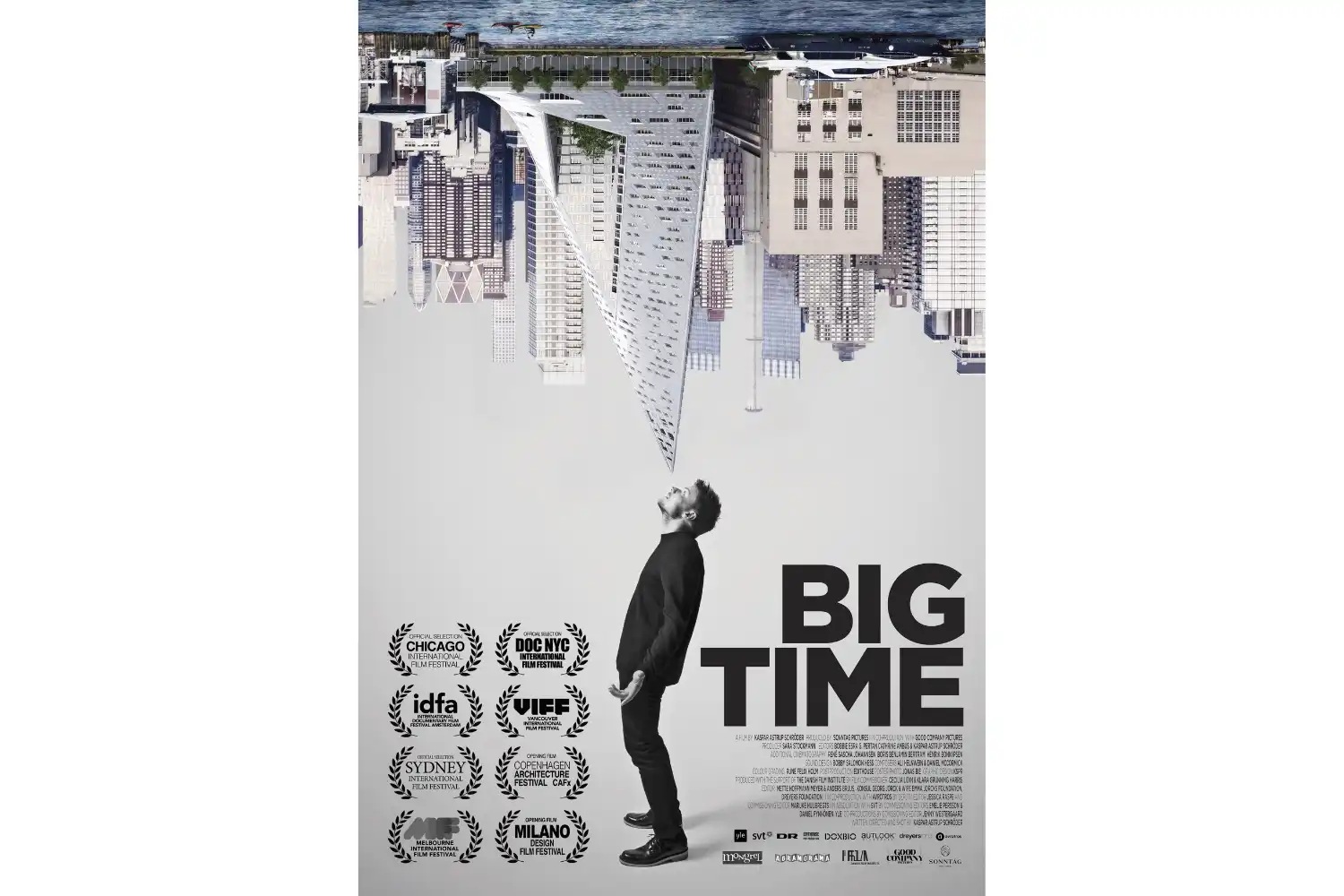
10. BIG Time (2017)
This documentary follows Bjarke Ingels and his firm BIG over the course of several years as they work on two major New York projects: VIA 57 West (a pyramid-shaped residential building) and 2 World Trade Center. The film does not shy away from the personal toll of running a global architecture practice, including Ingels’s health scare during filming. It also shows the practical realities of working with developers, zoning boards, and contractors at the highest level. For younger architects curious about what it takes to scale a practice from a small Copenhagen office to a global firm, BIG Time is both instructive and cautionary.
Video: Behind Closed Doors: The Life of an Architect
For a grounded view of what daily life looks like for working architects, this full-length documentary covers the routines, pressures, and rewards of the profession from morning coffee to late-night deadlines.
⚠️ Common Mistake to Avoid
Many architecture students watch documentaries passively, treating them as entertainment rather than research material. A better approach is to take notes on specific design decisions, material choices, or client interactions shown in the film. Referencing a real documentary example in a studio critique or client presentation adds credibility that generic theory cannot match.
How to Get the Most from Architecture Documentaries
Simply pressing play is not enough. The architects and educators who benefit most from documentary viewing treat each film as a primary source, much like a site visit or a published case study. Here are a few approaches that make the experience more productive.
First, pair each documentary with the architect’s own writings or published project descriptions. Watching Sketches of Frank Gehry alongside Gehry’s published interviews in architecture magazines gives you two perspectives on the same work. Second, pay attention to what the film does not show. Many documentaries about star architects omit the contributions of project teams, engineers, and landscape architects. Noticing these gaps sharpens your critical thinking about authorship in architecture.
Third, use documentaries as research tools for your own work. If you are designing a project influenced by a particular architect, watching a documentary about them gives you access to their spoken reasoning, not just their built output. This distinction matters: hearing Kahn talk about the quality of light is different from reading a critic’s interpretation of it.
Many of these top documentaries for architects are available on streaming platforms like Netflix, Amazon Prime Video, or through architecture school libraries. Some, like Koolhaas Houselife and other films by Bêka & Lemoine, can be rented directly from the filmmakers’ website at bekalemoine.com. The American Institute of Architects (AIA) also maintains a list of recommended films for continuing education.
✅ Key Takeaways
- The best architecture documentaries show the full design process, including failures, client conflicts, and personal sacrifice, not just finished buildings.
- Films like My Architect and Sketches of Frank Gehry work as informal case studies that supplement studio education and professional development.
- Documentaries about urban themes (Urbanized) and social impact (Citizen Architect) expand an architect’s perspective beyond building-scale design.
- Treating documentaries as research material, with notes and follow-up reading, produces better results than passive viewing.
- Most of these films are available on major streaming platforms or through architecture school and professional organization libraries.
Final Thoughts
These 10 must-watch architecture documentaries cover a wide range of scales, budgets, and philosophies. From Kahn’s monumental public buildings to Mockbee’s modest community homes, each film adds a layer to your understanding of what architecture can do and what it demands from the people who practice it. The common thread is honesty: every one of these films shows the gap between intention and reality, and that gap is where the most valuable lessons live. Start with whichever title matches your current interests, and work through the rest over the coming months. Your design thinking will be sharper for it.













Leave a comment