


The debate about architects and AI usually turns on what machines cannot do yet. In an opinion piece for Dezeen’s Performance Review series, published on 29 October, architect and educator Piers Taylor argues that this is the wrong question. “If AI can do most of what we think an architect does, maybe we have defined the profession too narrowly,” he writes. What follows summarises his argument; the views are his.
 Ex-Palantir Founders Launch Dream With $17M to Build AI World Models for Buildings
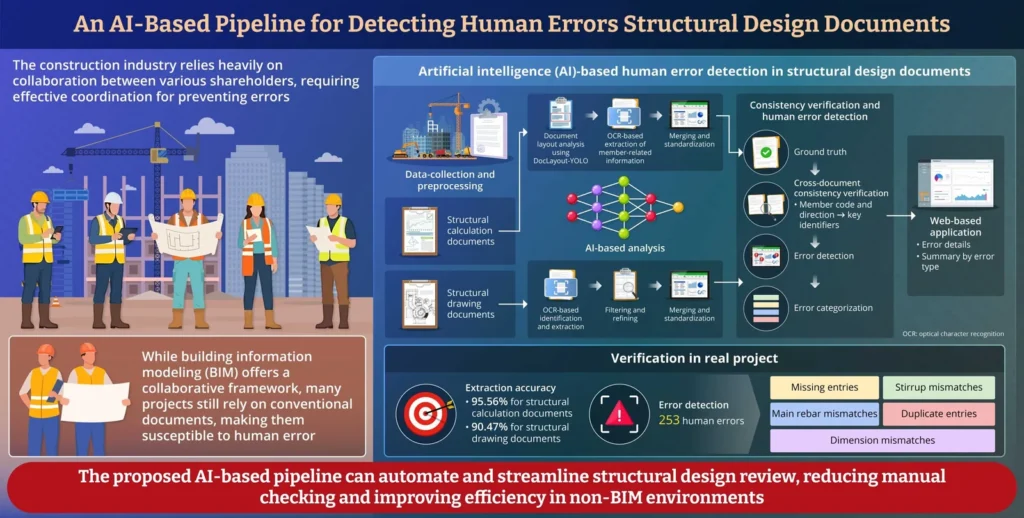 AI Pipeline Cross-Checks Structural Design Documents and Flags 253 Discrepancies
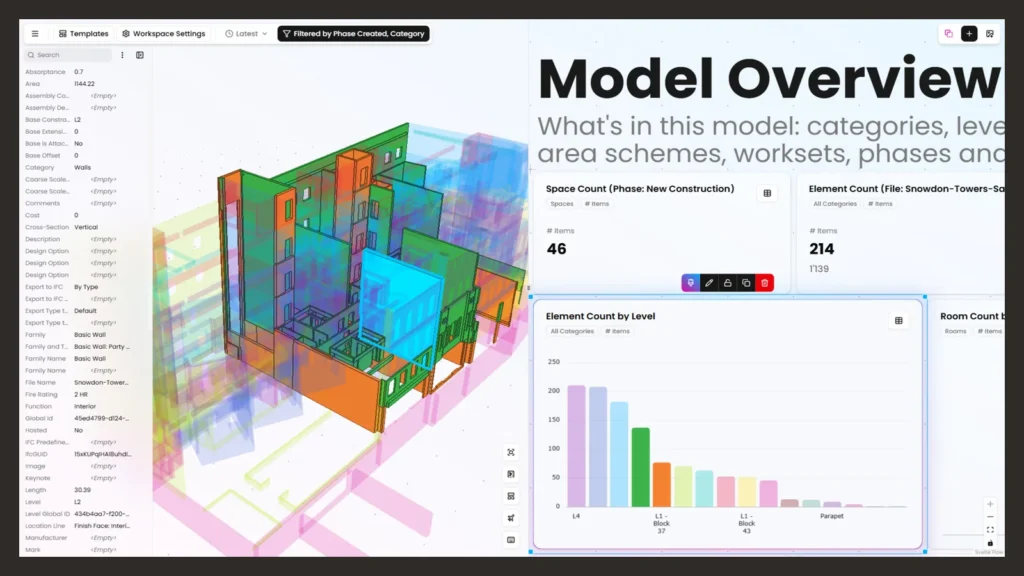 Chaos Acquires Vyssuals to Bring Live BIM Data Dashboards Into Enscape
 Architecture Workers’ Union Writes to Practices About Staff’s Right to Join a Union
Against a defensive profession
Taylor, who founded the practice Invisible Studio and convenes the Studio in the Woods workshop, says architects are anxious because AI can already produce images, generate options, draft text and take on more technical production. The predictable reaction, he argues, is to wall off the tasks machines cannot yet do and insist on the architect’s special status, and he calls that “absolutely the wrong response”. In his view the profession has long retreated into authorship as its real control over building has shrunk.
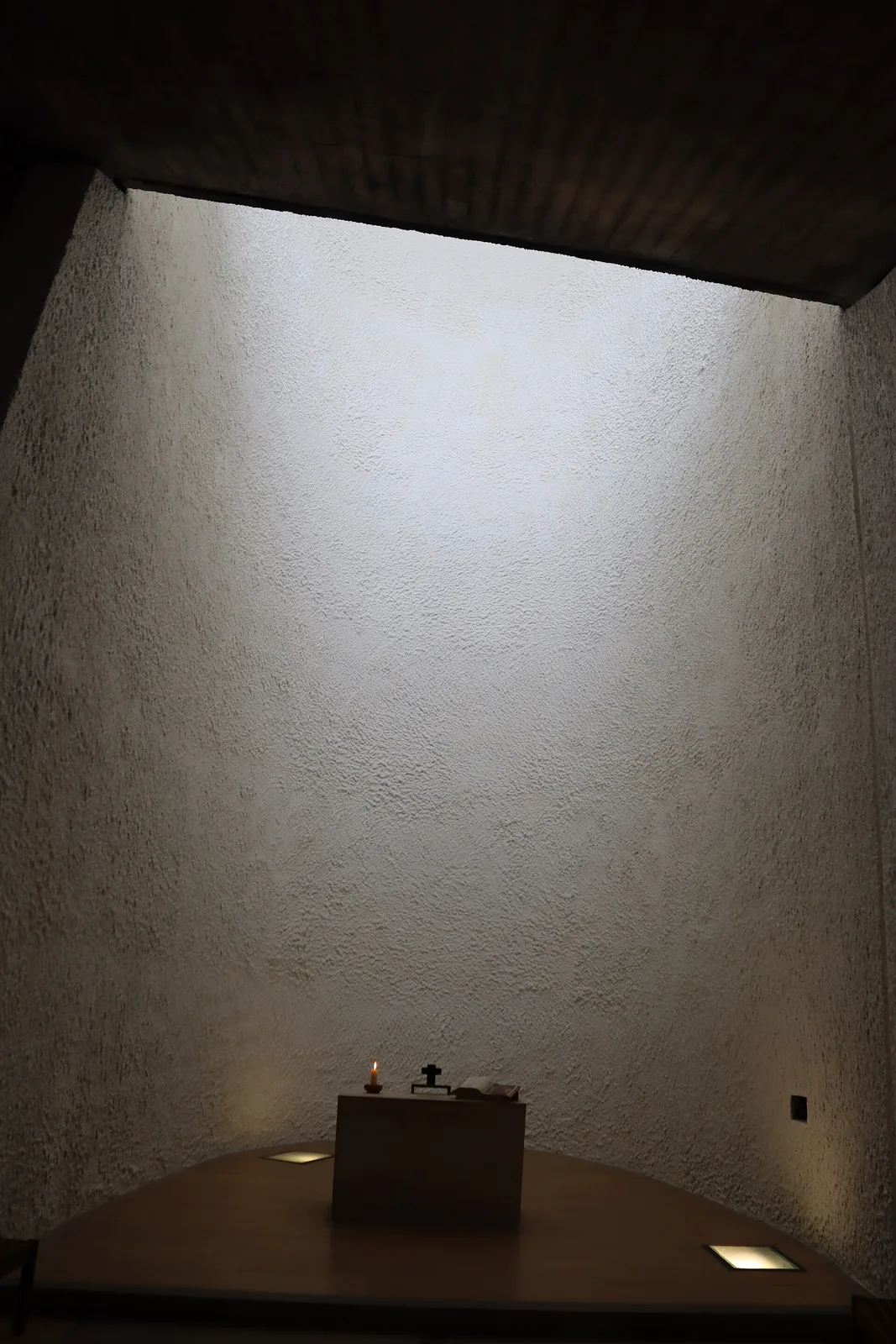
He is blunt about architectural culture. Architects are still trained, he says, to imagine themselves as “mini Corbusiers”, dressing a back extension in rhetoric as if it were Ronchamp. “But the age of the hero is exhausted,” he writes, adding that the profession lacks the cultural authority, economic power or public attention to sustain the fantasy.
Architects and AI: the fee problem
For Taylor the economics are broken too. Architects have accepted low pay, long hours, insecure jobs and unpaid competitions, he argues, partly because recognition was offered in place of money. If the production work that fees depend on gets faster and cheaper, defending the same model will only push fees and salaries lower. “The answer cannot be to produce the same things more efficiently for less money,” he writes; clients must instead learn to pay for a wider idea of architectural value.
He is specific about what that could cover: diagnosing problems and shaping a brief before it hardens, connecting different kinds of expertise, trying ideas out at 1:1, resolving clashes over space, returning to buildings once they are occupied, and helping them adapt and be looked after for decades. Practices, he suggests, should keep relationships with buildings and communities instead of vanishing at practical completion, and be paid “for judgement over time” rather than for production alone.
From author to host
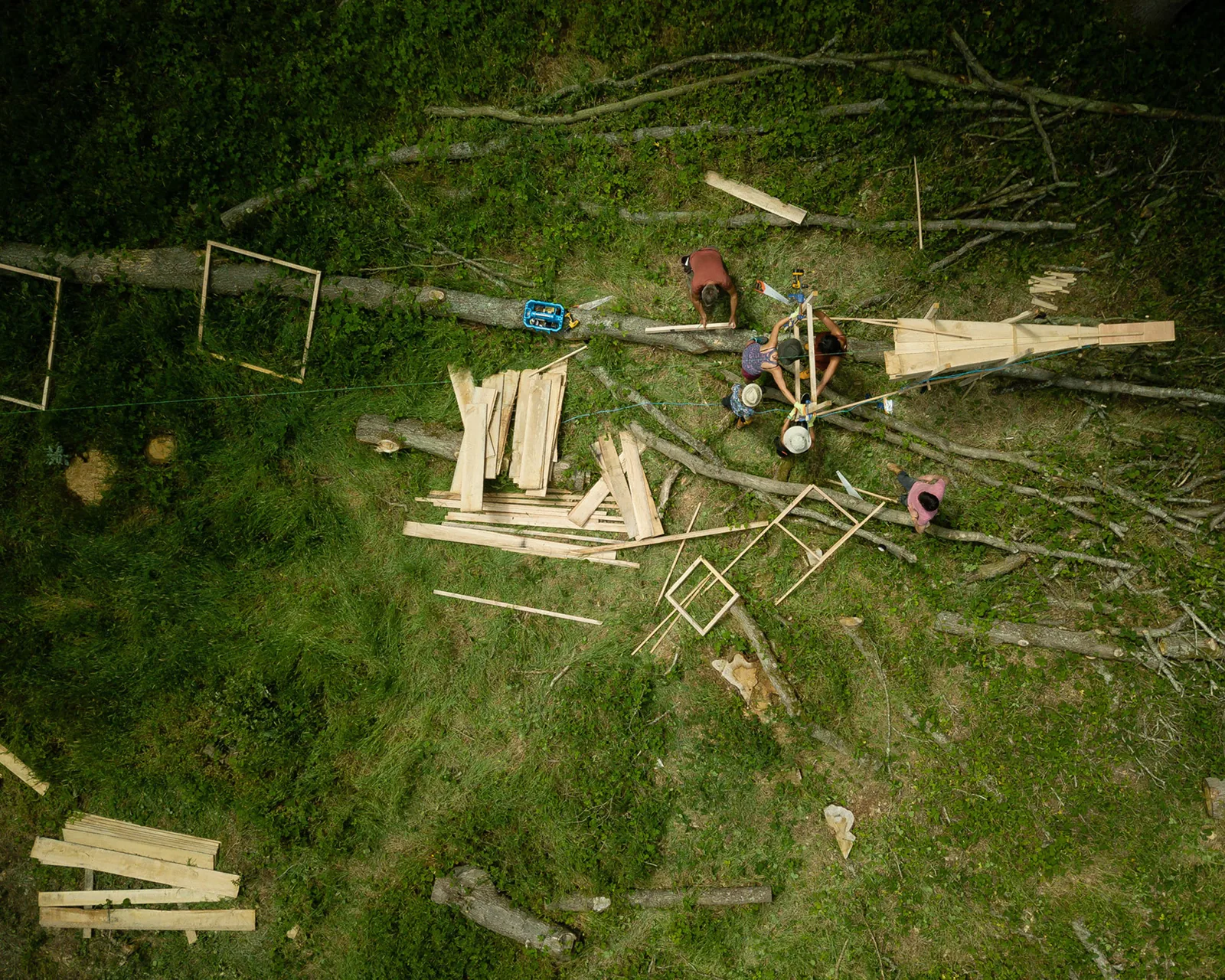
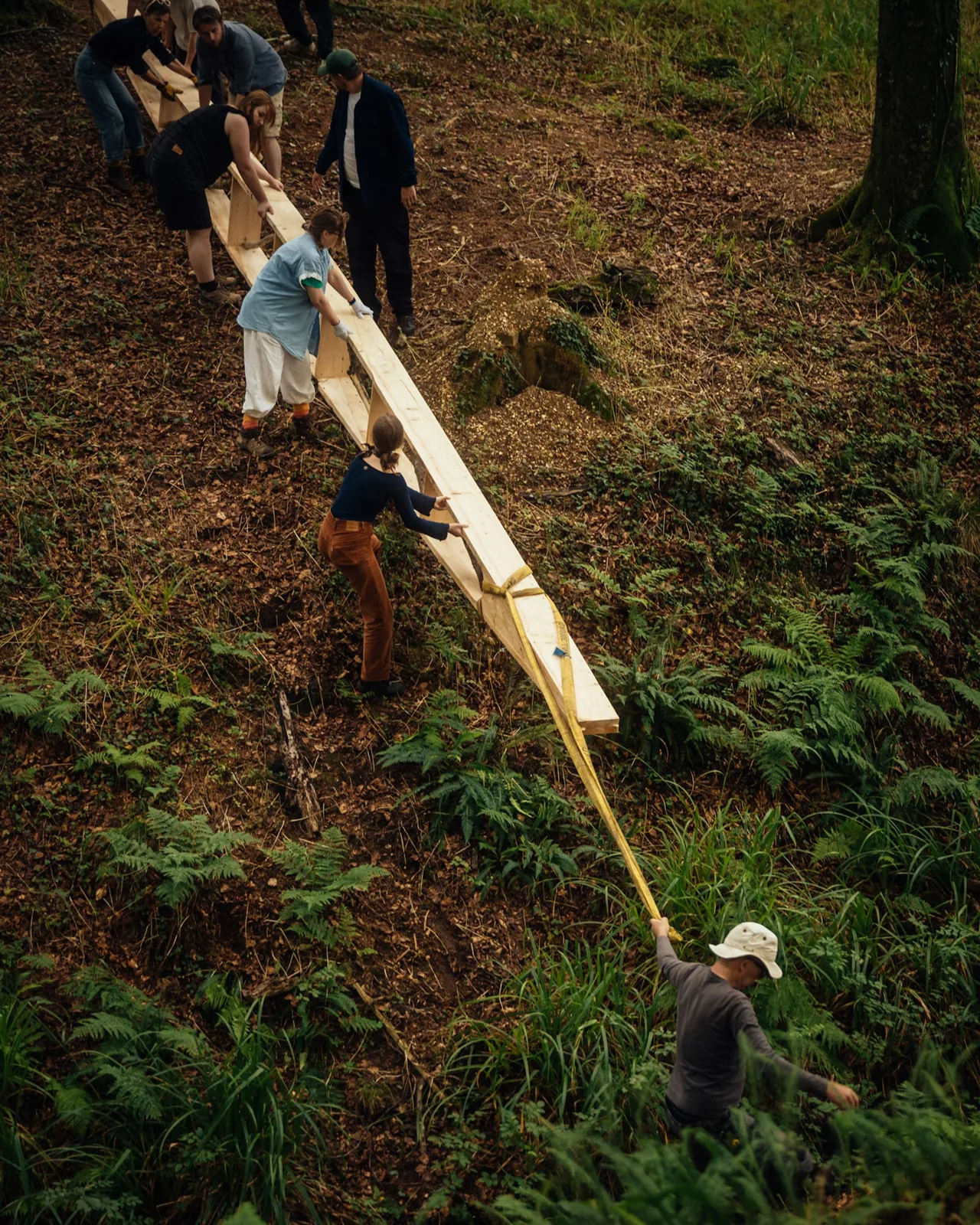
The model he proposes is “less author and more host”: someone who can enter an unresolved situation, work out what the problem is and set a framework in which others contribute. He points to Studio in the Woods, which he has run for 20 years, as an accidental laboratory where experts and non-experts build together and leadership shifts with the task.
Taylor also notes an irony: for years architects tried to become more machine-like, standardising processes and promising complete information, just as machines became good at exactly that. He does not dismiss drawings, technical knowledge or aesthetic judgement, which he says still matter enormously, but sees them as parts of architectural intelligence rather than its definition. If AI makes the old figure of the architect redundant, he concludes, he is not convinced the profession should grieve.












Leave a comment