


UNESCO’s World Heritage Committee closed its 48th session in Busan, Republic of Korea, on July 29, 2026, after voting to add 25 properties to the World Heritage List. The gathering ran for ten days, opening on July 19, and every one of the additions passed by consensus rather than a contested vote.
Of the 25 new listings, nineteen were recognized purely for cultural significance, five for natural value, and one property earned mixed status for combining both. Committee members also signed off on two boundary extensions to sites already on the register and revised the inscription criteria for another existing entry.
The decisions push the global tally to 1,273 heritage sites spread across 173 countries. The session carried extra weight for three nations, Comoros, São Tomé and Príncipe, and South Sudan, each securing a place on the list for the very first time.
The 19 cultural additions to the World Heritage List
The newly listed cultural properties reach across every inhabited continent, mixing modernist architecture, ancient religious complexes, fortified landscapes, and colonial-era industrial sites. They are:
- Aalto Works, Finland: a grouped nomination of 13 buildings and complexes raised between the late 1920s and the 1980s, honoring a design philosophy that tied architecture to nature and everyday social life.
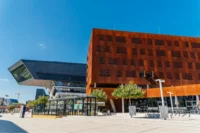
- Tashkent Modernist Architecture, Uzbekistan: ten structures and urban ensembles from the 1960s through the early 1990s, built as the city rebuilt itself after the 1966 earthquake.
- Amazonia Theaters, Brazil: two nineteenth-century performance venues erected during the Amazon’s rubber boom.
- Jingdezhen Handicraft Porcelain Industry Sites, China: physical evidence of nearly a thousand years of porcelain-making in one of the craft’s most influential centers.
- Gdynia Modernist City Centre, Poland: one of the continent’s most intact examples of interwar modernist city planning.
- The Condominio Theatres of Central Italy: ten venues built under a shared-ownership model that broadened public access to performance.
- Beaches of the D-Day Landings, Normandy, 1944, France: a landscape tied to one of the defining military operations of the twentieth century.
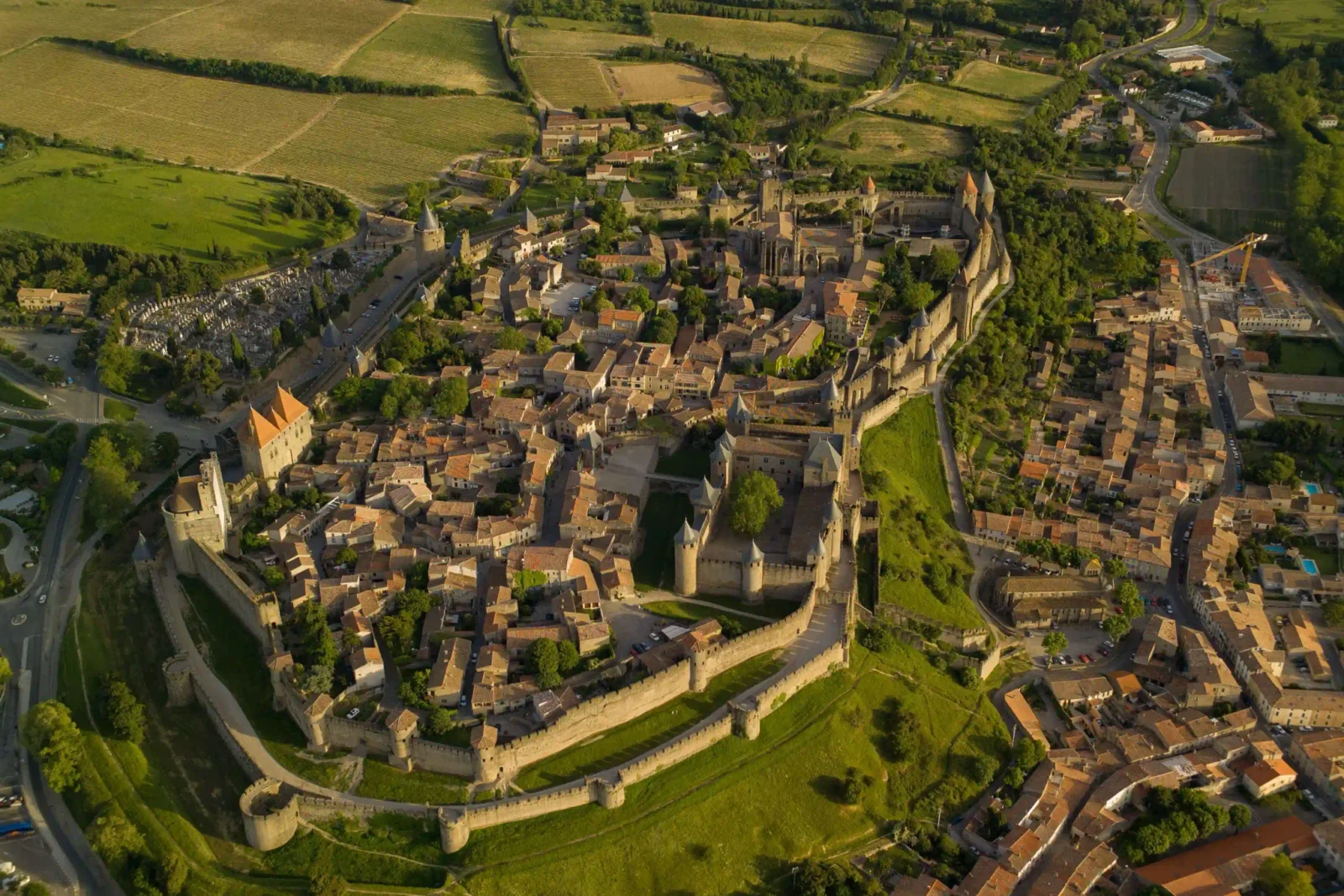
- Royal Capetian Fortresses of Languedoc, France: eight fortified sites tracing the consolidation of French royal authority in the 13th and 14th centuries.
- Mount Amel Castles, Lebanon: five fortified structures in the Jabal Amel region illustrating close to a millennium of military building.
- Rock Mosques and Associated Sacred Sites of Mangystau, Kazakhstan: five subterranean religious complexes cut into western Kazakhstan’s rock formations.
- Sebastia, State of Palestine: a West Bank settlement holding archaeological layers spanning several thousand years.
- Ancient Capitals of Asuka and Fujiwara, Japan: 19 archaeological components tracing the formation of Japan’s earliest centralized state.
- The Medinas of the Historic Sultanates of the Comoros, Comoros: six towns that grew into urban hubs across the archipelago.
- Ancient Buddhist Site of Sarnath, India: the location where the Buddha is said to have delivered his first sermon.
- The Cemetery Complexes of the Xiongnu Nobility, Mongolia: eight burial landscapes connected to the Xiongnu Empire.
- Alamūt Castle and Related Fortifications, Iran: seven fortified sites in Iran’s Alborz Mountains.
- The Roças of São Tomé and Príncipe: six former plantation complexes documenting Portuguese colonial farming and forced migration on the islands.
- Village of Sidi Bou Saïd, Tunisia: a historic settlement centered on the tomb of a Sufi saint.
- Wat Phra Mahathat Woramahawihan, Nakhon Si Thammarat, Thailand: a Buddhist complex with more than 1,500 years of continuous history.
Among the group, the Aalto Works nomination drew particular notice for gathering the work of Alvar Aalto alongside collaborators Aino Marsio-Aalto and Elissa Aalto, whose buildings are stewarded in part by the Alvar Aalto Foundation.
UNESCO has not announced the location or date of the Committee’s next session.









Leave a comment