


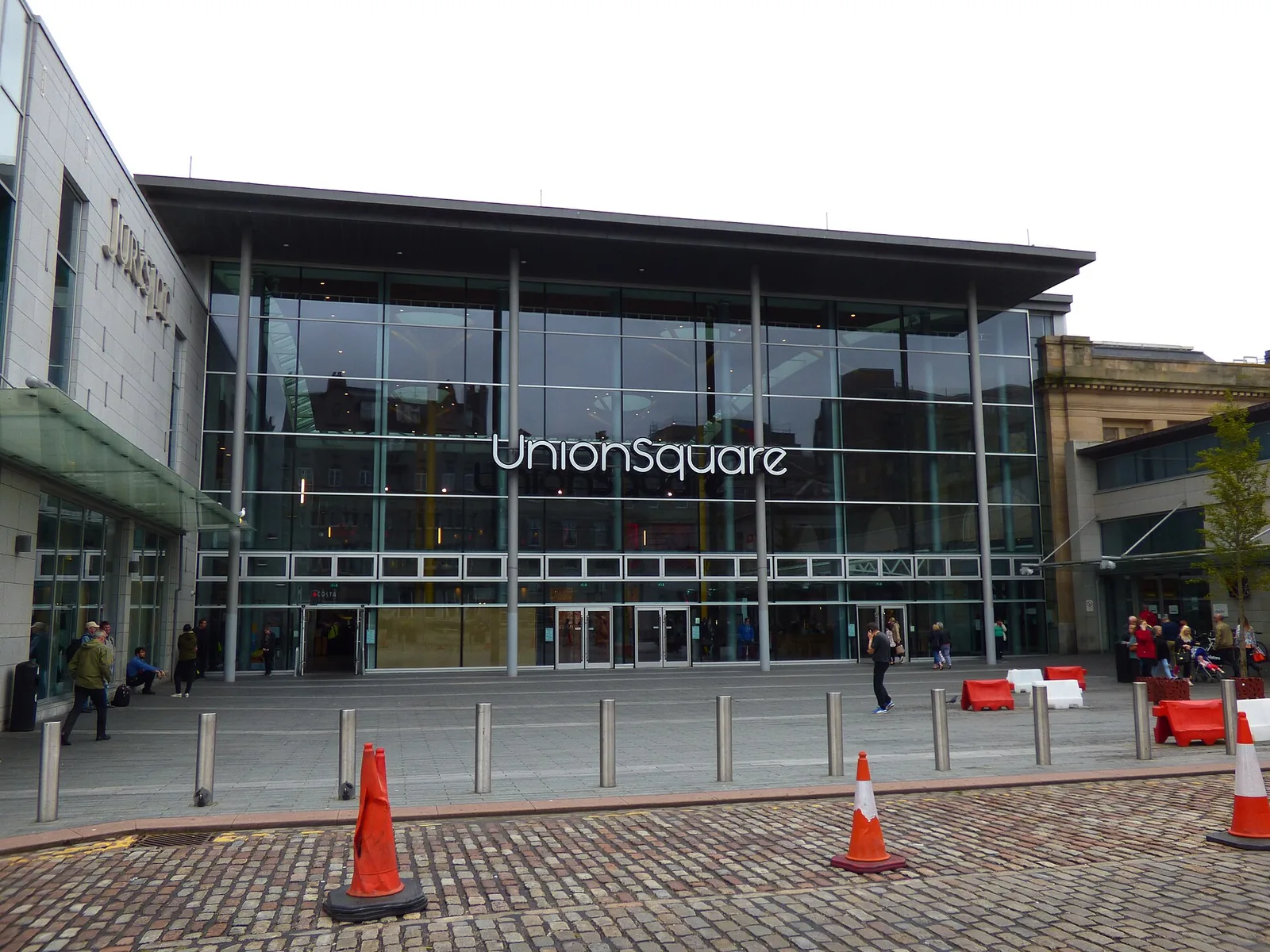
An attempt by BDP, the architect, and Galliford Try, the contractor, to have a cladding claim over an Aberdeen hotel struck out as too late has failed. In a ruling dated 20 October, Lord Richardson of the Court of Session refused their motions and those of insulation maker Kingspan, sending the case to a full hearing of evidence. Nothing has been proven: the alleged defects, and the alleged concealment of them, remain allegations to be tested at trial.
 Scott Brownrigg’s Pre-Tax Profit Rises to £4.4m as UK Fee Income Grows 37%
 RIBA Reports Itself to the Charity Commission Over Allegations of Potential Fraud
 Pay 100 Publishes Its Fifth Salary Survey and Asks the RIBA to Take It Over
 University of Hertfordshire Studies the Chimney Effect in Riser Shafts After Grenfell
The background to the cladding claim
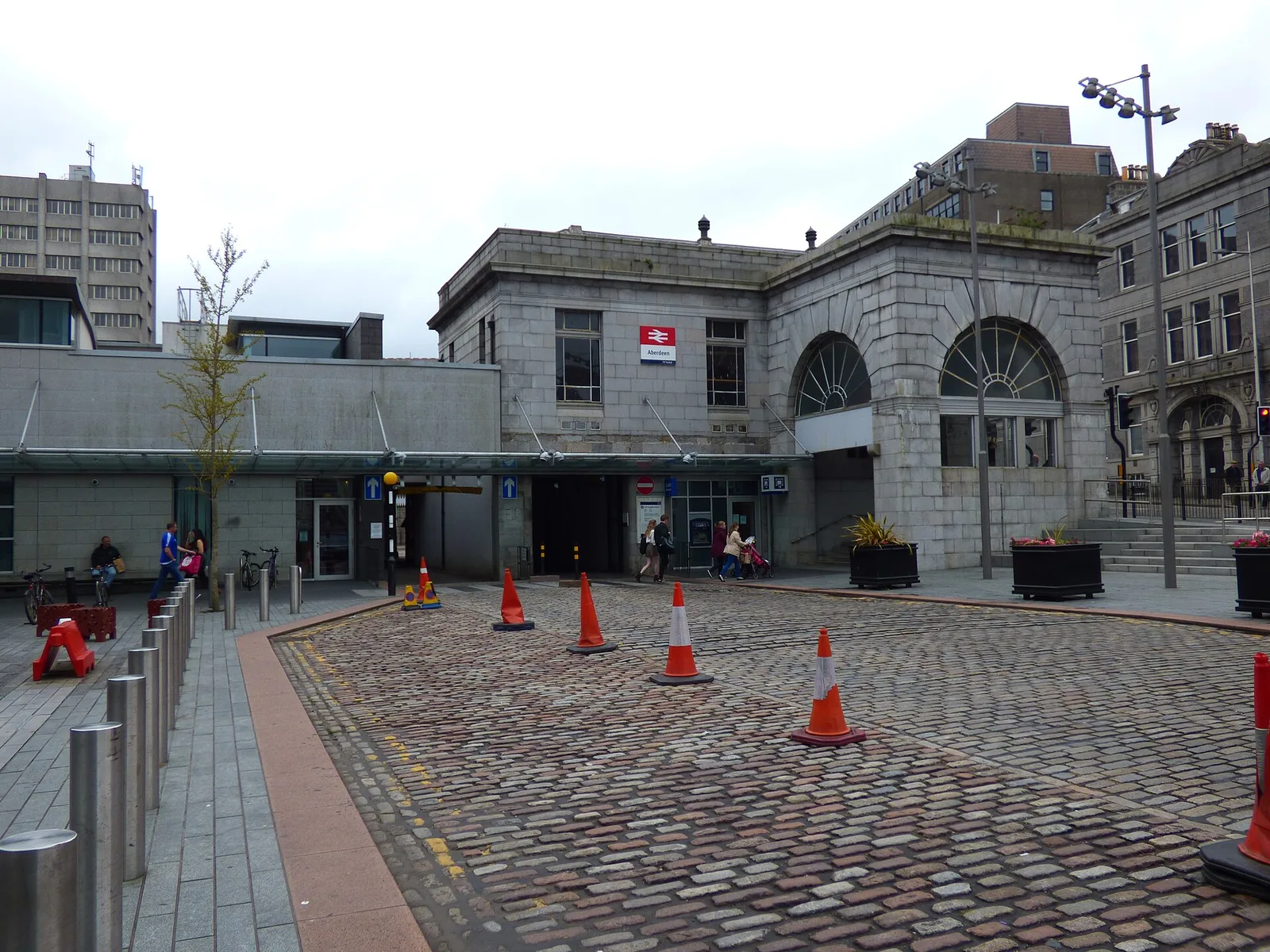
The claimant, Leonardo Hotel Management (UK), runs the Leonardo Inn Hotel in the Union Square development, which also redeveloped the city’s bus and railway stations. BDP designed the scheme, while a subsidiary of Galliford Try delivered it under a design and build contract. Practical completion of the hotel was certified in February 2009, and in December that year Leonardo took a lease that made it responsible for repairs, backed by collateral warranties from both firms.
Leonardo says the cladding is defective, that the two companies broke their obligations and that they concealed the faults; it wants them to pay for the repairs it says it must carry out. Construction News reports that the cladding was first looked into after the June 2017 fire at Grenfell Tower. Proceedings were raised in February 2021, some 12 years after completion.
Why the time bar did not end the case
Scotland’s 1973 Prescription and Limitation Act means most such claims expire after five years, and the defenders argued that Leonardo had simply left it too late. Lord Richardson accepted much of that reasoning. He agreed the warranties let both firms rely on time-bar defences, and held that Leonardo’s loss occurred when it signed the lease.
However, the Act stops the clock while a claimant is kept from suing by error induced by the other side’s words or conduct. Leonardo alleges that Galliford Try covered defects with other materials as work progressed and did not report them, and that BDP failed to spot and report defects on its inspection visits. Construction News quotes the judge saying Leonardo had an arguable case that “neither it nor the landlord were physically able to see the defects which were incorporated into the building as it was constructed.” He found that enough to require evidence, adding that a failure to act can count as relevant conduct.

BDP’s own claim against Kingspan
After the Grenfell Tower Inquiry reported, BDP brought Kingspan into the action. It alleges fraudulent or negligent misrepresentation in technical information about Kooltherm K15 insulation, and says those statements were why it chose the product. Kingspan’s case was that this claim was also out of time and that a 2017 report should have alerted BDP. The judge disagreed at this stage, holding that a misrepresentation can continue to have effect and that the report was not clear enough to show what BDP knew; he noted BDP’s reliance on a later report that found K15 compliant.
As Construction News points out, the ruling settles neither whether the cladding was faulty nor whether any of the firms is to blame. Leonardo declined to comment to the AJ, and BDP, Galliford Try and Kingspan had been approached.













Leave a comment