


Table of Contents Show
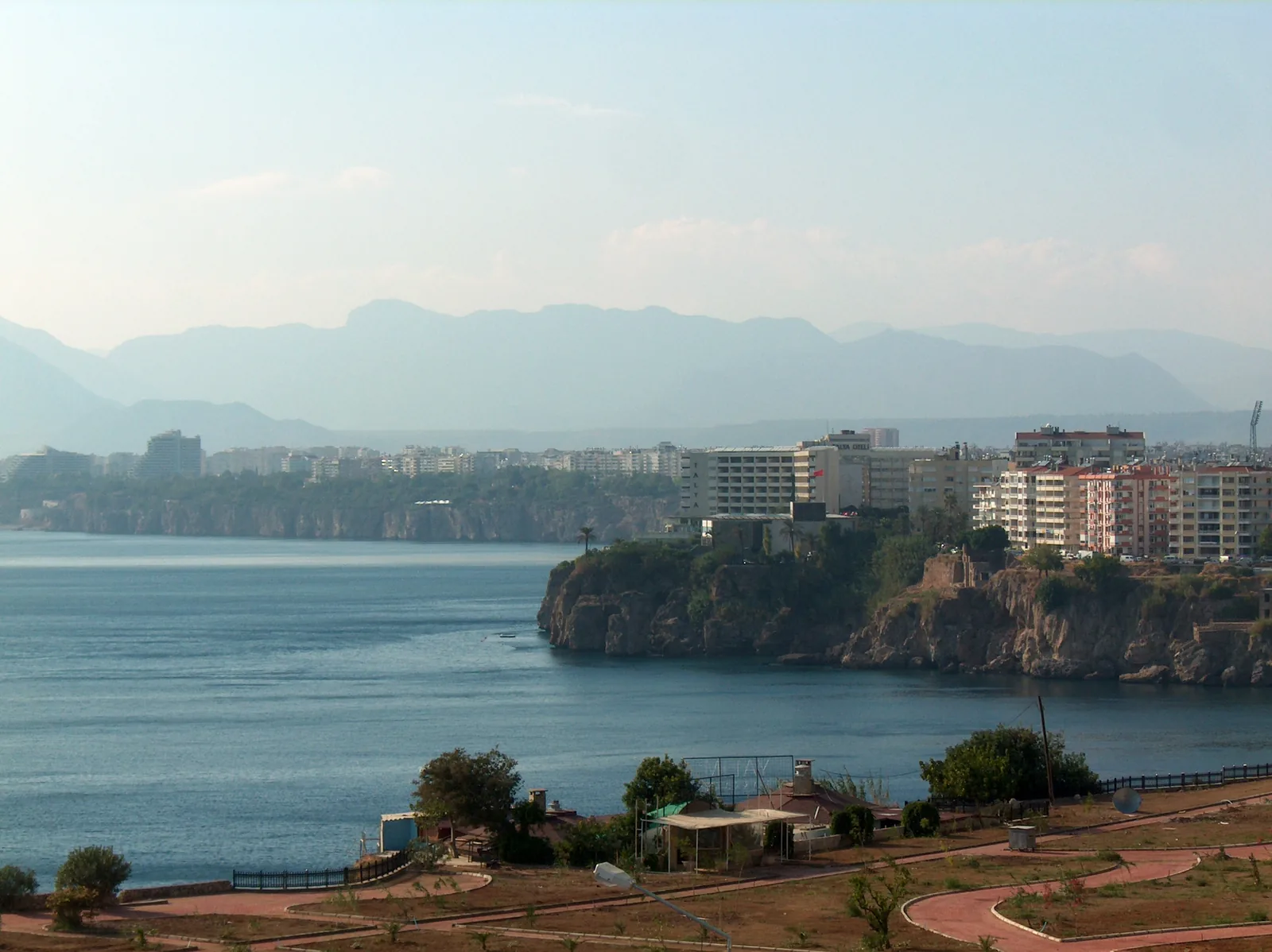
Buildings have a prominent spot on the agenda at COP31, the United Nations climate conference this month in Antalya, Turkey. Ministers gathered there on 12 November for a second round of talks on buildings and climate, and going in, a schedule circulated beforehand by the Programme for Energy Efficiency in Buildings (PEEB) had them lined up to sign off on the Antalya Compact, a sector plan from the COP31 presidency. Measured against 2020, the compact wants two things by 2035: a quarter less operational energy intensity, and enough electrified buildings that power covers more than a third of final energy demand. Five themes got top billing when the presidency unveiled the plan on 29 October: electrification, national strategies, building performance, renovation and flexible energy systems, all of which concern energy used after a building opens its doors. Almost nothing is said about what goes into erecting it in the first place, a gap whole-life carbon accounting is meant to close, and one the European Union has already turned into binding rules.
 UK Design Protection Reforms Make Copied Designs Easier to Challenge, but Not a Crime
 NCARB Lays Out Pathways to Practice, New Assessment Methods With No Degree Required for Any Competency
 RhinoAI and Claude Code: McNeel Opens Rhino 9 to AI Agents at Rhino World 2026
 AI Data Brokers Are Offering Architects Six Figures for Old CAD Files, Raising Questions of Ownership
The scale of the problem
Construction and the buildings it produces account for something like 37 percent of the planet’s CO2 output and close to 28 percent of energy use, figures from a UN Environment Programme status report published in May. UNEP also puts buildings behind almost half of all raw material extraction worldwide, and found operational emissions up 1 percent in 2024, to 9.9bn tonnes. Energy intensity has fallen 8.5 percent since 2015, but that pace has cooled since 2020 because, UNEP says, construction keeps outrunning the green transition.
What the compact leaves out
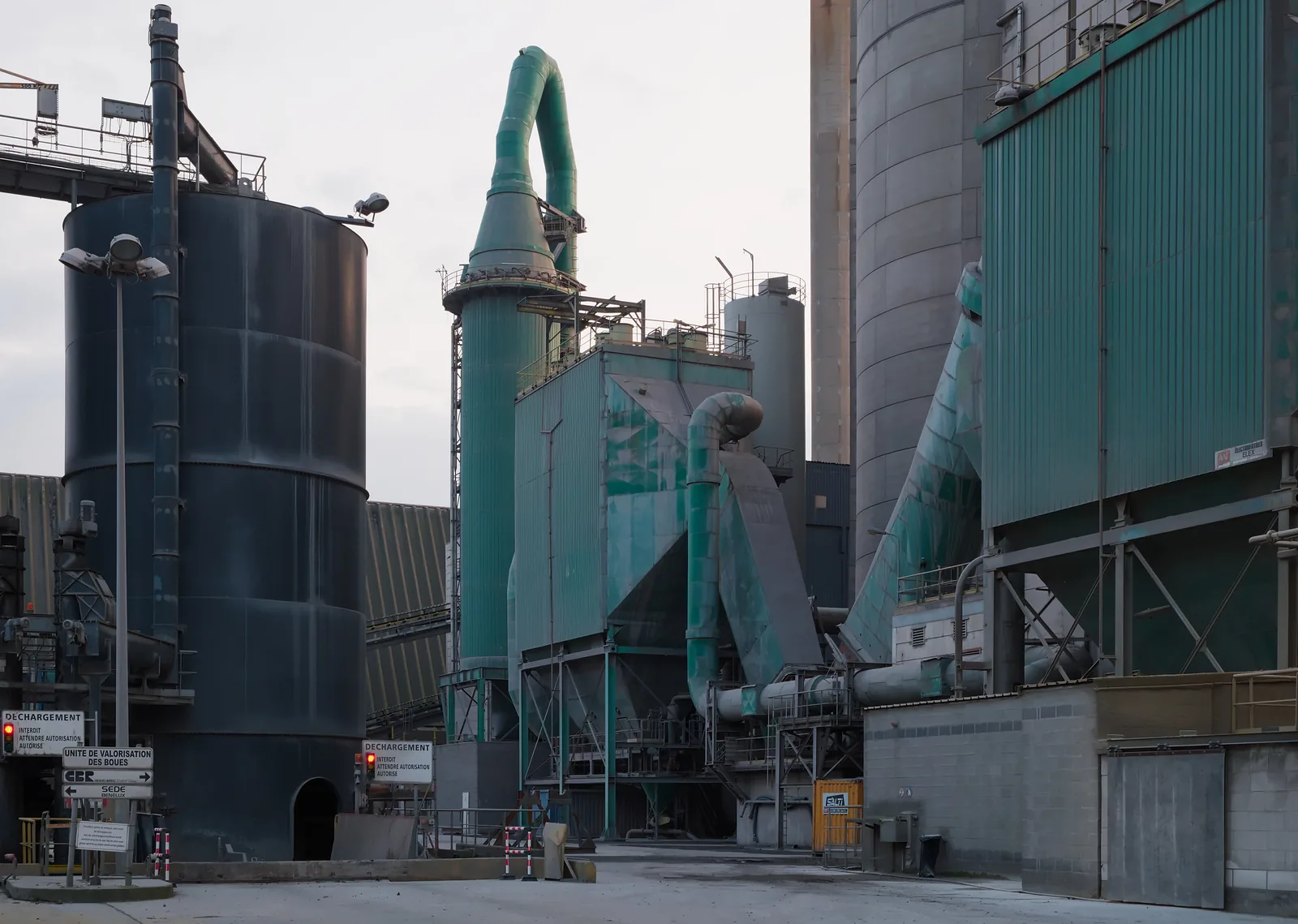
Starting with operational energy makes sense for a summit trying to get dozens of countries to agree: the technology is familiar, most climate plans already budget for it, and progress is easy to measure. Materials are a harder sell. Cement, steel and glass dump carbon into the air before a building is even switched on, and cement alone is blamed for something like 8 percent of the world’s CO2, per the think tank Chatham House. Writing for Climate Home News in September, Chatham House fellow Patrick Schroder argued that Ankara’s own pledge, lifting recycled material use in construction to 15 percent by 2035 from under 7 percent now, still falls short, citing a European estimate that circularity alone could cut the sector’s emissions potential by nearly half. Antalya mostly treats whole-life carbon as a subject for future study, not a number ministers are committing to now.
Europe already counts whole-life carbon
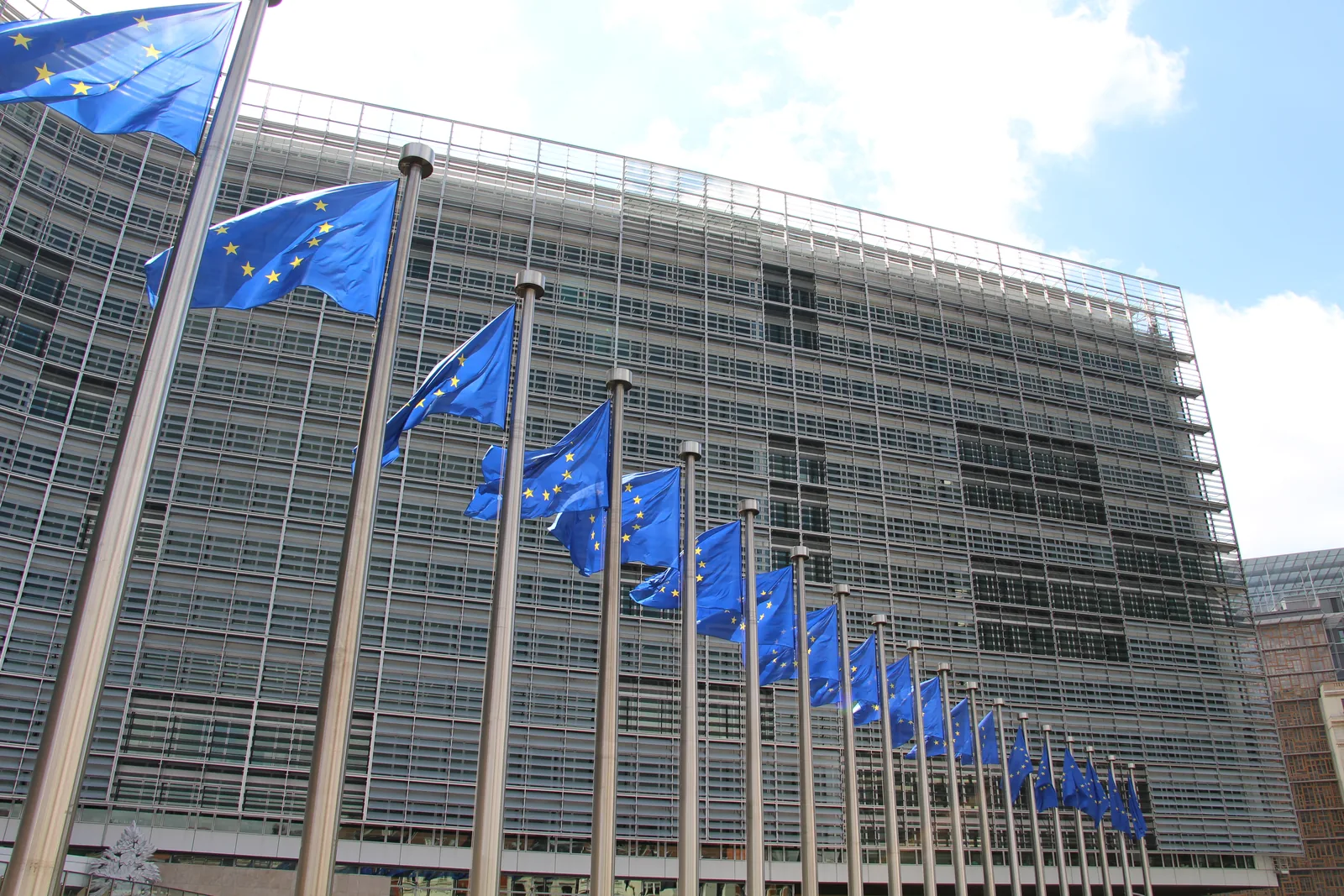
No other major economy has gone as far as the European Union on this front. Its updated Energy Performance of Buildings Directive requires any new structure over 1,000 square metres to put a life-cycle warming figure on its energy certificate starting 1 January 2028, extending to every new building two years later. REHVA, the federation representing building-services engineers, describes the shared methodology behind this, Delegated Regulation (EU) 2026/52 from May, as spanning everything from making and shipping materials through construction, running costs, upkeep and eventual demolition, written deliberately to favour circular, low-carbon choices.
That changes the arithmetic for anyone specifying materials on a European project. Carbon locked inside a wall becomes an asset rather than an afterthought, a salvaged steel beam looks better on paper, and plant-based options such as timber or hempcrete climb the rankings once a ledger tracks a structure across its whole life rather than just its running costs. The opposite danger exists too: chasing low operational energy alone could still reward bulky, carbon-heavy structures that save money on heating bills while costing the planet dearly up front. Pairing both figures on a single certificate, as Brussels now requires, is meant to close that loophole.
What to watch once Antalya wraps up
Nobody livestreamed the ministers’ session, though PEEB has promised to post a recording once the wider conference, running through 20 November, draws to a close. National governments are already gearing up for that 2028 reporting deadline, and whatever numbers show up on the first life-cycle certificates will become the yardstick every later building gets measured against.










Leave a comment