


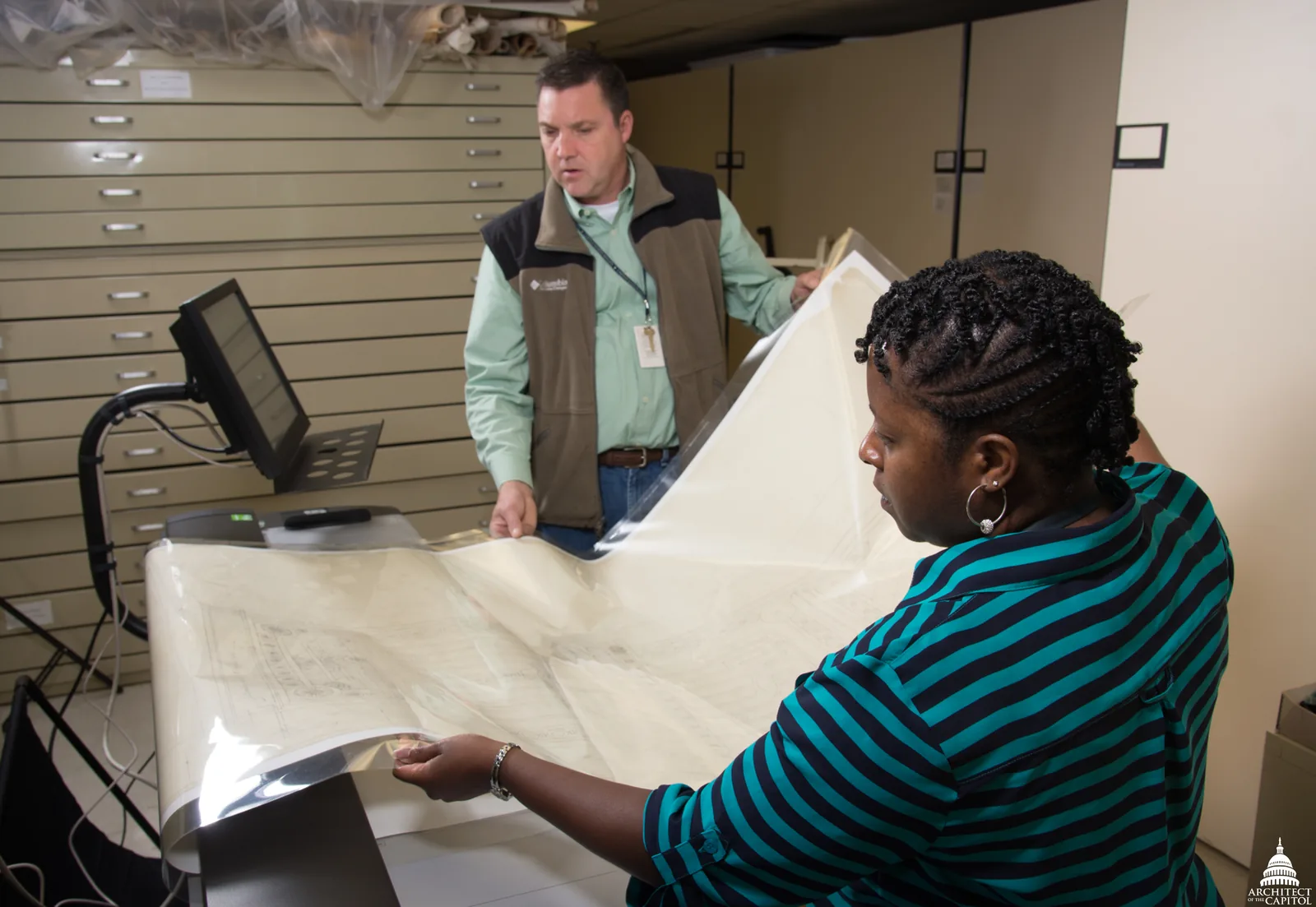
AI companies hunting for training data have started to approach architecture firms directly, offering to buy archived CAD files, drawing sets and project records. Archinect reported on 9 November that one company, Nyne.ai, is pitching practices with offers of six figures, and asked readers whether they had been contacted. The approach raises a question many practices have not had to consider: whether a firm that holds old drawings is actually free to sell them.
 Trimble Agent Studio Lets Construction Teams Turn In-House Know-How Into Custom AI Agents
 Blender 5.3 Adds Native Gaussian Splats, Opening a New Route From Site Scans to Architectural Visualisation
 Dynamo 4.3 Lets Architects Review Every Python Edit Autodesk Assistant Makes Before Accepting It
 Revit 2027.3 and 2027.4 Let Autodesk Assistant Build Dynamo Graphs and Bring Forma Daylight Analysis Into the Model
What the offers look like
The story started with a LinkedIn post by Simon Ha, an adjunct professor at USC, who shared a screenshot of a Nyne.ai advert. “This AI company is offering to pay six figures for your CAD files, including revisions and markups, to train AI models on how design work gets done,” Ha wrote. According to Archinect, the advert read: “You’ve got 3 years of CAD files doing nothing. We’ll pay you six figures for them.”
Nyne describes itself on its website as “the data factory for AI”, a research and data company that brings AI labs licensed data and expert knowledge, and it says it has raised 5.3 million dollars in seed funding. According to the site, each deal starts by establishing who owns the data, which uses are allowed and on what terms, and privacy measures are checked dataset by dataset. A comparison site, AI Data Payout, reports that Nyne has run a Meta advert to engineering firms headed “Your CAD files, paid for.”
Why AI labs want architects’ CAD files
Nyne is not the only intermediary. Troveo, a data licensing marketplace, says buyers are currently requesting design and project records from architects and contractors, and want complete projects in native formats such as Revit models and DWG files, ideally linked to calculations, RFIs and change orders. It puts typical full-company licensing deals at six figures and up, while noting there is no rate card. AI Data Payout argues that design files are scarce because, unlike text and code, they were never published online, citing a Fast Company report from August 2026 that such drawings and models sit on firms’ servers and in filing cabinets.

Ownership is the open question
Ha’s concern is legal rather than technical. “This raises serious questions about copyright and ownership of instruments of service,” he wrote, adding that possessing drawings does not automatically entitle a practice to license them to AI developers, and that stripping out client names may not settle the matter.
Even the brokers point to contracts. Troveo says that under standard architect’s agreements the architect usually keeps ownership of drawings and models and licenses them to the owner for that project, but it advises excluding material that a contract hands to the client, security-restricted projects, consultants’ work and anything supplied under a confidentiality agreement. It also stresses that its guide is not legal advice.
For practices weighing an approach, the sensible first step is a review of appointment terms and client confidentiality clauses with a lawyer, before any files are shared. Archinect has invited architects who have been contacted to describe their experience in the comments under its story.















Leave a comment