


Few cities are as hard to read on a map as Chongqing, where streets, plazas and walkways sit at many different levels. To make sense of it, an architect who publishes on YouTube as Sluda Builds spent more than six months on Chongqing in Minecraft, rebuilding the city’s Yuzhong District block by block. The finished model contains more than 1,000 buildings and explores how steep terrain, infrastructure and pedestrian space fit together, Archinect reports.
The architect, Seth, says the project started with a viral TikTok filmed at Kuixinglou Plaza, where the city’s overlapping levels made him want to understand how its urban fabric actually works. He was drawn, he said, to the challenge of recreating something that seemed nearly impossible to understand.
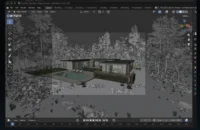
From Rhino massing to Minecraft blocks
Working alone, he combined Rhino, Grasshopper and Minecraft. His architectural training shaped both the first modelling stage in Rhino, used to establish massing, scale and the relationship of buildings to the terrain, and the choice of scale for the final build. The model had to be detailed enough to capture the city’s spatial complexity but still manageable for a single person.
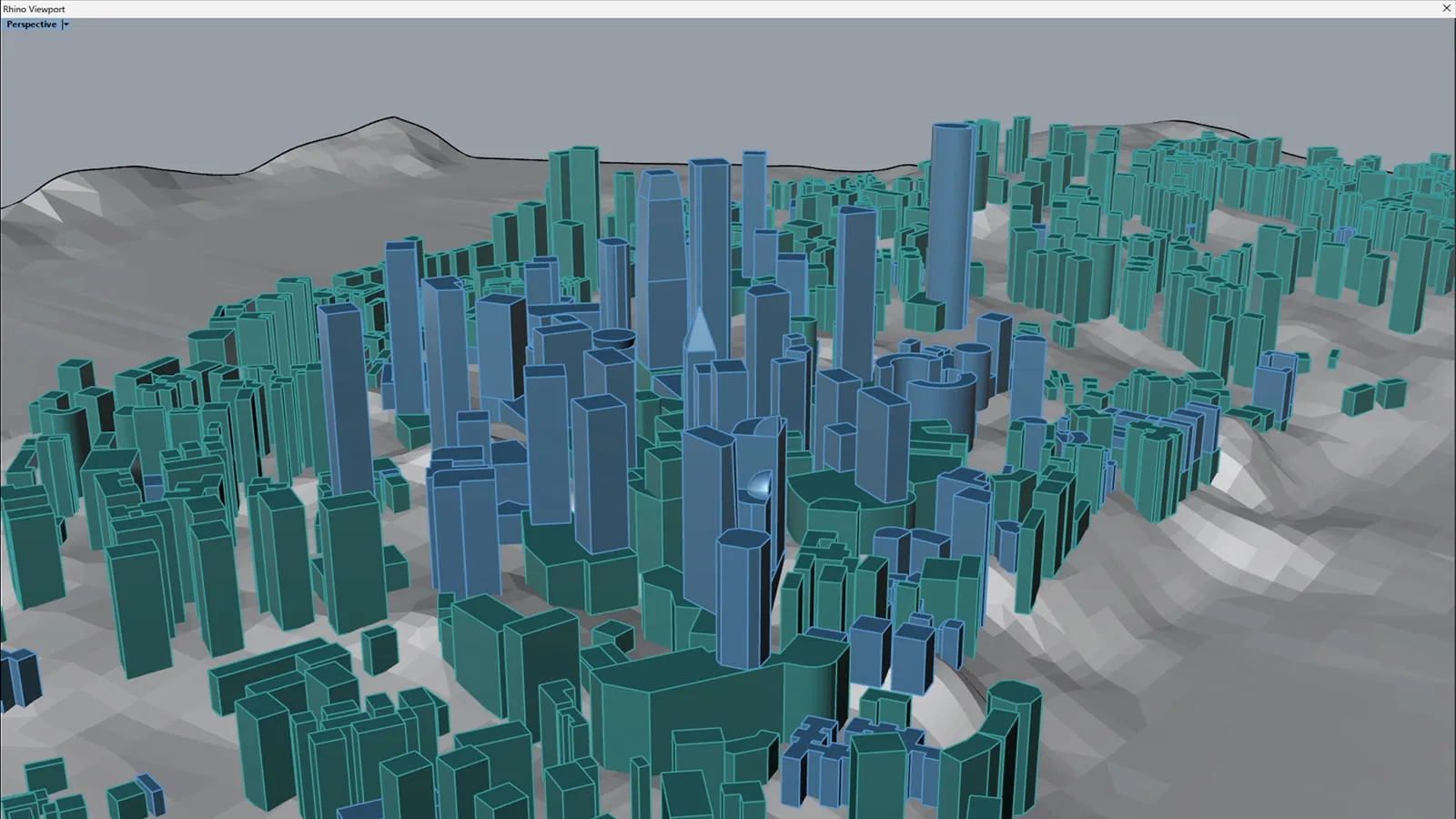
Minecraft then became the medium for experiencing the result. It is familiar to a huge audience and lets viewers move through the reconstruction at street level, continuing the game’s use as an informal architectural modelling tool. Seth documents the process in a video of about 30 minutes that moves from terrain modelling and procedural building generation to infrastructure and individual neighbourhoods.
Learning volumetric urbanism
The build introduced him to the idea of volumetric urbanism, which shifted his focus to the pedestrian network and how it moves across many elevations. Treating the whole city as one three-dimensional volume, he explained, frees public space from the ground plane so that it can appear wherever it serves the wider network.
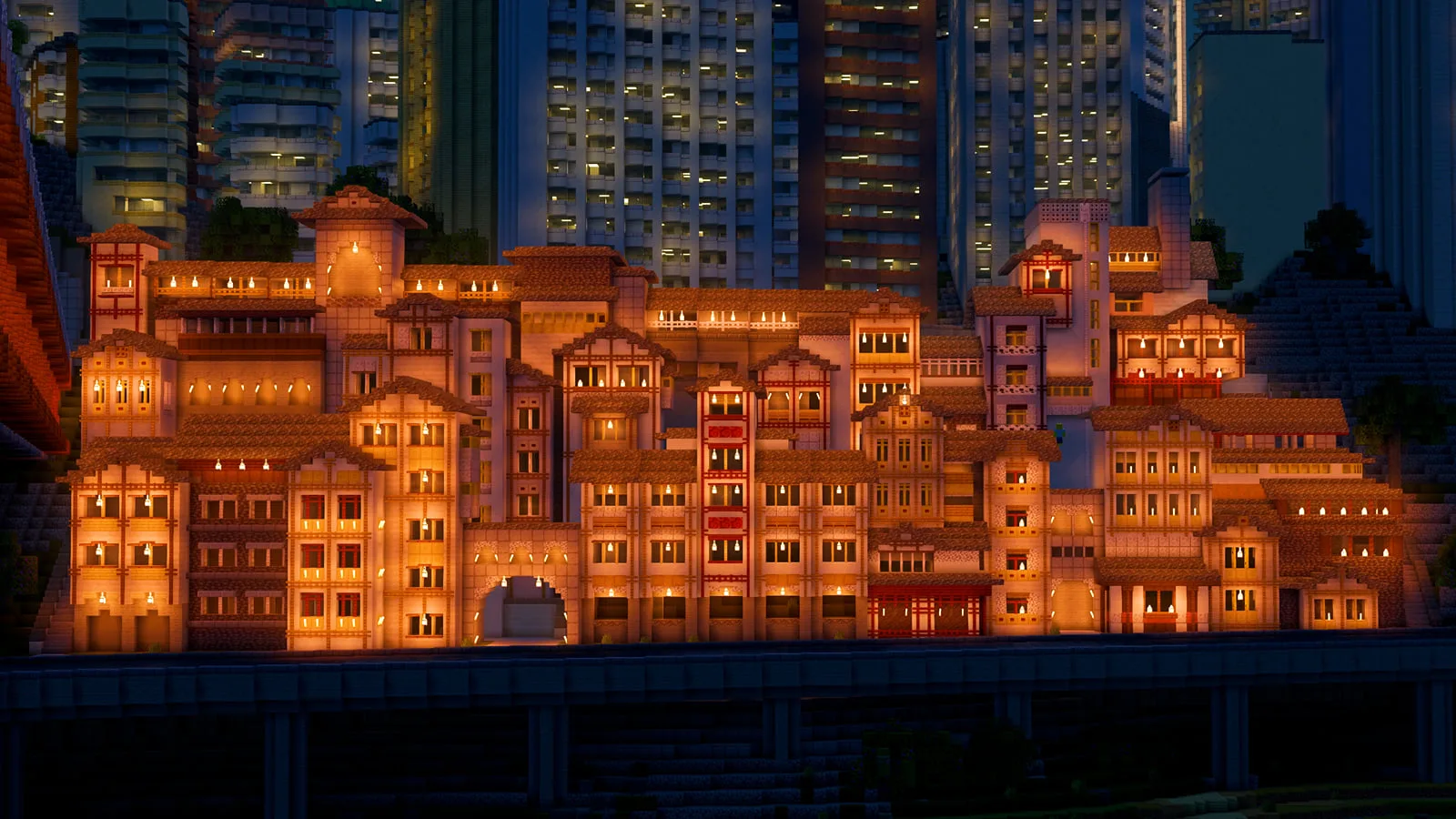
Elevated bridges, outdoor escalators, stacked streets and public routes that pass through buildings became central to his reading of Chongqing. Reconstructing them showed how individual buildings take part in a larger circulation system shaped by topography. Towers on rocky slopes, tunnels running beneath dense blocks and links between buildings challenged his assumptions, and he says the experience completely expanded his sense of what can be built in real life.
For students, the project is a useful reminder that modelling a place, in any medium, is one of the most direct ways to understand how it works.




Leave a comment