



Table of Contents Show
Thermal mass in building design is a material’s ability to absorb, store, and slowly release heat. Dense materials like concrete, brick, stone, and water soak up warmth during the day and give it back as temperatures fall, which steadies indoor conditions and cuts the load on heating and cooling systems.
Heavy, dense parts of a building do quiet work. A concrete floor or a masonry wall can hold heat for hours, then let it go when a room starts to cool. Used well, this effect flattens temperature swings and trims energy bills. Used carelessly, it can make a space less comfortable, which is why it pays to understand how it actually behaves.
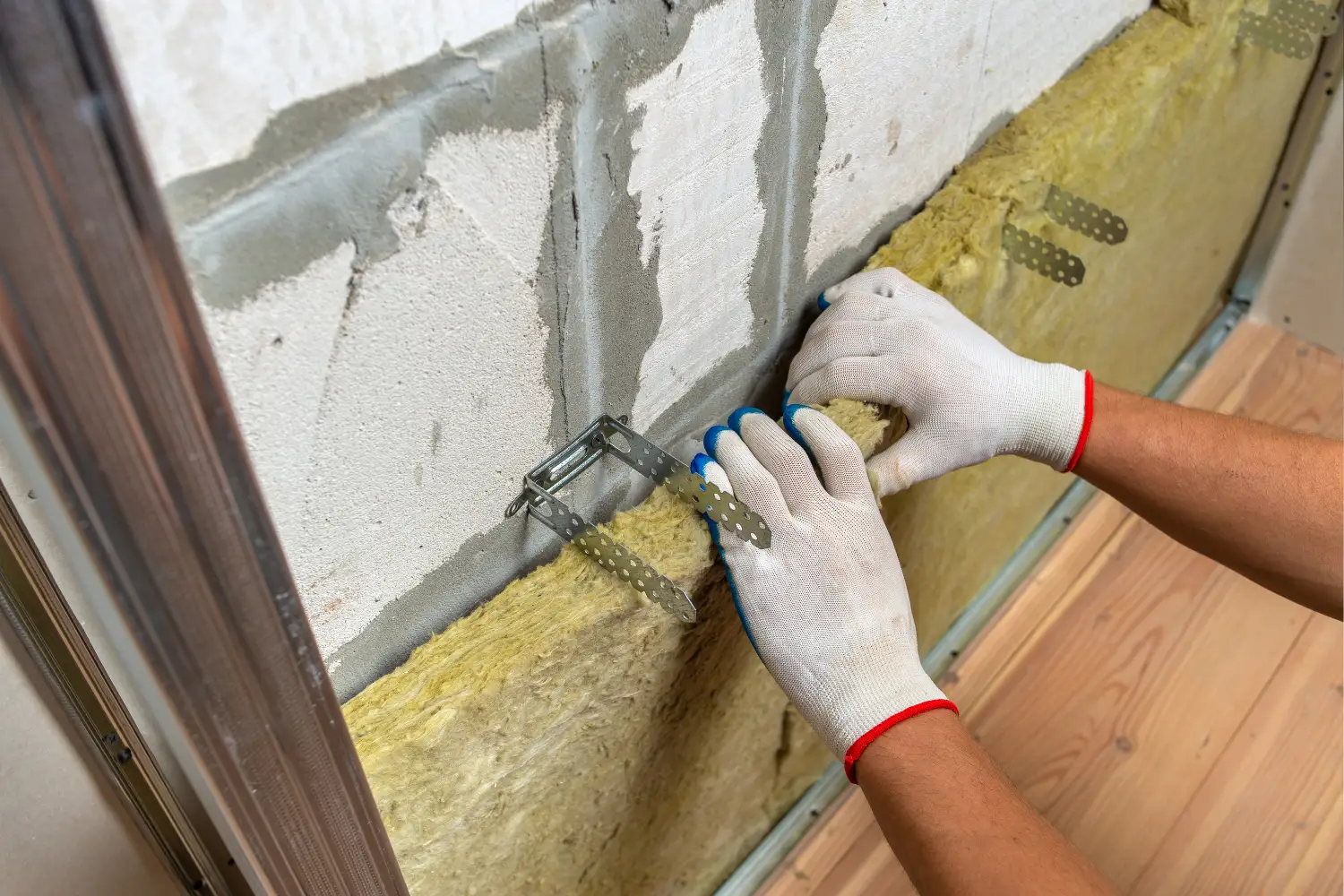
What Does Thermal Mass Mean?
Thermal mass describes how much heat a material can hold before its own temperature shifts much. It is closely tied to a property physicists call heat capacity, the energy needed to raise a material’s temperature, covered in the technical background on thermal mass. Dense, heavy materials such as concrete, brick, and stone score high. Lightweight materials like timber framing or plasterboard score low.
So when people ask what thermal mass means in practice, the short answer is thermal inertia. A high mass wall resists sudden temperature change. It warms slowly and cools slowly, sitting between the outdoor climate and the people inside as a buffer. That buffering is the whole reason thermal mass in building design matters.
🎓 Expert Insight
Thermal mass only pays back if it is charged by sun that actually strikes it. Our sun path diagram generator shows the altitude and bearing of that sun through the year.
“Mass buys you time, not free energy. It shifts heat by hours, so the real job is making sure cool night air can pull that stored warmth back out.”
This is a common view among passive design architects, and it explains why mass is rarely added on its own. It gets planned alongside night ventilation and shading so the stored heat has a way to escape.
How Thermal Mass Works in a Building
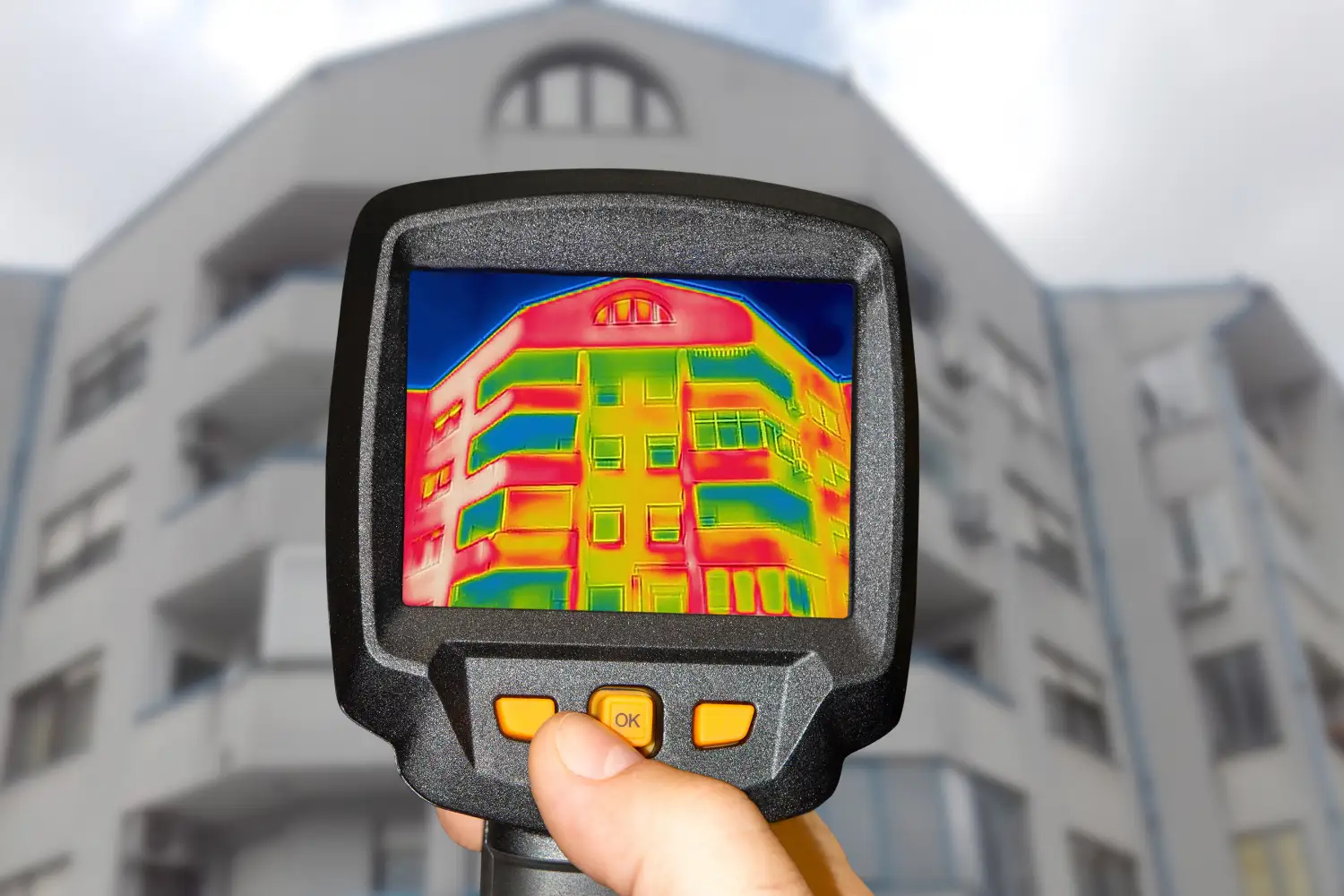
During the day, sunlight and warm air heat the exposed surface of a dense floor or wall. Instead of passing straight into the room, much of that heat soaks into the material. Hours later, once the sun is down and the air has cooled, the stored heat flows back out into the space. This delay between heat going in and coming out is called thermal lag, and a thick masonry wall can push the peak back by six to eight hours.
The result is a flatter indoor temperature curve. Daytime highs are lower because mass absorbs the surplus. Nighttime lows are milder because mass gives back what it stored. In a well planned building, this rhythm keeps rooms comfortable for long stretches with little or no mechanical help. That daily give and take, sometimes called thermal massing, is what makes heavy construction feel so stable indoors.
Is Thermal Mass the Same as Insulation?
No. They solve different problems and work best as a team. Insulation slows the rate at which heat passes through a wall. Thermal mass stores heat and delays its release. One resists heat flow, the other buffers it.
A frequent mix up is treating a thick concrete wall as if it were insulation. On its own, uninsulated mass will happily conduct heat from outside to inside. The stronger option in most climates is mass on the inside, wrapped by continuous insulation on the outside. The insulation holds outdoor heat and cold at bay, while the interior mass steadies the temperature of the living space.
💡 Pro Tip
When you place thermal mass, keep it inside the insulated envelope and leave the surface exposed to the room. A concrete slab buried under thick carpet, or a masonry wall hidden behind insulated stud framing, can barely trade heat with the air, so most of its benefit is lost.
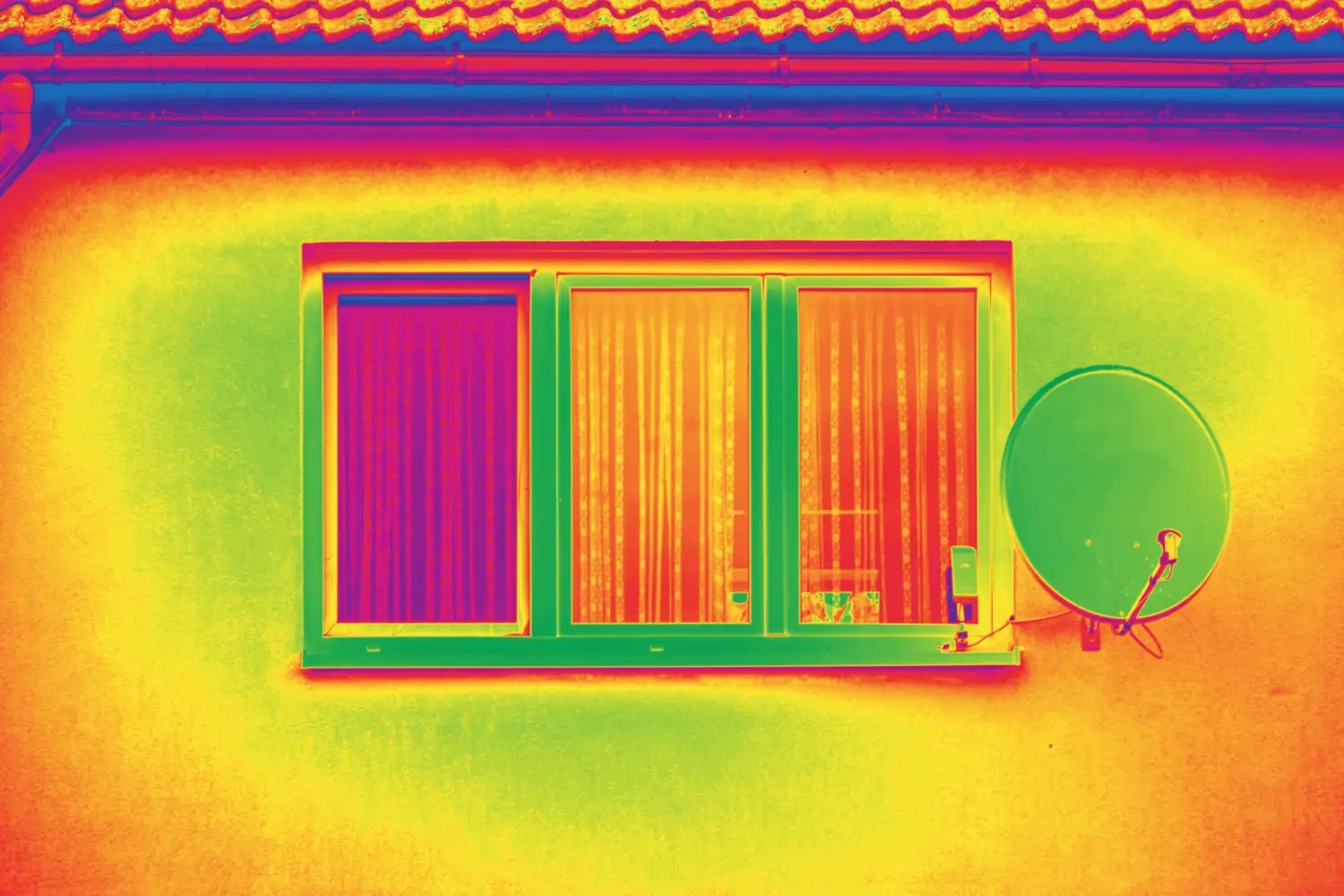
Thermal Mass Materials That Store Heat Best
The best thermal mass materials share two traits. They are dense, and they trade heat with the air well enough to charge and discharge over a daily cycle. Concrete, brick, natural stone, rammed earth, and water all qualify. Water is the outlier, since it holds more heat per kilogram than any common building material, which is why water walls and barrels appear in passive solar designs.
📌 Did You Know?
Kilogram for kilogram, water stores close to five times more heat than concrete. Its high specific heat, around 4.2 kilojoules per kilogram per degree Celsius, is why gardeners line greenhouses with water filled drums to hold overnight warmth.
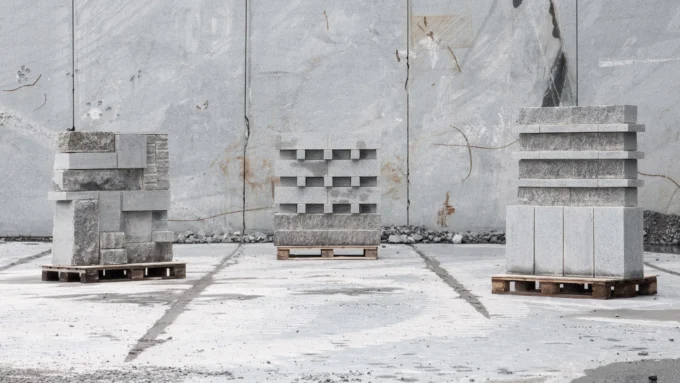
Concrete earns its popularity by combining high density with easy forming. A structural slab doubles as thermal mass at no extra material cost, so the thermal mass of concrete is often built into a project by default. Brick and stone behave much the same and bring their own texture, one reason exposed masonry sits at the center of styles like eco-brutalist design. Earth based walls, from adobe to rammed earth, offer comparable performance using low impact, locally sourced natural construction materials.
Common Thermal Mass Materials
The table below groups familiar options by how much heat they hold and where they usually show up in a building.
| Material | Thermal Mass | Typical Use |
|---|---|---|
| Water | Very high per unit weight | Water walls, barrels in greenhouses |
| Concrete | High | Slab floors, structural walls |
| Brick | High | Feature walls, facades |
| Natural stone | High | Floors, walls, thermal cores |
| Rammed earth or adobe | Moderate to high | Load bearing walls in dry climates |
Does Thermal Mass Work in Every Climate?
Not equally. Thermal mass pays off most where days are warm and nights are cool, because it needs that nightly dip to release the heat it gathered. Deserts and high, dry regions with a wide diurnal temperature swing are close to ideal.
The architect and educator Norbert Lechner offers a handy rule of thumb: mass earns its keep when night temperatures fall at least about ten degrees Celsius below your indoor target, a threshold echoed in a peer reviewed study of thermal mass performance. In hot, humid climates where nights stay warm, mass has little chance to discharge and can even trap unwanted heat. Australia’s government YourHome guide makes the same case from the other side: thermal mass only performs when it is paired with orientation, glazing, shading, and ventilation. Poorly placed mass can soak up the warmth you want on a winter night, or radiate stored heat at you during a summer heat wave.

Thermal Mass in Homes and Greenhouses
In houses, the most common move is an exposed concrete or tile floor that catches winter sun through well oriented glass. Feature brick walls, a central masonry core, or reverse brick veneer construction add mass higher up. In colder settings, a masonry heater, also called a thermal mass heater, burns a short, hot fire and stores the heat in a large masonry body, then radiates it gently for many hours. These are the building blocks of thermal mass home design, and they work best when the sunlit path to the mass stays clear.
Greenhouses use the same idea at a smaller scale. Because a glass structure heats fast by day and loses heat fast at night, growers add thermal mass for the greenhouse in the form of water barrels, stone, or a masonry back wall. The mass soaks up daytime warmth and releases it after dark, holding off frost and evening out the swings that stress plants. A row of dark, water filled drums along a sunless wall is a classic, low cost greenhouse thermal mass setup.
🏗️ Real-World Example
Eastgate Centre (Harare, 1996): Architect Mick Pearce and Arup engineers skipped conventional air conditioning for this office and retail complex, relying on concrete and brick thermal mass plus a night flush ventilation system inspired by termite mounds. By its published figures, the Eastgate Centre runs on roughly a tenth of the energy a conventionally cooled building of similar size would use.
Eastgate sits alongside other landmark schemes in most round-ups of green architecture projects, and it shows how far passive thermal mass can carry a building when the climate cooperates.
The Bigger Picture
It helps to stop treating thermal mass as an add-on for green credentials. Thermal mass in building design is really a timing device. Mass cannot create energy or stand in for insulation, but it can move heat across the hours of a day and shave the peaks that drive heating and cooling bills. Match it to a climate with cool nights, keep it inside the insulated shell, and let air and sun reach it, and a slab of ordinary concrete quietly does work that machines would otherwise have to.
Thermal performance depends on your climate, construction, and layout. For a specific project, have the details checked by a qualified architect or building energy professional.
Frequently Asked Questions
Is thermal mass the same as insulation?
No. Insulation resists heat moving through the building fabric, while thermal mass absorbs heat and releases it later. They complement each other, and the usual best practice is interior mass protected by exterior insulation.
What materials have the most thermal mass?
Dense materials store the most heat. Water leads on a per weight basis, followed by concrete, brick, natural stone, and rammed earth or adobe. Timber and plasterboard hold very little by comparison.
Does thermal mass work in hot, humid climates?
It is far less reliable there. Thermal mass depends on cool nights to release the heat it stores. Where nights stay warm and muggy, mass has little chance to discharge, so designers use it sparingly and lean harder on shading, insulation, and airflow.
Can you add thermal mass to an existing home?
To a point, yes. Options include exposing a concrete slab, laying stone or tile over a solid floor, adding a masonry feature wall, or placing water containers in a sunlit spot. The gain depends on how much sun and room air can actually reach the mass. For related ideas, see our guides to designing homes for hot climates and natural cooling strategies.














Leave a comment