


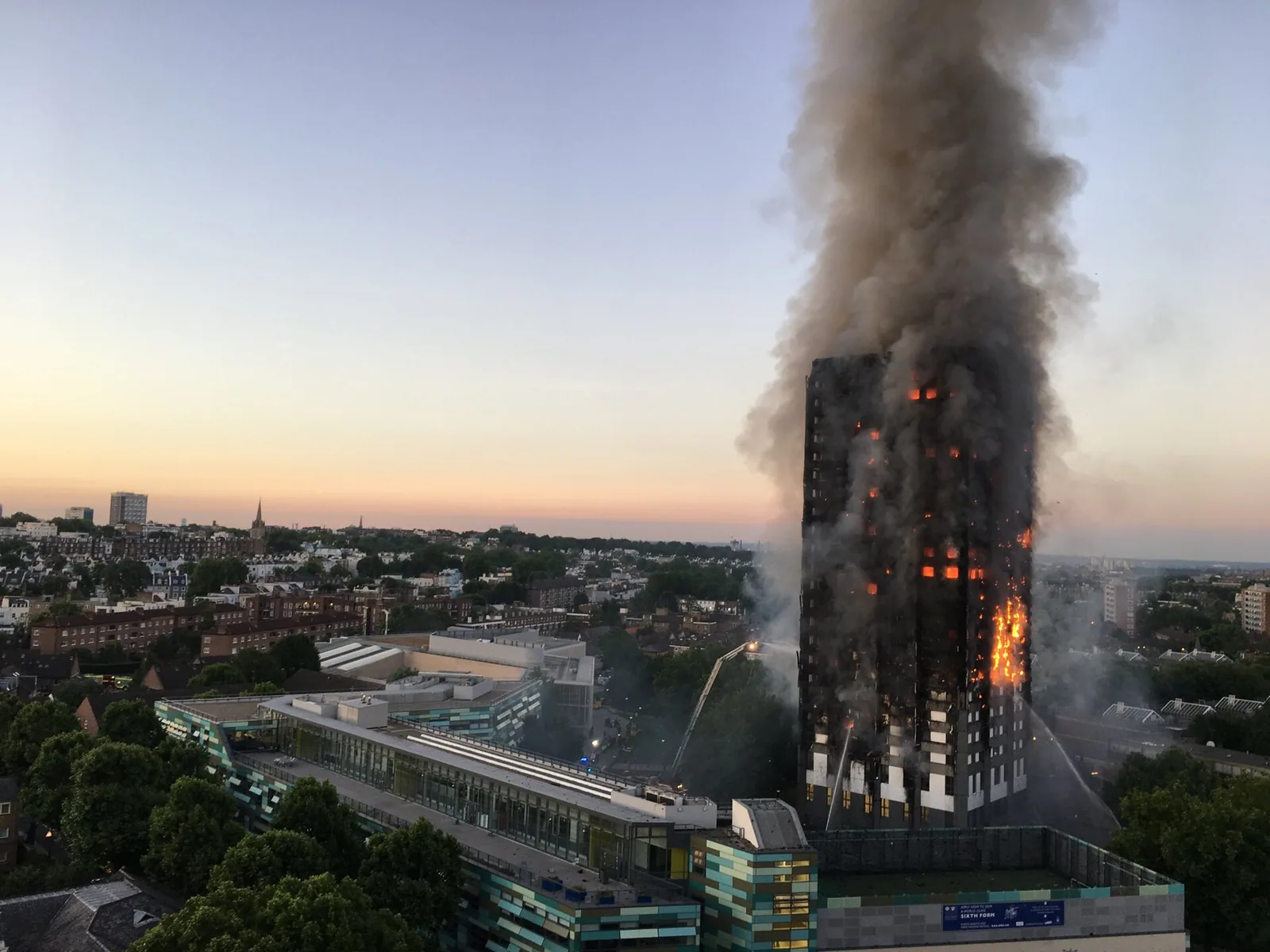
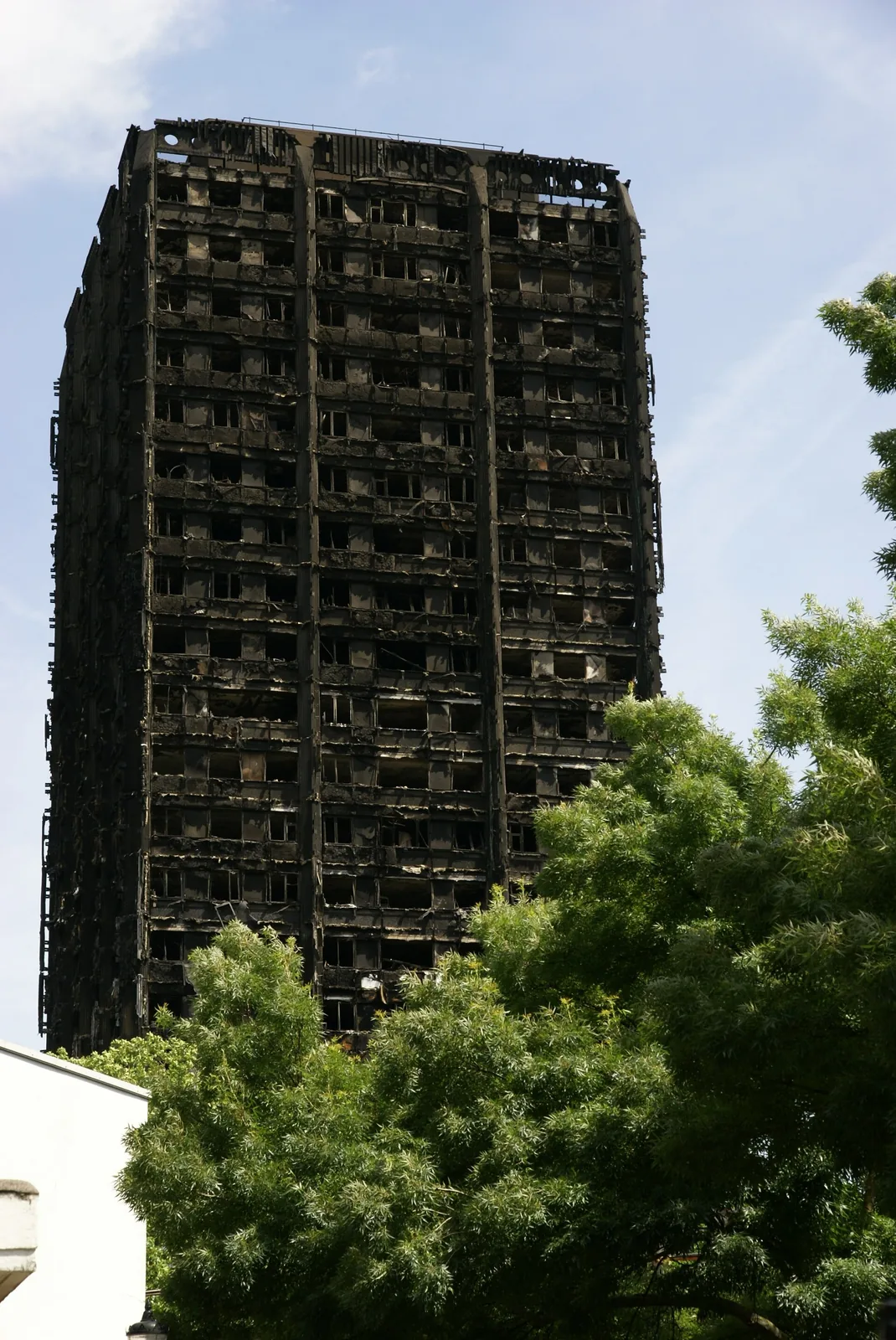
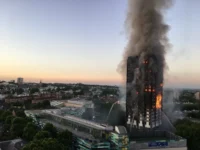
Researchers at the University of Hertfordshire are starting a project on the chimney effect, the rapid movement of heat, flames and smoke through the vertical voids of a building, which helped fire and smoke spread so quickly during the Grenfell Tower disaster in 2017. New Civil Engineer reports that the work pairs the university’s School of Physics, Engineering and Computer Science, known as SPECS, with Ambar Kelly, a company that makes fire safety products for risers in multi-storey buildings.
 Studio in the Woods Turns 20 With a Film About Its Timber Live-Builds at Hooke Park
 Shimizu Invests in Noble Machines to Bring Humanoid Robots to Construction Sites
 Japan’s ACIMUS Raises About ¥65 Million for a Chat-Based BIM Tool and Partners With JR East
 CADCraft, a Free AutoCAD-Style Drafting App Written in Rust, Was Built Around AI Coding Agents
Ambar Kelly is based in Welwyn Garden City, according to the university’s announcement. The project is set up as a Knowledge Transfer Partnership (KTP), a government-backed scheme that places academic expertise inside a business; the university says it has already run more than 112 of them across different sectors.
What the chimney effect is
Lift shafts, stairwells, service risers, ducts and the cavities behind cladding all run vertically through a tall building. If these routes are not properly sealed, divided into compartments and fire-stopped, they can behave like flues, pulling fire and smoke upwards and also spreading it sideways and even downwards into other floors. Every multi-storey building has at least one riser, the shaft that carries pipes, cables and other services, so the risk is not limited to unusual designs.
The Grenfell fire claimed 72 lives. NCE notes that the investigations highlighted combustible materials and smoke routes that sped up the blaze, and that fire safety specialists have since repeatedly flagged service shafts as a weak point in high-rise construction.
Simulation, testing and a product
The SPECS team will bring thermodynamic analysis and simulation, heat transfer modelling, structural design and fire safety materials expertise. It plans to use a high-performance computing cluster for the simulations, equipment for characterising materials and facilities for structural testing at high temperatures, while Ambar Kelly contributes its knowledge of riser protection and manufacturing. The stated aim is a product, not only a paper: Antonis Kanellopoulos, director of the university’s Centre for Engineering Research, said the partnership “aims to deliver a product which will provide a step-change in managing fire hazards within riser shafts.”
Why risers are back in focus
The company’s view is that attention since Grenfell has gone mostly to the outside of buildings. “Currently, fire safety in riser shafts is poorly understood,” said Ambar Kelly managing director Alex Bardett. “The Grenfell Tower fire tragedy led to the removal of combustible cladding, but riser shafts remain overlooked, despite their role in vertical fire spread.” He added that the project should address “critical gaps in current regulations” and could influence building safety standards.
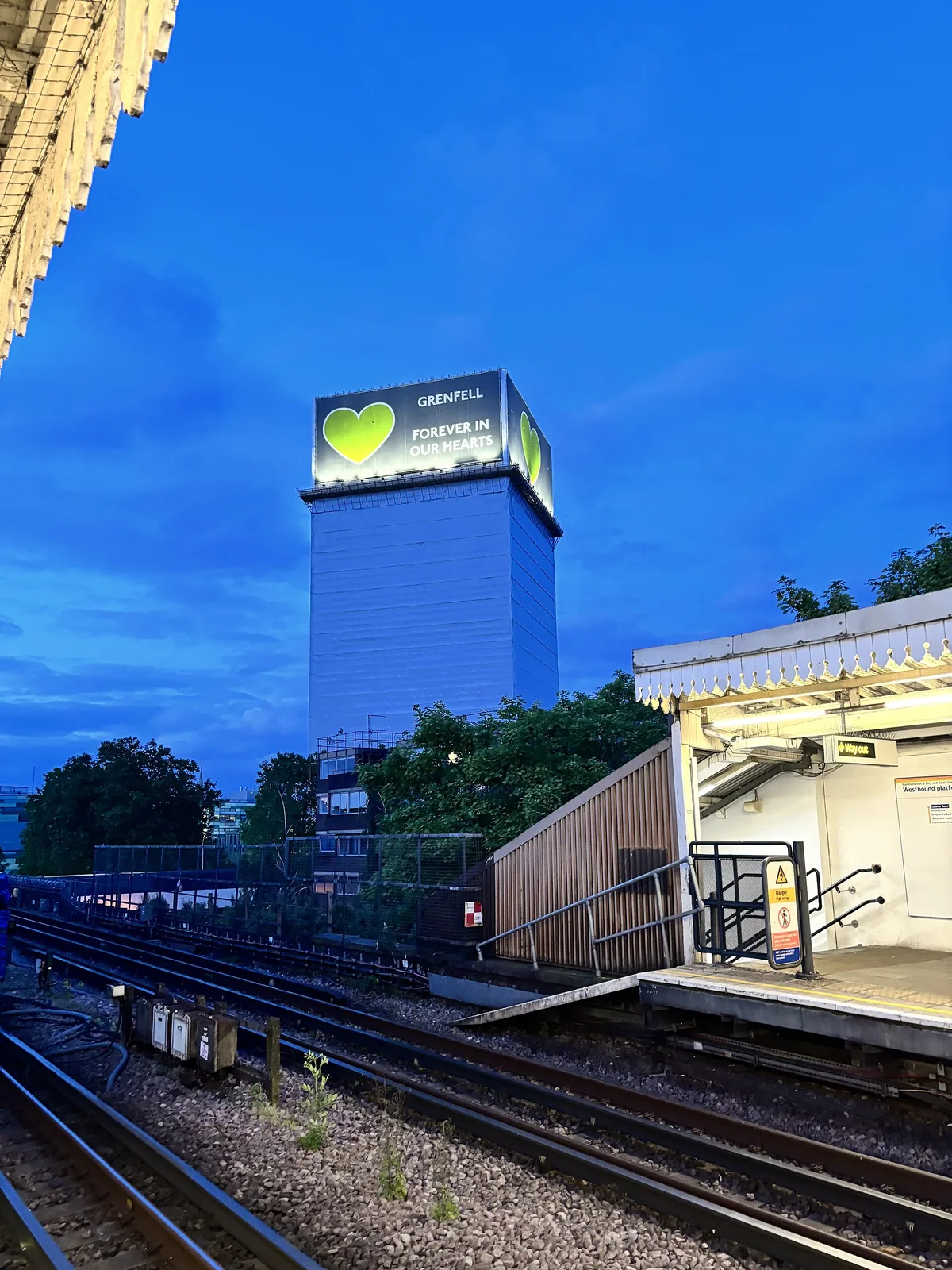
Tim Vorley, the university’s deputy vice-chancellor for research and enterprise, said the real test would be “creating safer buildings” and preventing the kind of fire and smoke spread seen in the past. No timetable, budget or test results have been published yet. For architects, the project is a reminder that compartmentation and fire-stopping around shafts are design decisions, set out in drawings and specifications long before anyone seals a riser on site.












Leave a comment