


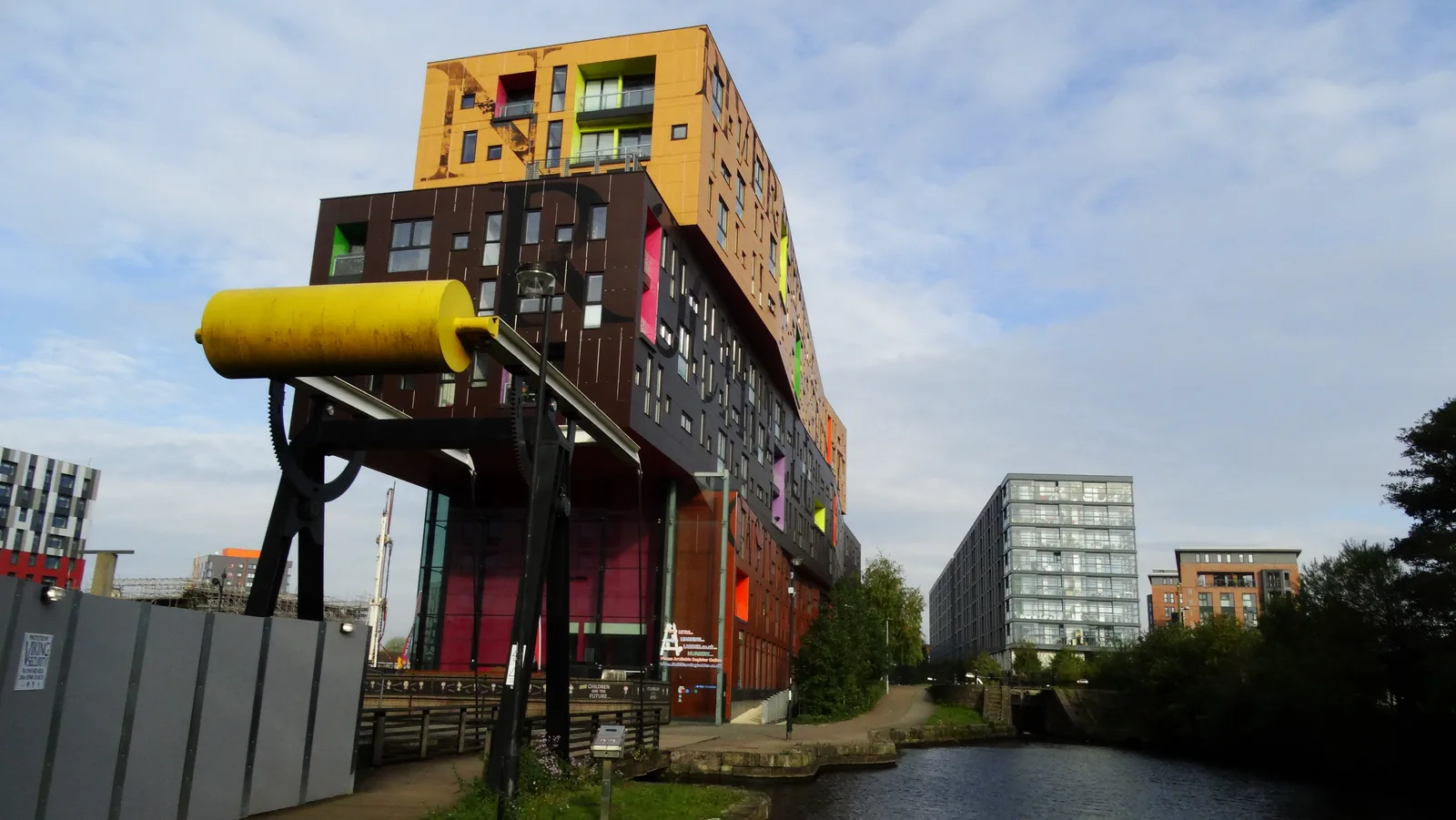
Urban Splash and four associated companies must contribute £46.5m to the cost of fixing fire safety defects in seven Manchester housing blocks. The Property Chamber of the First-tier Tribunal issued so-called remediation contribution orders against Urban Splash Limited and four related entities, among them Urban Splash Developments and Stubbs Mill. The five are jointly liable and have until 3 December 2026 to pay the housing ministry, MHCLG, the AJ reports.
 Piers Taylor Argues AI Shows How Narrowly Architects Have Defined Their Value
 Ex-Palantir Founders Launch Dream With $17M to Build AI World Models for Buildings
 AI Pipeline Cross-Checks Structural Design Documents and Flags 253 Discrepancies
 Chaos Acquires Vyssuals to Bring Live BIM Data Dashboards Into Enscape
Seven buildings, one bill
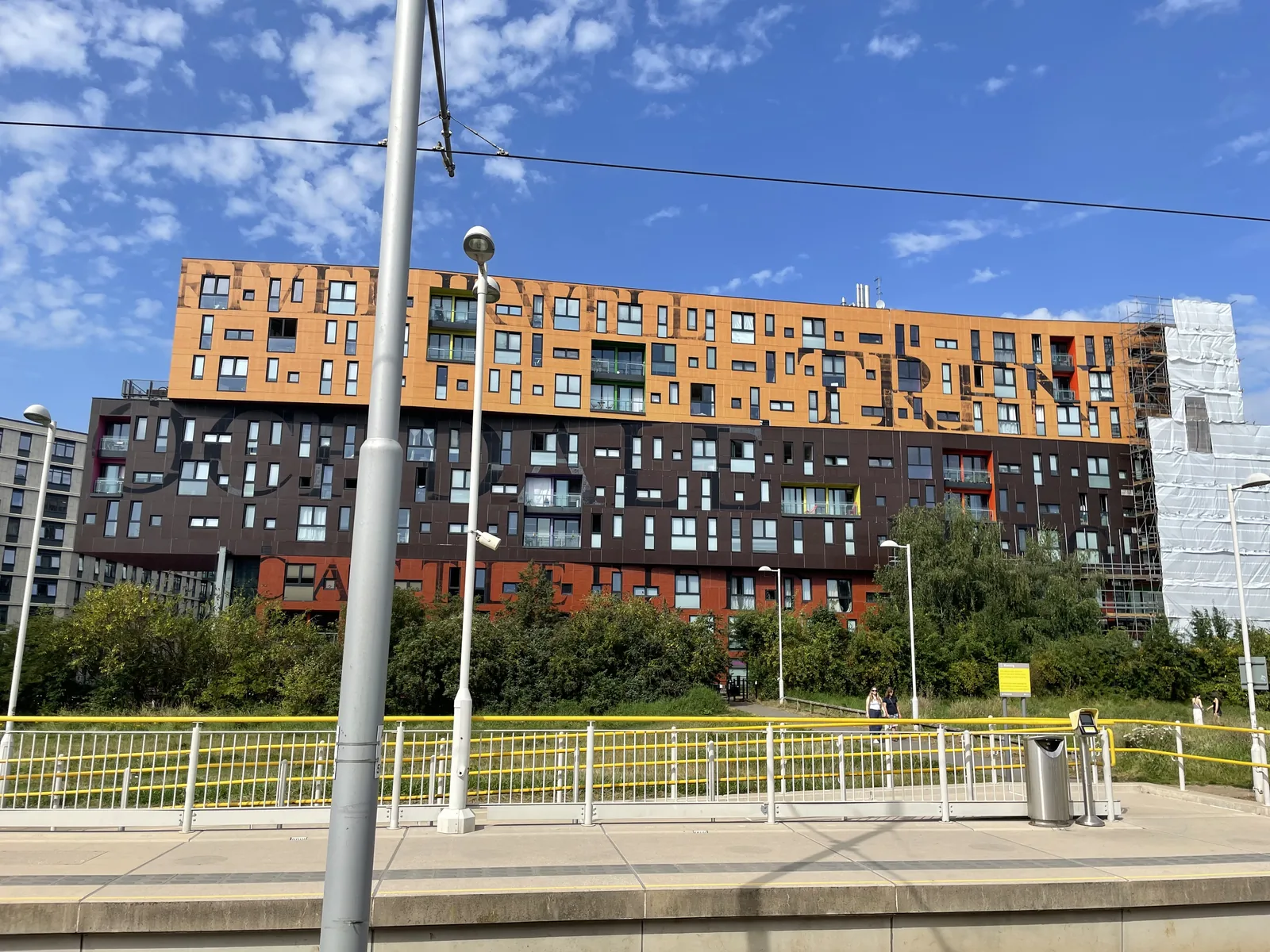
The blocks are some of the best-known products of the city’s regeneration years: Howells’ timber-clad Burton Place, shedkm’s Moho, Alsop Architects’ Chips, Box Works, and three 1960s towers that Union North Architects retrofitted, named Christabel, Emmeline and Sylvia House. Property Week says they were built between 2000 and 2008 and that the remediation has cost more than £60m in total.
The case began in March 2024, when then housing secretary Michael Gove sought the orders. The tribunal accepted that the government had reasonably committed £51.5m from the Building Safety Fund to the work and that the money should be repaid. It then reduced the figure by 10 per cent to reflect the government’s own shortcomings in regulation and oversight, stressing that this was an adjustment for fairness rather than a finding that the state caused a tenth of the defects.
How Urban Splash responded
The developer had disputed claims that it acted irresponsibly and argued that the government-funded works were wasteful and went further than fire safety required. After the decision, a spokesperson said the company was “disappointed by the decision to include a number of entities which played no part in the original development of these seven buildings” and was taking legal advice. The company described the liability as “significant for a business of our size” and said it now wants to agree a plan with the government that protects jobs and its pipeline of homes and regeneration schemes.
Settlement by shedkm and wider reach
The decision also notes that two shedkm companies paid the government £600,000 between them in a settlement agreed before the final hearing opened on 27 April 2026. The practice’s managing director, Hazel Rounding, told the AJ that the two companies were joined because of a former common director and that they settled “without any admission of liability” to avoid further legal costs.

Housing secretary Angela Rayner, as the AJ names her, welcomed the ruling, saying “those responsible for unsafe buildings need to pay their fair share to fix them.” Lawyers quoted by Property Week noted that it shows liability under the Building Safety Act reaching beyond the original developer to associated companies where a tribunal finds that just and equitable. For architects, it is another sign of how long the consequences of facade and cladding decisions from two decades ago continue to run.
















Leave a comment