


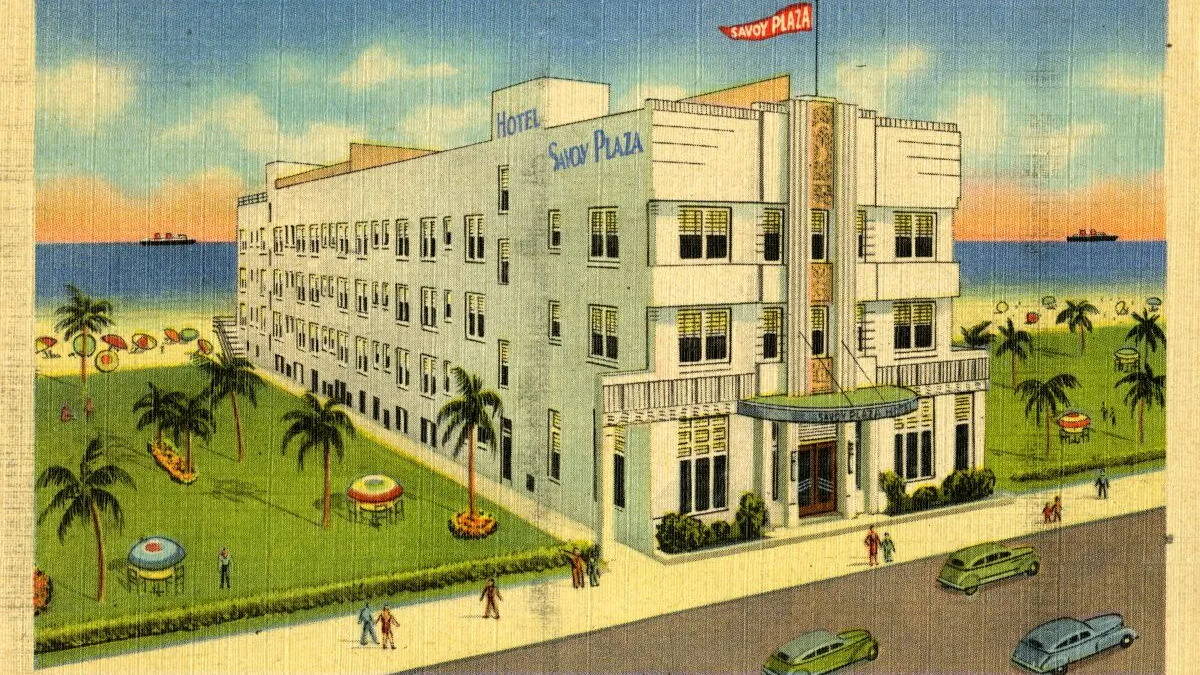
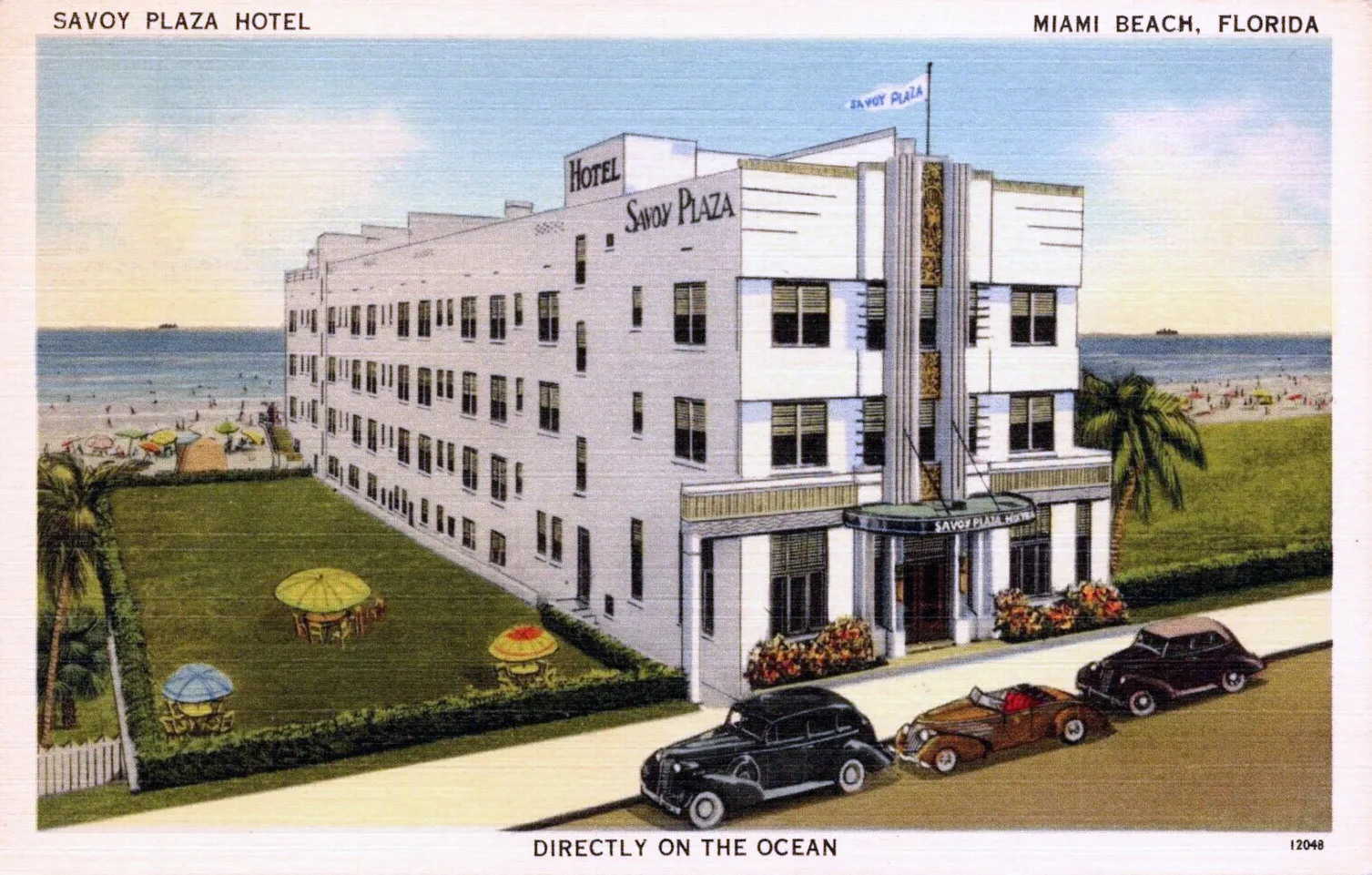
The Savoy Hotel, a low-slung Art Deco property that has anchored Miami Beach’s Ocean Drive since the 1930s, is headed for the wrecking ball, and city officials say there is nothing they can legally do about it. A letter of intent to demolish the site was filed with Miami Beach officials in April 2026, clearing the way for a 38-story residential and hotel tower where the historic buildings now stand.
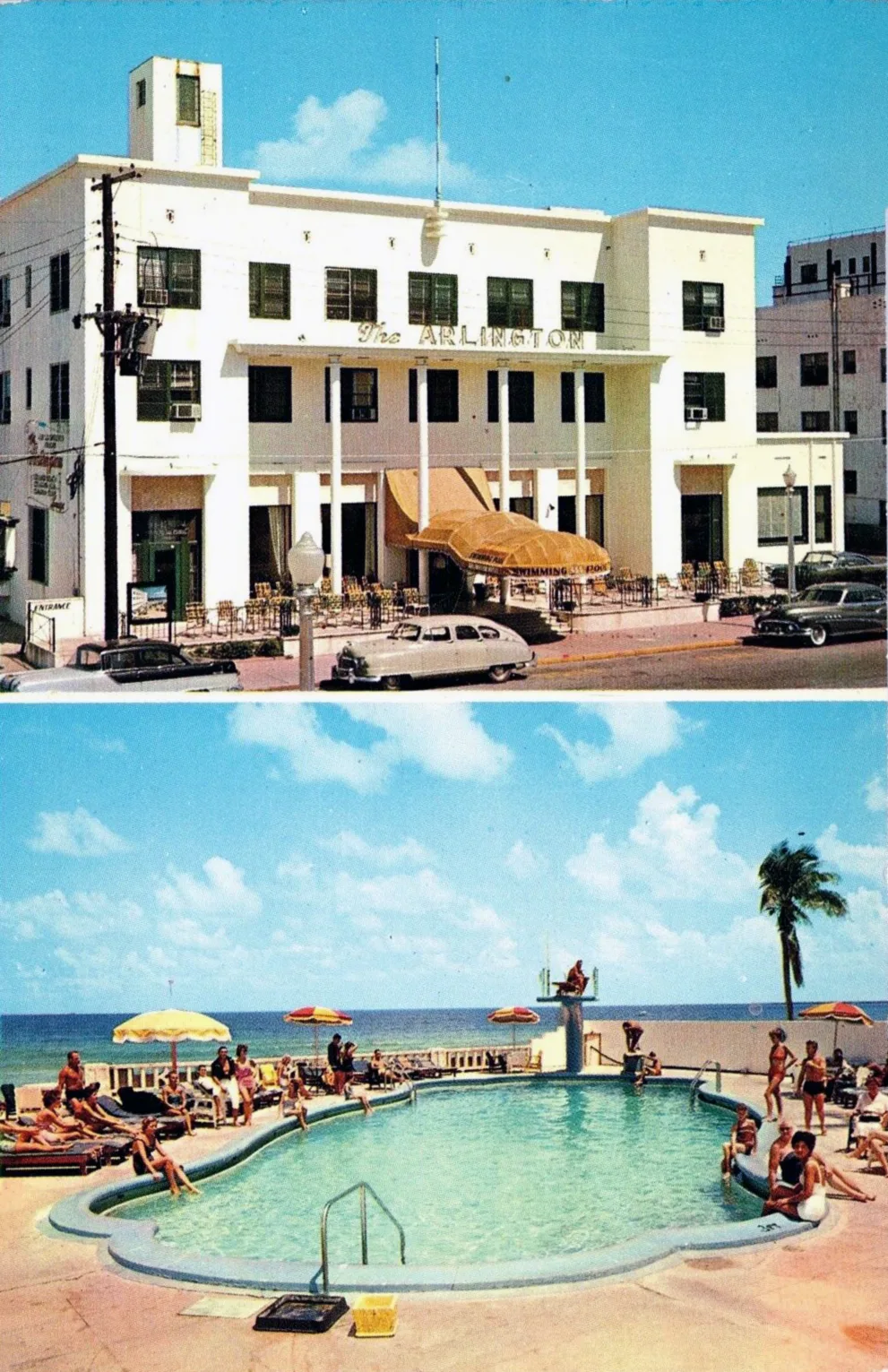
The property at 425 and 455 Ocean Drive is actually two structures: the Savoy itself, built in 1937, and the neighboring Arlington, built in 1941. Under the current plans, part of the Savoy would be retained, but the Arlington would be torn down completely. New York based real estate firm Allied Partners is behind the redevelopment, with Arquitectonica designing a tower that could rise as high as 480 feet and include 150 residential units, roughly 90 condos and 60 workforce rentals, alongside 76 hotel rooms, a beach club and pools.
How the Savoy Hotel demolition became possible
The project is the product of two Florida preemption laws working in tandem. The 2023 Live Local Act lets developers bypass local zoning rules and build as tall as the highest building allowed within a mile of a site, so long as at least 40% of units are set aside as workforce housing for three decades. Layered on top of that is the Resiliency and Safe Structures Act, signed by Governor Ron DeSantis in 2024, which strips local governments of the power to block demolition of historic buildings that fail to meet FEMA flood standards.
The bill’s sponsor, then State Senator Bryan Avila of Hialeah, faced organized opposition in 2023, when an earlier version, SB 1346, drew protesters to Ocean Drive. At a protest that year, resident Ileana Oroza needled the senator’s connection to the issue: “I love Hialeah, but Hialeah isn’t known for its architecture except for the race track,” she said. “And it’s a Hialeah senator that wants to take all this away? It’s just wrong.” Miami Beach Commissioner Alex Fernandez told the crowd at the same event to leave the city out of it, saying, “Stick to your district. Stick to Hialeah. Stick to Miami Springs. Leave Miami Beach alone!”
A predicted outcome for the Savoy Hotel
Meg Lousteau, executive director of the Miami Design Preservation League, says her organization saw this coming. The group published a blog post in 2024 naming the Savoy as a likely casualty of Avila’s bill. “This is something that was not only predictable, but was predicted, in fact, by the Miami Design Preservation League,” she said. Fernandez, reflecting on the outcome, put it more bluntly: “It’s the fulfillment of the prophecy pretty much. Everything that they said wouldn’t happen is exactly what is happening with this extremely irresponsible preemption, yet again, of local government.”
A carve-out in the law exempts historic properties inside National Register districts listed before January 1, 2000, which is why cities such as St. Augustine, Key West, Palm Beach, Tampa, Pensacola, West Palm Beach and Panama City are largely shielded. The Savoy sits just outside the Miami Beach Architectural District, which was added to the National Register in 1979, so it gets no such protection. “Really anything in the South of Fifth neighborhood of Miami Beach is a potential target, and we may lose any number of historic buildings for this reason alone,” Lousteau warned.
Fernandez said the city’s oversight has been reduced to a formality. “The city has been stripped of its authority to stop the demolition of historic properties like the Savoy and Arlington,” he said. “We still are trying to use whatever very limited authority we have to review the plans, but that is a diluted authority. Our hands have been tied.”
Part of a broader pattern in Miami Beach
The Savoy is not an isolated case. The same “unsafe structure” route brought down the MiMo-era Deauville hotel in 2022. Lousteau argues that pairing the flood law with the Live Local Act’s height and density allowances could reshape entire blocks of the city at street level, while cutting residents out of decisions that once went through public hearings.
For now, the Savoy’s future rests with an administrative permitting process that bypasses the kind of zoning review and community hearings that might once have given opponents a formal say. Attempts to reach Avila and the campaign of Republican gubernatorial nominee Byron Donalds, who selected Avila as his candidate for lieutenant governor, went unanswered.












Leave a comment