


A growing number of museums in the United States and Canada are abandoning the strict museum climate control rules on temperature and humidity that have governed how art is stored, displayed and loaned for half a century, as institutions look to trim energy costs and reduce their carbon footprints. Five Los Angeles institutions, including the Getty, the Hammer Museum, Hauser & Wirth, the Museum of Contemporary Art and the Los Angeles County Museum of Art, announced in March a joint pledge to adopt looser, internationally recognised climate benchmarks known as the Bizot Green Protocol.
The move reflects a broader reckoning within the museum world over a climate standard that has long gone largely unquestioned: a tolerance of no more than plus or minus 2 degrees Celsius and plus or minus 5 percent relative humidity, a benchmark drawn from 1970s research conducted for London institutions and later exported worldwide, regardless of local climate or building type.
Rethinking museum climate control guidelines
Heating, ventilation and air-conditioning systems can account for 60 to 70 percent of a museum’s total energy use, according to figures cited by The Art Newspaper. Because loan contracts typically require borrowing institutions to hold to the old numeric range, museums whose HVAC systems cannot meet them risk being shut out of loan opportunities altogether, an inequity that has pushed some in the field to act.
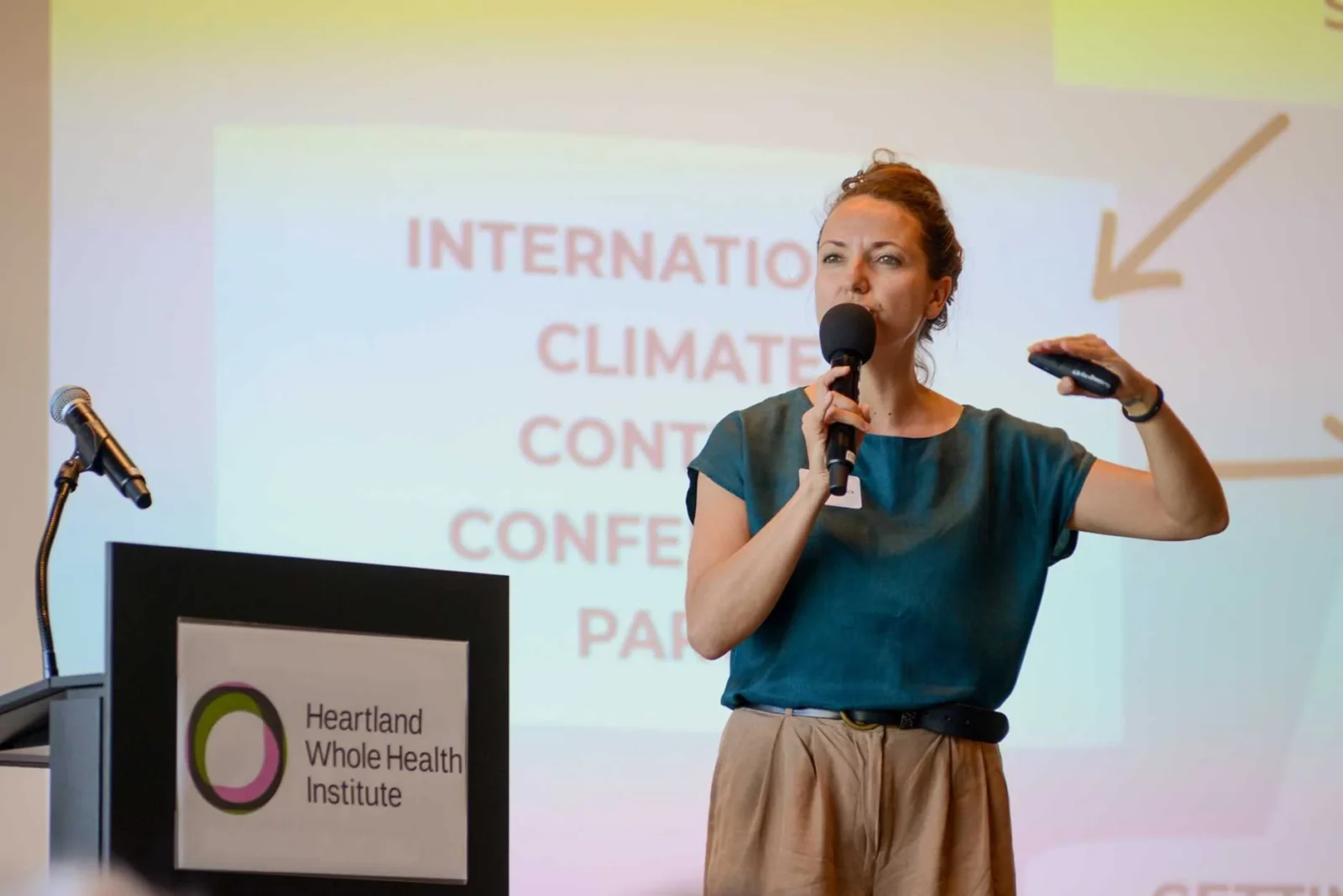
The Bizot group, a coalition of international museum directors, first proposed wider environmental ranges in 2015 and refined its guidance again in 2023 to favour a case-by-case, evidence-driven approach rather than a single universal number. Even so, adoption has been slow. “People love numbers, they help us make decisions,” said Caitlin Southwick, a conservator who founded the sustainability nonprofit Ki Culture. She added that the newer Bizot guidance is not meant to swap one fixed figure for another but to encourage decisions tailored to each object, building and climate.
Laura Lupton, a climate consultant who helped lead the Getty’s Climate Impact Program alongside artist Debra Scacco, said the Los Angeles pact carries weight because of the region’s exposure to wildfire, drought and earthquakes. “The Southern California museum landscape is a critical one because it’s on the frontline of so many climate conversations in a broader resiliency and disaster-planning way,” Lupton said, noting that Los Angeles County has been ranked by FEMA as the nation’s highest-risk county. She argued that a shared commitment among several major institutions could push the wider field toward treating flexible, research-based standards as the norm rather than the exception.
Energy savings and new data tools
Beyond Los Angeles, similar recalibrations are underway elsewhere. Through her Getting Climate Control Under Control programme, Southwick has guided institutions including the Portland Museum of Art in Maine, which recorded roughly a 9.5 percent drop in energy use after trialling the revised Bizot ranges, and the Royal Ontario Museum in Toronto, which is folding the looser standards into planning for an expansion. The Arkansas-based Art Bridges Foundation revised loan terms for 25 partner museums through the same programme, with some institutions widening their numeric ranges and others adopting agreements built on mutual trust between lender and borrower.
Gretchen Dietrich, executive director of the Utah Museum of Fine Arts, said her institution had previously enforced a strict 5 percent humidity tolerance that was difficult to sustain in the arid western United States. “We are more willing to work with partners to accept larger fluctuations in temperature and humidity for loaned objects,” Dietrich said.
Data is playing a growing role in persuading institutions to change course. The nonprofit Environment and Culture Partners rolled out a tool this summer called Min/Max, which lets museums model how adjusting their climate ranges would affect energy bills and emissions based on their HVAC systems, regional climate and building specifications. “We realised about five years ago that it’s hard to make a case for change without raw data,” said Sarah Sutton, the group’s co-founder and chief executive, adding that hard numbers can help win over financial leadership who are otherwise removed from sustainability discussions.
The risks of rigid climate systems
Supporters of looser standards also point to safety concerns. Southwick said that during heatwaves, HVAC systems in older or under-resourced buildings often cannot maintain narrow ranges at all, and the strain can cause equipment failures. She cited the 2018 fire at the National Museum of Brazil in Rio de Janeiro, which investigators linked to an overheated HVAC unit and which destroyed much of the museum’s collection. “An HVAC breaking down is much more dangerous and much riskier to an object than controllably and safely acclimatising collections to broader ranges,” Southwick said. This past summer, several museums in Europe reduced hours or closed temporarily during extreme heat, decisions attributed publicly to staff and visitor safety but which also eased pressure on strained climate systems.
Despite the momentum, advocates say change will not happen quickly.
Organisers say the reach of these efforts will expand next year, when 30 additional museums are set to join the Getting Climate Control Under Control programme.
Museum climate control is a building services problem with a conservation brief attached. The envelope side is covered in thermal mass in building design, and the wider energy question in what the existing stock already holds.











Leave a comment