


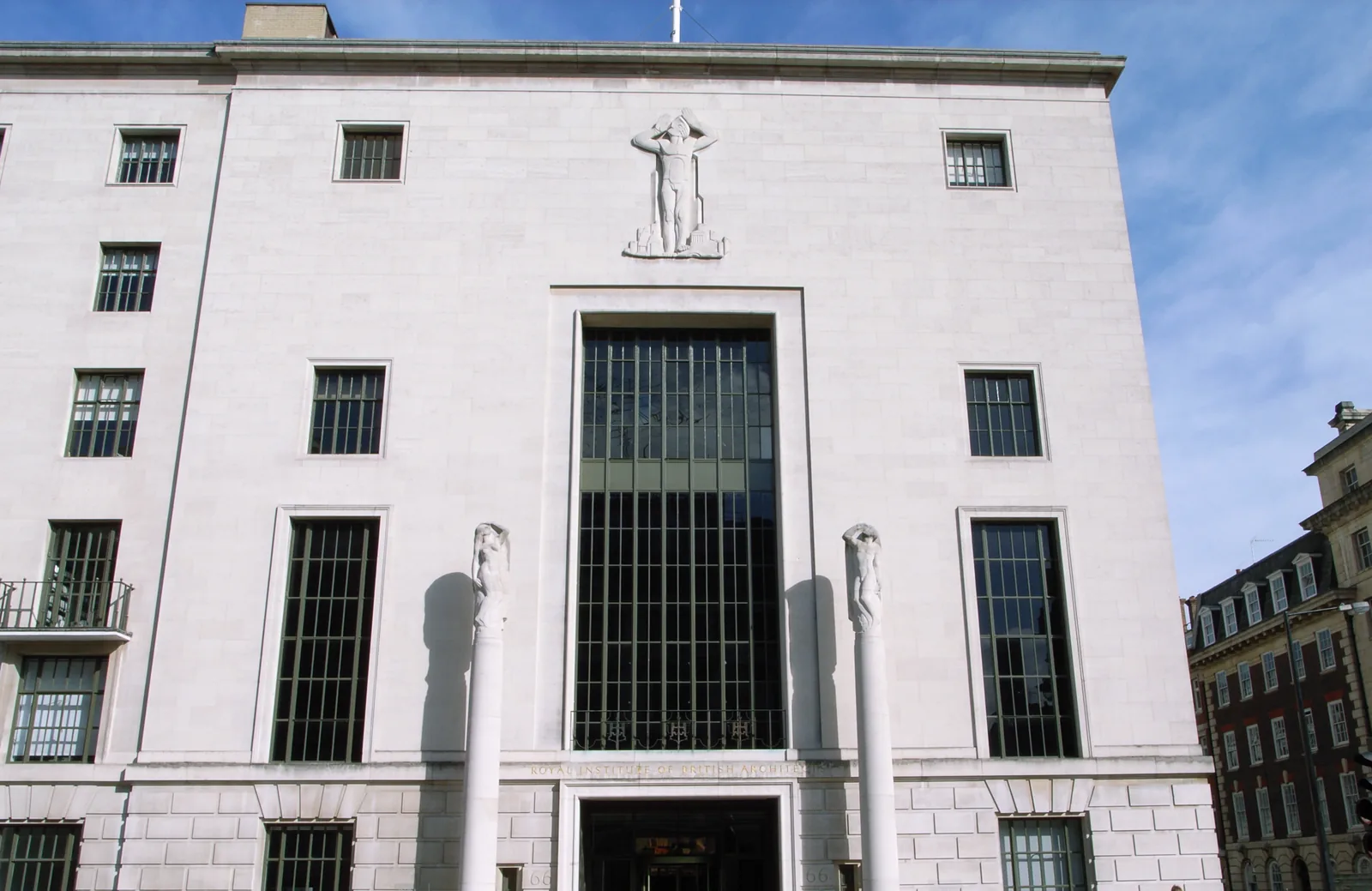
Architects who find their work copied should soon have a simpler and cheaper way to fight back. On 4 November 2026 the UK government published its response to an Intellectual Property Office consultation on design protection, promising to make registered and unregistered design rights easier to understand and to enforce. What it will not do is make copying a crime. The RIBA, one of 90 organisations and businesses that responded, welcomed the package.
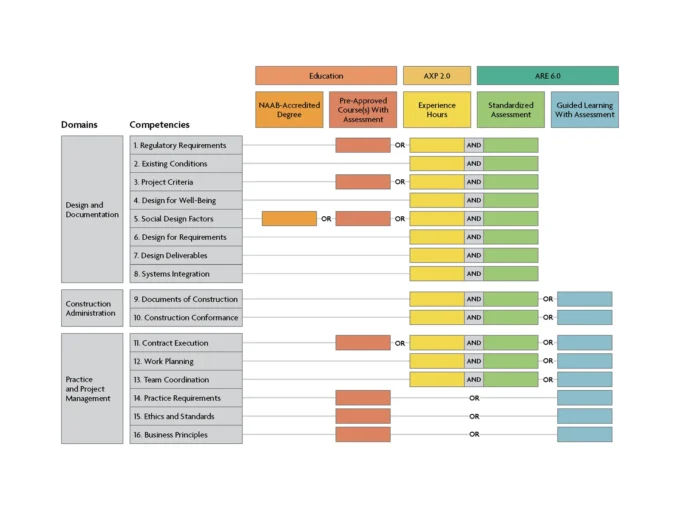
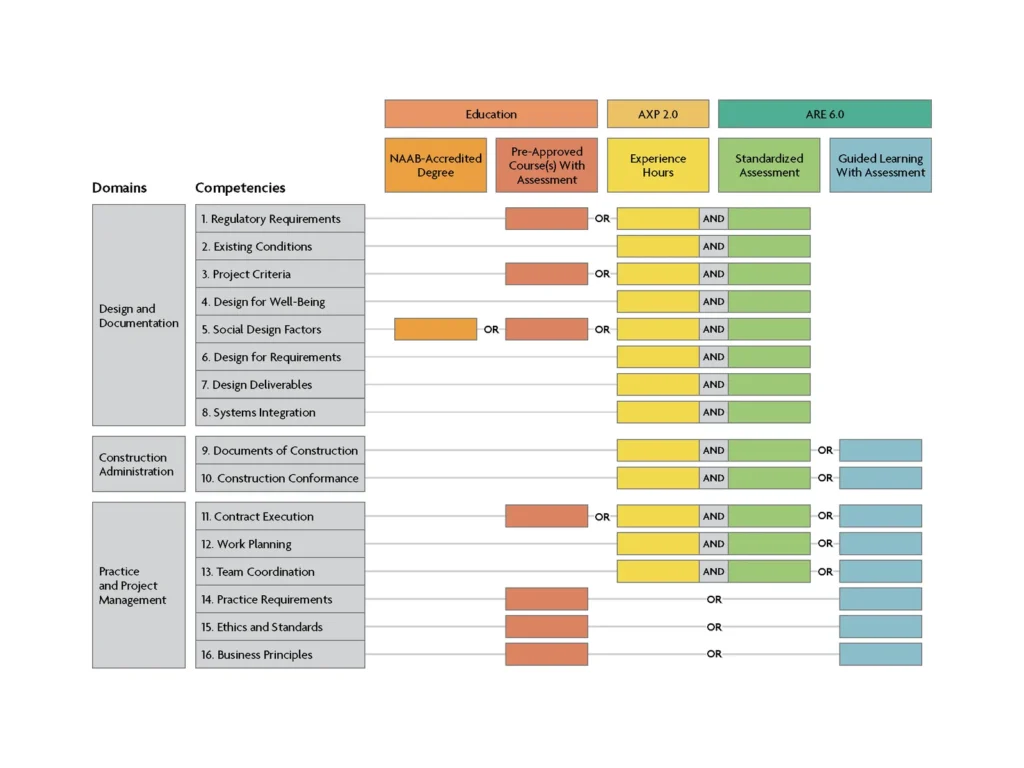 NCARB Lays Out Pathways to Practice, New Assessment Methods With No Degree Required for Any Competency
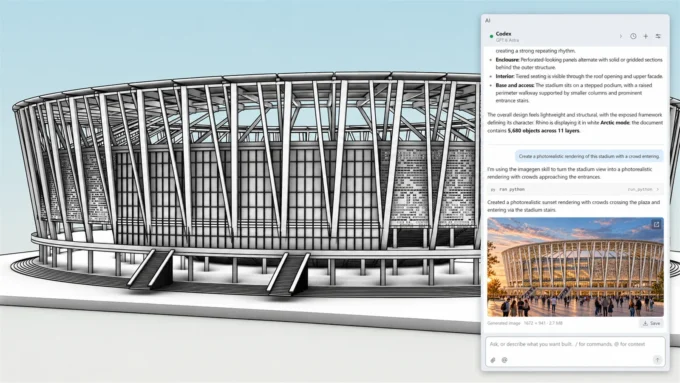
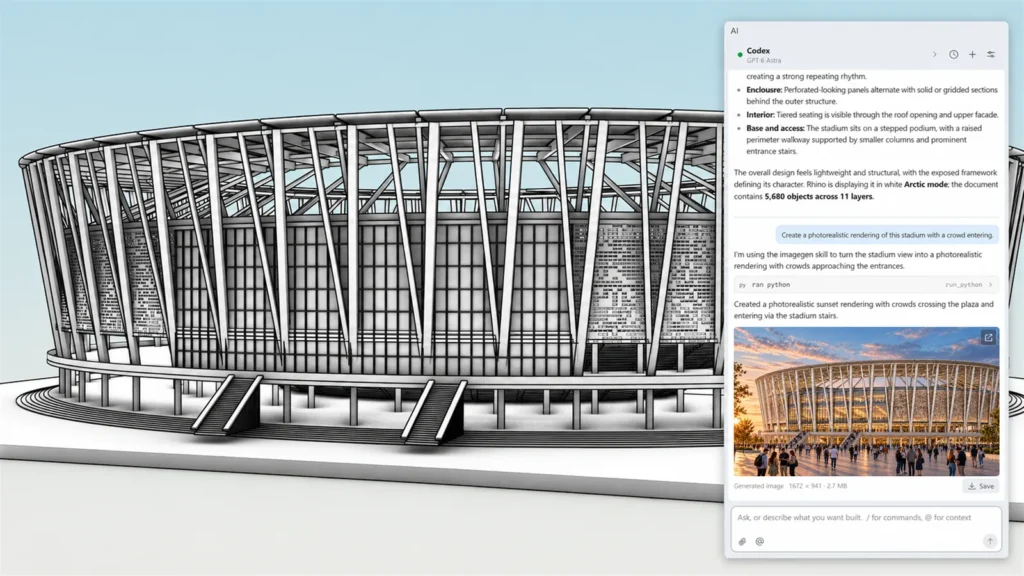 RhinoAI and Claude Code: McNeel Opens Rhino 9 to AI Agents at Rhino World 2026
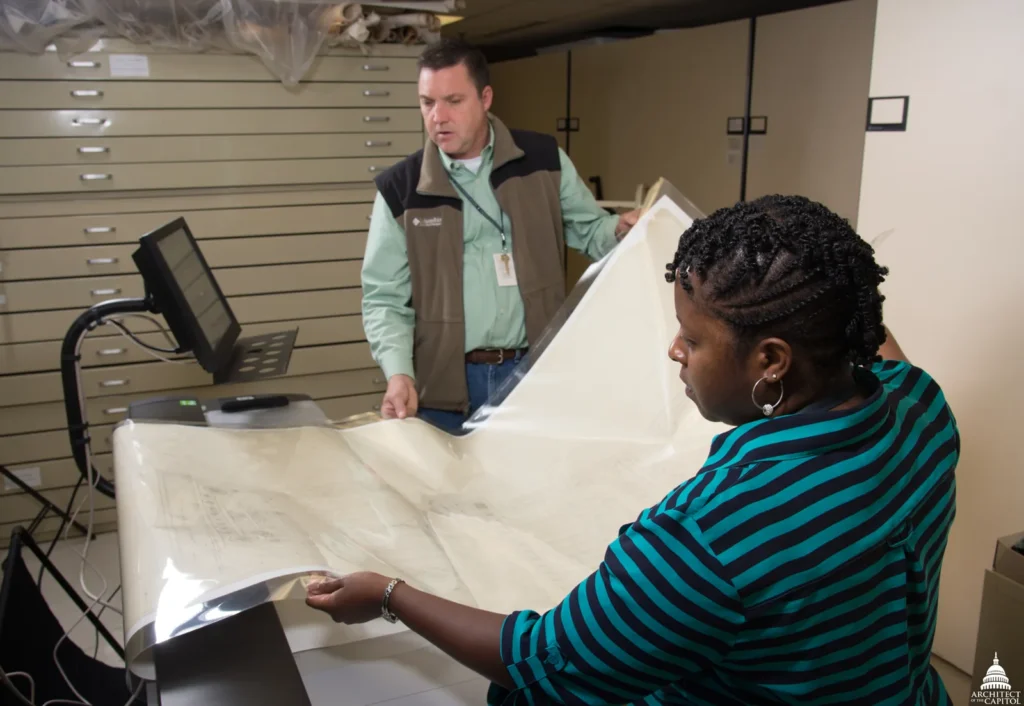 AI Data Brokers Are Offering Architects Six Figures for Old CAD Files, Raising Questions of Ownership
 Trimble Agent Studio Lets Construction Teams Turn In-House Know-How Into Custom AI Agents
What the design protection reforms change
The government says the overhaul is aimed at the country’s 80,000 design businesses, many of them lone designers or very small firms. Its main measures are:
Cheaper court route. Registered design disputes will be able to go to the small claims track of the Intellectual Property Enterprise Court for the first time, where compensation is capped at £10,000. Today such cases must use the Patents Court or the IPEC multi-track, which many small practices cannot afford.
Checks before registration. The IPO is to gain powers to test whether a design is genuinely new and has individual character before it is registered. The government says some applicants register copies of rivals’ product images and then use them to have competitors’ listings taken down, with victims reporting costs from £10,000 to more than £50,000.
Wider unregistered protection. Supplementary unregistered design protection will apply wherever in the world a design is first shown, so presenting work at an international fair or online no longer puts UK designers at a disadvantage. Designers will also be able to defer publication of a registered design for up to 30 months, and animated designs will be accepted as moving image files.
Why architects have a stake
The consultation response notes that the different unregistered protections were described as important to sectors such as architecture, and the government dropped its earlier idea of abolishing UK unregistered design right as a result. Works of architecture remain covered by copyright as artistic works, which overlaps with design protection; on that overlap the government has chosen not to legislate for now and to let case law clarify it. RIBA president Chris Williamson said that “in a rapidly changing technological landscape, the government’s reforms to the UK designs framework will help to ensure that architects can better protect their work,” and that the institute would work with the IPO as the changes are taken forward.
No criminal offence, and AI left for later
A call for evidence had asked whether intentionally copying an unregistered design should become a criminal offence, as it already is for registered designs under the Intellectual Property Act 2014. Views were strong, but the government concluded there was “insufficient robust evidence” that such an offence would be a balanced, proportionate and effective remedy, and ruled it out. The IP Federation welcomed that decision. On computer-generated designs the current law stays in place while the government monitors AI use in design.
IPO chief executive Adam Williams said the reforms would “help prevent the system being misused” and give designers “a clearer and more accessible route to enforce their rights”. Most measures still need legislation, and the government says it will spend the coming months working with designers and lawyers on how the small claims change should be introduced, so practices should not expect the new routes to open immediately.












Leave a comment