


Table of Contents Show
Soldiers from the British Army’s Corps of Royal Engineers have spent three weeks testing low-resource concrete: mixes and methods for places where cement, clean water, sand and time are scarce, as they usually are in conflict zones and after disasters. According to New Civil Engineer, the trials covered crushed brick rubble as aggregate, seawater as mixing water, curing in severe cold and 3D printing as a way to build without formwork.
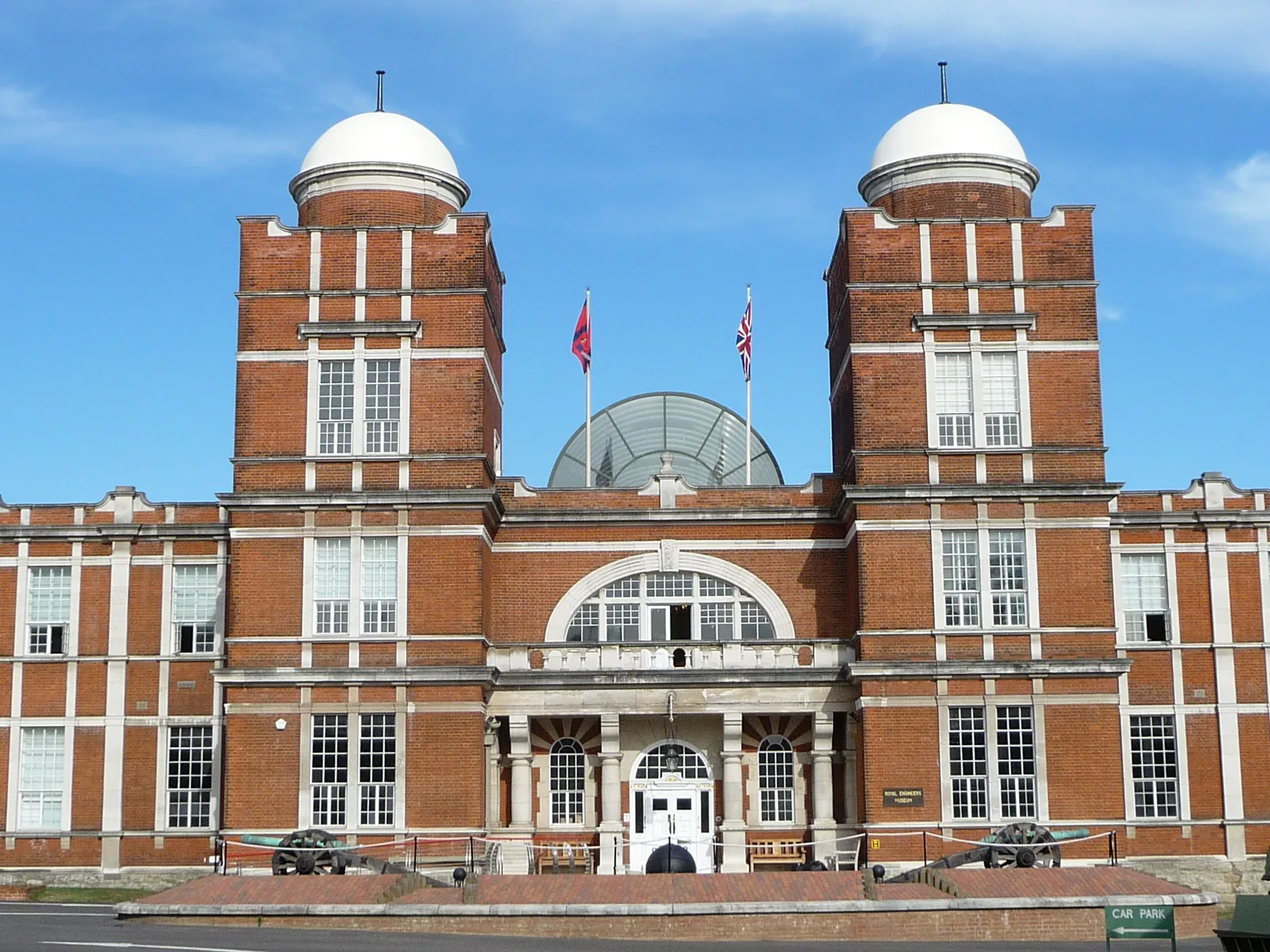
The programme ran through MKC Training and the Holdfast partnership. Twenty-two soldiers, seven of them officers, took part while working towards BEng and MSc degrees, and they shared their findings in October at the Concrete Symposium, held each year at the corps’ museum in Gillingham, Kent. Many of the projects are set to be formally published, with the aim of informing both military engineering doctrine and civilian construction.
Printing obstacles without formwork
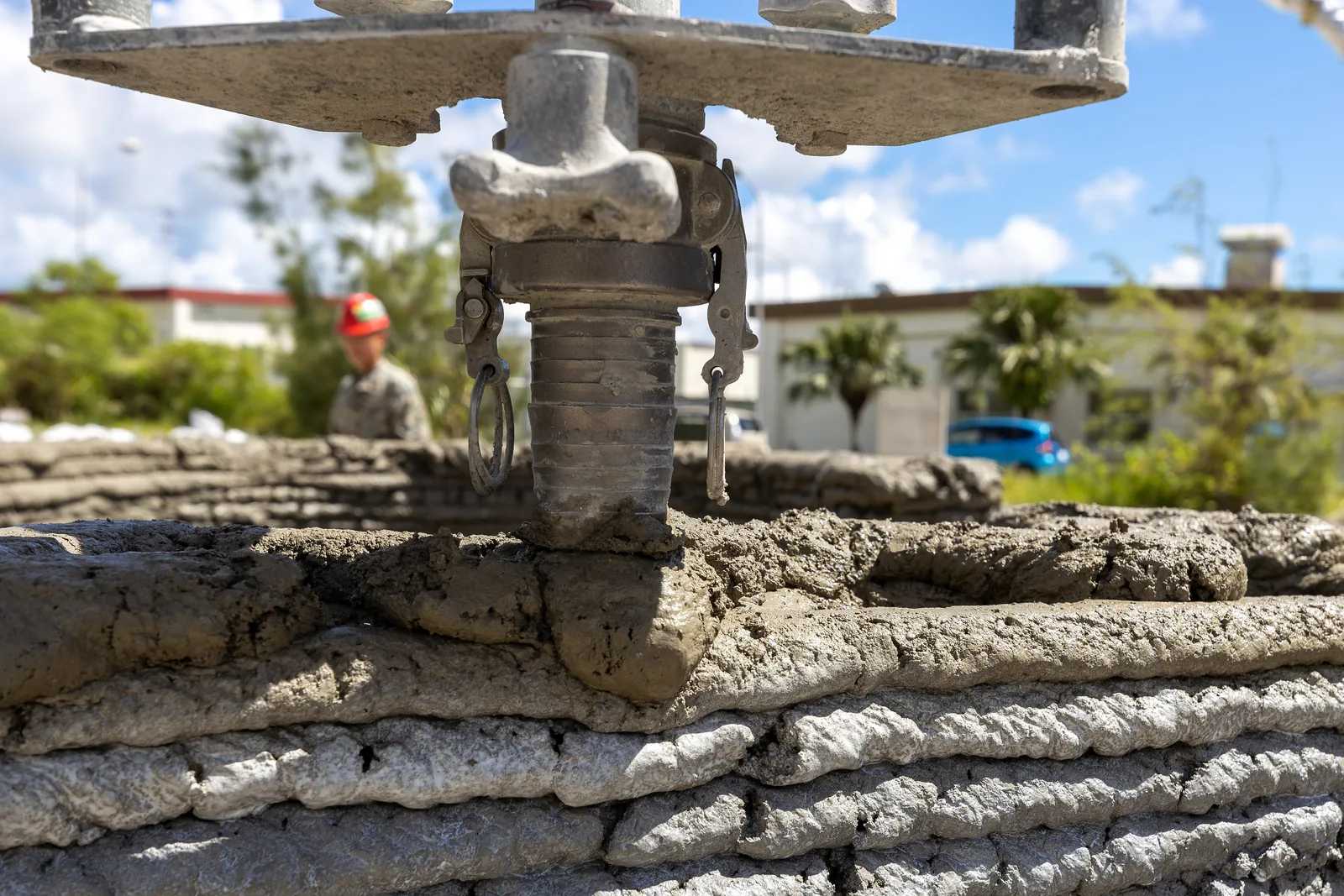
The most eye-catching result came from 3D concrete printing. Working a printer that needs a crew of only three, the soldiers produced dragon’s teeth, the concrete blocks used as anti-tank obstacles, in a matter of minutes. The printed mix reached its initial set after about three minutes and had structural strength within roughly an hour. Because the element is built up layer by layer, no temporary shuttering is required, which could save both labour and time.
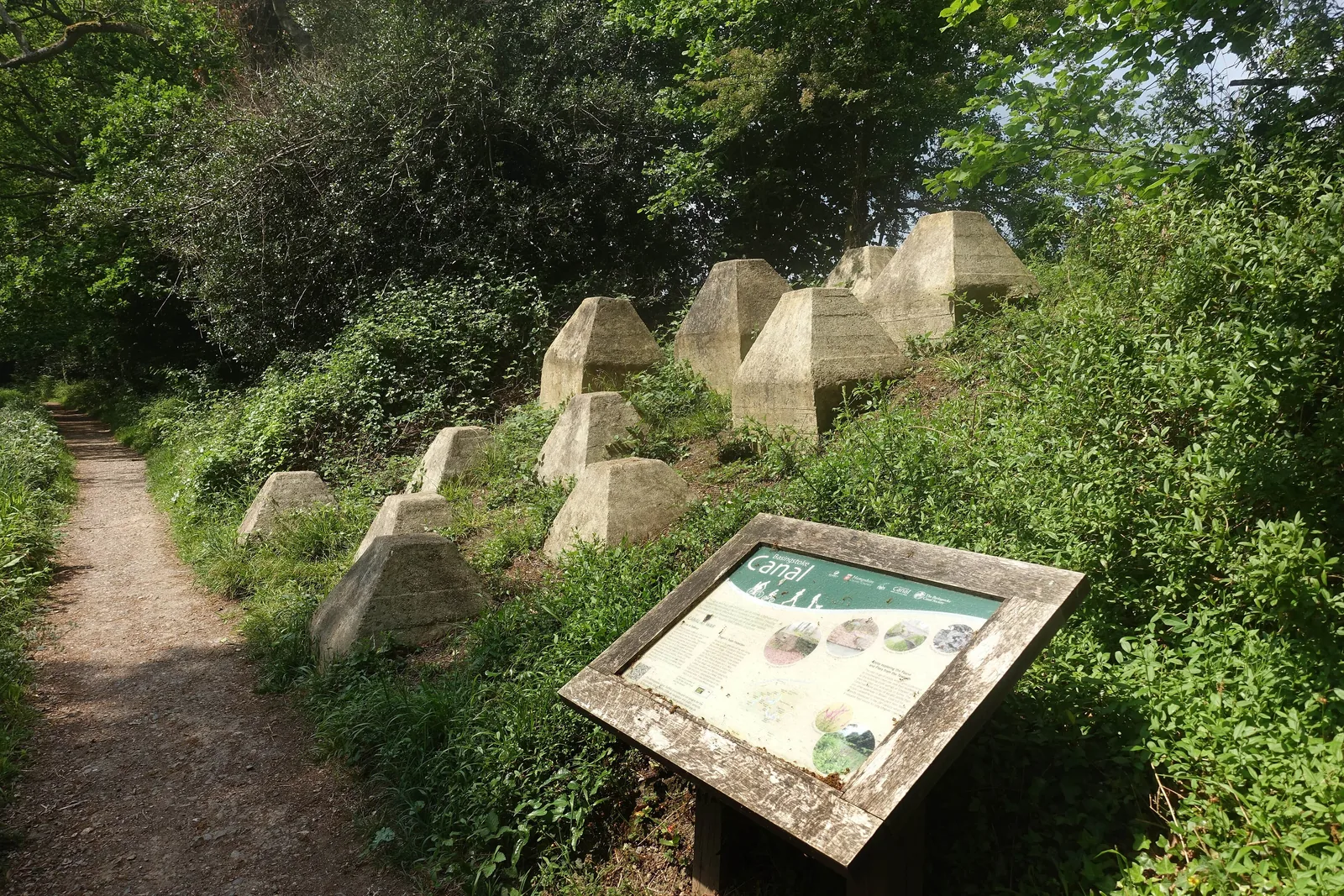
“It could eventually be something of a game changer in disaster zones,” said Sergeant Alex Graham, who took part in the trials. New Civil Engineer notes that the technique is still at an early stage, although the armed forces of the United States and India have already used it on military projects.
Brick rubble as aggregate for low-resource concrete
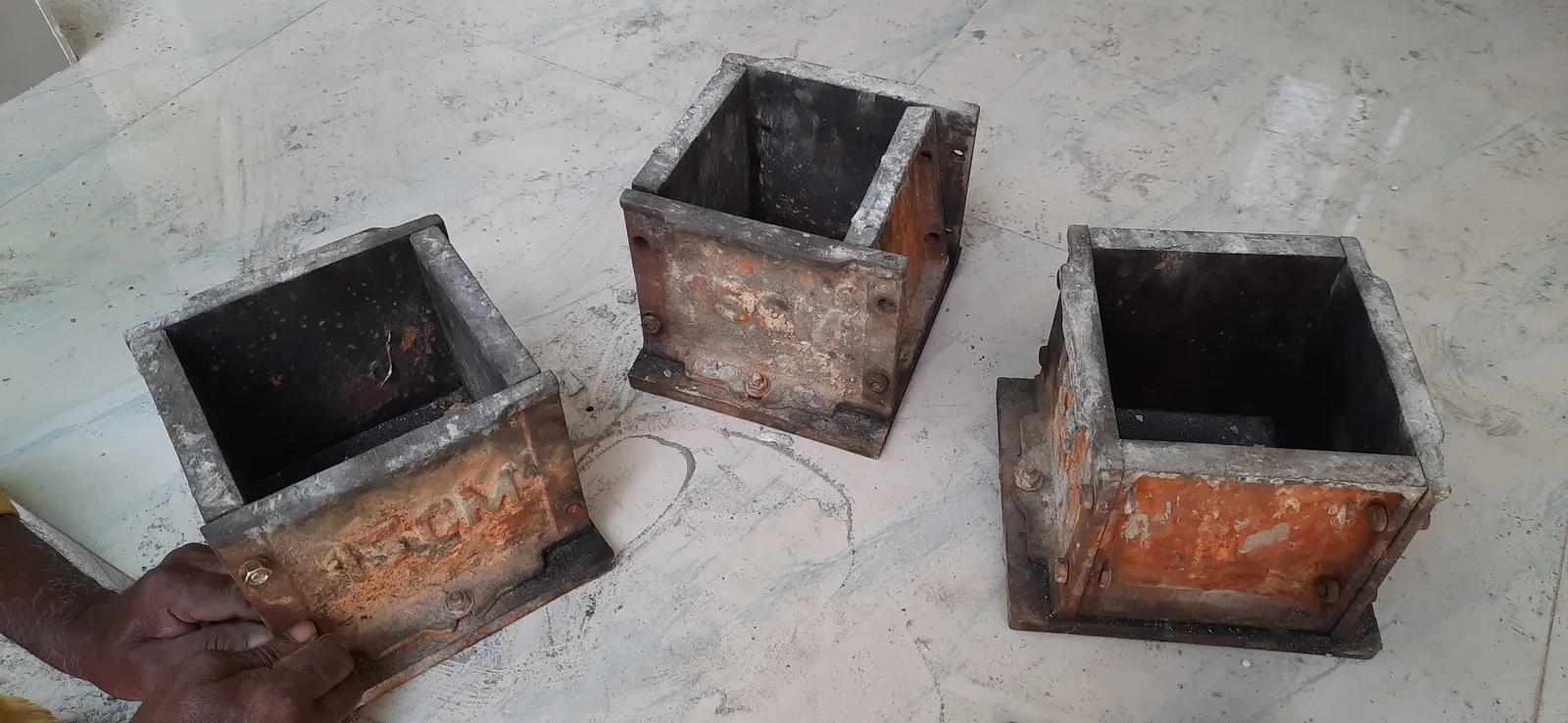
In one experiment the soldiers wrapped waste bricks in cloth, broke them up with sledgehammers and used the fragments in concrete cubes, which were still gaining strength when tested at seven and 14 days. Finely ground brick dust was also tried in place of sand, but it absorbed more water, so the next round of work will check whether soaking the recycled material in advance solves the problem.
“It’s viable for walkways and pathways and we made this without spending a penny,” said Sergeant Ben Prescott, who picked the poorest bricks he could find in old stockpiles to match what troops would face in the field.
Seawater instead of drinking water
Where fresh water is limited, seawater could stand in for it in the mix. After 14 days, the salt-water concrete was about 7% weaker in compression than an identical mix made with potable water. The researchers concluded that the loss may rule it out for some structural work, while it could still suit temporary infrastructure and non-critical construction during disaster response.
Concrete that froze before it cured
Cold-weather concreting was another strand. The first tests went down to -28°C and used admixtures such as salt, fertiliser and haemoglobin-based additives to see whether curing could continue. It did not. “The temperature reduction was so rapid the concrete froze before curing could take place,” said Sergeant Glen McWhinnie. Follow-up studies will work at -10°C and -20°C, preparing heated ground and using heated tents.
Lessons for building after a crisis
“We have rubble in abundance sadly in conflict and disaster zones,” said Captain Alistair Thom of the Royal Engineers, adding that the three-week format was designed to recreate the pressure of working in one. MKC Training lecturer Alex Soles said the team wants others in the construction industry to build on its results.
For anyone designing shelters, temporary structures or reconstruction work, the trials give an early, hands-on view of the trade-offs: concrete made from local rubble and seawater may be weaker or thirstier, but it can be produced with whatever is on hand.




Leave a comment